
Desserts
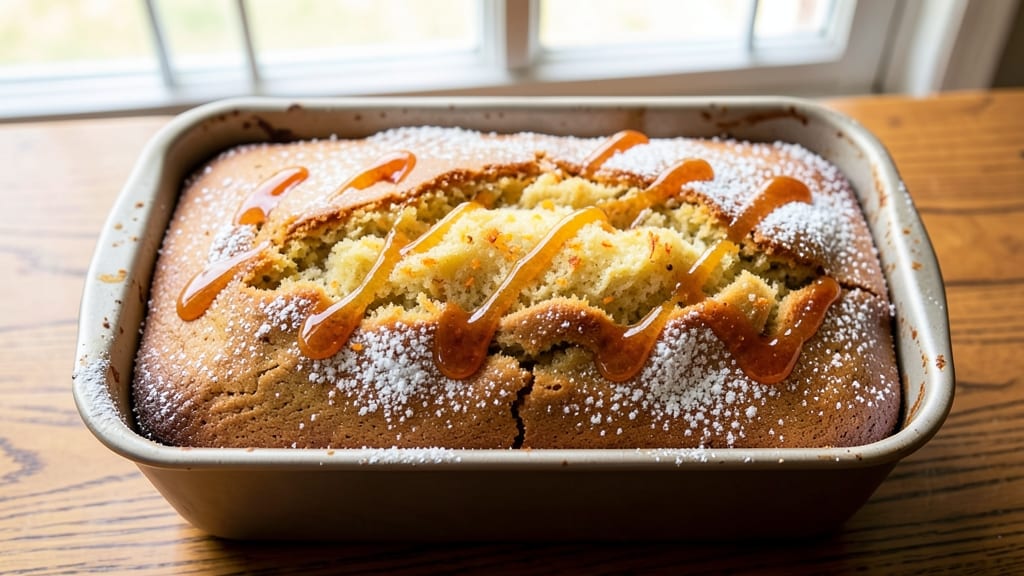
The Barefoot Contessa’s orange pound cake recipe delivers that perfect balance of tender crumb, bright citrus, and a buttery crunch topping—every slice is pure magic.
I’ve recreated this classic with her signature attention to detail—creaming butter and sugar to perfection, folding in zesty orange zest, and finishing with a golden, crackly top layer. The secret lies in precise technique and high-quality ingredients, ensuring a cake that’s both impressive and foolproof.
This recipe captures the essence of Barefoot Contessa’s style: rich, buttery, and effortlessly elegant. The citrus swirls infuse the cake with a refreshing tang, while the crunch topping adds texture that keeps every bite exciting.
What sets this apart is the moist, tender crumb that stays fresh for days, making it ideal for special occasions or a simple weekend treat.
By following this method, you’ll achieve a cake with a perfectly domed shape, golden-brown edges, and a crackly sugar crust that shatters at the touch. The orange flavor shines through without overpowering, creating a harmonious balance that’s both comforting and sophisticated.
Whether served at brunch or as an after-dinner delight, this cake is guaranteed to impress.
The beauty of this recipe is its versatility—serve it plain for a classic presentation or dust with powdered sugar for a touch of elegance. Pair it with fresh berries, a dollop of whipped cream, or a scoop of vanilla ice cream for the ultimate dessert experience. Let’s get baking!
Ingredients for barefoot contessa orange pound cake
Rich butter, vibrant citrus, and a crackly sugar top—these quality ingredients craft Barefoot Contessa's signature orange pound cake.
| Ingredient | Amount | Notes |
|---|---|---|
| Unsalted Butter 🧈 | 1 cup | Cold, cut into cubes |
| Granulated Sugar 🍚 | 2 cups | Superfine preferred for smooth texture |
| Orange Zest 🍊 | 2 tbsp | From 2 large organic oranges |
| Orange Juice 🍊 | ½ cup | Freshly squeezed, no pulp |
| Large Eggs 🥚 | 4 whole | Room temperature |
| All-Purpose Flour 🌾 | 2 cups | Sifted, spooned lightly |
| Baking Powder 🧂 | 1 tsp | Aluminum-free preferred |
| Salt 🧂 | ½ tsp | Fine sea salt |
| Vanilla Extract 🍯 | 1 tbsp | Pure, high-quality |
| Powdered Sugar 🍚 | 1 cup | For crunch topping |
| Light Brown Sugar 🍚 | ½ cup | Packed, for topping |
| Toasted Almonds 🥜 | ½ cup | Chopped, for crunch |
| Unsalted Butter 🧈 | ¼ cup | Melted, for topping |
| Orange Extract 🍊 | ½ tsp | For enhanced citrus flavor |
The butter is non-negotiable here—European-style unsalted butter gives that signature richness. Plugrá or Kerrygold are my go-tos, but any high-fat butter (82% or higher) works. For the orange zest, use organic oranges—the thicker the peel, the more flavorful the zest. Navel oranges work best; avoid blood oranges, which can alter the flavor profile. The powdered sugar for the topping should be 10X or confectioners' sugar—any lumps will ruin the crackly texture. Toast your almonds lightly in a dry pan until golden for maximum crunch.
No European butter? Land O'Lakes or Parkay in a pinch, though the flavor won't be as refined. Substitute orange juice with grapefruit juice at half the amount for a tangier twist. If you're short on vanilla extract, vanilla bean paste works beautifully—just use the same quantity. For the crunch topping, pecans or walnuts can replace almonds, but toast them first. The orange extract is optional but recommended—it intensifies the citrus flavor without the moisture of fresh juice. If you can't find it, double the orange zest instead.
This cake keeps beautifully—3 days at room temperature wrapped in plastic, or 1 week refrigerated in an airtight container. For longer storage, freeze slices wrapped individually for up to 3 months. The crunch topping stays crisp for 2 days if stored separately in a sealed container. To serve, dust with extra powdered sugar or pair with whipped cream and fresh berries for a restaurant-worthy presentation. The cake actually improves overnight as the flavors meld.
Why You'll Love This Recipe
- No Mixer Needed: I swear by this recipe when my stand mixer’s on strike—just creaming butter and sugar by hand gives those tender crumbs. The orange zest dissolves right into the butter, so you don’t even notice the effort.
- Bright & Buttery Magic: That first bite? Pure sunshine in cake form—the buttery richness gets a zesty lift from the orange juice and zest, like a hug from a warm kitchen. Honestly, the sugar caramelizes just enough to make it dangerously good with coffee.
- Weekday Hero: Slice it for breakfast, pack it for lunch, or serve it at brunch—this cake holds up like a champ. I’ve fed a crowd with one pan and still had leftovers for days. (Yes, even on a Tuesday night.)
- Pantry Staple Power: Butter, sugar, eggs, and oranges? You’re already stocked. No weird ingredients, no last-minute grocery runs—just pull it together when you need it. My go-to for when I’m too tired to bake but still crave something special.
Step-by-step instructions for orange pound cake
Here's the method that delivers a tender citrus swirl cake with that signature Barefoot Contessa crunch topping.
Prepare the Cake Batter
Preheat your oven to 350°F and grease a 9x5-inch loaf pan thoroughly, then line the bottom with parchment paper. In a large mixing bowl, cream together the 1 cup unsalted butter and 2 cups granulated sugar until light and fluffy—about 5 minutes with an electric mixer. This step incorporates air, which creates the cake's signature tenderness.
Add the 4 whole large eggs one at a time, mixing well after each addition. Stir in the 2 tbsp orange zest, 0.5 cup orange juice, 1 tbsp vanilla extract, and 0.5 tsp orange extract. The citrus flavors will meld beautifully during mixing. In a separate bowl, whisk together the 2 cups all-purpose flour, 1 tsp baking powder, and 0.5 tsp salt, then sift this mixture into the wet ingredients. Gently fold just until combined—overmixing develops gluten, which makes the cake tough.
Create the Citrus Swirls
Pour half of the batter into the prepared loaf pan. Using a rubber spatula, spread it evenly. For the swirls, carefully spoon the remaining batter over the first layer in a zigzag pattern. Gently swirl the batter with the spatula to create marbled citrus streaks throughout the cake. This technique ensures each slice delivers bright orange flavor and vibrant color.
Bake in the preheated oven for 50-60 minutes, or until a toothpick inserted in the center comes out clean. The cake should spring back slightly when pressed gently in the center. Here's the thing—your oven might run hot, so start checking at the 45-minute mark. If the top browns too quickly, tent the cake with aluminum foil to prevent overbrowning while allowing it to cook through.
Prepare the Crunch Topping
While the cake bakes, prepare the topping by combining the 1 cup powdered sugar, 0.5 cup light brown sugar, 0.5 cup toasted almonds, and 0.25 cup melted unsalted butter in a small bowl. Mix until the almonds are evenly coated and the mixture resembles wet sand. This topping adds texture contrast and balances the cake's moisture with a delightful crunch.
Real talk: don't skip toasting the almonds. Raw almonds won't develop the same flavor or texture. Toast them in a dry skillet over medium heat for 3-4 minutes until fragrant, then chop them coarsely before mixing with the sugars and butter. The toasted almonds should be warm when you spread them on the cake—this helps them adhere better.
Assemble and Finish
Remove the cake from the oven and let it cool in the pan for 15 minutes. This brief resting period prevents the cake from cracking when you transfer it. Carefully invert the cake onto a wire rack and remove the parchment paper. Spread the crunch topping evenly over the top while it's still warm—this ensures the topping sets properly and sticks to the cake.
Let the cake cool completely on the wire rack before slicing. This waiting period is crucial—it allows the cake to set properly and the flavors to develop fully. Once cooled, wrap the cake tightly in plastic wrap and refrigerate for at least 2 hours before serving. The chilled cake will have a perfect balance of tender crumb and crisp topping, with those bright citrus swirls throughout.
Pro Tips For Making Barefoot Contessa Orange Pound Cake
- Melt Butter Slowly: Skip the microwave—melt the butter in the bowl over a double boiler or warm water bath instead. I learned this the hard way when I zapped it and ended up with grainy butter that made the cake dense. Warm it just until it’s liquid, then let it cool slightly before mixing.
- Strain Your Orange Juice: No pulp means no bitter surprises. Run the fresh orange juice through a fine-mesh sieve or cheesecloth to keep the cake light and smooth. Trust me, the extra 30 seconds saves you from a cake that tastes like you’re eating orange seeds.
- Don’t Overmix the Batter: Mix just until combined—about 20 strokes max after adding the eggs. I used to beat it like I was trying to win a baking contest, and the result was a tough, dry cake. The goal is to blend, not aerate like a soufflé.
- Test for Doneness Early: Start checking with a toothpick at 45 minutes, not the 50-55 minutes the recipe says. Ovens run hot, and this cake dries out fast if left in too long. Pull it when the top springs back but still has a slight give—it’ll set as it cools.
Creative variations of this dish
Citrus Twist Variations
Swap orange zest for lemon or grapefruit zest to change the flavor profile. I’ve found that grapefruit zest adds a tart punch—reduce the amount to 1 tbsp to avoid overpowering the cake.
For a sweeter twist, add 1 tbsp honey to the batter alongside the citrus zest. This works beautifully with lemon while keeping the cake’s signature moist texture. 🍯
Spiced Rum Infusion
Enhance the citrus notes by adding 1 tbsp spiced rum (like Captain Morgan) to the wet ingredients. The warm spices in the rum complement the orange beautifully and add depth. For a non-alcoholic version, substitute with 1 tbsp orange liqueur like Cointreau.
This infusion works especially well when paired with the toasted almond topping, creating a sophisticated flavor balance. 🍹
Chocolate-Dipped Edges
For a decadent twist, dip the edges of the cake in melted dark chocolate (at least 60% cocoa) before adding the crunch topping. Let the chocolate set slightly before sprinkling the topping on top.
This adds a rich contrast to the bright citrus flavors. I recommend Ghirardelli 72% dark chocolate for its smooth texture and deep cocoa notes. 🍫
Coconut Crunch Topping
Replace the almonds with ½ cup toasted coconut flakes for a tropical variation. Mix them with the powdered sugar and brown sugar as usual, but add 1 tbsp melted coconut oil instead of butter to bind the mixture.
This works wonderfully with orange or pineapple juice in the batter for a vacation-inspired dessert. 🥥
Espresso-Enhanced Cake
Add 1 tbsp instant espresso powder to the dry ingredients for a mocha-orange fusion. The espresso deepens the citrus flavors and adds a subtle bitterness that balances the sweetness.
I’ve found this works especially well when paired with dark chocolate-dipped edges or a chocolate ganache drizzle. Use Starbucks instant espresso for consistent results. ☕
Seasonal Berry Swirls
Fold ½ cup fresh berries (like raspberries or blueberries) into the batter before creating the swirls. The berries add bursts of juicy sweetness that contrast beautifully with the citrus.
For a summer variation, use strawberries, and for a winter twist, try blackberries. Gently fold them in just before pouring the batter to avoid crushing. 🍓
Nutrition facts
Frequently asked questions
Can I make this cake in a different pan shape?
The recipe is designed for a 9x5-inch loaf pan, which creates the classic pound cake shape. For a round cake, use a 9-inch tube pan and reduce baking time by 10-15 minutes. The swirl technique works best in loaf pans, but you can create a marbled effect by layering batter in a round pan instead. The crunch topping will need to be adjusted to fit the new surface area.
Why does my cake taste dry or crumbly?
Overbaking is the most common cause—check for doneness at 45 minutes and use the toothpick test. Another issue could be overmixing the batter, which develops gluten and makes the cake tough. For extra moisture, brush the warm cake with 2 tbsp orange juice before adding the topping. Store properly in an airtight container to maintain freshness.
How do I store leftovers to keep them fresh?
Wrap the cake tightly in plastic wrap and store at room temperature for up to 3 days. For longer storage, refrigerate for 1 week or freeze slices for 3 months. The crunch topping stays crisp for 2 days if stored separately. Bring to room temperature before serving for the best texture and flavor.
Can I make this cake gluten-free?
Yes, but with adjustments. Replace the 2 cups all-purpose flour with a 1:1 gluten-free baking flour blend (like Bob's Red Mill) plus 1 tbsp xanthan gum. Add 2 tbsp extra orange juice to compensate for reduced moisture in gluten-free flours. Expect a slightly denser texture, but the citrus flavor will still shine through.
What's the secret to the perfect crunch topping?
Toast the almonds until fragrant and warm before mixing with sugars—this activates their flavor. Use powdered sugar (not cornstarch-heavy versions) for a finer crunch. Spread the topping on warm cake so it sets properly. For extra crispiness, chill the cake 2 hours before slicing to help the topping firm up.