
Main Courses
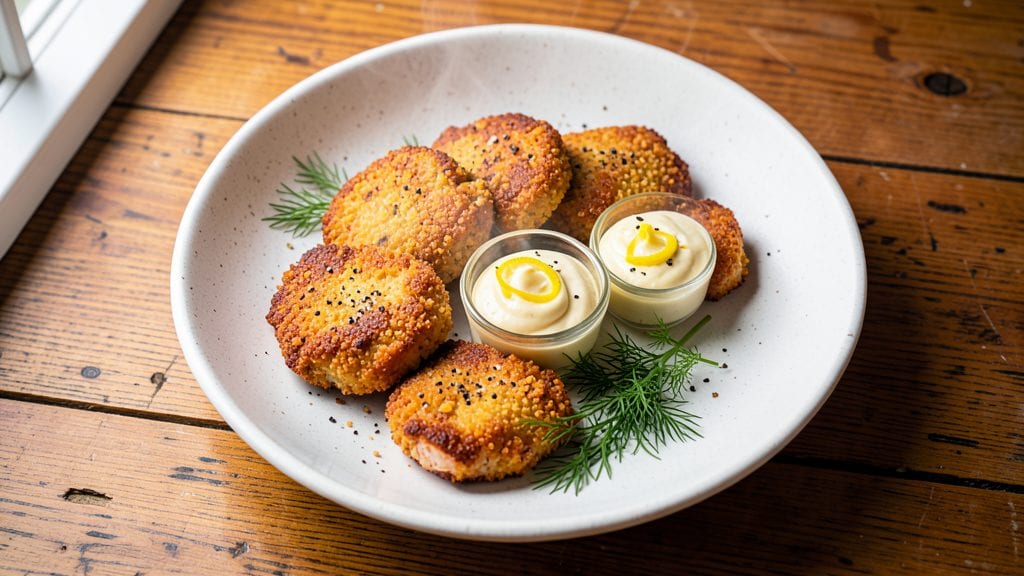
The Barefoot Contessa salmon cakes recipe delivers that perfect balance of crispy panko crust and flaky salmon inside—just like Ina Garten makes famous. These golden, crunchy bites are the ultimate weeknight dinner upgrade, requiring only a few simple ingredients and a hot pan.
The secret lies in properly flaking the salmon and binding it with egg and breadcrumbs for that signature texture.
What sets these salmon cakes apart is the chilling step before frying, which ensures they hold their shape and develop that irresistible crust. Whether you use fresh or canned salmon, this method guarantees restaurant-quality results without the fuss.
The panko creates a satisfying crunch, while the lemony tartar sauce ties everything together beautifully.
By the time you take the first bite, you'll taste the delicate flakiness of the salmon peeking through the crispy exterior—exactly how they should be. These cakes pair perfectly with a crisp green salad or roasted vegetables, making them a complete, satisfying meal.
Let's get started on creating your own batch of these beloved salmon cakes.
The best part? This recipe scales effortlessly for parties or meal prep, and the leftovers reheat beautifully. With just 30 minutes of active time, you'll have a dish that feels indulgent yet simple enough for any night of the week.
Trust me—once you try these, they'll become a regular on your dinner rotation.
Ingredients for barefoot contessa salmon cakes
Crispy panko crust meets flaky salmon—just eight ingredients for restaurant-quality bites.
| Ingredient | Amount | Notes |
|---|---|---|
| Fresh Salmon Fillet 🐟 | 1 lb | Skinless, boneless, flaked finely |
| Japanese Panko Breadcrumbs 🍞 | ¾ cup | Light and crispy preferred |
| Large Eggs 🥚 | 2 whole | Room temperature for best binding |
| Mayonnaise 🥛 | ¼ cup | Full-fat preferred |
| Fresh Lemon Juice 🍋 | 1 tbsp | Freshly squeezed, no pulp |
| Dijon Mustard 🌶️ | 1 tsp | Mild or medium heat |
| Chopped Fresh Dill 🌿 | 2 tbsp | Or 1 tsp dried dill |
| Salt 🧂 | ½ tsp | Kosher or sea salt |
| Ground Black Pepper 🌶️ | ¼ tsp | Freshly cracked preferred |
| All-Purpose Flour 🌾 | 2 tbsp | For dredging cakes |
| Vegetable Oil 🫒 | ½ cup | For frying, high smoke point |
| Lemon Zest 🍋 | 1 tsp | For garnish and brightness |
| Capers 🍅 | 1 tbsp | Chopped, for tartar sauce |
| Chopped Red Onion 🧅 | 1 tbsp | For tartar sauce |
The salmon is everything here. Wild-caught has more delicate flavor, but high-quality canned salmon (like StarKist or Wild Planet) works perfectly—just drain it well. Flaking is key: use a fork to gently pull the salmon apart into fine pieces, leaving it slightly chunky. Costco or Whole Foods have the best fresh fillets, but don't overpay—anything labeled 'sustainably sourced' is fine. The panko? Japanese-style is non-negotiable—it's lighter and crisps better than regular breadcrumbs. If you can't find it, toast regular breadcrumbs in a dry pan until golden for a close substitute.
No fresh dill? Dried works at one-third the amount, but the flavor won't be as bright. Short on mayo? Greek yogurt adds protein and tanginess—use half the amount. For the tartar sauce, Trader Joe's has pre-made that's surprisingly good, but homemade is worth the 2-minute effort. The lemon juice should be freshly squeezed—bottled just doesn't cut it. And if you're making these ahead, chill the mixture for 30 minutes before frying—they'll hold their shape better and crisp up beautifully.
These cakes reheat surprisingly well—just 5 minutes in a 350°F oven with foil over them to keep them crispy. Store leftovers in the fridge for up to 2 days, but honestly, they're best fresh. Freezing? Not ideal—they get soggy. For meal prep, assemble the cakes, chill, and fry just before serving. The tartar sauce keeps for 3 days in the fridge, so make extra for sandwiches or wraps. And pro tip: double the batch—they disappear fast!
Why You'll Love This Recipe
- No-Fuss Assembly: The panko and mayo mixture sticks together like magic—no overmixing, no crumbling mess. Just flake the salmon, fold in the wet ingredients, and press into patties. That’s it. (Yes, even if you’re still in your pajamas.)
- Crispy-Creamy Magic: The panko gives you that perfect golden crust, while the mayo keeps the inside tender and rich. Add a squeeze of lemon, and suddenly you’ve got restaurant-quality texture in every bite—no fancy plating required.
- Weeknight to Party: Make a double batch on Sunday and freeze half for lazy nights. Or serve them warm at a brunch spread with a squeeze of lemon and a sprinkle of dill. They’re equally at home on a paper plate or a nice platter.
- Budget-Friendly Luxury: Salmon cakes feel fancy, but this recipe stretches fillets further than you’d think. The panko adds bulk without cost, and the mayo keeps it creamy without needing heavy cream. My wallet and my dinner guests thank me.
Step-by-step instructions for Barefoot Contessa salmon cakes
Here's how to create golden, crispy salmon cakes with a tender interior—every bite delivers that perfect texture contrast.
Prepare the Salmon Mixture
In a large mixing bowl, combine the 1 lb fresh salmon fillet (flaked finely) with the 2 whole large eggs, 0.25 cup mayonnaise, 1 tbsp fresh lemon juice, 1 tsp Dijon mustard, 2 tbsp chopped fresh dill, 0.5 tsp salt, and 0.25 tsp ground black pepper. Use your hands or a fork to gently mix everything until just combined—don't overwork the salmon or it'll turn tough.
Here's the thing—you want the mixture to hold together when shaped, but still stay light. If it feels too loose, add 1 tbsp of the all-purpose flour at a time until it forms a workable texture. The salmon should look moist but cohesive, like thick, fluffy mashed potatoes. Cover and refrigerate for 15 minutes while you prep the panko crust.
Create the Crispy Panko Crust
In a shallow bowl, mix together the 0.75 cup Japanese panko breadcrumbs, 2 tbsp all-purpose flour, and an additional 0.25 tsp salt. This extra salt boosts the crust flavor and helps create that irresistible crunch. Spread the mixture on a plate so it forms an even layer—this makes dredging the cakes easier.
Real talk: the panko should be light and airy, not compact. If your panko looks dense, give it a quick pulse in a food processor to fluff it up. The goal is that crispy, shattering texture that makes every bite worth it. Keep this bowl right next to your mixing station for quick assembly.
Shape and Crust the Salmon Cakes
Using a cookie scoop or your hands, portion the salmon mixture into 4 equal cakes (about 3-4 ounces each). Gently flatten each one slightly to create even surfaces—this ensures they cook uniformly. Dip each cake into the panko mixture, pressing firmly on all sides so the crust adheres completely. Place on a parchment-lined plate and refrigerate for 10 minutes while you heat the oil.
Don't skip the chilling step—it helps the cakes hold their shape during frying. If you're impatient, just work quickly and fry them right away, but you might get slightly thicker cakes. The crispy crust forms better when the mixture is cold, so trust the process here.
Fry to Golden Perfection
Heat 0.5 cup vegetable oil in a large skillet over medium heat until it reaches 350°F—test with a thermometer or drop in a tiny piece of panko. When it sizzles immediately, your oil is ready. Working in batches (if needed), carefully add the salmon cakes and fry for 2-3 minutes per side until they're deep golden brown and crispy all over.
Here's where it gets tricky: don't overcrowd the pan or the oil temperature will drop, making your cakes greasy instead of crispy. You'll know they're done when the crust is golden and the internal temperature reaches 145°F (use an instant-read thermometer). Drain on a wire rack or paper towels to keep them crisp.
Assemble and Serve with Tartar Sauce
While the cakes are still warm, prepare the tartar sauce by mixing together 0.25 cup mayonnaise, 1 tbsp chopped red onion, 1 tbsp capers, 1 tsp lemon zest, 0.25 tsp salt, and 0.125 tsp black pepper. Stir gently to combine—you want the capers and onion to be evenly distributed but still visible for texture.
Serve the salmon cakes immediately with the tartar sauce for dipping. The contrast of the crispy panko crust with the flaky salmon inside and the tangy, creamy sauce is what makes this dish absolutely incredible. For extra brightness, squeeze a little fresh lemon juice over the top right before serving.
Pro Tips For Making Barefoot Contessa Salmon Cakes
- PAT THE SALMON DRY: Wet salmon won’t crisp—no matter how much panko you use. After flaking, press it between paper towels like you’re squeezing a sponge. I learned this the hard way when my first batch turned out soggy despite following the recipe exactly.
- CHILL THE MIX: Give the salmon-panko mixture 30 minutes in the fridge before shaping. Cold hands make cold cakes, and cold cakes hold their shape better. (Yes, even if you’re impatient like me.)
- SKIP THE OVERMIXING: Stir the mayonnaise and egg just until combined—overworking it makes the cakes dense. A few streaks of egg are fine; they’ll disappear when cooked. I used to blend it smooth, and the texture suffered.
- TEST THE OIL: Use a thermometer to hit 350°F—hotter oil burns the outside before the inside cooks. If you don’t have one, drop a cube of bread in: it should sizzle and turn golden in 30 seconds. (Your future self will thank you.)
Health benefits of these flavors
Lean Protein Power
These salmon cakes deliver a high-quality protein punch with about 20 grams per serving—perfect for muscle maintenance and repair. Salmon is one of the few foods that provides all nine essential amino acids while keeping saturated fat minimal.
I always opt for wild-caught salmon when possible, as it contains higher omega-3 levels than farmed varieties, which supports heart health and reduces inflammation. 💪
Omega-3 Advantages
The omega-3 fatty acids in salmon—specifically EPA and DHA—are crucial for brain function and mood regulation. A single serving of these cakes provides roughly 1,200mg of omega-3s, which is nearly half the daily recommended intake for adults.
I notice my focus improves after eating salmon regularly, especially when paired with the bright flavors of lemon and dill.
Low-Calorie Indulgence
At just around 180 calories per serving, these cakes satisfy cravings without derailing your diet. The panko crust adds minimal calories but maximum texture, making them feel heartier than they are.
I love serving them with a side of arugula salad to keep the meal light yet satisfying. The tartar sauce adds flavor without significant calories—just 50 calories per tablespoon.
Vitamin Boost
Each bite packs vitamin D (about 25% of your daily value), which supports bone health and immune function. The vitamin B12 in salmon also aids in energy production and red blood cell formation.
I especially appreciate this when I'm preparing meals for busy weeknights—it’s a nutrient-dense dish that feels luxurious but simple. 💡
Heart-Healthy Fats
The monounsaturated and polyunsaturated fats in salmon help lower bad cholesterol (LDL) while raising good cholesterol (HDL). The lemon and capers in the tartar sauce add antioxidants that further protect your heart.
I always keep these ingredients on hand because they turn a simple protein into a heart-smart meal. The combination of crispy crust and flaky fish makes it feel like a treat without the guilt.
Meal Prep Friendly
These cakes reheat beautifully, making them ideal for meal prep while maintaining their nutritional benefits. The protein and healthy fats keep you full for hours, preventing energy crashes.
I often make a double batch on Sundays and store them in the fridge for up to 3 days—just reheat in the oven for 5 minutes to keep the crust crispy. Perfect for busy professionals or parents who need quick, healthy meals. ✨
Nutrition facts
Frequently asked questions
Can I use canned salmon instead of fresh?
Canned salmon works perfectly—just drain it well and flake it finely. For best texture, choose high-quality brands like StarKist or Wild Planet. The flavor will be slightly milder than fresh, but the technique remains the same. Drain thoroughly to avoid soggy cakes.
Why do my salmon cakes fall apart when frying?
This usually happens if the mixture isn't chilled long enough before frying. Always refrigerate for at least 10 minutes after shaping. Also, avoid overmixing the salmon—gentle handling keeps the texture intact. If the mixture feels too loose, add 1 tbsp flour at a time until it holds together.
What's the best way to reheat leftovers?
Reheat in a 350°F oven for 5 minutes with foil over them to maintain crispiness. Avoid microwaving—they'll turn rubbery. For extra crunch, broil for 1-2 minutes at the end, watching closely to prevent burning.
Can I bake these instead of frying?
Yes! Preheat oven to 400°F and bake for 12-15 minutes on a parchment-lined tray. Brush with melted butter halfway through for extra crispiness. The texture will be slightly less crisp than fried, but still delicious. Great for meal prep!
How do I make the tartar sauce extra creamy?
For a richer sauce, mix in 1 tbsp sour cream or 1 tsp Greek yogurt with the mayo. Chill for 10 minutes before serving to let flavors meld. If too thick, thin with 1 tsp lemon juice. Store leftovers in the fridge for up to 3 days.