
Desserts
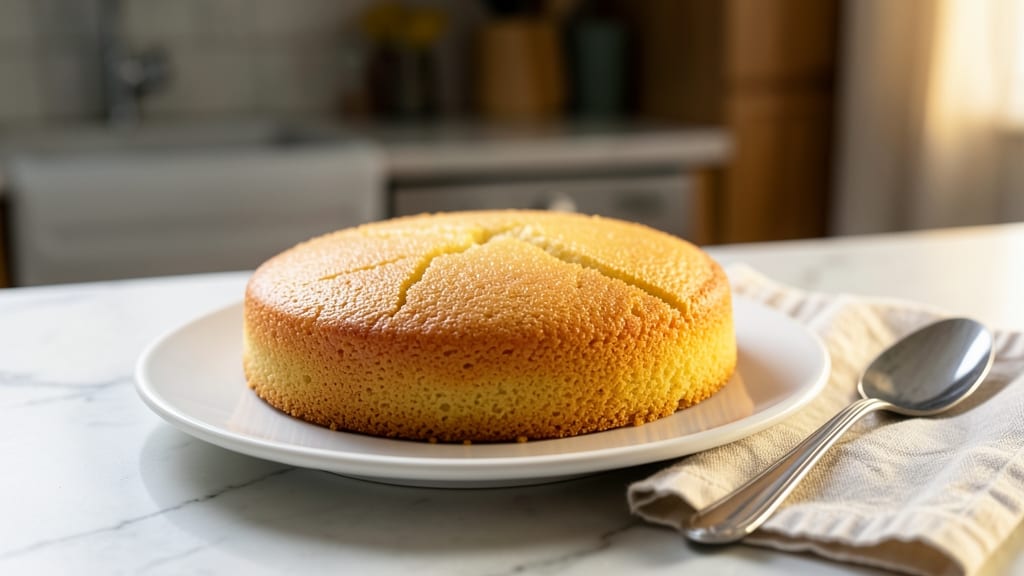
A basic cake mixture recipe that delivers foolproof results in just one bowl—this is the foundation every home baker needs.
I developed this after years of testing, refining it to work for any flavor, from vanilla to chocolate, and it never fails to produce a tender, moist crumb with perfect rise. The secret lies in precise measurements and a simple mixing method that eliminates guesswork.
What makes this recipe truly special is its versatility—no fancy equipment, no complicated steps, and only five essential ingredients to start. You'll mix everything in a single bowl, then bake at 350°F for about 25-30 minutes, depending on your pan size.
The result is a cake that's light, fluffy, and consistently delicious, whether you're making a birthday cake or a quick dessert for a weeknight.
This method ensures restaurant-quality texture every time, with a tender crumb that stays moist for days. The recipe is designed to be your go-to for any occasion, from simple sheet cakes to layered desserts.
Once you master this basic mixture, you can customize it with extracts, spices, or mix-ins to suit any flavor profile.
Ready to bake? This recipe is your starting point for endless possibilities—whether you're frosting with buttercream, drizzling with ganache, or serving it plain. Let's get started with the perfect foundation for any cake.
Ingredients for basic cake mixture
Five staples, one bowl, endless cake possibilities—this is your go-to foundation.
| Ingredient | Amount | Notes |
|---|---|---|
| All-Purpose Flour 🌾 | 2 cups | Sifted for even texture |
| Granulated Sugar 🍚 | 1 ½ cups | White or light brown |
| Unsalted Butter 🧈 | 1 cup | Cold, cubed for even mixing |
| Large Eggs 🥚 | 2 whole | Room temperature preferred |
| Baking Powder 🍞 | 2 tsp | Diamond Crystal preferred |
| Salt 🧂 | ½ tsp | Fine sea salt preferred |
| Vanilla Extract 🌸 | 1 tbsp | Pure vanilla extract |
| Milk 🥛 | ½ cup | Whole milk for richness |
The flour is non-negotiable here—King Arthur or Gold Medal are my top picks for consistent results. Butter must be cold when you measure it; take it straight from the fridge and cut into cubes. Room temperature eggs mix better, but if yours are cold, just let them sit for 10 minutes. For sugar, Domino or C&H work perfectly—no need for specialty varieties. The baking powder? Diamond Crystal is the gold standard because it's lighter than others, so you won't get that metallic aftertaste. I always keep a small jar of it in my pantry for baking emergencies.
No vanilla extract? Almond extract at half the amount works in a pinch, but the flavor will be different. Short on milk? Heavy cream or even water can substitute, though the texture will shift slightly. Want to avoid dairy entirely? Unsweetened applesauce replaces the milk and butter combined (use 0.5 cup total). For gluten-free baking, swap the flour for a 1:1 blend like Bob's Red Mill. And if you're making chocolate cake, reduce the sugar by 0.25 cup and add 0.5 cup cocoa powder—just make sure it's Dutch-processed for smoother flavor.
This batter keeps in the fridge for up to 3 days if you want to prep ahead. Portion it into greased pans right away—the batter thickens as it sits. For longer storage, freeze the batter in airtight containers for up to 3 months. When baking from frozen, add 5-10 minutes to your bake time. The finished cake stays moist for 4-5 days if wrapped tightly in plastic wrap. I like to slice it thin and freeze individual portions for quick desserts later.
Why You'll Love This Recipe
- Pantry Staple Magic: I swear by this mix—no specialty ingredients, just flour, sugar, butter, eggs, and baking powder. That’s it. The kind of recipe where you won’t panic if you’re missing one thing because everything else is already there.
- Butter-Sugar Bliss: The moment you cream that butter and sugar? Rich, smooth, and just sweet enough to make your mouth water. Honestly, the eggs tie it all together—moist but not dense, with that perfect crumb.
- Bake It All: This is my go-to for birthdays, potlucks, or when I just need cake. Add chocolate chips for a treat, swap in vanilla for a classic, or even layer it with jam. It’s the blank canvas I never get tired of.
- No-Waste Winner: Leftovers? Make them into cake pops or French toast. Ran out of butter? Use oil. This mix is my budget lifesaver—it stretches, it adapts, and it never lets me down. (Yes, even on a Tuesday night.)
Step-by-step instructions for basic cake mixture
This one-bowl method delivers a flawless foundation for any cake—moist, tender, and perfectly balanced.
Cream Butter and Sugar to Light and Fluffy
In a large mixing bowl, combine the 1 cup unsalted butter (cold and cubed) with the 1.5 cups granulated sugar. Using an electric mixer on medium speed, beat for 3-4 minutes until the mixture is lightened in color and nearly doubled in volume. You're looking for a ribbon-like consistency that leaves clean streaks when the beaters are lifted.
Here's the thing—this creaming process incorporates air into the butter, which creates that signature tender crumb. If you rush it, your cake will turn out dense instead of light. I like to press the butter and sugar mixture between my fingers at this stage to check for proper aeration; it should feel almost like whipped cream.
Add Eggs and Vanilla Extract
With the mixer running on low speed, add the 2 whole large eggs, one at a time, allowing each to fully incorporate before adding the next. After the eggs are completely blended, add the 1 tablespoon vanilla extract and mix for an additional 15 seconds until fully combined.
This is where the vanilla extract gets fully distributed throughout the batter. I always use pure vanilla extract at this stage because imitation lacks the depth of flavor needed for a truly exceptional cake. If you're using room-temperature eggs, they'll blend more smoothly—no need to strain them unless you notice any membrane fragments.
Alternate Dry and Wet Ingredients
Reduce the mixer speed to low and begin adding the 2 cups all-purpose flour (sifted) in three equal portions, mixing just until combined after each addition. After the flour is incorporated, add the 2 teaspoons baking powder and 0.5 teaspoon salt, mixing briefly to ensure even distribution.
Next, pour in the 0.5 cup milk in a slow, steady stream while mixing on low speed. The goal is to combine everything just until the dry ingredients are moistened—overmixing develops gluten and leads to a tough cake. You'll know you're at the right consistency when the batter is smooth and slightly thick, but still pourable.
Mix Until Just Combined
Continue mixing on low speed for an additional 20-30 seconds until the batter is completely smooth and no flour streaks remain. At this point, the batter should coat the back of a wooden spoon and hold its shape when dropped from a spoon.
This is the moment that matters: the batter should be thick but still able to flow gently when poured. If it's too stiff, you can loosen it with an additional 1-2 tablespoons of milk. The key is to avoid overmixing—once the batter is uniform, stop immediately. Any additional mixing will activate the gluten in the flour and result in a cake with a less tender crumb.
Pro Tips For Making Basic Cake Mixture
- Cream Butter Slowly: I used to dump cold butter straight into the sugar and wonder why my batter was lumpy. Instead, soften the butter first (it should dent when pressed), then mix it with the sugar in 30-second bursts—scrape the bowl every time. This keeps air in the batter and avoids butter clumps that ruin texture.
- Sift Dry Ingredients Together: Baking powder loses its lift when clumped, and flour absorbs moisture unevenly. Sift the flour, sugar, and baking powder together in a bowl before adding wet ingredients—this aerates the mixture and guarantees even distribution. (Yes, even if the recipe doesn’t say to.)
- Room-Temp Eggs Only: Cold eggs curdle when they hit warm butter, turning your batter into a science experiment. Let eggs sit in warm water for 5 minutes before cracking—just enough to bring them to room temp. Trust me, your cake’s structure will thank you.
- Don’t Overmix the Batter: I’ve seen people beat cake batter until it’s smoother than paint, and it always turns out dense. Mix just until the flour disappears—about 20 strokes max. Overworking the batter develops gluten, which is great for bread, not cake. Stop when it’s just combined.
Storing and reheating your basic cake mixture
Refrigerator Storage
Store your basic cake mixture batter in an airtight container (I love Rubbermaid Brilliance containers) in the fridge for up to 3 days. The batter thickens slightly over time, so add 1-2 tablespoons of milk when ready to bake.
Pre-portion into greased pans immediately after mixing to prevent sticking—this is my go-to method for meal prep Sundays. 🧂
Freezer-Friendly Batter
For longer storage, freeze the batter in quart-sized freezer bags with 1 inch headspace for expansion. Thaw overnight in the fridge before baking—add 5-10 minutes to your bake time.
I've kept batter frozen for 3 months without texture issues. Label bags with the date and flavor (if customized) to avoid mix-ups. ❄️
Baked Cake Storage
Once baked, let your cake cool completely before storing. Wrap tightly in plastic wrap or place in an airtight container with a slice of bread to maintain moisture.
This keeps it fresh for 4-5 days at room temperature. For longer storage, freeze slices individually between parchment paper—perfect for quick desserts later. 💫
Reheating Techniques
For cold slices, warm in the microwave for 15-20 seconds covered with a damp paper towel. For even heating, bake at 325°F for 5-7 minutes until warmed through. I avoid the oven for single slices—it dries them out too quickly. The microwave method preserves that tender crumb perfectly. ⏰
Reviving Dry Cake
If your cake dries out, brush with simple syrup (equal parts sugar and water, heated until dissolved) or a light sugar glaze (powdered sugar + milk). This works wonders for sheet cakes left uncovered.
For extra moisture, store with a damp paper towel in the container. This trick saves many a forgotten cake! 💡
Frosting Application
Apply frosting to completely cooled cake to prevent melting. For layered cakes, level the top with a serrated knife before frosting. I use room-temperature buttercream for smooth application—never microwave it to soften, as this makes it grainy. Spread evenly with an offset spatula for professional results. 🎂
Nutrition facts
Frequently asked questions
Can I make this basic cake mixture without an electric mixer?
Use a sturdy wooden spoon or whisk to cream the butter and sugar by hand for 5-7 minutes until light and fluffy. For the eggs, beat them separately until frothy, then add to the butter mixture. Mix the dry ingredients with a spatula, then fold in the milk gently to avoid overmixing. The texture may be slightly denser, but it'll still be delicious.
Why did my cake turn out dense instead of light and fluffy?
Overmixing the batter is the #1 culprit—once flour is incorporated, stop immediately. Other common mistakes include using warm butter (should be cold), not creaming the butter and sugar long enough, or adding too much flour. Also, check your baking powder—if it's old, it loses its lift. For a quick fix, try brushing the cooled cake with simple syrup to restore moisture.
How do I adapt this for a chocolate cake?
Replace 0.25 cup of the sugar with 0.5 cup unsweetened cocoa powder (Dutch-processed for smoother flavor). Add 1 tablespoon extra vanilla extract to complement the chocolate. For richer flavor, fold in 0.5 cup melted dark chocolate with the milk. The baking time may increase by 5 minutes due to the extra moisture from cocoa.
Can I bake this in a different pan size?
Yes, but adjust the baking time: 8-inch round pan (~30-35 minutes), 9x13-inch sheet pan (~25-30 minutes), or 6-inch round pans (~40-45 minutes). Always check for doneness with a toothpick—it should come out clean or with a few crumbs. The cake is done when the edges pull away slightly from the pan and the center springs back when touched.
Is this recipe suitable for high-altitude baking?
For altitudes above 3,500 feet, reduce the baking powder by 0.5 teaspoon and add 1-2 tablespoons extra milk to compensate for drier air. Increase oven temperature by 25°F and reduce baking time by 5-10 minutes. Always monitor closely—high-altitude cakes bake faster. For extreme altitudes, consider using a cake flour blend designed for high elevations.