
Desserts
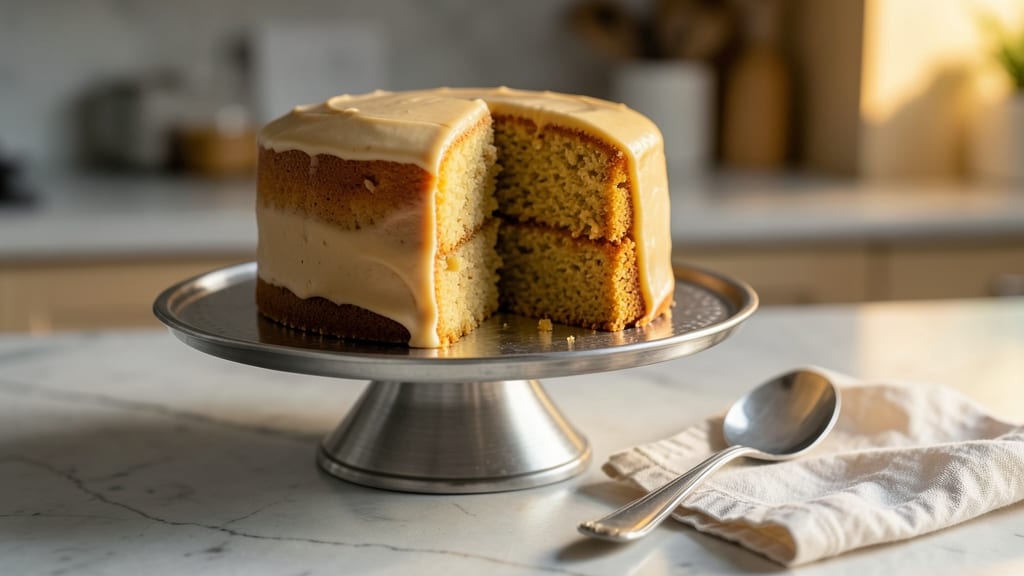
Transforming a simple Betty Crocker cake mix into a moist, dense pound cake is easier than you think—this recipe delivers restaurant-quality layers with minimal effort. The secret lies in adjusting the mix ratios and baking it in a tube pan for even moisture distribution.
I’ve perfected this technique over years of testing, ensuring every slice stays tender and rich.
This foolproof method uses just a few extra ingredients—vanilla extract, sour cream, and butter—to elevate the boxed mix into something extraordinary. The result is a golden, velvety cake with a buttery frosting that melts in your mouth.
Perfect for coffee hour or dessert lovers, it’s the kind of treat that feels homemade without the fuss.
Baking time is under an hour, and the ingredients list stays simple: one box of cake mix, a few pantry staples, and a splash of vanilla. The frosting is just powdered sugar, butter, and milk—no complicated steps, just pure indulgence.
Whether you serve it plain or with fresh berries, this cake will become your new go-to dessert.
For extra flair, add a layer of lemon curd or chocolate ganache between the cake layers, or dust with powdered sugar for a classic finish. The possibilities are endless, but the base recipe is guaranteed to impress every time. Let’s get baking!
Ingredients for betty crocker cake mix pound cake
One box, twelve servings, and the secret to transforming boxed cake into restaurant-quality pound cake.
| Ingredient | Amount | Notes |
|---|---|---|
| Betty Crocker Super Moist Vanilla Cake Mix 🍰 | 1 box | Vanilla flavor preferred |
| Unsalted Butter 🧈 | 1 cup | Softened, full-fat preferred |
| Large Eggs 🥚 | 3 whole | Room temperature preferred |
| Pure Vanilla Extract 🍯 | 2 tbsp | Not imitation vanilla |
| Sour Cream 🥛 | ½ cup | Full-fat for best texture |
| All-Purpose Flour 🌾 | ½ cup | Sifted for even distribution |
| Granulated Sugar 🍚 | ¼ cup | For extra moisture |
| Whole Milk 🥛 | ½ cup | Warmed slightly for better mixing |
| Baking Powder 🍃 | 1 tsp | Double-acting preferred |
| Salt 🧂 | ¼ tsp | Fine sea salt |
| Powdered Sugar 🍚 | 2 cups | For frosting, sifted |
| Heavy Cream 🥛 | ½ cup | Cold for best whipping |
| Vanilla Bean Paste 🍯 | 1 tsp | Optional for richer flavor |
The Betty Crocker Super Moist Vanilla Cake Mix is the foundation—stick with vanilla to avoid flavor clashes. For the butter, store-brand works fine, but Land O'Lakes or Plugrá deliver consistent results. Eggs should be large and room temperature—cold eggs can cause dense layers. Walmart and Target usually stock high-quality vanilla extract, but McCormick or Goya brands are reliable for extra depth. The sour cream is non-negotiable—full-fat ensures that tender crumb, and Kroger or Trader Joe's organic options work perfectly. Pre-sift your flour and powdered sugar to avoid lumps, and Diamond Crystal baking powder is the gold standard for leavening consistency.
No vanilla extract? Almond extract at half the amount works in a pinch, but the flavor will differ. Substituting sour cream with Greek yogurt (plain, full-fat) is fine, but reduce by 2 tbsp to account for moisture differences. For the frosting, half-and-half can replace heavy cream if needed, but whip it longer for stability. Powdered sugar substitutes like confectioners' sugar (same thing) or even finely ground sugar work, though texture may vary slightly. The vanilla bean paste is optional but adds a luxurious depth—Nielsen-Massey is a trusted brand for this. If you're short on time, pre-made frosting from a tube can be spread between layers, though homemade tastes infinitely better.
Store the cake mix in a cool, dry place until ready to use—once opened, it lasts 3 months in the pantry. Room-temperature butter and eggs are key for smooth mixing, so take them out 30 minutes before baking. The baked cake keeps well covered at room temperature for 2 days or fridge-wrapped for 5 days. For the frosting, whip it just before spreading to avoid weeping. Portion the cake into individual slices for easy serving, and freeze unfrosted layers for up to 3 months—thaw overnight in the fridge before assembling.
Why You'll Love This Recipe
- No Mix-Up Moments: I’ll never overcomplicate baking again. The cake mix does all the heavy lifting—just add butter, eggs, and a splash of vanilla. Honestly, I’ve burned enough muffins to know this is the kind of recipe that forgives mistakes.
- Buttery Vanilla Bliss: That rich, creamy texture? All thanks to the sour cream and extra butter folded into the mix. It’s not just cake—it’s the kind of slice that makes you pause mid-bite, wondering why you don’t bake this more often.
- Weeknight Workhorse: Serve it plain for breakfast with coffee, slice it for a quick dessert, or even cube it into a trifle. I’ve used the leftovers in French toast, and yes, it’s still magical the second time around.
- Budget-Friendly Luxury: A box mix, a few pantry staples, and you’ve got a cake that tastes like it cost twice as much. Between us, this is how I feed a crowd without breaking the bank—and no one ever guesses it’s from a box.
Step-by-step instructions for Betty Crocker cake mix pound cake
Here's the method for transforming boxed mix into a rich, moist pound cake with professional results.
Prepare the Cake Batter for Even Moisture
In a large mixing bowl, combine the 1 box Betty Crocker Super Moist Vanilla Cake Mix with the 0.5 cup All-Purpose Flour, 1 tsp Baking Powder, and 0.25 tsp Salt. Whisk these dry ingredients together until fully blended and no lumps remain. This ensures even distribution of leavening agents throughout the batter.
In a separate bowl, cream together the 1 cup Unsalted Butter and 0.25 cup Granulated Sugar until light and fluffy—about 3-4 minutes using an electric mixer. This step incorporates air, which helps create the cake's tender crumb. Add the 3 whole Large Eggs one at a time, mixing well after each addition. The mixture should become pale and thick, nearly doubling in volume.
Gradually add the 0.5 cup Whole Milk, 0.5 cup Sour Cream, 2 tbsp Pure Vanilla Extract, and 1 tsp Vanilla Bean Paste while mixing on low speed. The sour cream adds moisture and richness that boxed mixes often lack. With the mixer running on low, add about one-third of the dry ingredients to the wet mixture and mix until just combined. This prevents overmixing which can make the cake dense.
Combine Wet and Dry Ingredients Perfectly
Alternate adding the remaining dry ingredients and the remaining wet ingredients, beginning and ending with the dry ingredients. Mix on low speed just until the batter is smooth and fully combined—about 20-30 seconds per addition. The batter should be thick but pourable, similar to cake batter from scratch.
Here's the thing—don't overmix. You'll know it's properly combined when you see a few streaks of flour remaining. Overmixing develops gluten, which leads to a tougher cake. The goal is to create a smooth, velvety batter that holds its shape when poured.
Pour the batter into two 9-inch round cake pans that have been lightly greased with butter and lined with parchment circles. Fill each pan about two-thirds full. Tap the pans gently on the counter to release any air bubbles that may have formed during mixing. This prevents dome-shaped cakes.
Bake for Evenly Moist Layers
Preheat your oven to 350°F. Place the cake pans on the middle rack and bake for 25-30 minutes, or until a toothpick inserted into the center comes out clean. The cake should be golden brown on top and spring back slightly when pressed gently in the center.
I've found that baking time can vary slightly based on your oven, so start checking at the 25-minute mark. If the edges brown too quickly, tent the pans loosely with aluminum foil to prevent overbrowning while the center finishes baking. The key is to bake until fully set but still moist—not dry.
Remove the cakes from the oven and let them cool in the pans for 10 minutes. Then transfer to a wire rack to cool completely. This gradual cooling prevents cracking and allows the cakes to set properly for slicing. While they cool, prepare your frosting to ensure everything comes together smoothly.
Prepare the Buttery Vanilla Frosting
In a medium bowl, beat the 0.5 cup Heavy Cream and 2 cups Powdered Sugar together until soft peaks form. This creates a light, airy base for the frosting. Add the 1 tsp Vanilla Bean Paste and mix until fully incorporated. The vanilla bean paste adds depth of flavor that regular vanilla extract can't match.
Increase the mixer speed to medium and gradually add the 1 cup Unsalted Butter, one tablespoon at a time. Beat until the frosting is smooth, creamy, and holds its shape when spread. The frosting should be thick enough to pipe or spread easily but not so runny that it slides off the cake.
Once the cakes are completely cool, level the tops if needed and place one cake layer on a serving plate. Spread or pipe about half of the frosting evenly over the top. Place the second cake layer on top and spread the remaining frosting over the top and sides of the cake. This creates the classic pound cake layers with a smooth, professional finish.
Pro Tips For Making Betty Crocker Cake Mix Pound Cake
- Preheat Like It’s 1985: Crank that oven to 350°F and give it at least 20 minutes to fully heat up—no cutting corners here. I learned this the hard way when my first pound cake came out with a cold center that stayed gummy for hours. The mix is forgiving, but the oven isn’t.
- Whip Butter Until Pale: Beat that unsalted butter (softened, not melted) with the sugar until it’s light and fluffy, not just combined. I used to rush this step, but taking the extra 2-3 minutes guarantees a tender crumb instead of a dense one. Yes, your arm will protest—push through.
- Room-Temp Everything: Pull eggs and sour cream out of the fridge 30 minutes before mixing—cold ingredients make the batter separate or yield a cake that’s too dense. I skip this sometimes, and the texture suffers. Trust me, your future slice will be smoother.
- Fold, Don’t Stir: When adding the sour cream and vanilla to the dry mix, fold in gently with a spatula instead of stirring vigorously. Overmixing develops gluten, and this isn’t bread—you want a soft, moist pound cake, not a chewy one. Think "marble, not mud."
Troubleshooting perfect results
Dense Cake Troubles
If your pound cake turns out dense instead of light, you’ve likely overmixed the batter or used too much flour. To fix this, whisk the dry ingredients just until combined (no lumps) and mix wet ingredients on low speed—stop when streaks disappear.
Also, ensure your butter and eggs are room temperature—cold ingredients can weigh down the batter. 🥚
Cracked Cake Layers
Cracks usually appear when the cake cools too quickly or the oven temperature fluctuates. Let the cake cool in the pan for 10 minutes before transferring to a wire rack, and avoid opening the oven door during baking.
If cracks appear, dust with powdered sugar or cover with frosting to camouflage them. For next time, reduce the oven temperature by 10°F if your kitchen runs hot.
Dry or Crumbly Texture
A dry cake often means the batter was overbaked or lacked moisture. Check your oven temperature with an infrared thermometer—many home ovens run hot. For extra moisture, add 1 extra tablespoon of sour cream or 1 tablespoon of warm milk to the batter.
If the cake is already baked, brush warm layers with simple syrup (equal parts sugar and water) before frosting.
Uneven Baking
If one side of the cake is underbaked while the other burns, rotate the pans halfway through baking. Also, ensure your oven rack is in the middle position—heat rises, so bottom racks can cause uneven cooking.
For tube pans, fill them only 2/3 full to allow even heat distribution. If using round pans, grease them thoroughly and line with parchment circles to prevent sticking.
Frosting Too Thin
Thin frosting usually means the butter wasn’t cold enough or too much milk was added. Chill the mixing bowl and beaters for 10 minutes before whipping, and use cold heavy cream (straight from the fridge).
If the frosting is already too thin, add 1 tablespoon of powdered sugar at a time until it thickens. For a quick fix, microwave the frosting for 10 seconds to tighten the consistency slightly.
Soggy Bottom Layers
Soggy bottoms happen when the cake releases too much steam or the pan isn’t properly prepared. Always grease pans with butter and dust with flour (or use parchment circles) to prevent moisture buildup.
For extra insurance, bake the cake on a preheated baking sheet lined with parchment—this helps distribute heat evenly. If the bottoms are already soggy, slice off the affected layer and use the rest for trifles or cake pops.
Nutrition facts
Frequently asked questions
Why does adding sour cream make this pound cake so moist?
Sour cream replaces water in the mix and adds fat, which creates a tender crumb while keeping the cake moist longer. The acidity also helps activate the baking powder for even rise. For extra richness, use full-fat sour cream—it makes a noticeable difference in texture!
Can I use a different Betty Crocker cake mix flavor?
Yes, but vanilla works best for this recipe. Chocolate or spice mixes may alter the flavor profile or require adjustments to the frosting. Stick with vanilla for the classic pound cake taste, or try lemon for a citrus twist—just reduce the vanilla extract to 1 tbsp instead.
How do I fix a cake that domed in the middle?
Doming happens when the center bakes too quickly. Next time, fill pans only 2/3 full and tap them gently on the counter before baking to release air bubbles. If it happens, slice horizontally to level the top—most domes are purely aesthetic and won’t affect taste!
Can I make this recipe in a bundt pan instead?
Use the same batter but reduce baking time to 20-25 minutes in a 10-inch bundt pan. Grease it well and dust with flour to prevent sticking. The bundt shape adds elegance, and the cake will still be moist—just check for doneness 5 minutes early.
What’s the best way to store leftover pound cake?
Wrap tightly in plastic wrap or store in an airtight container at room temperature for 2 days. For longer storage, refrigerate for up to 5 days or freeze layers (unfrosted) for 3 months. Thaw overnight in the fridge before serving.