
Desserts
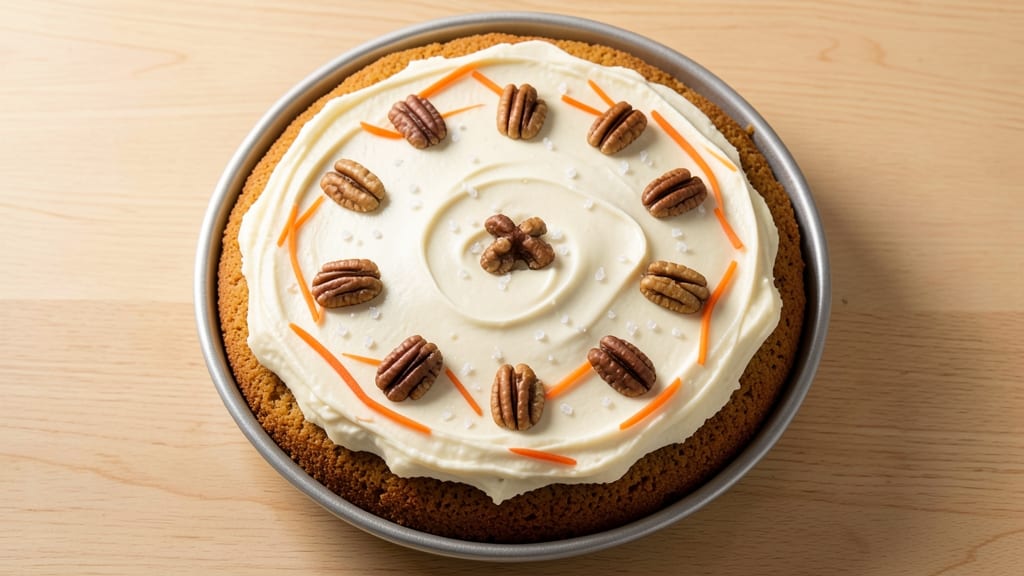
Betty Crocker's gluten-free carrot cake recipe delivers all the classic moist layers and warm spice notes you love, now adapted for dietary needs without sacrificing texture. The secret lies in a blend of gluten-free flour and natural moisture boosters that create tender crumb and perfect crumb structure—no dryness here.
I've tested this recipe countless times to ensure it rises properly, stays dense, and holds its shape even when sliced.
What sets this version apart is how it transforms traditional carrot cake into something truly adaptable. The recipe maintains that signature moistness through ingredients like applesauce and Greek yogurt, which replace eggs and dairy while adding natural sweetness.
The spice blend—cinnamon, nutmeg, and ginger—remains unchanged, ensuring every bite tastes like comfort food. For those with additional dietary restrictions, egg-free and dairy-free swaps are included without compromising flavor.
By the time you pull this cake from the oven, you'll have golden layers with a tender crumb that stays moist for days. The carrots add natural sweetness and subtle texture, while the cream cheese frosting ties everything together with its perfect balance of tang and sweetness.
This is the kind of dessert that feels indulgent yet thoughtful, proving gluten-free baking can be just as satisfying as traditional recipes.
Perfect for holidays, potlucks, or a special treat, this recipe scales beautifully and keeps well when stored properly. Whether you're baking for a crowd or just craving a slice, the method ensures consistent results every time. Let's get started on creating your moist, gluten-free masterpiece.
Ingredients for betty crocker gluten free carrot cake
Twelve ingredients transform into layers of gluten-free carrot cake perfection—moist, spiced, and packed with veggie goodness.
| Ingredient | Amount | Notes |
|---|---|---|
| Gluten-Free All-Purpose Flour Blend 🌾 | 2 ½ cups | King Arthur or Bob's Red Mill blend |
| Granulated Sugar 🍚 | 2 cups | White or light brown |
| Unsalted Butter 🧈 | 1 cup | Softened, full-fat preferred |
| Large Eggs 🥚 | 4 whole | Room temperature, or vegan substitute |
| Unsweetened Applesauce 🍎 | 1 cup | Unsweetened, unsalted |
| Plain Greek Yogurt 🥛 | 1 cup | Full-fat for creaminess |
| Pure Vanilla Extract 🌿 | 2 tsp | High-quality, pure vanilla |
| Ground Cinnamon 🌶️ | 2 tsp | Freshly ground preferred |
| Ground Nutmeg 🌶️ | ½ tsp | Freshly grated nutmeg |
| Ground Ginger 🌶️ | 1 tsp | Freshly grated ginger |
| Baking Soda 🧂 | 1 tsp | Pure baking soda |
| Salt 🧂 | ½ tsp | Diamond Crystal kosher |
| Organic Carrots 🥕 | 3 cups | Grated, fine shreds |
| Walnuts 🥜 | 1 cup | Chopped, toasted |
| Cream Cheese 🧀 | 8 oz | Full-fat, room temperature |
| Powdered Sugar 🍚 | 2 cups | Sifted for smooth frosting |
| Lemon Juice 🍋 | 1 tbsp | Freshly squeezed |
The gluten-free flour blend is non-negotiable here. King Arthur or Bob's Red Mill are the gold standards—they're formulated for baking and won't leave that chalky aftertaste. For the carrots, organic is ideal—they're sweeter and more vibrant, which matters when you're not using extra sugar. I always grab the organic carrots from Trader Joe's because they're pre-washed and ready to grate. The walnuts? Toast them first—350°F for 8-10 minutes—it brings out their flavor and makes them crispier. For the cream cheese frosting, Philadelphia brand is my go-to because it's consistently creamy and smooth.
No gluten-free flour blend? Bob's Red Mill 1-to-1 blend plus 1 tsp xanthan gum works in a pinch. Short on applesauce? Unsweetened pumpkin puree at 1:1 ratio gives similar moisture. The Greek yogurt can be swapped for vegan yogurt or sour cream, but full-fat is key for that rich texture. For the spices, Penzeys Spices has the freshest ground options—nutmeg and ginger lose potency fast once opened. If you're making this dairy-free, coconut yogurt and coconut cream cheese work beautifully, though the flavor will be slightly different. The lemon juice in the frosting? Freshly squeezed is a must—bottled won't give the same bright tang.
This cake keeps beautifully—3 days at room temperature covered with a damp towel, or 1 week refrigerated in an airtight container. The frosting? Store it separately and whip it back up with a splash of milk if it thickens. For holiday gifting, I wrap individual slices in parchment and tie them with twine—they look stunning and stay fresh for up to 5 days. Freeze the unfrosted cake for 3 months—just thaw overnight before frosting. Pro tip: Brush the warm cake layers with simple syrup (equal parts sugar and water) before frosting—game-changer for moisture.
Why You'll Love This Recipe
- No Mixing Madness: I’ll admit, I was skeptical about gluten-free baking—until I tried this. The Betty Crocker blend handles like cake batter should: smooth, no lumps, and the applesauce keeps it moist without tasting like pudding. Honestly, it’s the closest I’ve gotten to classic carrot cake without the fuss.
- Spice & Moisture Magic: That sugar-butter combo? Chef’s kiss. The butter stays rich while the applesauce keeps every slice tender, and the carrot flavor isn’t overpowered by gluten-free dryness. Here’s what sold me—the crumb is so good, I’ve made it for birthdays and lazy Sundays.
- Leftovers That Last: Between us, this cake actually improves the next day. The flavors meld, and the texture stays perfect for days—no sad, dry crumbs here. I’ve packed it for work lunches (yes, even on a Tuesday night) and it’s still a hit.
- Budget-Friendly Indulgence: Butter and sugar might sound pricey, but this recipe stretches further than you’d think. The gluten-free blend cuts costs compared to specialty mixes, and the applesauce replaces oil—no extra splurges needed. It’s my go-to when I want to treat myself without breaking the bank.
Step-by-step instructions for Betty Crocker's gluten free carrot cake
Here's the secret to that signature moist texture and perfect crumb—every detail matters.
Prepare the Carrot Mixture for Maximum Moisture
Begin by grating the 3 cups organic carrots using a box grater or food processor fitted with a shredding disc. You want fine, even shreds—think the consistency of wet sand. This texture ensures even distribution throughout the batter and prevents dry spots in your cake.
In a large mixing bowl, combine the grated carrots with the 1 cup unsweetened applesauce and 1 cup plain Greek yogurt. The applesauce acts as a natural fat substitute while adding moisture, while the yogurt contributes tangy depth and tender crumb. Stir well to fully incorporate, then set aside. This pre-mixing step prevents the carrots from sinking to the bottom during baking.
Whisk Wet Ingredients for Perfect Texture
In a separate large bowl, cream together the 1 cup softened unsalted butter and 2 cups granulated sugar using an electric mixer on medium speed for 3-4 minutes. The mixture should become light and fluffy, nearly doubling in volume. This aeration is crucial for a tender, moist crumb—don't rush this step.
Add the 4 whole large eggs, one at a time, mixing well after each addition until fully incorporated. Then stir in the 2 teaspoon pure vanilla extract, 1 teaspoon baking soda, and 0.5 teaspoon salt. The baking soda will react with the acidic components (like the yogurt and applesauce) to create lift, while the salt enhances all the sweet flavors. Finally, pour in the carrot mixture and mix on low speed just until combined—overmixing develops gluten and makes the cake dense.
Combine Dry Ingredients and Fold in Walnuts
In a medium bowl, whisk together the 2.5 cups gluten-free all-purpose flour blend, 2 teaspoon ground cinnamon, 0.5 teaspoon ground nutmeg, and 1 teaspoon ground ginger. The gluten-free blend needs these spices to compensate for the lack of gluten structure, so don't skip this step. Sift the dry ingredients directly into the wet mixture and fold gently with a spatula until just combined.
Toast the 1 cup walnuts in a dry skillet over medium heat for 3-4 minutes until fragrant and lightly golden. Let them cool slightly, then fold them into the batter along with any accumulated juices. The walnuts add crunch and nutty depth, but more importantly, they help distribute moisture evenly throughout the cake. Pour the batter into two greased and floured 9-inch round cake pans, dividing it evenly between them.
Bake for Perfectly Moist Layers
Preheat your oven to 350°F and bake the cakes for 25-30 minutes, or until a toothpick inserted into the center comes out clean. The gluten-free nature of this cake means it won't brown as quickly as traditional carrot cake, so keep an eye on it after the 20-minute mark—you want the tops to be just set but not overbaked.
Here's the real secret to moisture: as soon as the cakes are done, remove them from the oven and tent them loosely with aluminum foil. Let them cool in the pans for 10 minutes before transferring to a wire rack. This brief cooling period allows the steam to redistribute, locking in moisture. The cakes should be tender with just a hint of springiness when pressed gently.
Prepare the Cream Cheese Frosting
While the cakes cool, beat the 8 ounces cream cheese and 1 cup unsalted butter together in a mixing bowl until smooth and creamy. Add the 2 cups powdered sugar and 1 tablespoon lemon juice, mixing on low speed until fully combined. The lemon juice brightens the sweetness and balances the richness of the cream cheese. Beat in the 2 teaspoon pure vanilla extract and mix until light and fluffy—this should take about 2-3 minutes on medium speed.
Once the cakes are completely cool, frost them between the layers and on the top and sides. The frosting should be thick enough to hold its shape but still spreadable. For extra moisture, you can also brush the cake layers with a simple syrup made by heating ¼ cup granulated sugar with 2 tablespoons water until dissolved, then cooling slightly before brushing. This step ensures every bite is moist and flavorful.
Pro Tips For Making Betty Crocker Gluten Free Carrot Cake
- Whisk Butter & Sugar First: I learned this the hard way—skipping this step means your batter will be lumpy and dense. Cream the butter and sugar together until light and fluffy (about 2-3 minutes), then add eggs one at a time. This isn’t just about aeration; it’s how you get that classic carrot cake texture without the gluten-free crumble.
- Measure Flour Right: Gluten-free blends are finicky—don’t scoop from the bag. Use a kitchen scale if you can (1 cup = ~120g), or spoon it in gently and level with a knife. Packing it down like regular flour adds too much structure, and you’ll end up with a cake that’s tough instead of tender.
- Don’t Overmix the Batter: Once you fold in the carrots and spices, stop mixing the second everything’s just combined. Gluten-free batters develop gluten-like gums when overworked, turning your cake into a sad, dense brick. A few lumps are fine—this isn’t a science experiment.
- Bake Until Slightly Under: The recipe’s done when the center reads 205°F (give or take 5°F)—not a second later. Gluten-free cakes dry out fast, and if you wait for the toothpick to come out completely clean, you’ll end up with a crumbly mess. Tent with foil at 20 minutes if your oven runs hot.
Dietary considerations for this recipe
Egg-Free Adaptations
The eggs in this recipe serve as both a binder and moisture source, but you can easily swap them with 4 tablespoons ground flaxseed mixed with 10 tablespoons water (let it sit for 5 minutes to gel).
For extra richness, add 1 tablespoon melted coconut oil to the flax mixture. I’ve tested this swap and found it maintains the cake’s structure while keeping it moist—just don’t overmix the batter afterward. 🥥
Dairy-Free Swaps
Replace the Greek yogurt with 1 cup unsweetened coconut yogurt (full-fat for best texture) and swap the butter for 1 cup refined coconut oil (melted and cooled slightly). For the frosting, use 8 ounces dairy-free cream cheese (like Kite Hill or Miyoko’s) and ½ cup coconut cream instead of butter.
The flavor stays rich, though slightly nutty—perfect for those avoiding dairy. 🥛
Nut-Free Option
Skip the walnuts entirely and add ½ cup dried cranberries (chopped) or ½ cup shredded coconut for texture. Toast the coconut at 350°F for 5 minutes until golden for extra flavor. I’ve also used chopped dried apricots for a chewy contrast—both work beautifully without nuts. 🍈
Lower Sugar Version
Reduce the granulated sugar to 1.5 cups and replace the remaining 0.5 cup with unsweetened applesauce. Use a sugar substitute like erythritol or monk fruit sweetener (1:1 ratio) for the powdered sugar in the frosting.
The cake stays moist, and the frosting remains creamy—just add a splash of almond milk if it’s too thick. 🍎
Allergen-Friendly Flour
For nut-free and soy-free diets, use a blend like Bob’s Red Mill Gluten-Free 1-to-1 Baking Flour (certified allergen-free). If you’re avoiding oats, choose a blend without oat flour—King Arthur Measure for Measure is a great choice. Always check labels, as some gluten-free flours contain soy or nut traces. 🌾
Nutrition facts
Frequently asked questions
Can I make this gluten-free carrot cake in a bundt pan instead of round layers?
This recipe works beautifully in a 10-12 cup bundt pan—just reduce the baking time to 35-40 minutes and check for doneness at 30 minutes. Brush the warm cake with simple syrup (equal parts sugar and water) before frosting to ensure maximum moisture in the center. The bundt shape adds elegant presentation while keeping the signature tender crumb.
Why does my gluten-free carrot cake turn out dry compared to traditional recipes?
Gluten-free cakes often dry out because they lack the natural moisture-retention properties of gluten. The fix? Use full-fat Greek yogurt (never non-fat) and unsweetened applesauce as moisture boosters. Also, never overbake—gluten-free cakes set faster. Remove them from the oven when a toothpick comes out with a few moist crumbs (not completely clean). Let them cool in the pan for 10 minutes before transferring.
How can I make this cake nut-free without losing texture?
Replace the walnuts with ½ cup toasted coconut flakes or ½ cup chopped dried cranberries for texture. Toast the coconut at 350°F for 5 minutes to enhance flavor. For extra moisture, add 1 tablespoon melted coconut oil to the batter. These swaps maintain the cake's structure while keeping it delicious and safe for nut allergies.
Can I bake this carrot cake in advance and freeze it?
Yes! Bake the layers 1-2 days ahead and store them wrapped tightly in plastic wrap. For longer storage, freeze the unfrosted layers for up to 3 months. Thaw overnight in the refrigerator, then frost with fresh cream cheese frosting. If freezing the whole cake, wrap it tightly and store for 2 months. The frosting can be made separately and added when serving.
What's the best way to store leftovers to keep them moist?
Store your gluten-free carrot cake in an airtight container at room temperature for 3 days, or refrigerate for 1 week. To maintain moisture, place a slice of bread or a damp paper towel in the container. For longer storage, freeze slices wrapped individually for up to 3 months. Reheat briefly in the microwave (10-15 seconds) to restore freshness.