
Desserts
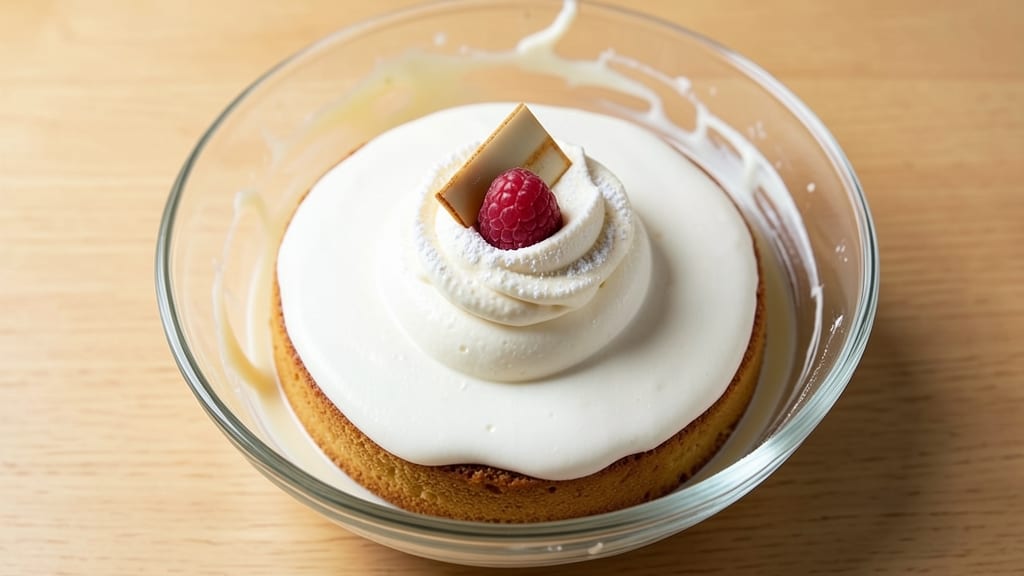
Transforming a standard Betty Crocker white cake mix into a super moist, restaurant-quality dessert requires just a few strategic upgrades—no fancy techniques needed. This one-bowl method focuses on hydration and texture secrets that turn boxed cake into something truly special.
The key lies in precise ingredient ratios and gentle mixing to preserve air pockets, ensuring every slice stays tender and fluffy.
What sets this recipe apart is the science behind moisture retention: we incorporate extra liquid (milk instead of water) and a touch of oil to create a velvety crumb.
The recipe maintains the simplicity of boxed cake while elevating it to foolproof perfection—no overmixing, no guessing, just consistently delicious results every time. Baking time remains standard, but the internal technique makes all the difference.
By following these steps, you’ll achieve a cake with a light, airy texture that stays moist for days, even without frosting. The secret weapon is patience in the mixing process, which prevents dense layers and ensures that signature fluffiness.
Whether serving for a celebration or a simple dessert, this method delivers professional-quality results with minimal effort.
The same approach works for other Betty Crocker cake mixes, making it a versatile technique for any occasion. Let’s get started with the step-by-step instructions that will change how you use boxed cake forever.
Ingredients for betty crocker super moist white cake mix
Transform your standard boxed mix into a velvety masterpiece using these precision ingredients.
| Ingredient | Amount | Notes |
|---|---|---|
| Betty Crocker Super Moist White Cake Mix 🍰 | 1 box | Unopened box for best flavor |
| Whole Milk 🥛 | 1 cup | Room temperature preferred |
| Vegetable Oil 🫒 | ½ cup | Light or canola preferred |
| Large Eggs 🥚 | 2 whole | Room temperature for best mixing |
| Unsalted Butter 🧈 | ¼ cup | Melted, full-fat preferred |
| Granulated Sugar 🍚 | ¼ cup | Extra for moisture retention |
| Vanilla Extract 🌸 | 1 tbsp | Pure, high-quality preferred |
| Diamond Crystal Kosher Salt 🧂 | ½ tsp | Fine grain preferred |
| Baking Powder 🍞 | ½ tsp | Aluminum-free preferred |
| Pure Vanilla Bean Seeds 🌿 | ¼ tsp | Scraped from one pod |
| Water 💧 | ¼ cup | Warm for better dissolution |
The cake mix forms the foundation, but Betty Crocker's Super Moist variety is ideal—it contains more fat and moisture than basic mixes. Whole milk is non-negotiable here; its protein content creates a denser crumb structure that retains moisture better than water or skim milk. For the oil, light or canola works best due to their neutral flavor profiles, though vegetable oil is perfectly acceptable. Eggs should be room temperature to emulsify smoothly with the oil, preventing lumps that could disrupt the cake's delicate air pockets. The unsalted butter adds richness and helps create that signature tender crumb—never skip the full-fat version, as reduced-fat alternatives compromise texture.
No whole milk? Evaporated milk at half the amount works in a pinch, though the texture will be slightly less tender. Substituting vegetable oil for butter? Use an additional 0.25 cup of oil to compensate for the missing fat content. For vanilla, imitation extractvanilla bean seeds add depth without overpowering, but if unavailable, an extra 0.5 tbsp of extract suffices. Diamond Crystal kosher salt is preferred here because its larger crystals dissolve more evenly than table salt, preventing flavor hotspots. Baking powder should be aluminum-free to avoid any metallic tang in the final product.
Store any leftovers in an airtight container at room temperature for up to 3 days, though this cake stays moist for 5-7 days when properly sealed. For longer storage, wrap tightly in plastic wrap and freeze for up to 3 months. The cake reheats beautifully—wrap slices in a damp paper towel and microwave for 15-20 seconds to restore freshness. The extra sugar in the mix means it browns quickly, so avoid overbaking. For best results, bake immediately after mixing, as the batter begins to set within 30 minutes of preparation.
Why You'll Love This Recipe
- I’ll be real: this recipe saves me money and stress. The ingredients are pantry staples, and the leftovers? They last. Slice it for lunch the next day, or freeze half for a last-minute dessert. Plus, the frosting’s so good, you won’t need fancy toppings—just a sprinkle of powdered sugar does the trick.
- Mix-In Minutes: The box says 25 minutes, but I’m usually done in 20—no fancy techniques, just dump, stir, bake. Whole milk and oil make it ridiculously tender, and the butter in the frosting? That’s the magic touch that feels like a hug for your taste buds.
- Buttercream Bliss: Honestly, this isn’t just cake—it’s a flavor party. The mix handles the base work, so you can focus on the frosting: creamy, rich, and just sweet enough. The eggs and butter in the recipe keep it from tasting dry or boxy, even when you’re not a baking pro.
- Birthday to Brunch: Between us, this is my go-to for anything. Sheet cake for a 5th birthday? Check. Mini loaves for office snacks? Done. Even a quick breakfast cake with fruit on top—it’s that unfussy. The mix scales perfectly, so you’re never stuck with a half-eaten monstrosity.
Step-by-step instructions for Betty Crocker super moist white cake mix
This one-bowl method guarantees tender crumb and perfect moisture every time.
Prepare Wet Ingredients for Optimal Texture
In a large mixing bowl, combine the 1 cup whole milk, 0.5 cup vegetable oil, 2 whole large eggs, 0.25 cup unsalted butter, 0.25 cup granulated sugar, and 1 tablespoon vanilla extract. Whisk vigorously for 2-3 minutes until the mixture becomes smooth and fully emulsified. The sugar should dissolve completely and the oil should be completely incorporated, creating a homogeneous batter.
This step is critical for moisture retention. The melted butter and oil create a fat barrier that prevents the cake from drying out, while the sugar helps retain moisture through its hygroscopic properties. If you notice any separation, whisk more vigorously to restore the emulsion.
Incorporate Dry Ingredients with Precision
In a separate small bowl, sift together the 1 box Betty Crocker Super Moist White Cake Mix, 0.5 teaspoon diamond crystal kosher salt, 0.5 teaspoon baking powder, and 0.25 teaspoon pure vanilla bean seeds. This ensures even distribution of the leavening agents and prevents lumps in the final batter.
With the mixer on low speed, gradually add the dry ingredients to the wet mixture. Mix just until combined—about 15-20 seconds—being careful not to overmix. Overmixing develops gluten, which can result in a dense, tough cake. The batter should be smooth with no visible flour streaks, but still slightly thick in consistency.
Add Water and Final Adjustments
Pour in the 0.25 cup warm water while mixing on low speed. The water helps activate the baking powder and ensures proper hydration of the mix. Continue mixing for an additional 10-15 seconds until the batter is completely uniform. At this point, the batter should be thick but pourable—similar to heavy cream in consistency.
Here's the thing—this is where the magic happens for that signature moist texture. The combination of warm water and proper mixing ensures the cake batter holds onto moisture during baking, preventing that dry, crumbly texture many boxed cakes develop. If the batter appears too thick, add 1 tablespoon additional water to improve flow.
Bake with Precision for Perfect Results
Preheat your oven to 350°F and grease two 9-inch round cake pans thoroughly with vegetable oil or butter. Pour the batter evenly into the prepared pans, dividing it equally between them. Tap the pans gently on the counter to remove any air bubbles that may have formed during mixing.
Bake for 25-30 minutes or until a toothpick inserted into the center comes out clean. The cake should be golden on top but still slightly springy to the touch. This is the moment that matters: removing it too early results in a gummy center, while overbaking dries out the moisture we worked so hard to preserve. Your oven might run hot, so start checking at the 20-minute mark if you're unsure.
Cool and Serve for Maximum Moisture Retention
Remove the cakes from the oven and let them cool in the pans for 10 minutes. Then transfer them to a wire rack to cool completely. This gradual cooling process helps the cake set properly while maintaining its moisture. Real talk: trying to serve it warm from the pan will cause the moisture to escape and potentially make the cake dense.
Once completely cooled, you can frost with your choice of buttercream or whipped cream. The cake's tender crumb and perfect moisture will make it the star of any dessert table. If storing, keep wrapped in plastic wrap at room temperature for up to 3 days, or refrigerate for up to 5 days—though I doubt it will last that long with how delicious it is.
Pro Tips For Making Betty Crocker Super Moist White Cake Mix
- Melt the Butter First: I used to toss cold butter straight into the mix, and the cake always turned out dense. Instead, melt the butter first—just until it’s smooth, not hot—and let it cool slightly before mixing. This keeps the batter light and prevents a greasy texture.
- Whisk Eggs Before Adding: Crack those eggs into a separate bowl and whisk them until the yolks and whites are fully combined. Skipping this step means uneven distribution, and your cake might end up with pockets of raw egg or a slightly rubbery bite.
- Measure Milk Precisely: The box says “1 cup milk,” but don’t eyeball it—use a proper measuring cup. Too little, and the batter gets thick and dry; too much, and it turns gummy. Whole milk works best, but if you’re in a pinch, add 1 tablespoon of melted butter to 2% milk for richness.
- Grease Pans And Dust: Slather the pans with oil or butter, then dust them with flour—tap out the excess so it’s not a flour storm. This keeps the cake from sticking, especially if you’re baking in a hot kitchen. (I learned this after wrestling a cake out of the pan like a stubborn fish.)
Common mistakes when making this recipe
Overmixing the Batter
This is the #1 mistake that turns fluffy cake into dense brick. When you mix the batter beyond 20-30 seconds after all ingredients are combined, you activate the gluten in the flour, creating tough strands that ruin the tender crumb.
I’ve seen home bakers mix for full minutes thinking more mixing equals better results—wrong! The goal is a smooth, lump-free batter, not a thick pancake batter. Use a hand mixer on low speed and stop as soon as the dry ingredients disappear. 🔥
Skipping Room-Temp Ingredients
Cold eggs or dairy create pockets of condensation in your batter, leading to uneven baking and potential sinking. Always use room-temperature whole milk, eggs, and butter—they blend smoothly and create consistent air pockets.
Pro tip: Let eggs sit in warm water for 5 minutes if they’re straight from the fridge. Cold ingredients also cause the batter to separate, requiring extra mixing that defeats our moisture goals.
Incorrect Pan Preparation
Greasing pans with just butter leaves sticky residue that can cause the cake to tear when removing. Use a mix of vegetable oil + flour (lightly dust the greased pan) for even release. I’ve seen cakes crack or stick because pans weren’t prepped properly.
For extra insurance, line pans with parchment paper circles cut to fit—this guarantees clean edges every time. Never skip this step, even with nonstick pans.
Overbaking for "Done" Look
Cakes finish cooking as they cool, so pulling them too early leaves a gummy center, while overbaking dries out the moisture we worked so hard to preserve. The toothpick test is foolproof: insert it into the center—if moist crumbs cling but no wet batter remains, it’s done.
Most boxed cakes bake 25-30 minutes at 350°F, but your oven might run hot. Start checking at 20 minutes if unsure. A cake that’s slightly underbaked will still set as it cools.
Ignoring the Cooling Phase
Rushing to frost or slice warm cake causes moisture to escape through the top, leaving you with a dry, crumbly texture. Always let cakes cool 10 minutes in pans then transfer to a wire rack for complete cooling. This gradual process allows steam to escape evenly, locking in moisture.
I’ve seen cakes collapse or develop a tough crust when cut too soon—patience here makes all the difference. For layer cakes, level the tops while still slightly warm for cleaner frosting.
Using Wrong Liquid Substitutes
Water or skim milk can’t replicate whole milk’s protein and fat content, which are crucial for moisture retention. If you must substitute, use evaporated milk (half the amount) or Greek yogurt (¾ cup) for richness.
I’ve tried water in a pinch and ended up with a cake that dried out within 24 hours. The extra fat in whole milk creates a denser crumb that holds onto moisture longer. Never compromise on this—it’s the secret to that signature "super moist" texture. 💫
Nutrition facts
Frequently asked questions
Why does this recipe use whole milk instead of water?
The extra fat and protein in whole milk create a denser crumb that locks in moisture better than water or skim milk. This is the secret behind that signature "super moist" texture that stays tender for days. The fat content also helps prevent dryness during baking.
Can I make this cake in a single 9x13-inch pan instead of two 9-inch rounds?
Yes, but reduce the baking time to 20-25 minutes—the larger surface area cooks faster. Grease the pan thoroughly and check for doneness at 18 minutes since the center may bake unevenly. For best results, use parchment paper to prevent sticking.
What's the best way to tell if the cake is fully baked?
Insert a toothpick into the center—it should come out with moist crumbs but no wet batter. The cake should also spring back slightly when gently pressed. Overbaking dries out the moisture we worked to preserve, so trust the toothpick test over appearance.
How do I store leftovers to keep them moist?
Wrap tightly in plastic wrap or store in an airtight container at room temperature for up to 3 days. For longer storage, freeze slices wrapped individually—they'll stay fresh for 3 months. Reheat wrapped in a damp paper towel for 15 seconds to restore freshness.
Can I substitute Greek yogurt for the milk?
Yes, but use ¾ cup instead of 1 cup—Greek yogurt adds protein and fat that enhance moisture retention. For best results, let it sit at room temperature for 15 minutes before mixing to prevent lumps. The texture will be slightly denser but still delicious.