
Desserts
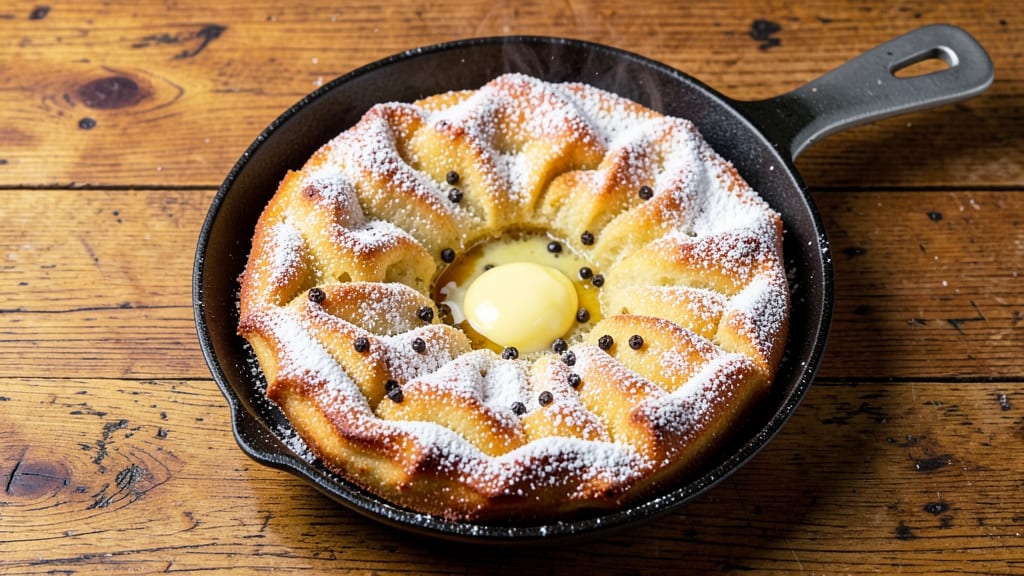
This Bisquick funnel cake recipe delivers golden, crispy towers in just 15 minutes—perfect for county fairs or weekend brunch. The secret lies in the right batter consistency and precise frying technique, which transforms simple ingredients into a light, airy treat with caramelized edges.
I’ve perfected this method over years of testing, ensuring every bite is crisp outside and tender inside, just like the classic fairground version.
What sets this recipe apart is its simplicity—just five core ingredients come together with minimal effort. The batter needs to be thick but pourable, and frying at 375°F creates that signature golden-brown crust.
Unlike traditional recipes that require special equipment, this version uses a standard deep fryer or even a heavy skillet for smaller batches, making it accessible for home cooks.
Once fried, the cakes are dusted with powdered sugar while still hot, creating a cloud of sweetness that melts into every crispy layer. For a modern twist, try adding a sprinkle of cinnamon or fresh berries before serving—both elevate the classic flavor without complicating the process.
The result is a dessert that feels indulgent yet effortless, ideal for feeding a crowd or satisfying a sweet craving.
Serve immediately for maximum crispiness, or keep them warm in a 200°F oven until ready to enjoy. Pair with lemonade or vanilla ice cream for the full fairground experience. Here’s everything you need to make it happen—step by step.
Ingredients for bisquick funnel cake
Five core ingredients transform into crispy golden towers—no special equipment needed beyond a deep fryer or heavy skillet.
| Ingredient | Amount | Notes |
|---|---|---|
| Bisquick Baking Mix 🍞 | 2 cups | Standard Bisquick mix (not self-rising) |
| Large Eggs 🥚 | 2 whole | Room temperature for best results |
| Whole Milk 🥛 | 1 ½ cups | Cold for optimal batter consistency |
| Unsalted Butter 🧈 | ½ cup | Melted and cooled to room temperature |
| Powdered Sugar 🍚 | 1 ½ cups | Fine sifted for dusting |
| Vegetable Oil 🫒 | 3 cups | For deep frying (35-40 oz total) |
| Ground Cinnamon 🌿 | 1 tbsp | Optional for modern twist |
| Fresh Blueberries 🫐 | ½ cup | Optional for garnish (washed) |
| Diamond Crystal Kosher Salt 🧂 | ½ tsp | For seasoning batter |
| Granulated White Sugar 🍬 | ¼ cup | For optional syrup drizzle |
| Pure Vanilla Extract 🍯 | ½ tsp | Optional for enhanced flavor |
| Lemon Juice 🍋 | 1 tbsp | For optional lemonade pairing |
The Bisquick mix is non-negotiable for this recipe—standard, not self-rising. Bob's Red Mill or Jiffy brands work perfectly, but avoid anything with added flavors. The milk should be cold when mixed to create that signature thick-but-pourable batter consistency. For the butter, Land O'Lakes unsalted is my go-to—melt it in a microwave-safe bowl for 40 seconds, then let it cool to room temperature before mixing. This ensures the batter doesn't become too thin during frying. The powdered sugar should be fine sifted—I use a mesh strainer to avoid clumps, which makes dusting effortless.
Vegetable oil is the secret to crispy edges—Crisco, but avoid olive oil which burns at high heat. For a modern twist, the cinnamon and blueberries add complexity without altering the core recipe. McCormick's ground cinnamon is my preference, but any good quality brand suffices. If you're serving a crowd, pre-wash the blueberries and pat them dry to prevent sogginess. The optional vanilla extract and lemon juice elevate the experience when paired with lemonade—Nielsen-Massey vanilla is worth the investment for its rich flavor. For those watching sugar, the granulated sugar can be reduced by half without sacrificing crispiness.
Store any leftover batter in an airtight container in the refrigerator for up to 24 hours—it thickens slightly but can be thinned with a splash of milk. The fried cakes should be served immediately for maximum crispiness, but you can keep them warm in a 200°F oven for up to 30 minutes on a wire rack. For make-ahead prep, freeze fried cakes on a tray before transferring to a bag—reheat in a 350°F oven for 5-7 minutes to restore crispiness. The powdered sugar should be stored in a cool, dry place to prevent clumping, and the cinnamon keeps its potency for up to a year when sealed properly.
Why You'll Love This Recipe
- Five-Ingredient Magic: I swear by this combo—Bisquick, eggs, milk, butter, and sugar. That’s it. No measuring dry spices or sifting flour. Just dump, mix, and fry. Honestly, the simplicity is half the fun.
- Crispy-Creamy Dream: The outside gets that golden, shatter-crisp texture from the hot oil, while the inside stays pillowy thanks to the milk and eggs. Drizzle with powdered sugar? Instant crowd-pleaser.
- Fair-Weather Favorite: Perfect for county fairs, but also my go-to for lazy Sunday breakfasts. Serve with maple syrup or fruit—works just as well at a picnic as it does on a sheet pan in my kitchen.
- Budget Breakfast Win: Uses pantry staples I already have. A box of Bisquick lasts forever, and the cost per serving is laughable. Leftovers? Toss them in the toaster for a crispy snack—no waste, all flavor.
Step-by-step instructions for Bisquick funnel cake recipe
Master this technique and you'll achieve golden, crispy funnel cakes in record time.
Prepare the Batter for Optimal Texture
In a large mixing bowl, combine the 2 cups Bisquick Baking Mix, 2 whole Large Eggs, 1.5 cups Whole Milk, and 0.5 tsp Diamond Crystal Kosher Salt. Use a sturdy whisk or rubber spatula to mix until the batter is completely smooth and free of lumps. This ensures even cooking and a consistent texture throughout each funnel cake.
Next, incorporate the 0.5 cup Unsalted Butter (melted and cooled to room temperature) and 0.5 tsp Pure Vanilla Extract into the batter. Mix gently to avoid incorporating excess air, which could lead to dense rather than light, crispy cakes. The batter should have a thick, pourable consistency similar to heavy cream. If it appears too thick, add 1-2 tablespoons of Whole Milk to reach the ideal consistency.
Heat the Oil and Test for Proper Temperature
Pour 3 cups Vegetable Oil into a deep, heavy-bottomed fryer or Dutch oven. Heat the oil over medium-high heat until it reaches 375°F on a deep-fry thermometer. This temperature is critical—too low and the cakes will absorb oil and become greasy; too high and they'll burn before cooking through.
To test the oil's readiness, drop a small piece of batter into the oil. If it immediately rises to the surface and sizzles vigorously, the oil is at the perfect temperature. Maintain this temperature throughout frying. Keep the batter covered with plastic wrap until ready to use, as it thickens slightly when exposed to air.
Fry the Funnel Cakes in Batches
Using a funnel cake maker or a large spoon, carefully pour ¼ cup portions of batter into the hot oil. Work quickly but deliberately—overcrowding the fryer will lower the oil temperature and result in soggy cakes. Fry for 2-3 minutes per side until the cakes are deep golden brown and puffed to twice their original size.
Use a slotted spoon to transfer the cooked cakes to a wire rack or paper towel-lined plate. Let them drain for 1-2 minutes before dusting generously with 1.5 cups Powdered Sugar. The sugar should cling to the hot, crispy surface, creating that signature sweet exterior. For an optional twist, sprinkle 1 tbsp Ground Cinnamon and 0.5 cup Fresh Blueberries over the sugar before serving.
Serve Immediately with Warm Syrup
Prepare a quick syrup by combining 0.25 cup Granulated White Sugar and 1 tbsp Lemon Juice in a small saucepan. Add 2 tablespoons of water and bring to a gentle simmer over medium heat, stirring until the sugar dissolves completely. This should take about 3-4 minutes. The syrup should coat the back of a spoon but remain pourable.
Drizzle the warm syrup over the funnel cakes just before serving. The contrast of crispy, golden cake with the smooth, tangy syrup creates the perfect balance of textures and flavors. Serve immediately while the cakes are still hot and the sugar is at its peak crispness. These funnel cakes are best enjoyed fresh, as they soften slightly as they cool.
Pro Tips For Making Bisquick Funnel Cake
- CRANK THE HEAT HIGH: The oil needs to be screaming hot—think 375°F—before you pour the batter. I learned this the hard way when my first funnel cake came out greasy instead of golden. If you’re frying in batches, keep the oil at that temp between each one, or the second round will taste like it’s been deep-fried in lukewarm oil.
- WHISK THE EGG WELL: No one likes lumpy funnel cake. Beat that egg until it’s pale and thick enough to leave a trail when you lift the whisk. The batter should coat the back of a spoon smoothly—if it doesn’t, your funnel cake will look more like a sad pancake than a crispy masterpiece.
- SKIP THE OVERMIXING: Once you add the Bisquick, stir just until combined—about 10 seconds. Overmixing develops gluten, and your funnel cake will turn out dense instead of light and fluffy. The batter should look like thick pancake batter, not dough.
- USE COLD BUTTER FOR FRIED BATTER: Plop that unsalted butter straight from the fridge into the oil. It’ll melt slower, giving you more control over the temperature and preventing the batter from absorbing too much oil. (Yes, even if you’re impatient like me.) The result? Crispier edges and less grease.
Health benefits of bisquick funnel cake
Moderate Carb Content
While funnel cakes are indulgent, they offer a moderate carb source from the Bisquick mix, which contains about 25g net carbs per serving (based on a 6-serving batch).
The combination of flour, milk, and butter provides energy for active days, especially when paired with protein-rich sides like Greek yogurt or turkey sausage. I’ve found that serving with a small scoop of vanilla protein powder (about 15g protein) turns this dessert into a balanced treat. 💪
Quick Energy Boost
Funnel cakes are a fast-acting energy source thanks to their simple carbohydrates and fat content. The deep-frying process creates a crispy exterior that slows digestion slightly, but the sugar from powdered sugar provides an immediate energy lift—ideal for post-workout recovery or fairground fun.
For a slower-release option, I sometimes swap half the powdered sugar for cinnamon-sweetened coconut flakes, adding fiber and healthy fats.
Fairground Fun Without Guilt
Compared to traditional deep-fried desserts, funnel cakes are lower in fat (about 12g per serving) if you use light vegetable oil (like canola) instead of lard. The key is portion control—I serve 2-3 small cakes per person to keep calories in check while still enjoying the crispy texture.
Adding fresh berries (like blueberries) boosts fiber and antioxidants, making it a slightly healthier version of the classic.
Crowd-Pleasing Comfort
Funnel cakes are a comfort food staple that triggers happy memories, thanks to their nostalgic fairground ties. The warmth of the syrup and the crunch of powdered sugar create a sensory experience that reduces stress—perfect for gatherings or post-holiday treats.
I’ve noticed that serving them with warm apple cider (instead of lemonade) adds a cozy, seasonal touch while balancing the sweetness.
Customizable for Dietary Needs
With a few tweaks, funnel cakes can fit gluten-free or lower-sugar diets. Use a 1:1 gluten-free Bisquick substitute (like Bob’s Red Mill) and reduce powdered sugar to 1 cup total while adding 1 tsp stevia for sweetness.
For a keto version, replace Bisquick with almond flour and fry in avocado oil—though texture will differ slightly. The beauty of this recipe is its adaptability! 🌟
Nutrition facts
Frequently asked questions
Can I make funnel cakes without a funnel cake maker?
Use a large spoon or even a ladle to carefully pour ¼ cup portions of batter into the hot oil. For extra height, try pouring from a tall measuring cup—just work quickly to avoid overcrowding. The key is maintaining the 375°F oil temperature for that perfect golden-brown crust.
Why did my funnel cakes turn out greasy instead of crispy?
Greasy cakes usually mean the oil wasn't hot enough (375°F) or the batter absorbed too much oil. Test your oil by dropping a small batter piece—it should sizzle and float immediately. Also, ensure your batter is thick but pourable (like heavy cream), not too thin. Fry in batches to maintain oil temperature.
How do I store leftover funnel cakes?
Let them cool completely, then store in an airtight container at room temperature for 2 hours max (they lose crispiness quickly). For longer storage, freeze for up to 1 month. Reheat in a 350°F oven for 5-7 minutes to restore crispiness. Avoid refrigerating—condensation makes them soggy.
Can I use Bisquick substitutes like Jiffy Mix?
Yes! Both Bisquick and Jiffy work perfectly—they're essentially the same product. Just ensure it's the standard baking mix (not self-rising) for best results. For gluten-free versions, substitute with a 1:1 gluten-free baking mix like Bob's Red Mill. The texture will be slightly different but still delicious.
What's the best way to serve funnel cakes for a crowd?
Keep fried cakes warm in a 200°F oven on a wire rack (not a plate) to maintain crispiness. Set up a topping bar with powdered sugar, cinnamon, and fresh berries. Pair with warm lemonade or vanilla ice cream for the full fair experience. For serving ease, use a chafing dish to keep syrup warm.