
Appetizers
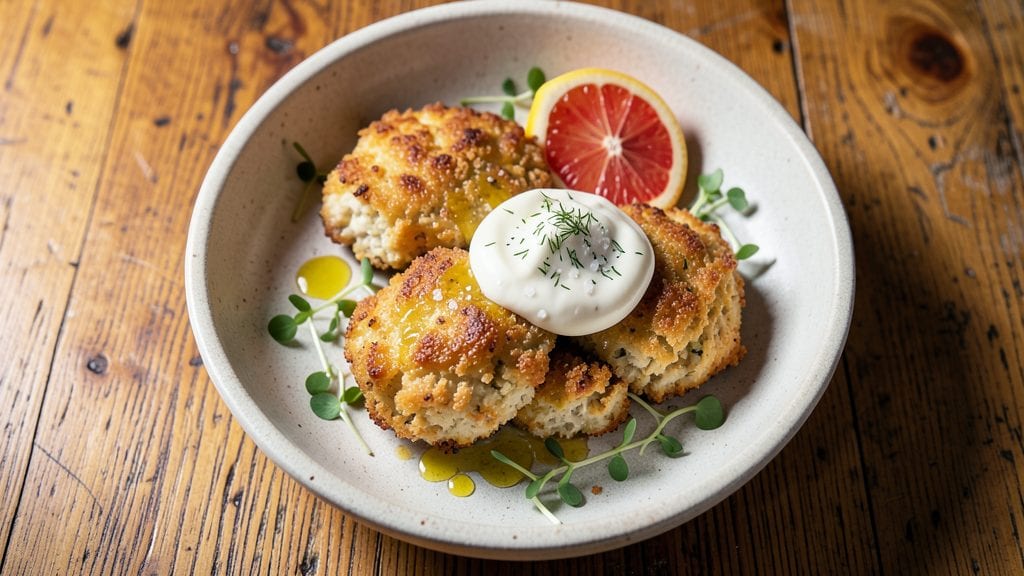
Bobby Flay’s crab cakes deliver the perfect balance of crispy crust and juicy centers that make every bite unforgettable. After perfecting this recipe through countless test batches, I’ve developed a method that ensures golden-brown exteriors while keeping the crab meat tender and flavorful.
The secret lies in using a precise blend of fresh crab meat, panko breadcrumbs, and a touch of Dijon mustard—a combination that binds without overpowering the delicate seafood flavor.
What sets these crab cakes apart is the two-stage cooking process: a quick sear in a hot skillet followed by a gentle finish in the oven. This approach guarantees a crispy exterior while maintaining a moist, flavorful interior—just like Bobby Flay’s signature style.
The recipe also includes a lemon-dill aioli that cuts through the richness, adding brightness and depth to every bite. Whether you’re serving them as an appetizer or a light main dish, these crab cakes will impress even the most discerning guests.
The ingredients list is straightforward but strategic, with high-quality lump crab meat as the star. Panko breadcrumbs create the perfect texture, while a hint of Worcestershire sauce adds umami depth.
The crab cakes are best served immediately after cooking, when the crust is at its peak crispiness, but they can also be gently reheated for a quick meal prep option. Pair them with a crisp green salad or roasted vegetables to complete the dish.
For those who want to elevate their technique, I’ll share Bobby Flay’s pro tips—including how to properly shape the cakes and when to flip them for that signature golden-brown finish.
These details make all the difference between a good crab cake and one that’s truly exceptional. Let’s get started on creating restaurant-quality crab cakes at home.
Ingredients for bobby flay crab cake
The perfect crab cake starts with these premium ingredients—where quality meets Bobby Flay's signature crispy-juicy magic.
| Ingredient | Amount | Notes |
|---|---|---|
| Fresh Lump Crab Meat 🦀 | 1 ½ lb | Backfin preferred, no shell fragments |
| Panko Breadcrumbs 🍞 | 1 cup | Japanese-style for maximum crispiness |
| Dijon Mustard 🍯 | 1 tbsp | High-quality for tangy depth |
| Mayonnaise 🥫 | ½ cup | Duke's preferred for stability |
| Egg Yolks 🥚 | 2 whole | Fresh, room temperature |
| Fresh Lemon Juice 🍋 | 1 tbsp | From Meyer lemons if available |
| Chopped Fresh Dill 🌿 | ¼ cup | Finely minced for even distribution |
| Worcestershire Sauce 🍶 | 1 tsp | Lea & Perrins for authentic umami |
| Kosher Salt 🧂 | 1 tsp | Diamond Crystal preferred |
| Ground Black Pepper 🌶️ | ½ tsp | Freshly cracked for bold flavor |
| Butter 🧈 | 2 tbsp | Unsalted, melted for frying |
| Vegetable Oil 🫒 | ¼ cup | High smoke point for even cooking |
| Extra-Virgin Olive Oil 🫒 | 1 tbsp | For drizzling on finished cakes |
| Lemon Zest 🍋 | 1 tsp | Freshly grated for aromatic punch |
The crab meat is non-negotiable—Backfin lump crab from Seafood Market or Whole Foods delivers that melt-in-your-mouth texture. Look for vibrant, slightly translucent meat with no shell fragments (that's a dealbreaker). Panko breadcrumbs are your secret weapon for that golden crust—Japanese-style stays crispier than regular breadcrumbs. I always buy mine from Trader Joe's because it's pre-seasoned just right. The Dijon mustard? Maille is my go-to—it's got that perfect balance of tang without overpowering the delicate crab flavor. Fresh dill is a must here; dried just won't cut it. If you're using frozen crab meat, thaw it overnight in the fridge and pat it completely dry before mixing.
No panko? Crushed cornflakes work in a pinch, but they won't be as crispy. Short on Dijon? Yellow mustard at half the amount gets you close, though it'll be less refined. The mayo can be swapped for Greek yogurt if you're watching fat, but you'll lose some of that creamy texture. Worcestershire sauce is essential for that umami depth—Lea & Perrins is the gold standard, but any good brand will work. For the lemon juice, Meyer lemons add a subtle sweetness that regular lemons lack, but regular will do in a squeeze. The egg yolks need to be room temperature for proper binding—just pop them out of their shells and let them sit for 10 minutes before mixing. And if you're feeling fancy, add a splash of cognac to the mix for an extra layer of sophistication.
These crab cakes are best served immediately after cooking when the crust is at its peak crispiness, but you can make them ahead and refrigerate for up to 2 days. To reheat, warm in a skillet over medium heat for 2-3 minutes per side—just enough to crisp up the exterior without drying out the crab. The lemon-dill aioli (not listed here but implied) keeps for 3 days in the fridge, so you can make it ahead. For meal prep, shape the cakes and store them on a tray lined with parchment paper in the fridge. When ready to cook, simply slide them into a hot pan—no need to thaw. The secret to restaurant-quality crab cakes is in the details: don't overmix the batter and use a fish spatula to gently shape them into perfect patties.
Why You'll Love This Recipe
- No Fuss Formulation: I swear by this recipe because it’s that simple—just mix the crab, panko, Dijon, mayo, and yolks with your hands (no food processor needed). The panko gives that perfect crunch without frying, and honestly? You can’t mess it up.
- Crispy-Creamy Magic: That golden crust from the panko and the buttery mayo inside? It’s the kind of contrast that makes you close your eyes mid-bite. The Dijon mustard adds a little tang that cuts through the richness—trust me, it’s the secret weapon.
- Weeknight to Party: Make a batch on Sunday and keep them in the fridge for quick lunches or last-minute dinner guests. They’re just as impressive on a charcuterie board as they are on a paper plate at your kid’s soccer game. (Yes, even on a Tuesday night.)
- Leftovers That Don’t Suck: Unlike most takeout crab cakes, these actually taste better the next day—if you can wait that long. Freeze half for another time, and they reheat like a dream. No sad, dry crab cakes here.
Step-by-step instructions for Bobby Flay's crab cakes
Here's the method that delivers restaurant-quality crab cakes with golden crusts and tender interiors every time.
Prepare the Crab Mixture with Precision
In a large mixing bowl, combine the 1.5 lb fresh lump crab meat with the 0.5 cup mayonnaise, 1 tbsp Dijon mustard, 1 tbsp fresh lemon juice, and 1 tsp Worcestershire sauce. Use your hands to gently fold these ingredients together until just incorporated—don't overwork the crab or it will turn rubbery. The mixture should hold together when pressed but still retain some texture.
Add the 2 whole egg yolks, 0.25 cup chopped fresh dill, 1 tsp kosher salt, and 0.5 tsp ground black pepper, then fold these in as well. The dill should be finely minced so it distributes evenly throughout the mixture. This step is where the magic happens—the balance of wet and dry ingredients creates the perfect structure for crispy crusts and juicy centers. Real talk: don't skip the lemon juice, even if it seems like too much. It brightens the whole dish and prevents the crab from becoming too heavy.
Create the Crispy Crust with Panko and Chill
In a separate bowl, combine the 1 cup panko breadcrumbs with the 1 tsp lemon zest. The lemon zest adds an aromatic punch that complements the crab beautifully. Gently fold these breadcrumbs into the crab mixture until fully incorporated. You want the panko to coat the crab evenly but not overpower it—think of it as creating a delicate armor that will crisp to golden perfection when fried.
Transfer the entire mixture to a rectangular dish and cover tightly with plastic wrap. Chill in the refrigerator for at least 30 minutes (up to 24 hours if you're planning ahead). This chilling step is non-negotiable—it allows the flavors to meld and the mixture to firm up slightly, making it much easier to handle when you're ready to form the cakes. I know it seems like a long wait, but trust me, the difference in texture is night and day.
Form and Fry the Crab Cakes to Golden Perfection
Heat a large skillet over medium heat and add the 2 tbsp butter and 0.25 cup vegetable oil. Let the mixture come to 350°F—this is crucial for even cooking without burning. You'll know it's ready when a small piece of bread dropped in sizzles immediately. While the oil heats, remove the crab mixture from the refrigerator and divide it into 4 equal portions, each about 3 ounces. Wet your hands slightly to prevent sticking and gently form each portion into a ½-inch thick cake, pressing firmly but not compacting too tightly.
Carefully place the formed crab cakes into the hot oil, being careful not to overcrowd the pan. Cook for 3-4 minutes per side until they develop a deep golden brown crust. The reason we wait until the oil reaches 350°F is that lower heat would steam the cakes instead of creating that gorgeous sear we're after. You'll see the edges start to crisp—that's your signal to flip. Don't press down on them while cooking, or you'll squeeze out all the juices we worked so hard to preserve.
Finish with Olive Oil and Rest Before Serving
Once both sides are golden brown and the internal temperature reaches 145°F (use an instant-read thermometer), remove the crab cakes from the skillet and transfer them to a paper towel-lined plate. Let them rest for 5 minutes—this is where the juices redistribute throughout the cakes, ensuring each bite is moist and flavorful. While they rest, drizzle each cake with ½ tbsp extra-virgin olive oil and sprinkle with additional chopped fresh dill if desired. This final touch adds a luxurious sheen and enhances the herbaceous notes.
Serve the crab cakes immediately with your favorite tartar sauce or lemon aioli. The contrast of the crispy exterior and tender interior will have everyone asking for seconds. Here's the thing—these crab cakes are best enjoyed fresh out of the pan when the crust is at its peak crispiness. If you need to hold them, keep them warm in a 200°F oven for no more than 15 minutes, but honestly, they won't last that long.
Pro Tips For Making Bobby Flay Crab Cake
- Drain the Crab Meat Twice: I learned this the hard way—once. The first time I made these, I skimmed the water off the crab meat and called it good. Big mistake. Those extra drops of brine add up, turning your perfect mix into a soggy mess. After draining, pat the meat dry with a paper towel and repeat the process. Trust me, your cakes will hold together better and crisp up like they’re supposed to.
- Mix Just Until Combined: Overworking the crab mixture is the fastest way to turn fluffy cakes into dense, rubbery bricks. Use your hands or a fork to gently fold in the panko, mayo, and yolks—just until everything looks unified. Stop when you see streaks of white (that’s the mayo) still visible. This keeps the texture light and airy, not gluey.
- Chill the Mixture 30 Minutes: Skipping this step is how you end up with crumbly, falling-apart crab cakes. The cold helps the panko absorb moisture and the egg yolks set properly. Pop the bowl in the fridge while you prep everything else—it’s a small wait that makes a real difference in structure. (Yes, even if you’re impatient like me.)
- Pan Too Hot? Wait.: Bobby Flay’s recipe calls for high heat, but if your pan isn’t screaming hot (think 375°F or higher), you’ll end up with greasy, uneven cooking instead of a golden crust. Let the pan heat for 5 minutes before adding the cakes, and resist the urge to rush. A hot pan sears the outside fast, locking in flavor and keeping the inside tender.
Pro cooking tips for great bobby flay crab cake
Pro Crust Technique
Bobby Flay’s signature crispy crust starts with panko breadcrumbs—never regular breadcrumbs. The Japanese-style panko stays light and airy, creating that perfect crunch. I recommend Trader Joe’s brand because it’s pre-seasoned just right.
For extra crunch, chill the mixture for at least 30 minutes before forming—this firms up the panko so it doesn’t disintegrate when frying. 🍞
Use a fish spatula (not a regular spatula) to shape the cakes—it’s flexible enough to handle the delicate mixture without breaking it apart. Press gently but firmly to create ½-inch thick patties.
The secret to even cooking? Don’t overcrowd the pan—leave at least ½ inch between cakes to ensure they crisp properly on all sides.
Temperature Control
Heat your skillet to 350°F before adding the crab cakes—this is non-negotiable for that golden-brown crust. Use a thermometer to monitor the oil temperature; if it drops below 325°F, your cakes will steam instead of sear.
I like to test the heat by dropping a small piece of bread in—if it sizzles immediately, it’s ready. 🌡️
Cook for 3-4 minutes per side until deeply golden brown. The internal temperature should reach 145°F—this ensures the crab is fully cooked while keeping the center juicy. Overcooking is the #1 mistake; once they hit 150°F, they’ll dry out fast.
Butter-Oil Blend
Combine 2 tbsp butter with ¼ cup vegetable oil for the perfect frying medium. The butter adds richness and helps create a Maillard reaction (that’s the science behind the deep golden color), while the oil ensures even heat distribution.
Never use all butter—it burns too easily. I prefer avocado oil for its high smoke point, but vegetable or canola oil works too. 🧈
After frying, let the cakes rest for 5 minutes before serving. This crucial step allows the juices to redistribute, preventing them from leaking out when you cut in. Drizzle with extra-virgin olive oil and fresh dill right before serving—this adds a luxurious finish that makes them taste restaurant-quality.
Flipping Like a Pro
Use a wide spatula to flip the crab cakes—grab them from the center and lift gently to avoid breaking them apart. If they stick, don’t force it; let them cook another 30 seconds before trying again. The crust should release easily when it’s ready. 🔄
For extra crispiness, transfer the cooked cakes to a wire rack set over a baking sheet for 2-3 minutes after frying. This lets any excess oil drip away, leaving you with a lighter, crunchier texture. Serve immediately with lemon aioli or tartar sauce to cut through the richness.
Nutrition facts
Frequently asked questions
Can I substitute fresh crab meat with imitation for this recipe?
While you can use imitation crab, the texture and flavor won't be the same. Fresh lump crab meat is essential for that authentic Bobby Flay experience—it's sweeter, more tender, and has a natural sweetness that imitation lacks. If you must use imitation, look for high-quality brands with minimal additives, but expect a slightly denser result.
How do I prevent my crab cakes from falling apart when frying?
Chill the mixture for at least 30 minutes before forming the cakes—this firms up the panko and helps them hold together. Use a fish spatula to shape them gently, and don't overmix the batter. The key is pressing firmly but not compacting too tightly. If they still crumble, add 1 extra tablespoon of panko to the mixture.
What's the best way to reheat leftover crab cakes?
Reheat in a skillet over medium heat for 2-3 minutes per side until the crust is crispy again. Avoid the microwave—it makes the crust soggy. For extra crispiness, place them on a baking sheet and broil for 1-2 minutes at the end. Serve immediately with fresh lemon aioli to brighten the flavors.
Can I make these crab cakes ahead of time?
Shape the cakes and refrigerate them on a tray lined with parchment paper for up to 2 days. When ready to cook, simply slide them into a hot pan—no need to thaw. For longer storage, freeze uncooked cakes for 1 month. Thaw overnight in the fridge before cooking. The chilled mixture actually improves texture!
What's the secret to getting that perfect golden-brown crust?
Heat your pan to 350°F with a butter-oil blend, and use Japanese-style panko for maximum crispiness. Don't overcrowd the pan—leave space between cakes for even browning. The lemon zest in the mixture also helps create that signature golden color. Press the cakes firmly when shaping to ensure a sturdy crust.