
Desserts
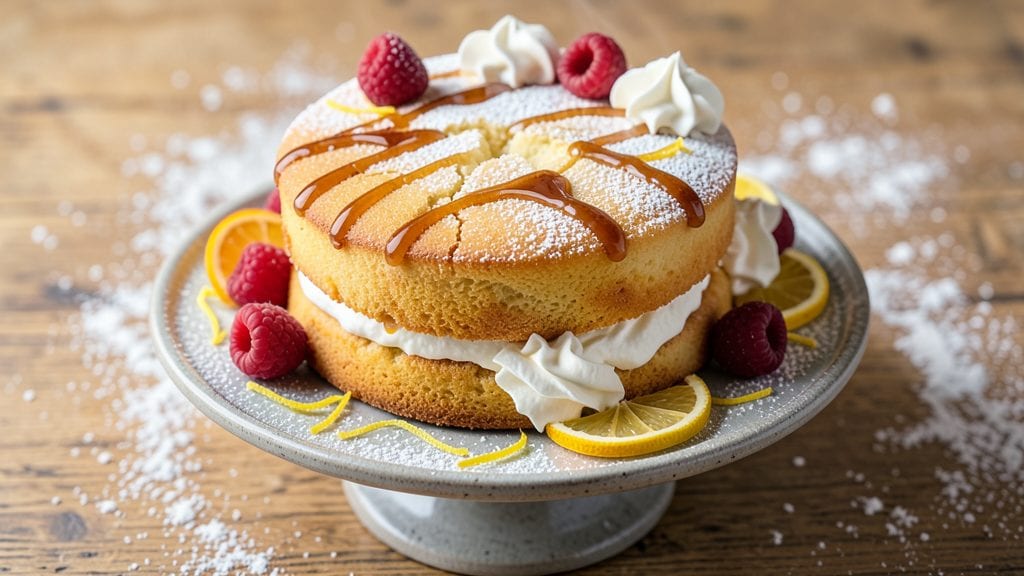
Steamed cakes deliver that silky, melt-in-your-mouth texture without a single crumb of dryness—something traditional baking often struggles to achieve. After years of testing different methods in my home kitchen, I’ve perfected a technique that combines precise ingredient ratios with controlled steaming to create a dessert that’s both elegant and foolproof.
The key lies in the batter’s composition: a delicate balance of flour, sugar, and eggs that transforms into a cloud-like center when steamed properly.
This recipe requires just a few simple ingredients—no fancy equipment beyond a steamer basket or even a colander over boiling water—and delivers restaurant-quality results in under 45 minutes. The steaming process ensures even moisture distribution, eliminating the risk of a dry crumb while maintaining a tender, almost custard-like interior.
Whether you’re preparing for a special occasion or simply craving a lighter dessert option, this method guarantees success every time.
What sets this steamed cake apart is its versatility—you can infuse it with flavors like chocolate, matcha, or pandan without altering the fundamental technique. The texture remains consistently moist and fluffy, while the exterior develops a subtle sheen that adds to its visual appeal.
For those who love the idea of a cake that stays fresh for days without drying out, this recipe is a game-changer.
Ready to master this technique? The instructions will guide you through each step, from preparing the batter to achieving the perfect steam, so you can confidently create a dessert that’s as impressive as it is delicious. Let’s get started!
Ingredients for cake steamed
Four eggs, a cup of sugar, and patience—this is all you need for a cloud-soft steamed cake.
| Ingredient | Amount | Notes |
|---|---|---|
| All-Purpose Flour 🌾 | 1 ½ cups | Sifted for lightness |
| Granulated Sugar 🍚 | 1 cup | White or light brown |
| Large Eggs 🥚 | 4 whole | Room temperature preferred |
| Unsalted Butter 🧈 | ½ cup | Cold, cubed for steam |
| Milk 🥛 | 1 cup | Whole for creaminess |
| Vanilla Extract 🌿 | 1 tbsp | Pure, high-quality |
| Baking Powder 🍞 | 1 tsp | Freshly opened |
| Salt 🧂 | ¼ tsp | Fine sea salt |
| Water 💧 | ½ cup | Room temperature |
| Cake Flavor Extract 🍯 | ½ tsp | Optional, vanilla or almond |
| Cornstarch 🌾 | 1 tbsp | For extra tenderness |
The eggs are non-negotiable here—room temperature makes all the difference. Grab the largest size from the carton, not those tiny eggs. For butter, Land O'Lakes or Plugrá work best when cold and cubed—no melting before steaming. The flour? King Arthur or Gold Medal are my go-tos, but any all-purpose will do. Sift it first—this isn’t the time to skip steps. If you’re using brown sugar, pack it tightly into the measuring cup for accurate sweetness. The vanilla? Pure extract, not imitation—trust me, you’ll taste it.
No vanilla extract? Almond extract at half the amount works surprisingly well. Short on butter? Coconut oil in the same quantity gives a slightly different flavor but same texture. Running low on milk? Heavy cream or even water in a pinch, though the cake won’t be quite as rich. The cornstarch is optional but worth it—it makes the crumb even lighter. For a chocolate twist, swap half the milk for melted dark chocolate (use Ghirardelli squares for best results). And if you’re feeling fancy, add 1 tbsp of cocoa powder to the dry ingredients.
This batter keeps 2 days in the fridge if you’re prepping ahead—just cover it tightly with plastic wrap pressed right on the surface. The steamed cake itself stays moist for 4 days if wrapped in plastic and stored at room temperature. For longer storage, slice and freeze portions on a tray first, then transfer to a bag. Thaw at room temperature—no microwave needed. Leftovers? Warm slices in the oven at 300°F for 10 minutes to revive that fresh-from-steamer feel.
Why You'll Love This Recipe
- Steam-Powered Speed: I’m talking 15 minutes of hands-on time—just mix, steam, and wait. No oven heating, no fussing with layers or cooling racks. The butter and sugar melt into that signature tender crumb while the steam keeps it impossibly moist. Honestly, it’s the kind of recipe that makes me want to bake just because it’s so easy.
- Buttery-Sweet Magic: That first bite? Rich, golden, and just sweet enough to make your taste buds sing. The eggs add a subtle depth, while the milk keeps it velvety—not dry, not cakey, but exactly what you’d want in a dessert that’s equal parts indulgent and comforting. (Yes, even on a Tuesday night.)
- Steam for Any Occasion: Pack it for lunchboxes—it stays fresh for days. Serve it warm with tea for a cozy afternoon. Or, between us, it’s my go-to when I need a dessert that’s almost fancy enough for guests but still feels like a hug. The best part? It’s the same simple method every time.
- Budget-Friendly Indulgence: Five ingredients, zero specialty items. That’s right—no pricey mix or obscure spices. The butter and sugar give you that wow factor without breaking the bank, and leftovers? They’re even better the next day, if you can resist eating the whole pan. My daughter picks out the pieces, but still asks for seconds. That’s the real test.
Step-by-step instructions for steamed cake
Here's the method—simple, foolproof, and guaranteed to deliver that signature silky texture.
Prepare the Steaming Setup
First, gather your steaming equipment. Place a heatproof steaming rack inside a large pot with a tight-fitting lid, ensuring it sits above the waterline. Add 0.5 cup water to the bottom of the pot and bring it to a full rolling boil over medium-high heat. This creates the steam bath essential for that ultra-moist cake texture.
While the water heats, lightly grease an 8-inch round cake pan with a small amount of unsalted butter—just enough to prevent sticking. Line the bottom with parchment paper, leaving an overhang for easy removal. Here's the thing—don't skip the greasing. Even with parchment, a bit of butter ensures the cake releases cleanly without tearing.
Whisk Wet Ingredients Together
In a large mixing bowl, combine the 4 whole large eggs, 1 cup granulated sugar, 1 cup milk, 1 tbsp vanilla extract, and 0.5 tsp cake flavor extract. Whisk vigorously for 3-4 minutes until the mixture triples in volume, becomes pale, and ribbons form when the whisk is lifted. You'll notice the batter lighten dramatically—this aeration is what creates that signature steamed cake fluffiness.
Next, melt the 0.5 cup unsalted butter in a separate small saucepan over low heat. Let it cool slightly but keep it liquid. Then, gradually pour the melted butter into the egg mixture while whisking continuously. This step ensures even distribution of fat, which prevents dry spots in the final cake. If the butter cools too much, gently warm the bowl over a double boiler to maintain smooth incorporation.
Fold in Dry Ingredients
In a separate bowl, sift together the 1.5 cups all-purpose flour, 1 tsp baking powder, 0.25 tsp salt, and 1 tbsp cornstarch. This dry mix is your secret weapon for that tender crumb. Gently fold it into the wet ingredients using a spatula, mixing just until combined—you should still see streaks of flour. Overmixing develops gluten, which can make the cake dense instead of light and airy.
Here's where it gets critical: let the batter rest for 10 minutes at room temperature. This brief pause allows the flour to fully hydrate and the gluten to relax slightly, resulting in a smoother texture when steamed. Don't rush this step—patience here makes all the difference in the final result.
Steam the Cake to Perfection
Once the water in your pot reaches a rolling boil, carefully pour the batter into the prepared cake pan. Place the pan on the steaming rack and cover the pot with the lid. Reduce heat to medium-low and steam for 35-40 minutes. The cake is done when it springs back gently when touched in the center and a toothpick inserted comes out clean.
Real talk: don't open the lid during steaming. Every time you peek, you release steam and disrupt the even cooking process. If you're worried about doneness, use the toothpick test instead. The cake should have a domed top with a slightly sticky surface—this indicates it's perfectly steamed through.
Cool and Serve
Remove the cake from the steamer and let it cool in the pan for 10 minutes. Then, run a thin knife around the edges to loosen it from the pan before transferring it to a wire rack to cool completely. This gradual cooling prevents cracking and maintains that silky texture.
Once fully cooled, you can slice and serve. The cake should have a fine, velvety crumb with a delicate, almost jelly-like consistency—this is the hallmark of a properly steamed cake. Store any leftovers in an airtight container in the refrigerator for up to 3 days, or freeze for longer storage. The texture holds up beautifully when reheated briefly in the microwave.
Pro Tips For Making Cake Steamed
- Steam Before Baking: Don’t just dump the batter into the pan—pour it into a heatproof bowl, then place that bowl inside your steamer basket for the first 5 minutes. This pre-steaming phase locks in moisture and gives your cake a lighter, almost soufflé-like texture. (Yes, it’s an extra step, but your cake will be noticeably more tender.)
- Melt Butter Slowly: If you’re melting butter for the batter, do it on low heat—low—and stir constantly. I’ve burned butter enough times to know that impatiently cranking the heat just turns your rich, creamy base into a sad, grainy mess. A gentle simmer keeps it smooth and ready to blend properly with the sugar.
- Skip the Overmixing: This isn’t a pancake batter—once your flour and wet ingredients come together, stop stirring after 10-12 strokes. Overmixing develops gluten like crazy, and your cake will turn out dense and chewy instead of light and fluffy. (I learned this after making a brick that required a sledgehammer.)
- Use Room-Temp Eggs: Cold eggs? They’ll sink to the bottom of your batter and create uneven texture. Let your eggs sit out for 30 minutes before cracking them into the bowl—this ensures they blend smoothly and distribute evenly. (And yes, even if you’re impatient like me, this actually matters.)
Creative variations of this cake steamed
Chocolate Steamed Delight
For chocolate lovers, replace ½ cup of milk with ½ cup melted dark chocolate (use Ghirardelli 72% cocoa for rich flavor). Add 2 tbsp cocoa powder to the dry ingredients and reduce sugar to ¾ cup to balance the intensity.
The result is a decadent, fudgy center with a velvety exterior. Top with a dusting of cocoa powder for an elegant finish. 🍫
Matcha Green Tea Twist
Swap ½ cup milk for ½ cup strong brewed matcha green tea (about 1 tsp matcha powder whisked with 2 tbsp hot water and cooled). Add 1 tbsp cornstarch to the dry ingredients to prevent bitterness.
The final cake has a vibrant green hue and earthy, slightly bitter notes that pair perfectly with white chocolate shavings. Use Jade Leaf ceremonial-grade matcha for the best flavor. 🌿
Pandan Leaf Infusion
Infuse ½ cup milk with 1 pandan leaf (or ½ tsp pandan extract) by gently heating the milk with the leaf for 5 minutes and straining. Add ½ tsp vanilla extract to complement the tropical aroma.
The cake develops a fragrant, floral note with a subtle vanilla undertone. Garnish with toasted coconut flakes for a Southeast Asian-inspired dessert. 🌺
Lemon Zest Brightness
Zest 1 large lemon (about 2 tbsp zest) and fold it into the wet ingredients along with the vanilla. Reduce the sugar to ¾ cup to balance the tartness. The result is a bright, citrusy cake with a delicate floral aroma.
Top with fresh berries or a lemon glaze made from ½ cup powdered sugar and 1 tbsp lemon juice. 🍋
Spiced Chai Variation
Infuse the milk with ½ tsp ground cinnamon, ¼ tsp ground cardamom, and ¼ tsp ground ginger by heating the milk with the spices for 3 minutes and straining.
Add ½ tsp vanilla extract to enhance the warmth. The cake has a cozy, aromatic profile that pairs beautifully with a drizzle of honey or caramel sauce. 🌶️
Salted Caramel Fusion
Prepare a simple caramel sauce by melting ½ cup brown sugar with 2 tbsp butter and 2 tbsp heavy cream in a saucepan. Fold 1 tbsp of this sauce into the batter before steaming.
After baking, drizzle the remaining sauce over the cake and sprinkle with flaky sea salt (like Maldon) for a gourmet touch. The contrast of sweet and salty is pure magic. 🍯
Nutrition facts
Frequently asked questions
Why does steamed cake have such a different texture than baked cake?
Steaming creates a moist, almost jelly-like center because the steam gently cooks the cake from all sides. Unlike baking, which dries out the edges first, steaming keeps the entire cake evenly hydrated. The lack of dry heat means no crust forms, resulting in that signature tender crumb. Think of it like a cross between a sponge cake and a custard—light yet rich.
Can I use a regular pot without a steamer basket?
If you don’t have a steamer basket, place a heatproof colander or even a metal bowl with drainage holes over the boiling water. Just make sure the pan sits above the waterline and doesn’t touch it. The key is maintaining consistent steam—no peeking during cooking! For extra insurance, line the colander with parchment paper to prevent sticking.
What’s the secret to preventing cracks in the cake?
Cracks usually happen from uneven cooling or overmixing. Let the cake cool in the pan for 10 minutes before transferring, and avoid opening the lid while steaming. Also, don’t overwhisk the batter—just until combined. For extra protection, tap the pan gently on the countertop after removing it from the steamer to release air pockets. Patience here makes all the difference!
How do I make this cake gluten-free?
Replace the all-purpose flour with a 1:1 gluten-free baking flour blend (like Bob’s Red Mill) and add ½ tsp xanthan gum to the dry ingredients. Reduce the milk by 2 tablespoons since gluten-free flours absorb more moisture. The texture will be slightly denser but still moist. Test with a small batch first to adjust ratios.
Can I steam this cake in an Instant Pot?
Yes! Use the steamer basket or trivet in your Instant Pot. Add 1 cup water to the bottom, place the cake pan on top, and steam on high pressure for 12 minutes. Let the pressure release naturally for 10 minutes before opening. The Instant Pot’s sealed environment keeps steam trapped, ensuring even cooking. Just watch the time closely—it cooks faster than on the stovetop!