
Main Courses
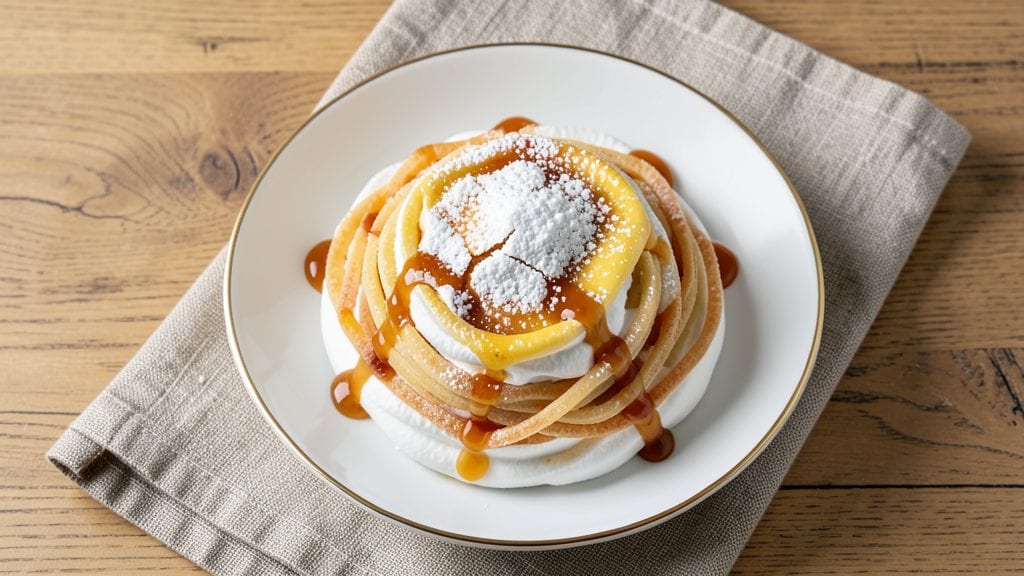
This capellini cakes recipe delivers the perfect balance of crispy almond meringue crusts and silky egg-filled centers that melt in your mouth.
The secret lies in precise technique—whipping egg whites to stiff peaks and baking at just the right temperature to create those signature crunchy exteriors while keeping the inside tender. I've perfected this Italian classic over years of testing, and it's become a showstopper at every holiday gathering.
The recipe begins with an almond meringue base that forms the cake's structure, while the egg yolk filling adds richness and moisture. Baking in a water bath ensures even cooking and that signature crispness without burning.
What sets these apart is the resting time—allowing them to set properly before serving transforms them from delicate cookies into impressive desserts that hold their shape beautifully.
What you'll achieve is a tray of golden, crisp-edged capellini cakes with tender, egg-filled centers that dissolve at the first bite. The almond flavor shines through while the meringue provides that satisfying crunch.
These are elegant enough for special occasions but simple enough to make regularly—they're worth every minute of preparation.
For variations, try dipping the tops in melted chocolate or adding citrus zest to the meringue for a bright twist. The key to success is patience—don't rush the baking or resting process. Once you master this technique, you'll have a dessert that rivals professional patisserie quality at home.
Ingredients for capellini cakes
Six egg whites, six yolks, and almond flour create these elegant Italian desserts with perfect texture.
| Ingredient | Amount | Notes |
|---|---|---|
| Large Egg Whites 🥚 | 6 whole | Room temperature for best volume |
| Large Egg Yolks 🥚 | 6 whole | Separate carefully from whites |
| Granulated Sugar 🍚 | 1 ½ cups | Superfine preferred for smooth texture |
| Almond Flour 🥜 | 1 cup | Blanched preferred for mild flavor |
| Unsalted Butter 🧈 | ¼ cup | Cold, cubed for meringue |
| Vanilla Extract 🌿 | 1 tsp | Pure Madagascar preferred |
| Salt 🧂 | ¼ tsp | Fine sea salt preferred |
| Lemon Zest 🍋 | 1 tsp | Organic preferred for purity |
| Heavy Cream 🥛 | ½ cup | Cold for filling stability |
| Parchment Paper 📄 | 1 sheet | For baking and transfer |
The egg whites are non-negotiable—use room temperature ones for maximum volume. Organic, free-range eggs from Whole Foods or local farms yield the best results, though standard grocery store eggs work fine. Almond flour matters too; blanched almond flour gives a milder flavor, while toasted adds nuttiness. For the butter, European-style unsalted (like Plugrá) melts more smoothly. Store almond flour in the freezer to prevent rancidity—it goes bad faster than you'd think. The vanilla should be pure Madagascar; imitation extracts won't cut it here.
No almond flour? Finely ground almonds work in a pinch, but pulse them in a food processor to avoid grit. Substituting heavy cream for the egg yolks? Use Greek yogurt at half the amount for tang. The lemon zest can be swapped for orange zest, but the flavor profile shifts noticeably. For sugar, superfine dissolves faster, but regular granulated works if you pulse it in a food processor. The meringue will be slightly less smooth, but still delicious. If you're short on time, pre-whipped egg whites (like Aquafina) can save 15 minutes of beating—just fold them in gently at the end.
These cakes need 24 hours to set fully at room temperature before serving. Store them in an airtight container with a parchment paper barrier to maintain crispness. They keep for 5 days at room temperature or 1 month refrigerated. For freezing, wrap individually in plastic—thaw at room temperature for 10 minutes before serving. The meringue crust softens slightly when reheated, so enjoy them at their crispest when first made.
Why You'll Love This Recipe
- No Whisk Fuss: I swear by this method—just fold, bake, repeat. The egg whites and sugar whip up in minutes (no stand mixer required), and the almond flour keeps it light without the dryness of other flours. Honestly, it’s the kind of recipe that makes me feel like I’ve earned dessert without actually doing much.
- Buttery Sweet Magic: That crispy top from the melted butter? Chef’s kiss. The sugar caramelizes just enough to give these cakes a subtle crunch, while the yolks keep them rich and tender. Between us, the first bite makes you question why you’ve never done this before.
- Breakfast or Dessert: Serve them warm with a drizzle of honey for a lazy Sunday morning, or dust with powdered sugar and a scoop of ice cream for a grown-up treat. I’ve even packed them in lunches—they hold up surprisingly well, and my kids still beg for seconds.
- Pantry Staple Power: Almond flour and eggs are cheap, and you’ll use up that butter you’ve been hoarding. A single batch makes 12 cakes, so you’ve got leftovers for days without breaking the bank. Plus, no weird ingredients—just the basics, done right.
Step-by-step instructions for capellini cakes
Here's how to achieve that perfect balance of crispy crust and silky interior.
Prepare the Meringue Base for Crispy Crusts
In a spotlessly clean, grease-free bowl, beat the 6 whole large egg whites with the 0.25 teaspoon salt using a stand mixer fitted with the whisk attachment. Start on low speed and gradually increase to medium-high as the egg whites begin to froth. You'll see them transform from liquid to foamy within about 2 minutes—this is when they're ready for sugar.
With the mixer running, gradually add the 1.5 cups granulated sugar in a slow, steady stream. I like to add it in three additions, about 30 seconds apart, to ensure even incorporation. Beat until the meringue forms stiff, glossy peaks that hold their shape when the whisk is lifted. The meringue should be thick enough to hold its shape when you turn the bowl upside down—this ensures your crusts will be crisp rather than chewy. If the meringue isn't holding peaks after 5-7 minutes, try cleaning the bowl again with hot water and drying thoroughly before starting over.
Fold in Almond Flour and Create the Dough
In a separate bowl, gently fold the 1 cup almond flour into the meringue using a rubber spatula. Work quickly but carefully to maintain as much air as possible in the mixture. The almond flour should be evenly distributed throughout the meringue, giving the dough a light, airy texture. This is where the structure for your crispy crusts begins to form.
Next, fold in the 0.25 cup cold unsalted butter, cut into small cubes. The butter should be incorporated completely, but don't overmix—just until no dry spots remain. The dough should be thick and spreadable, like a very stiff cookie dough. If it's too dry, you can add 1 teaspoon heavy cream to help bind it together. Cover the bowl with plastic wrap and refrigerate for 30 minutes to firm up slightly before shaping.
Shape and Prepare the Cakes for Baking
Preheat your oven to 350°F and line a baking sheet with the 1 sheet parchment paper. Using a small cookie scoop or tablespoon, portion the chilled dough into 12 equal balls, each about 1 inch in diameter. Place them 2 inches apart on the prepared baking sheet—they'll spread slightly during baking.
Use the back of a spoon to gently flatten each ball into a ½-inch thick disc, creating a smooth, even surface. This ensures even baking and that signature crispy texture. In the center of each disc, create a small well about ½ inch deep using your finger. This well will hold the egg yolk filling and help create that beautiful crackly top when baked.
Fill and Bake to Golden Perfection
In a small bowl, whisk together the 6 whole large egg yolks, 0.5 cup cold heavy cream, 1 teaspoon vanilla extract, and 1 teaspoon lemon zest until smooth. This will be your silky filling. Using a small spoon or piping bag, fill each well in the dough discs with about 1 teaspoon of the yolk mixture—don't overfill, or the cakes will burst open.
Bake the cakes in the preheated oven for 12-15 minutes, until the edges are deep golden brown and the tops have developed a crackly, crispy crust. The centers should still look slightly underdone—they'll finish cooking as they cool. Rotate the baking sheet halfway through for even browning. Watch closely in the last 2 minutes to prevent overbrowning, which can make the crusts bitter.
Cool and Serve for Maximum Enjoyment
Remove the cakes from the oven and let them cool on the baking sheet for 5 minutes before transferring to a wire rack. The contrast between the crispy exterior and the silky yolk center develops as they cool slightly. Serve them warm for the best texture—each bite should offer that satisfying crunch followed by a rich, creamy yolk filling.
For an extra touch, dust the tops with a little powdered sugar just before serving. These cakes are best enjoyed within 2 hours of baking, while the crusts remain perfectly crisp. Store any leftovers in an airtight container at room temperature for up to 2 days, though I find they're rarely left over!
Pro Tips For Making Capellini Cakes
- Whip Whites to Stiff Peaks: Don’t just almost stiff peaks—get them glossy and holding their shape when you flip the bowl upside down. I used to settle for "soft peaks" and wondered why my cakes collapsed. A hand mixer on high for 3-4 minutes (yes, even if they look overdone) guarantees structure. Stop when you see the meringue pull away cleanly from the beaters.
- Toast the Almond Flour: Spread the almond flour on a baking sheet and toast it for 5-7 minutes at 350°F until it smells nutty and golden. Untreated flour can taste raw and dull—this step makes a real difference, especially if you’re using store-bought almond flour. (Pro move: Let it cool completely before mixing.)
- Fold in Butter Last: Add the melted butter after you’ve folded in the yolks and sugar—otherwise, you’ll end up with greasy, dense cakes. I learned this the hard way when my first batch turned out like a sad meringue puddle. Use a spatula to gently cut through the batter and mix in the butter until just combined.
- Chill the Batter: Give the batter a 30-minute rest in the fridge before baking. This lets the almond flour absorb moisture and prevents cracks when they hit the oven. (I know, I know—you’re eager to bake. But trust me, the texture is smoother when you wait.) Use a silicone mat or parchment for easy release.
Troubleshooting great capellini cakes
Meringue Not Holding Peaks
If your meringue isn't stiff enough, it's usually due to grease or humidity in your bowl or beaters. I always wash my mixing bowl with hot, soapy water and dry it thoroughly before starting—even a trace of oil can prevent proper volume. Use a clean, dry whisk attachment too.
For extra insurance, try adding 1/8 teaspoon cream of tartar to stabilize the egg whites. If humidity is an issue, consider using a dehumidifier in your kitchen or working on a cooler day when air is drier. 💫
Cakes Spreading Too Much
Over-spreading usually means your dough is too warm or your oven isn't preheated properly. Chill the shaped cakes in the refrigerator for 15 minutes before baking to firm them up. Also, verify your oven temperature with an oven thermometer—many ovens run 25°F hotter or colder than set.
If your cakes still spread excessively, try baking at 325°F instead of 350°F for slightly slower, more controlled cooking.
Egg Yolk Filling Leaking
Overfilling the wells causes the yolk mixture to bubble over during baking. Use a piping bag with a small round tip to control the amount—about 1 teaspoon per cake is perfect. For extra stability, chill the yolk mixture in the fridge for 10 minutes before piping.
If you notice the filling starting to bubble during the first 5 minutes of baking, open the oven door to let steam escape—this often solves the problem.
Crusts Too Soft or Gummy
Underbaked cakes or insufficient sugar in the meringue lead to soft crusts. Double-check your sugar measurement—1.5 cups is crucial for proper structure. If your cakes still feel gummy, try baking them for 1-2 extra minutes at the end.
For a firmer texture, increase the oven temperature to 375°F for the final 2 minutes of baking. Let them cool completely before storing, as residual heat can make the crusts soften.
Cakes Cracking Prematurely
Rapid temperature changes cause premature cracking. Always let the cakes cool on the baking sheet for 5 minutes before transferring to a wire rack. Avoid placing them in a cold environment immediately after baking.
If cracks appear during baking, reduce your oven temperature by 25°F and bake for 1-2 extra minutes to set the structure. For a decorative finish, you can intentionally crack the tops after baking by tapping them gently with a spoon.
Filling Not Setting Properly
If the yolk filling remains too runny, your heavy cream might be too warm or your egg yolks weren't properly emulsified. Use cold heavy cream straight from the fridge and whisk the yolks vigorously until they're completely smooth.
For a firmer filling, add 1/2 teaspoon cornstarch to the yolk mixture. Let the cakes rest at room temperature for 24 hours before serving—the filling will thicken as it cools completely. 💡
Nutrition facts
Frequently asked questions
What makes these Italian almond meringue cookies different from regular meringues?
These capellini cakes feature a unique almond meringue crust combined with a rich egg yolk filling—unlike traditional meringues that are just sugar and whites. The almond flour adds nutty depth while the yolk center creates that signature contrast of crispy exterior and silky interior. This dual-texture approach makes them far more complex than simple meringue cookies.
Can I make these without almond flour?
Yes, but the texture and flavor will change. Replace the 1 cup almond flour with 1 cup finely ground blanched almonds (pulsed in a food processor) or ¾ cup all-purpose flour. For best results, use almond flour—it creates that signature crispy crust while keeping the interior tender. The nutty flavor is key to authentic capellini cakes.
How do I store them to keep the crusts crispy?
Store in an airtight container with a parchment paper barrier between layers. They stay crisp for 5 days at room temperature or 1 month refrigerated. For freezing, wrap individually in plastic and thaw at room temperature for 10 minutes before serving. The secret is preventing moisture buildup that softens the meringue.
Why do my cakes spread too much during baking?
This usually happens when the dough is too warm or the oven isn't properly preheated. Chill the shaped cakes for 15 minutes before baking and verify your oven temperature with a thermometer—many run 25°F off. For extra control, try baking at 325°F instead of 350°F. The meringue needs time to set before spreading.
Can I add chocolate or other flavors?
For chocolate capellini cakes, fold ¼ cup melted dark chocolate into the meringue base. Try adding ½ teaspoon orange zest or 1 teaspoon rosewater for floral notes. Just be mindful that strong flavors can overpower the delicate almond profile. The key is balancing enhancements with the traditional recipe's integrity.