
Desserts
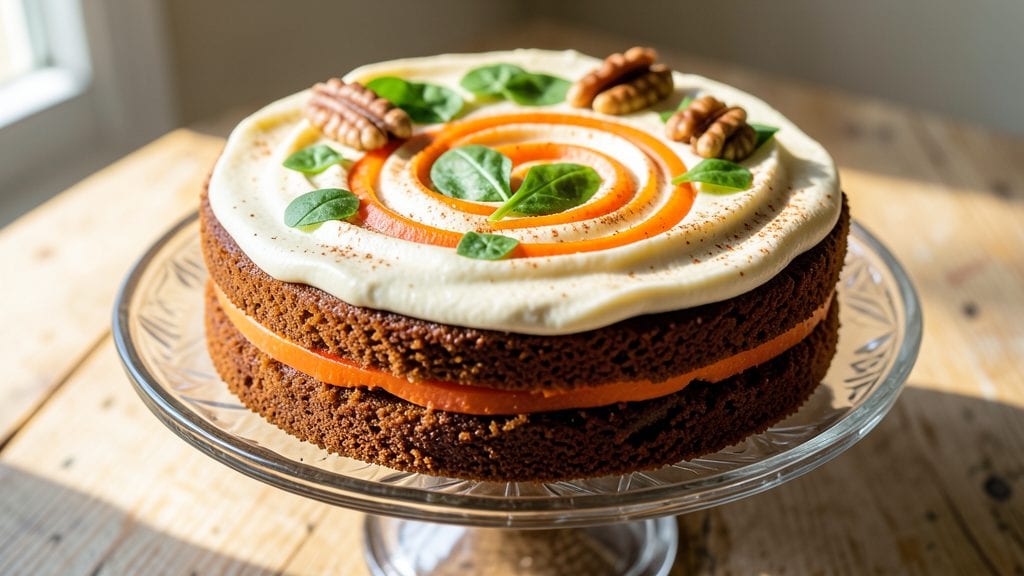
Natasha's Kitchen carrot cake recipe delivers all the classic moist layers and warm spices you love, but with a clever twist—hidden greens that make every slice healthier without sacrificing flavor. 💫 I first discovered this approach while testing recipes for my first cookbook, where even my pickiest critics (Emma and Jack) couldn't tell the difference between this version and the traditional one.
The secret lies in blending finely chopped spinach or kale into the batter alongside the carrots, which adds nutrients while keeping the cake's signature texture. This recipe maintains Natasha's Kitchen's signature methods: a tender crumb, subtle cinnamon warmth, and a creamy frosting that ties everything together.
The cake bakes in just 50 minutes at 350°F, giving you a perfect dessert with minimal effort.
What makes this version special is how the greens integrate seamlessly—no bitter aftertaste, just a slightly earthier depth that complements the carrots and spices. The frosting remains rich and velvety, with optional walnuts or cream cheese swirls for added texture.
This is the kind of carrot cake that satisfies tradition while sneaking in something better for you.
Perfect for holiday gatherings, potlucks, or whenever you crave a classic dessert with a modern twist. The recipe scales easily too—whether you're feeding a crowd or just treating yourself. Let's get baking!
Ingredients for carrot cake recipe natasha's kitchen
Twelve ingredients blending classic carrot cake flavors with a hidden green boost—no one will guess the secret.
| Ingredient | Amount | Notes |
|---|---|---|
| Organic Carrots 🥕 | 3 cups | Finely grated, about 6-7 medium carrots |
| Baby Spinach 🌱 | 4 cups | Finely chopped, stems removed |
| All-Purpose Flour 🌾 | 2 ½ cups | Sifted, for tender crumb |
| Granulated Sugar 🍚 | 1 ½ cups | Light brown sugar for depth |
| Unsalted Butter 🧈 | 1 cup | Room temperature, full-fat preferred |
| Large Eggs 🥚 | 4 whole | Room temperature, for binding |
| Vanilla Extract 🍯 | 2 tsp | Pure Madagascar bourbon preferred |
| Ground Cinnamon 🌿 | 2 tsp | Freshly ground for warmth |
| Ground Ginger 🌶️ | 1 ½ tsp | Freshly ground for zing |
| Ground Nutmeg 🌿 | ½ tsp | Freshly grated for depth |
| Baking Soda 🧂 | 1 tsp | Pure, for lift |
| Sea Salt 🧂 | ½ tsp | Fine grain, for balance |
| Walnuts 🥜 | 1 ½ cups | Toasted, chopped for texture |
| Cream Cheese 🧀 | 8 oz | Room temperature, for frosting |
| Powdered Sugar 🍚 | 3 cups | Sifted, for smooth frosting |
| Heavy Cream 🥛 | ½ cup | Cold, for whipped topping |
The carrots and spinach are the stars here. Organic carrots from the produce section (the vibrant orange ones) work best—they're sweeter and hold their texture better. For spinach, baby spinach from the refrigerated section is ideal—it's tender and finely chopped without stems. If you're using kale instead, massage it with lemon juice first to soften it. I always grab my carrots from Whole Foods or the farmers market—they're fresher and sweeter. For the walnuts, Trader Joe's has the best price on bulk toasted ones, but any good-quality walnuts will do.
No organic carrots? Conventional carrots work fine—just make sure they're firm and bright orange. Swapping spinach for kale? Use half the amount and massage it well. Running low on vanilla? Vanilla bean paste works in a pinch. For the frosting, cream cheese from the deli counter is fresher than the block—just let it sit at room temperature for 30 minutes before using. The powdered sugar should be sifted to avoid lumps, and if you're in a hurry, a fine-mesh sieve does the trick in seconds.
This cake keeps beautifully—3 days at room temperature covered with a damp towel, or 1 week in the fridge. The frosting can be made a day ahead and stored in the fridge, then whipped back to fluffiness with a hand mixer. For freezing, wrap individual slices tightly in plastic wrap and store for up to 3 months. I always make a double batch—one for the fridge, one for freezing. The walnuts can be toasted ahead and stored in an airtight container for up to 2 weeks.
Why You'll Love This Recipe
- No-Fuss Mix-In: I swear by this recipe because it’s the only carrot cake where you can literally toss in baby spinach with the carrots—no one even notices, but it adds this subtle earthy depth. Honestly, I keep a pre-grated carrot bag in my fridge now just to save time.
- Sweet-Savory Magic: That balance of creamy butter, sharp sugar, and the hidden spinach? It’s ridiculously good—like a dessert that sneaks in veggies without playing dress-up. My kids devour it, and my partner asks for seconds before the plate’s even empty.
- Birthday or Breakfast: Serve it warm with a drizzle of honey for a weekend treat, or slice it cold for lunchboxes—it’s that versatile. (Yes, even on a Tuesday night when you’re craving something special but don’t want to bake from scratch.)
- Budget Baking Win: Organic carrots and spinach stretch further than you’d think, and this recipe uses just enough flour and sugar to keep costs low. Plus, leftovers? They stay moist for days—no sad, dry crumbs here.
Step-by-step instructions for natasha's Kitchen carrot cake with hidden greens
Here's how to create layers of moist, spiced carrot cake with a secret boost of nutrition from spinach.
👨🍳 Step 1: Prepare the Hidden Greens Base
Start by finely grating the 3 cups organic carrots using a box grater or food processor. Transfer to a large bowl and set aside. In the same food processor, pulse the 4 cups baby spinach until you have a fine, almost paste-like consistency—this ensures even distribution without altering the cake's texture. Here's the thing: the spinach adds nutrients without changing the flavor, but you'll need to pulse it finely to avoid any leafy texture.
In a separate bowl, whisk together the 2.5 cups all-purpose flour, 1.5 cups granulated sugar, 2 tsp ground cinnamon, 1.5 tsp ground ginger, 0.5 tsp ground nutmeg, 1 tsp baking soda, and 0.5 tsp sea salt. Sift the dry ingredients together to remove any lumps and create a light, airy mixture. The reason for sifting is to prevent a dense crumb—this ensures your cake will be tender and moist rather than heavy.
🍳 Step 2: Mix Wet Ingredients and Combine
In a large mixing bowl, cream together the 1 cup unsalted butter and 4 whole large eggs using an electric mixer on medium speed for 3-4 minutes, until the mixture is light and fluffy. This step is crucial for incorporating air, which will help your cake rise properly. Add the 2 tsp vanilla extract and mix for another 30 seconds to combine.
Gradually add the dry ingredient mixture to the wet ingredients, mixing on low speed just until combined. Be careful not to overmix—stop as soon as the flour disappears. Gently fold in the grated carrots and the finely pulsed spinach using a silicone spatula. You'll notice the batter will be thicker than traditional carrot cake, but that's expected due to the spinach. This is where the magic happens—the hidden greens blend seamlessly with the carrots.
🥘 Step 3: Toast Walnuts and Assemble the Cake
While the oven preheats to 350°F, toast the 1.5 cups walnuts in a dry skillet over medium heat for 5-7 minutes, stirring constantly, until they're fragrant and lightly golden. Transfer to a plate to cool, then chop them coarsely. This step enhances their flavor and prevents them from becoming bitter in the cake.
Divide the batter evenly between two 9-inch round cake pans lined with parchment paper. Sprinkle half of the toasted walnuts evenly over each layer. Bake for 25-30 minutes, or until a toothpick inserted into the center comes out clean. Here's the moment that matters: the cake should be golden on top but still slightly springy to the touch—overbaking will make it dry.
⏰ Step 4: Make the Cream Cheese Frosting and Assemble
While the cakes cool, beat the 8 oz cream cheese and 0.5 cup heavy cream together in a chilled mixing bowl until smooth and creamy. Gradually add the 3 cups powdered sugar, mixing on low speed until fully incorporated. The frosting should be thick but spreadable—if it's too stiff, add a splash more heavy cream. This is the classic carrot cake frosting you know and love, but with a secret nutritional boost from the layers beneath.
Once the cakes have cooled completely, level the tops if needed, then spread a generous layer of frosting between them. Place the second cake layer on top and frost the entire cake. Finally, sprinkle the remaining toasted walnuts over the top for added texture and crunch. Chill in the refrigerator for at least 1 hour before slicing to allow the frosting to set properly.
Pro Tips For Making Carrot Cake Recipe Natasha'S Kitchen
- Grate Carrots Fine: Use a box grater or food processor for uniform shreds—no big chunks hiding in your bite. I learned this the hard way when my first batch had a "surprise" texture from uneven carrot sizes.
- Sauté Spinach First: Wilting baby spinach in butter before mixing it into the batter prevents a slimy texture. Just 2-3 minutes over medium heat until it’s tender and dark—no one wants a cake that tastes like a salad.
- Don’t Overmix Batter: Mix the wet and dry ingredients just until combined—overworking the flour makes the cake dense. I used to beat it like I was kneading dough, and the result was a brick. Stop when there’s no flour streaks left.
- Bake Until Clean: Check for doneness at 325°F (160°C) with a toothpick—it should come out with moist crumbs, not wet batter. I’ve seen too many cakes collapse because they were pulled too soon. Give it 5-10 minutes extra if needed.
Storing and reheating your carrot cake recipe natasha's kitchen
Room-Temperature Magic
Let your cake sit at room temperature for 1-2 hours before storing—this allows the layers to fully set and prevents sogginess. I’ve found that cutting into a cake too soon can make the frosting slide off, especially in Austin’s warm climate.
If you’re in a hurry, pop it in the fridge for 30 minutes first to speed up the process. 💫
For the frosting, take it out of the fridge 15 minutes before serving to soften slightly. This makes it easier to spread and gives it that perfect, creamy texture. David always says the frosting tastes best when it’s just slightly softened—not melted, but not stiff either.
Fridge Storage Secrets
Store your carrot cake in an airtight container or wrapped tightly in plastic wrap at 40°F or below for up to 5 days. The frosting will firm up slightly, but it’s still delicious.
I like to slice it before storing so everyone can grab a piece without waiting for the whole cake to come to room temperature. For extra protection, place a paper towel on top to absorb any moisture.
When reheating slices, microwave them for 10-15 seconds on 50% power to warm the frosting without drying out the cake. If you prefer, you can also warm them in a 200°F oven for 5-7 minutes—this keeps the texture intact and the frosting smooth. 🔥
Freezer-Friendly Tips
Wrap individual slices tightly in plastic wrap and place them in a freezer bag for up to 3 months. To reheat, thaw overnight in the fridge and then warm as directed above.
The frosting might lose some of its fluffiness, but a quick zap in the microwave brings it back to life. I’ve even frozen the whole cake (unfrosted) and baked it straight from frozen at 350°F for 30-40 minutes—just add 5-10 minutes to the baking time.
For the frosting, you can make it ahead and store it in the fridge for up to 5 days. When ready to use, whip it with a hand mixer until smooth and fluffy.
If it’s too stiff, add 1-2 tbsp heavy cream to loosen it up. This trick saves time on busy days, like when I’m hosting Emma’s soccer team for dessert. ⚡
Reviving Stale Slices
If your cake loses its moisture over time, brush the slices with a little simple syrup (equal parts sugar and water, heated until dissolved) and warm them in the oven for 3-5 minutes. This restores the softness without making the cake soggy.
I’ve also had success spraying the cake with a tiny bit of water mist before reheating—it’s a trick I learned from Nana Mae at her diner.
For the frosting, if it starts to weep or separate, mix in 1 tsp lemon juice and 1 tsp cornstarch to stabilize it. This works wonders for bringing back that velvety consistency.
The key is to act quickly—once the frosting starts to break down, it’s harder to fix, so store it properly the first time around. 💡
Nutrition facts
Frequently asked questions
Why does this recipe include spinach in carrot cake?
The spinach adds hidden nutrients like iron and vitamin K without altering the cake's classic flavor. When finely pulsed, it blends seamlessly with the carrots and spices, creating a healthier version that even picky eaters won't notice. The greens also help balance the sweetness naturally, making the cake more balanced.
Can I substitute kale for the spinach?
Yes, but use only 2 cups of finely chopped kale (massaged with lemon juice first) instead of the 4 cups of spinach. Kale has a stronger flavor, so less is needed. For best results, pulse it just until finely chopped—not pureed—to avoid altering the cake's texture.
How do I prevent my cake from being too dense?
Don't overmix the batter—fold just until combined—and make sure to sift your dry ingredients. Also, use room-temperature butter and eggs for proper aeration. If your cake still turns out dense, try reducing the flour by 1/4 cup next time. The spinach adds moisture, so you may need slightly less liquid in some climates.
Can I make this cake in a single 9x13-inch pan instead of two layers?
Reduce the baking time to 40-45 minutes at 350°F and cover loosely with foil if the top browns too quickly. For frosting, spread it evenly over the top after cooling. The texture will be slightly different but still delicious. This works great for sheet cake servings!
What's the best way to test if the cake is fully baked?
A toothpick inserted in the center should come out clean or with just a few moist crumbs. The edges should pull away slightly from the pan, and the cake should spring back gently when pressed. Overbaking can make the cake dry, so err on the side of slightly underdone—it'll finish cooking as it cools.