
Desserts
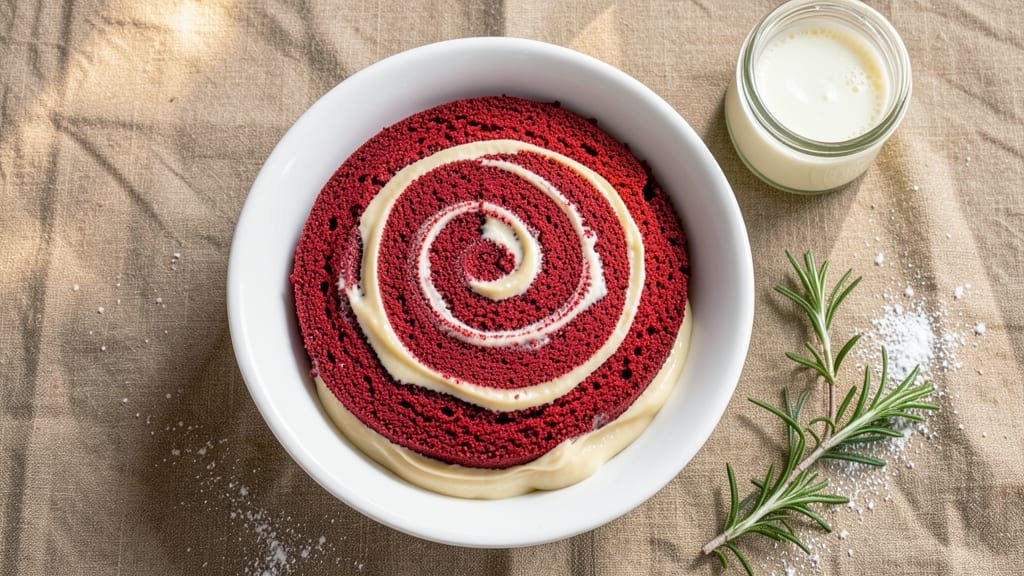
This classic red velvet cake recipe delivers the signature moist, molasses-kissed crumb and velvety cream cheese frosting that makes it legendary. I perfected this version after years of testing—balancing cocoa and buttermilk for that signature tender texture without a hint of dryness.
The secret lies in precise ingredient ratios and a gentle baking approach that ensures every slice stays rich and decadent.
What sets this recipe apart is the foolproof method for achieving that iconic red hue without overpowering the flavor. We use a combination of cocoa powder and a touch of molasses, which deepens the color while adding subtle caramel notes.
The cream cheese frosting isn’t just sweet—it’s tangy and perfectly balanced, cutting through the cake’s richness with every bite.
By the time you pull this cake from the oven, you’ll have a golden-brown masterpiece with a crackly top and a moist interior that practically melts in your mouth. The frosting, spread generously between layers and on top, creates a smooth, creamy finish that’s impossible to resist.
This is the kind of cake that disappears faster than you can say "second slice."
The beauty of this recipe is its versatility—serve it at celebrations, family gatherings, or as a special treat for yourself. With a few simple adjustments, you can even turn it into cupcakes or a layered trifle. Let’s get baking and create a classic that will become your new signature dessert.
Ingredients for classic red velvet cake
Pantry staples plus a few specialty touches for that legendary red velvet magic.
| Ingredient | Amount | Notes |
|---|---|---|
| All-Purpose Flour 🌾 | 2 ¼ cups | Sifted for even texture |
| Granulated Sugar 🍚 | 2 cups | White granulated preferred |
| Unsalted Butter 🧈 | 1 cup | Room temperature, not melted |
| Sour Cream 🥛 | 1 cup | Full-fat for moisture |
| Buttermilk 🥛 | 1 cup | Fresh for best tang |
| Large Eggs 🥚 | 2 whole | Room temperature, separated |
| Cocoa Powder 🍫 | ½ cup | Dutch-processed for richness |
| Molasses 🍯 | ¼ cup | Unsulphured preferred |
| Vanilla Extract 🌸 | 2 tsp | Pure alcohol-free if preferred |
| Baking Soda 🧂 | 1 tsp | Freshly opened |
| Salt 🧂 | ½ tsp | Fine sea salt |
| Red Food Coloring 🎨 | ½ tsp | Gel-based for control |
| Cream Cheese 🧀 | 16 oz | Full-fat, room temperature |
| Powdered Sugar 🍚 | 4 cups | Sifted for smooth frosting |
| Heavy Whipping Cream 🥛 | 1 cup | Cold for stiff peaks |
The cocoa and molasses are non-negotiable for that signature flavor. Dutch-processed cocoa from Ghirardelli or Hershey's Special Dark gives the richest color and flavor. Molasses should be unsulphured—check the label at Whole Foods or Trader Joe's for the best quality. The flour? King Arthur or Gold Medal brands stay consistent. I always buy extra cocoa powder since it's used in so many desserts—it keeps for 1 year in a cool, dark place. The buttermilk can be homemade (milk + vinegar) if you're out, but fresh is always better.
No buttermilk? Mix 1 cup milk + 1 tbsp vinegar or lemon juice, let sit 5 minutes. Running low on sour cream? Greek yogurt at half the amount works in a pinch. The cream cheese is where the frosting magic happens—Philadelphia brand is foolproof, but any full-fat block works if you grate it yourself. For the food coloring, Wilton gel is my go-to (no bleeding!). Want to skip artificial colors? A tablespoon of beet powder gives a natural tint, though it's slightly different. The powdered sugar should be sifted—Domino or C&H brands are fine, but avoid the super-fine kind for texture.
This cake keeps beautifully for 3 days covered at room temp, or 1 week refrigerated. The frosting? 3 days max in the fridge—it starts to weep if left longer. I like to wrap layers in parchment and store them separately so I can assemble fresh. For make-ahead, bake the cake 1 day ahead—it actually tastes better after the flavors meld. Freeze unfrosted layers for 3 months if you're planning ahead.
Why You'll Love This Recipe
- No-Fuss Mixing: I swear by this recipe—just creaming butter and sugar until light, then folding in the buttermilk and sour cream. The batter comes together smoother than store-bought, and no one will guess it took less than 10 minutes of active work.
- Velvet Magic: That tangy buttermilk and creamy sour cream? They’re the secret weapons here. The cake stays moist for days, and the subtle cocoa depth—without tasting like a dessert—is chef’s kiss with a hint of red food coloring magic.
- Party-Proof Staple: Birthdays, holidays, or just because—this cake handles it all. Halve the recipe for a single-serving treat, double it for a crowd, and the leftovers? Still just as good the next day (if they last that long).
- Budget-Friendly Luxury: Five ingredients, zero specialty items. The butter and sour cream make it rich, but the flour and sugar keep costs low. Honestly, it’s the kind of cake that makes you feel fancy without breaking the bank.
Step-by-step instructions for classic red velvet cake
Here's how to create the perfect molasses-infused red velvet with velvety texture and rich cream cheese frosting.
Prepare the Cake Batter for Maximum Moisture
Preheat your oven to 350°F and grease two 9-inch round cake pans, then line the bottoms with parchment paper. In a medium bowl, whisk together the 2 cups granulated sugar, 1 cup unsalted butter (room temperature), 1 cup sour cream, and 1 cup buttermilk until completely smooth and fully combined. This mixture should be light and airy—no lumps allowed.
In a separate bowl, sift together the 2.25 cups all-purpose flour, 1 tsp baking soda, and 0.5 tsp salt. Gradually add the dry ingredients to the wet mixture, alternating with the 0.5 cup cocoa powder and mixing just until combined. The batter should be thick but pourable—overmixing develops gluten, which makes the cake tough. Stir in the 0.25 cup molasses, 2 tsp vanilla extract, and 0.5 tsp red food coloring until evenly distributed. The color should be vibrant red, not pink.
Separate Eggs and Create the Signature Velvety Texture
Separate the 2 whole large eggs, keeping the yolks and whites in separate bowls. Using an electric mixer, beat the egg whites on medium speed until soft peaks form. Gently fold one-third of the beaten egg whites into the cake batter to lighten it. This step is crucial—it prevents the cake from being dense while maintaining that classic red velvet texture.
In another bowl, beat the egg yolks until pale and slightly thickened. Slowly fold the yolks into the batter, followed by the remaining egg whites in two additions. Fold just until combined—don't overmix. Divide the batter evenly between the prepared cake pans and smooth the tops. Bake for 30-35 minutes, or until a toothpick inserted in the center comes out clean. Let the cakes cool in the pans for 10 minutes, then transfer to a wire rack to cool completely.
Make the Cream Cheese Frosting for Perfect Spreadability
While the cakes cool, beat the 16 oz cream cheese and 1 cup unsalted butter (softened) together in a large mixing bowl until smooth and creamy. The mixture should be completely homogeneous with no lumps—this is your base. Gradually add the 4 cups powdered sugar, sifting it in as you go to avoid clumps. Mix on medium speed until fully incorporated.
Add the 1 cup cold heavy whipping cream and 2 tsp vanilla extract, beating until the frosting is light and fluffy. If the frosting is too thick to spread easily, add 1-2 tablespoons of milk (not listed in ingredients—use what you have on hand) to achieve a smooth, pipeable consistency. The frosting should hold its shape when spread but still be easy to work with.
Assemble the Cake with Confidence
Once the cakes are completely cool, place one layer on a serving plate. Spread a generous layer of frosting evenly over the top, leaving a small border unfrosted. Repeat with the second layer, pressing down gently to create a level surface. Frost the entire cake, then smooth the sides with an offset spatula for a professional finish.
For extra flair, pipe a simple border or rosettes around the edges using the leftover frosting. Chill the cake in the refrigerator for 30 minutes before serving to let the frosting set slightly. The cake should have a moist, tender crumb with a rich molasses depth and a velvety cream cheese frosting that melts in your mouth. Slice with a sharp knife and serve immediately for the best texture.
Pro Tips For Making Classic Red Velvet Cake
- Measure buttermilk cold: Dump that buttermilk straight from the fridge into your batter—no waiting for it to warm up. I learned this the hard way after a batch turned out dense; cold buttermilk reacts better with the butter and keeps the crumb light. Trust me, your cake will thank you.
- Cream butter and sugar low: Mix your butter and sugar on medium-low heat until it’s pale and fluffy—about 3-4 minutes. High heat here just melts the butter too fast, and you’ll end up with a cake that’s more cakey than tender. Slow and steady wins the velvet texture.
- Sift flour after mixing: Don’t skip sifting that flour, even if your recipe doesn’t say so. I used to just dump it in, and the cake always came out slightly heavier. Sifting aerates it and cuts down on lumps, which means a smoother, more even crumb every time.
- Avoid overmixing the batter: Stop folding in the dry ingredients the second they’re just combined—no streaks, no overworking. I’ve seen people mix until the batter looks like glue, and that’s how you get a tough cake. Two minutes max after adding flour, then call it done.
Wine and beer pairings for this recipe
Sweet Wine Pairings
Red velvet’s rich cocoa and molasses flavors call for wines with acidic brightness to cut through the density. A Cabernet Franc from Loire Valley—like Château de Beaucastel’s—works beautifully with its red fruit notes and earthy undertones.
The wine’s medium body balances the cake’s cream cheese frosting without overwhelming it. 🍷
Bold Red Blends
For a bolder match, try a Zinfandel or Syrah with 12-15% ABV—these wines mirror the cake’s deep molasses and chocolate notes. I love Albarino from Spain for its citrusy lift, which refreshes your palate after each bite. Avoid heavy Cabernets; they clash with the frosting’s tang.
Dessert Wine Harmony
If you prefer sweeter options, a Port-style ruby port (like Graham’s 10-Year-Old) enhances the cake’s molasses depth with its raisin and caramel flavors. Serve chilled for a smooth, velvety finish that complements the frosting’s creaminess. 🍇
Beer Contrasts
A Belgian-style witbier (like Hoegaarden) adds a spicy, citrusy contrast to the cake’s richness. The beer’s corianander and orange peel notes brighten the molasses, while its light effervescence cleanses your palate. For a darker option, a roasted barley stout (like Guinness) pairs surprisingly well with the cocoa’s bitterness.
Coffee Liqueur Twist
For a non-alcoholic pairing, serve slices with Kahlúa-spiked coffee—the vanilla and chocolate notes in the liqueur echo the cake’s flavors. Warm the coffee slightly to melt the frosting into a decadent, creamy experience. This combo is perfect for dessert lovers who crave warm, comforting pairings. ☕
Nutrition facts
Frequently asked questions
Why does red velvet cake have a slightly tangy flavor?
The signature tang comes from the combination of buttermilk and sour cream, which create a gentle acidity that balances the richness. The molasses also adds subtle caramel notes that enhance this flavor profile. This contrast makes each bite more complex and prevents the cake from tasting too sweet.
Can I make this cake without red food coloring?
Yes! For a natural tint, replace the 0.5 tsp red food coloring with 1 tablespoon beet powder (mixed with 1 tsp water) or 1 tbsp pomegranate juice. The color will be more muted but still beautiful. The molasses and cocoa will still give the cake its classic depth of flavor.
What's the best way to store leftover red velvet cake?
Wrap the frosted cake tightly in plastic wrap and store at room temperature for up to 3 days. For longer storage, refrigerate for 1 week or freeze unfrosted layers for 3 months. Bring to room temperature before serving to maintain the perfect texture. The frosting may weep slightly if refrigerated too long—just re-pipe before serving.
Why did my cake turn out dry?
Overmixing the batter develops gluten, making the cake tough. Also ensure your butter and eggs are room temperature—cold fats can prevent proper moisture distribution. For extra moisture, add 1-2 tbsp milk to the batter if needed. Always bake until a toothpick comes out clean, but don't overbake. A cake thermometer helps—pull it at 205°F internal temp.
Can I use this recipe for cupcakes?
Divide the batter among 24 lined cupcake tins and bake at 350°F for 18-20 minutes. Use the same frosting recipe but adjust quantities—you'll need about 1.5 cups frosting total. Pipe frosting directly onto cooled cupcakes for a festive look. The molasses flavor works perfectly in cupcake form too!