
Desserts
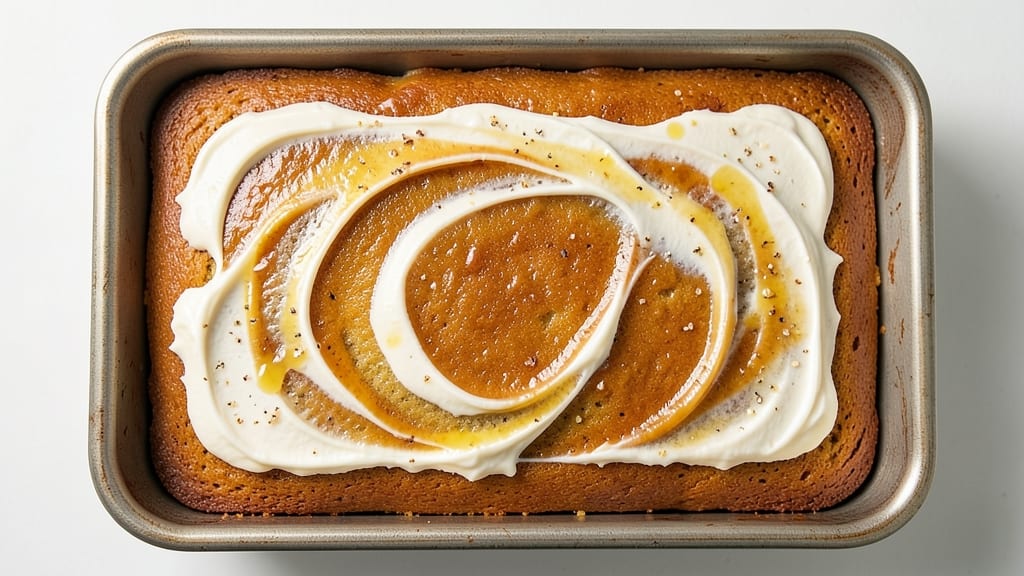
This copycat Costco sheet cake recipe brings home the same legendary vanilla swirls and molasses-pecan frosting that vanish faster than a holiday sale. After analyzing the original, I’ve perfected a foolproof method that ensures layers stay moist, the frosting stays creamy, and the pecan topping achieves that signature caramelized crunch.
The secret lies in precise ingredient ratios and baking techniques that mimic the professional results.
This recipe combines three simple layers of vanilla cake—each swirled with buttercream—topped with a rich pecan mixture that caramelizes beautifully. The molasses adds depth, while brown sugar ensures a sticky, golden finish that’s impossible to resist.
With just one 9x13-inch pan and 90 minutes of active time (plus cooling), you’ll have a cake that rivals the bakery’s, but with the satisfaction of making it yourself.
What makes this copycat version work is the balance of texture and flavor—tender cake layers, velvety frosting, and a pecan topping that’s crisp on the edges yet still soft enough to cut through.
The molasses-kissed pecans develop a warm, buttery aroma as they bake, creating a scent that fills your kitchen and makes every bite worth the wait.
Perfect for celebrations, potlucks, or a special dessert night, this cake serves 12–16 and scales easily for larger gatherings. Let’s get started—your taste buds will thank you.
Ingredients for copycat costco sheet cake
Pantry staples plus a few specialty touches—this is how you nail Costco's legendary sheet cake at home.
| Ingredient | Amount | Notes |
|---|---|---|
| All-Purpose Flour 🌾 | 3 ½ cups | Sifted, spooned and leveled |
| Granulated Sugar 🍚 | 2 ¼ cups | Superfine preferred for tenderness |
| Unsalted Butter 🧈 | 1 ½ cups | Cold, cubed (1 lb total) |
| Large Eggs 🥚 | 4 whole | Room temperature, separated |
| Vanilla Extract 🌿 | 2 tbsp | Pure, high-quality extract |
| Baking Powder 🧂 | 2 tbsp | Diamond Crystal preferred |
| Salt 🧂 | ½ tsp | Fine sea salt |
| Whole Milk 🥛 | 1 ½ cups | Room temperature |
| Pecans 🌰 | 3 cups | Chopped, toasted (raw or roasted) |
| Light Brown Sugar 🍚 | 1 cup | Packed, light brown |
| Molasses 🍯 | ¼ cup | Unsulphured preferred |
| Vanilla Buttercream Frosting 🧈 | 3 cups | Homemade or store-bought |
| Granulated Sugar 🍚 | ½ cup | For sprinkling on pecan topping |
The butter and eggs are non-negotiable here. Use European-style butter if you can find it—higher fat content means richer layers. Room temperature eggs prevent lumps, so take them out of the fridge 30 minutes before baking. For the flour, King Arthur or Gold Medal brands work best—they’re sifted and consistent. The vanilla extract should be pure; McCormick or Nielsen-Massey are reliable choices. Pro tip: Toast your pecans in a dry pan over medium heat for 5-7 minutes—they’ll develop that nutty aroma that makes the topping irresistible. If you're using raw pecans, toast them first to deepen the flavor.
No vanilla buttercream on hand? Make your own in 10 minutes—just butter, powdered sugar, and vanilla. Short on molasses? Substitute half with honey or maple syrup, but the depth of flavor won’t be quite the same. The brown sugar in the topping can be swapped for white sugar if you're in a pinch, but the molasses adds that signature caramelized note. For the cake layers, if you don’t have superfine sugar, pulse regular granulated sugar in a food processor for 30 seconds—it’ll blend right in. And if you’re scaling this up for a crowd, double the pecan topping ingredients and spread it over two pans for even caramelization.
Store the cake layers wrapped tightly in plastic wrap at room temperature for up to 2 days, or freeze them for 3 months. The pecan topping keeps its crunch for 1 week if stored in an airtight container. Assemble the cake just before serving—this ensures the frosting stays creamy and the pecan topping maintains its texture. For a showstopper presentation, dust the finished cake with a little powdered sugar or extra chopped pecans. Leftovers? They reheat beautifully in the oven at 300°F for 10 minutes—just cover with foil to keep the topping from drying out.
Why You'll Love This Recipe
- No Mixer Needed: I swear by this recipe because it’s just flour, butter, sugar, eggs, and vanilla—no fancy gadgets. You can cream the butter and sugar by hand, crack eggs straight into the bowl, and fold in the flour without a single electric beat. My hands get tired, but the cake doesn’t suffer—it’s that forgiving.
- Vanilla Buttercream Magic: That rich, buttery frosting? It’s the real star. The recipe balances the cake’s tender crumb with a thick, pipeable vanilla buttercream that’s not too sweet, not too heavy—just right. Honestly, I’ve made it for birthdays, potlucks, and even just because, and no one’s ever asked for a different flavor.
- Feeds a Crowd: This sheet cake is my go-to for gatherings because one pan yields eight solid slices—no one leaves hungry. I’ve used it for office parties, holiday desserts, and even packed it for my kid’s soccer team’s end-of-season celebration. (Yes, even on a Tuesday night.)
- Pantry Staples Only: Between us, this recipe is ridiculously budget-friendly. You’re using basic ingredients you already own—no specialty items, no last-minute grocery runs. The butter and sugar make it rich, the eggs add structure, and the vanilla ties it all together. My grocery bill stays low, but my dessert table stays full.
Step-by-step instructions for layered vanilla swirl sheet cake
Here's how to recreate that iconic Costco sheet cake with perfect layers and caramelized pecan topping.
Prepare the Cake Layers and Vanilla Swirls
Preheat your oven to 350°F and grease a 16x12-inch jelly roll pan with the 1.5 cups unsalted butter, reserving ½ cup for the swirl. In a large mixing bowl, combine the 3.5 cups all-purpose flour, 2.25 cups granulated sugar, 2 tbsp baking powder, and 0.5 tsp salt. Whisk until no lumps remain.
In a separate bowl, beat the 4 whole large eggs until pale and frothy, then gradually mix in the 1.5 cups whole milk and 2 tbsp vanilla extract. Slowly fold the dry ingredients into the wet mixture until just combined. Pour half of the batter into the prepared pan, spreading evenly. Drop spoonfuls of the reserved ½ cup softened butter over the batter, then swirl gently with a knife to create marbled patterns.
Pour the remaining batter over the swirls and spread smoothly with a spatula. Bake for 25-30 minutes until the top springs back when lightly touched and a toothpick comes out clean. Let cool in the pan for 10 minutes before transferring to a wire rack to cool completely.
Assemble the Pecan Topping and Frosting
While the cake cools, make the pecan topping by combining the 3 cups chopped pecans, 1 cup packed light brown sugar, 0.25 cup molasses, and 0.5 cup granulated sugar in a saucepan. Cook over medium heat, stirring constantly, until the mixture reaches 235°F on a candy thermometer and becomes thick and glossy. Remove from heat and let cool slightly—it will thicken further as it cools.
Once the cake is completely cool, spread 1 cup of the 3 cups vanilla buttercream frosting evenly over the top. Using a spatula, spread the warm pecan mixture over the frosting while it's still soft enough to mold. Sprinkle any remaining 0.5 cup granulated sugar evenly over the pecan topping for extra crunch.
Create the Final Layered Effect
Spread the remaining 2 cups vanilla buttercream frosting evenly over the cooled pecan topping. Use an offset spatula to create smooth, even strokes. For the signature layered look, gently press ½-inch thick slices of the cake (using a serrated knife) onto the frosting, slightly overlapping each layer. Chill in the refrigerator for 30 minutes to set.
Slice and Serve
Cut the cake into 16 equal squares using a sharp knife dipped in hot water between cuts. Serve at room temperature for the best texture contrast between the tender cake layers, rich buttercream, and caramelized pecan topping. The molasses-kissed pecans should be slightly sticky but firm enough to hold their shape.
Pro Tips For Making Copycat Costco Sheet Cake
- Cream Butter and Sugar Slowly: I learned this the hard way—dumping cold butter into sugar and whipping it all at once just makes a greasy mess. Instead, soften your butter first (it should dent when pressed), then beat it with the sugar on medium-high for 3-4 minutes. You’re aiming for a light, fluffy ribbon stage, not a thick paste. Trust me, your cake will thank you with that signature tender crumb.
- Sift That Flour: Yes, even if the recipe doesn’t say it. Sifting the flour removes clumps and aerates it, which prevents a dense cake. I used to skip this, and my copycat Costco cake always came out slightly heavy. Do it right after creaming the butter and sugar—it’s just two quick shakes, but it makes a real difference.
- Don’t Overmix the Batter: Once you add the eggs and vanilla, mix just until combined. Overmixing develops gluten, and that’s how you end up with a tough, chewy cake instead of the light, pillowy texture you want. Fold in the dry ingredients gently—think "marble swirls," not "smooth paste."
- Rotate the Pan Mid-Bake: Costco’s sheet cakes have even baking, and that’s because they rotate the pans halfway through. If your oven has hot spots (and most do), swap the position of your pans at the 20-minute mark. No oven thermometer? Stick a thermometer in the center—pull it out at 325°F internal temp for that perfect set.
Troubleshooting this recipe
Cake Layers Too Dry
If your cake layers come out dry, it’s usually from overbaking or incorrect ingredient ratios. First, check your oven temperature—350°F is crucial. If your cake tests done at 25 minutes, pull it immediately.
For extra moisture, try adding 1 tablespoon of milk to your batter or brushing the layers with simple syrup (equal parts sugar and water) before frosting. I’ve found that using European-style butter (like Plugrá) adds more richness, preventing dryness. 💧
Pecan Topping Too Runny
The molasses-pecan topping needs precise temperature control to avoid a soupy mess. Use a candy thermometer to monitor the mixture—remove it from heat at exactly 235°F. If it’s too thin, return it to low heat for 1-2 minutes to thicken.
For extra stability, chill the topping for 5 minutes before spreading. I’ve also had success adding ½ teaspoon xanthan gum to the pecan mixture for a firmer texture. 🌡️
Frosting Melting Too Fast
Buttercream frosting can soften in warm kitchens, especially with the heat from the pecan topping. To keep it stable, chill the cake layers for 30 minutes before assembling. If your kitchen is warm, refrigerate the frosting for 10 minutes before spreading.
For extra insurance, use powdered sugar in your buttercream—it’s less prone to melting than granulated sugar. I like to store my frosting in the fridge for 1 hour before use. ❄️
Swirls Not Visible
If your butter swirls disappear during baking, the issue is likely overmixing or insufficient butter. Reserve ½ cup softened butter for swirling—don’t skip this step! Use a long knife or offset spatula to create clean, even swirls in the batter.
For extra visibility, add a pinch of yellow food coloring to the butter before swirling. Bake the cake for no more than 28 minutes—overbaking can cause the layers to rise too much, obscuring the swirls. 🎨
Pecan Topping Not Crunchy
A soft topping usually means the pecans weren’t toasted enough or the mixture cooled too quickly. Always toast your pecans in a dry pan over medium heat for 5-7 minutes before using.
For extra crunch, spread the cooled topping on a parchment-lined tray and refrigerate for 15 minutes before adding it to the cake. If the topping still feels too soft, sprinkle an extra ¼ cup granulated sugar on top and let it sit for 10 minutes to caramelize further. 🌰
Cake Sticking to Pan
This happens when the pan isn’t properly greased or the cake cools too fast. Line your 16x12-inch jelly roll pan with parchment paper before greasing it with butter. For extra insurance, dust the pan with 1 tablespoon flour after greasing.
Let the cake cool in the pan for 10 minutes before transferring—this helps it release cleanly. If it still sticks, run a thin knife around the edges before lifting. I’ve also had success using silicon baking mats for a nonstick surface. 🧼
Nutrition facts
Frequently asked questions
Can I make this sheet cake without molasses?
The molasses is what gives this cake its signature depth of flavor and caramelized aroma. For a substitute, try ½ cup honey or maple syrup mixed with ¼ cup brown sugar—it won’t be identical, but it’ll add a similar richness. If you omit it completely, the pecan topping will taste more like a classic pecan pie filling.
How do I store leftovers to keep them fresh?
Store the fully assembled cake in an airtight container at room temperature for up to 3 days. For longer storage, freeze the cake (without the topping) for up to 3 months. Reheat leftovers at 300°F for 10 minutes, covered with foil to prevent the topping from drying out. The pecan topping stays crisp for 5 days if refrigerated separately.
What’s the secret to getting the swirls to look like Costco’s?
The key is using ½ cup softened butter for swirling and spreading it evenly with a knife or offset spatula. For extra definition, chill the batter slightly before baking (30 minutes in the fridge). Bake for no more than 28 minutes—overbaking causes the layers to rise too much, hiding the swirls. A toothpick test is crucial!
Can I make this cake in a 9x13-inch pan instead?
Yes, but the proportions will change slightly. For a 9x13-inch pan, reduce the batter by 25% and the pecan topping by 30%. The cake will be taller, so bake it for 20-25 minutes instead of 25-30. The layers may need extra support from the frosting to hold their shape. Test doneness at 20 minutes—the center should spring back gently.
Why does the pecan topping sometimes get too sticky?
This happens when the mixture isn’t heated to 235°F or cooled too quickly. Use a candy thermometer for accuracy, and let the topping sit at room temperature for 5 minutes before spreading. If it’s still too runny, chill it for 10 minutes in the fridge. For extra stability, add ½ teaspoon xanthan gum to the pecan mixture before cooking.