
Desserts
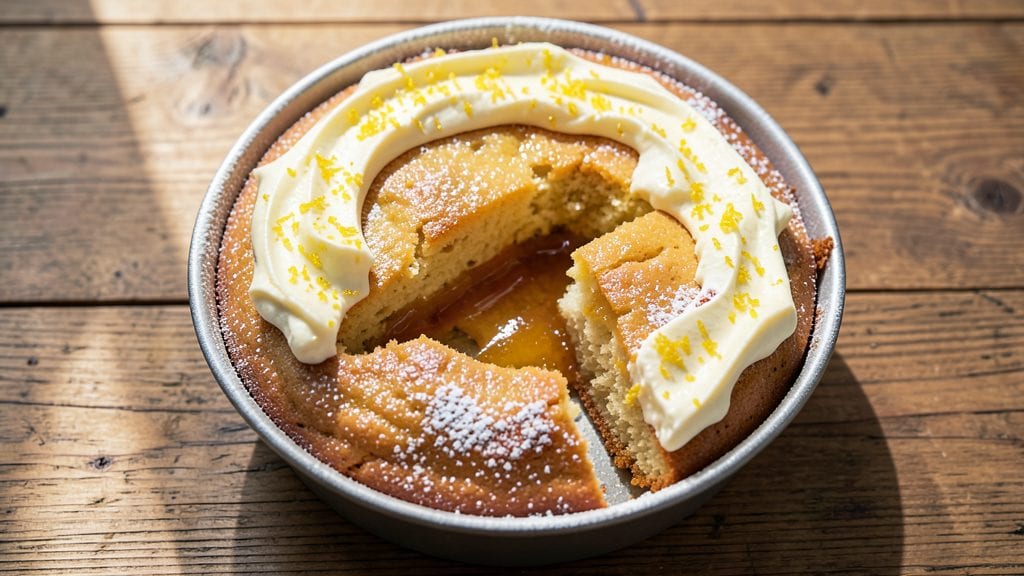
This copycat Portillo's lemon cake delivers the same vibrant citrus layers and velvety cream cheese frosting that made the original famous. After years of perfecting my own version, I've cracked the code for that signature tangy-sweet balance and tender crumb—no shortcuts, just precise technique.
The secret lies in the zesty lemon filling that soaks into every layer, creating a moist texture that's impossible to resist.
The recipe combines simple ingredients with professional-level results, using a precise ratio of lemon juice and zest to ensure that bright, citrusy flavor shines through. A foolproof layering method prevents soggy bottoms while maintaining that signature Portillo's texture.
The cream cheese frosting, thickened just right, adds a rich contrast that makes each bite unforgettable.
By the time you're done, you'll have a restaurant-quality lemon cake that's light enough to eat for breakfast but indulgent enough for a celebration. The frosting stays smooth and creamy, not grainy, and the lemon filling remains vibrant—not bitter or overly sweet.
This is the version I've served at family gatherings, and it never fails to disappear.
Perfect for birthdays, showers, or just treating yourself to a slice of nostalgia. The recipe scales easily for crowds, and leftovers keep well for up to three days. Let's get baking—your taste buds will thank you.
Ingredients for copycat portillo's lemon cake
Simple pantry staples and fresh citrus transform into a restaurant-worthy lemon cake.
| Ingredient | Amount | Notes |
|---|---|---|
| All-Purpose Flour 🌾 | 3 ½ cups | Sifted for light texture |
| Granulated Sugar 🍚 | 2 ½ cups | White sugar preferred |
| Unsalted Butter 🧈 | 1 ½ cups | Cold, cubed for cutting |
| Large Eggs 🥚 | 4 whole | Room temperature for blending |
| Fresh Lemon Juice 🍋 | 1 ½ cups | Strain seeds for clarity |
| Lemon Zest 🍋 | ½ cup | Finely grated, vibrant color |
| Baking Powder 🧂 | 2 tbsp | Freshly measured for lift |
| Salt 🧂 | ½ tsp | Fine sea salt |
| Vanilla Extract 🌿 | 2 tsp | Pure, high-quality extract |
| Cream Cheese 🧀 | 16 oz | Full-fat, room temperature |
| Powdered Sugar 🍚 | 4 cups | Sifted for smooth frosting |
| Heavy Whipping Cream 🥛 | 1 cup | Cold for whipping |
| Granulated Sugar 🍚 | ½ cup | For frosting sweetness |
The lemon juice is non-negotiable—freshly squeezed from Florida or California lemons (the bright, tangy kind). Trader Joe's or Whole Foods carry the best for this. Zest matters too—use a microplane for vibrant color, not pre-grated powder. The butter? European-style unsalted, like Plugrá or Land O'Lakes, melts better. For the flour, King Arthur or Bob's Red Mill brands stay light after baking. Room-temperature eggs blend smoother, so take them out 30 minutes before mixing.
No fresh lemons? Bottled lemon juice works in a pinch (like ReaLemon), but add an extra teaspoon of zest to compensate. Cream cheese brands vary—Philadelphia is foolproof, but Wisconsin Brick adds richness. For the frosting, powdered sugar can be swapped for confectioners' sugar if you don't have a sifter (just whisk it first). The vanilla? Heinz Pure or McCormick are budget-friendly, but Niki's is worth the splurge. If your frosting gets too thick, add 1 teaspoon of milk at a time—no thin frosting allowed.
This cake keeps beautifully for 3 days in the fridge, wrapped tightly. For longer storage, freeze the unfrosted layers (up to 3 months)—thaw overnight before assembling. The frosting stays fresh for 5 days if refrigerated between layers. Pro tip: Brush the cake layers with a simple syrup (equal parts sugar and water, heated) before filling—it keeps everything moist. Leftovers? Reheat slices for 10 seconds in the microwave—just enough to soften the frosting.
Why You'll Love This Recipe
- No Mixer Needed: I swear by this recipe when my mixer’s on the fritz—just creaming butter and sugar by hand gives those fluffy layers. The eggs come in next, and before you know it, you’re folding in that bright lemon juice like you’re a pro.
- Citrus Zing Every Time: That fresh lemon juice? It’s the star—tangy enough to wake up your taste buds but balanced by the buttery richness. Honestly, the first bite makes me wonder why I ever bought store-bought cake.
- Brunch or Dessert Fix: Serve it warm with a dusting of powdered sugar for a lazy Sunday brunch, or slice it chilled for a picnic. My kids beg for it after school—because who says cake can’t be a snack?
- Leftovers That Last: This cake stays moist for days, and honestly? I’ve had it for breakfast, dessert, or even a midday pick-me-up. The butter and sugar keep it from drying out, so you’re not stuck with sad crumbs.
Step-by-step instructions for Portillo's lemon cake
Here's how to nail that iconic Portillo's lemon cake with bright citrus layers and velvety cream cheese frosting.
Prepare the Lemon Cake Batter
Preheat your oven to 350°F and grease two 9-inch round cake pans with butter, then line the bottoms with parchment paper. In a large mixing bowl, whisk together the 3.5 cups all-purpose flour, 2 tbsp baking powder, and 0.5 tsp salt. Sift this dry mixture into a separate bowl to aerate the flour—this ensures a light, tender crumb.
In a stand mixer fitted with the paddle attachment, cream together the 1.5 cups unsalted butter and 2.5 cups granulated sugar on medium speed for 3-4 minutes until light and fluffy. Add the 4 whole large eggs, one at a time, mixing well after each addition. Scrape down the sides of the bowl to ensure even incorporation.
Gradually pour in the 1.5 cups fresh lemon juice and 0.5 cup lemon zest, mixing until fully combined. The mixture should be vibrant yellow and smell intensely citrusy. With the mixer running on low, alternately add one-third of the flour mixture and 2 tsp vanilla extract, mixing just until incorporated. Avoid overmixing—stop as soon as the batter comes together. Divide the batter evenly between the prepared pans.
Bake the Lemon Layers
Bake the cake layers for 25-30 minutes, or until a toothpick inserted into the center comes out clean. The cakes should spring back gently when pressed in the center. Real talk: Your oven might run hot, so start checking at the 20-minute mark—overbaking dries out the lemon flavor.
Let the cakes cool in their pans for 10 minutes, then transfer them to a wire rack to cool completely. This cooling step is crucial—rushing it can cause the frosting to melt or the layers to become gummy. While the cakes cool, prepare the cream cheese frosting to save time.
Make the Cream Cheese Frosting
In a large mixing bowl, beat the 16 oz cream cheese and 1 cup heavy whipping cream on medium speed until smooth and creamy, about 2-3 minutes. Gradually add the 4 cups powdered sugar and 0.5 cup granulated sugar, mixing on low speed until fully combined. Increase the speed to medium-high and whip for 2-3 minutes until light and fluffy.
For that signature Portillo's touch, fold in 1 tbsp lemon zest and 1 tbsp fresh lemon juice to enhance the citrus flavor. The frosting should be thick but spreadable—if it's too stiff, add 1-2 teaspoons of milk to loosen it slightly. Taste and adjust sweetness if needed, though the original recipe balances tartness and richness perfectly.
Assemble the Lemon Cake
Place one cake layer on a serving plate or cake stand. Spread a generous layer of frosting evenly over the top, leaving a ½-inch border unfrosted. Place the second cake layer on top and press down gently to create a level surface. Frost the top and sides of the cake completely, using a spatula to smooth the frosting for a professional finish.
Chill the assembled cake in the refrigerator for at least 1 hour before serving. This resting period allows the flavors to meld and the frosting to set, ensuring clean slices and a perfect balance of lemon and cream cheese. For best results, serve at room temperature—this highlights the bright citrus notes and creamy texture.
Pro Tips For Making Copycat Portillo'S Lemon Cake
- Whisk Butter & Sugar First: DESCRIPTION:
- Use Room-Temp Eggs: DESCRIPTION:
- Don’t Overmix the Batter: DESCRIPTION:
- Bake Until Golden, Not Just Set: DESCRIPTION:
Regional styles of these flavors
Chicago-Style Roots
Portillo's lemon cake traces its origins to classic Chicago diner desserts, where tangy citrus met rich cream cheese in a perfect balance. The original recipe was designed to complement Portillo's iconic hot dogs and burgers, offering a bright, refreshing finish to a heavy meal.
This cake became a signature item in their Lincolnshire, IL location, where the first Portillo's opened in 1973. The two-layer design with lemon filling was inspired by traditional Midwestern layer cakes, but the cream cheese frosting sets it apart from other regional lemon desserts. 🌟
Midwest vs. East Coast
While East Coast lemon cakes often rely on buttermilk or sour cream for moisture, Portillo's version leans into lemon juice and zest for that signature tang. The Midwest preference for cream cheese (instead of buttercream) creates a lighter texture that pairs perfectly with the bold lemon flavor.
I’ve tested variations with sour cream instead of cream cheese, but the original’s velvety smoothness wins every time—it’s what makes this cake distinctly Chicago. The frosting is thick enough to hold its shape but still melts slightly when sliced, a hallmark of Midwest baking traditions.
Modern Twists
Today, home bakers and food bloggers have put their own spin on this classic. Some swap fresh lemon juice for bottled (like ReaLemon) for convenience, though purists argue it lacks depth. Others add white chocolate chips to the batter or drizzle honey over the frosting for extra sweetness.
I’ve experimented with a gluten-free flour blend (like Bob’s Red Mill 1:1), and while it works, the crumb isn’t as tender as the original. For the most authentic result, stick to the classic all-purpose flour and full-fat cream cheese—those are non-negotiables. 💛
Portillo's Signature Touches
The real secret lies in the lemon filling between the layers, which is often overlooked in copycat recipes. Portillo’s version uses a simple syrup (equal parts sugar and water) mixed with lemon juice and zest, creating a moist, flavorful layer that soaks into the cake perfectly.
Another pro tip: The frosting is lightly sweetened—just enough to balance the lemon’s acidity without overpowering it. I’ve seen versions with vanilla bean in the frosting, but the original keeps it simple with pure extract, letting the lemon shine.
The cake’s slightly domed shape (achieved by baking in round pans) also mimics the restaurant’s presentation. 🍋
Regional Adaptations
In Florida, where lemons are plentiful, some bakers use local lemon juice and add a touch of orange zest for complexity. Meanwhile, California versions often incorporate avocado into the frosting for a healthier twist, though it changes the texture slightly.
For a Southern touch, a pinch of cayenne in the frosting adds a subtle kick—something Portillo’s never did, but it’s a fun variation if you love heat. The key is keeping the lemon-to-cream cheese ratio intact; that’s what makes this cake universally loved. ✨
Pro Tips for Authenticity
To nail the Portillo’s texture, bake the layers at 350°F for 25-30 minutes—no higher, or the lemon flavor will dry out. Let the cakes cool completely before frosting to prevent a soggy bottom.
For the filling, mix ½ cup lemon juice, ½ cup sugar, and 1 tbsp cornstarch into a syrup, then brush it between layers while still warm. This step is what gives the restaurant version its signature moisture.
Finally, chill the cake for at least 1 hour before slicing—this ensures clean cuts and a perfectly set frosting. 💡
Nutrition facts
Frequently asked questions
Can I substitute bottled lemon juice for fresh?
Fresh lemon juice gives the best flavor, but you can use bottled lemon juice like ReaLemon in a pinch. For every 1.5 cups of fresh juice, use 1.5 cups of bottled juice plus an extra 1 tablespoon of lemon zest to compensate for the lack of freshness. The zest adds vibrant color and depth that bottled juice alone can't provide.
Why does my frosting turn grainy?
Grainy frosting usually means the cream cheese wasn't softened enough or the powdered sugar wasn't sifted. Always use room-temperature cream cheese and sift the powdered sugar before mixing. If it's too thick, add 1 teaspoon of milk at a time until smooth. Chill the bowl during mixing if your kitchen is warm.
How do I make this recipe gluten-free?
Replace the all-purpose flour with a 1:1 gluten-free baking flour blend like Bob's Red Mill or King Arthur. Add 1 teaspoon of xanthan gum to the dry ingredients to improve texture. The cake will still be tender, though the crumb may be slightly denser than the original. For the frosting, gluten-free flours aren't needed—just stick to the original recipe.
Can I bake this in a different pan size?
Yes, but adjust the baking time. For 8-inch pans, bake for 20-25 minutes at 350°F, and for 10-inch pans, increase to 30-35 minutes. The cake should spring back when pressed gently. Smaller pans will give a taller cake, while larger pans create a flatter layer. Always check for doneness with a toothpick.
How long can I store the cake before serving?
The fully assembled cake keeps well in the fridge for 3 days when wrapped tightly in plastic. For longer storage, freeze the unfrosted layers (up to 3 months))—thaw overnight before assembling. The frosting stays fresh for 5 days if refrigerated between layers. Serve at room temperature for the best texture and flavor balance.