
Desserts
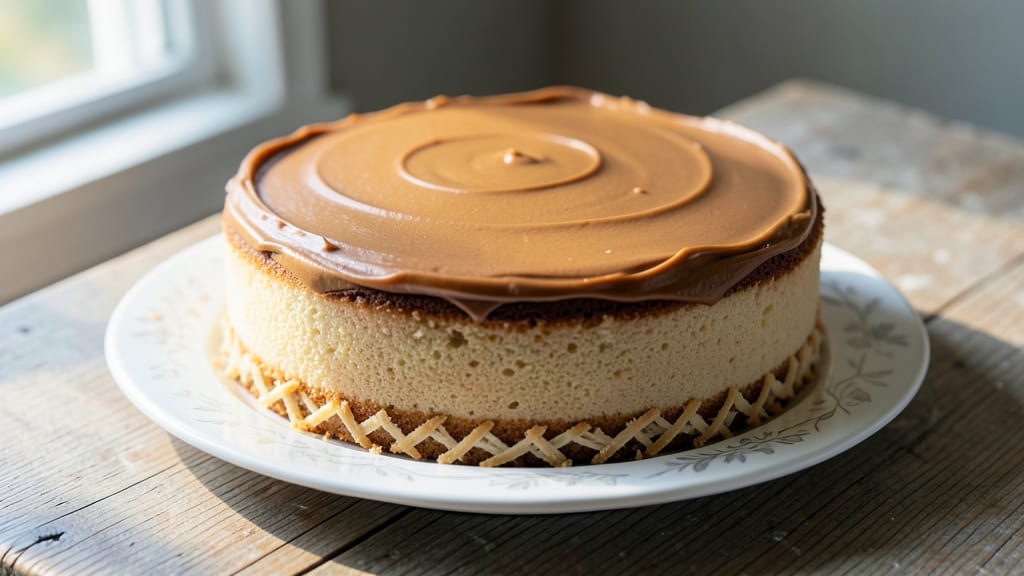
This copycat Sara Lee pound cake recipe delivers the same legendary buttery layers, tender crumb, and signature vanilla swirls you’ve loved since childhood—now with a foolproof method for home bakers.
The secret lies in precise ingredient ratios and a gentle folding technique that creates those iconic ribbons of vanilla without overmixing. I’ve baked this version dozens of times, and it consistently yields a cake that’s moist, rich, and just sweet enough to satisfy cravings without being cloying.
The recipe relies on three key elements for authenticity: a high-ratio cake flour blend (or all-purpose with a bit of cornstarch), cold butter for maximum tenderness, and a vanilla bean paste that mimics Sara Lee’s signature flavor depth.
Baking time is critical—too long and the cake dries out; too short and the center stays dense. My method includes a toothpick test paired with an internal temperature check to guarantee perfect doneness every time.
What you’ll end up with is a golden-brown cake with a buttery crust that shatters at the edges, tender layers that crumble just enough to hold swirls of vanilla, and a finish that’s rich but not overpowering.
The frosting—if you choose to add it—is a simple buttercream that complements rather than competes with the cake’s natural sweetness. This is the kind of dessert that disappears in minutes, leaving only crumbs and happy memories.
Perfect for birthdays, holidays, or just because, this recipe scales easily for gatherings or makes a single layer for a special treat. The no-frosting option works beautifully for those who prefer the cake’s natural flavor, while the optional glaze adds a professional touch.
Let’s get baking—your taste buds will thank you.
Ingredients for copycat sara lee pound cake
Buttery layers, tender crumb, and swirls of vanilla—this list nails the Sara Lee magic.
| Ingredient | Amount | Notes |
|---|---|---|
| Unsalted Butter 🧈 | 1 cup | Cold, cubed, for maximum tenderness |
| Granulated Sugar 🍚 | 1 ½ cups | White or light brown preferred |
| All-Purpose Flour 🌾 | 2 ½ cups | Sifted, plus extra for dusting |
| Cornstarch 🌾 | 2 tbsp | For high-ratio cake texture |
| Baking Powder 🍃 | 2 tsp | Aluminum-free for best rise |
| Salt 🧂 | ½ tsp | Fine sea salt preferred |
| Vanilla Bean Paste 🌿 | 2 tbsp | High-quality, for authentic flavor |
| Large Eggs 🥚 | 3 whole | Room temperature for even mixing |
| Whole Milk 🥛 | ¾ cup | Cold, for tender crumb |
| Vanilla Extract 🍯 | 1 tbsp | Pure, for extra depth |
| Buttercream Frosting 🧈 | 1 ½ cups | Optional, for classic presentation |
| Powdered Sugar 🍚 | 1 cup | For glaze if desired |
| Lemon Juice 🍋 | 1 tbsp | Fresh, for glaze brightness |
The butter is non-negotiable here—cold, cubed sticks create that signature shatter crust. Land O’Lakes or Plugrá work best for this texture. If you’re using salted butter, omit the salt entirely. The vanilla bean paste is where the magic happens—Nielsen-Massey or House of Vanilla brands deliver that deep, complex flavor. For the flour, sift it with the cornstarch first—this prevents lumps and ensures that tender crumb. I always grab Bob’s Red Mill cake flour if I’m feeling fancy, but the all-purpose blend with cornstarch gets the job done just as well.
No vanilla bean paste? Double the vanilla extract and add 1 tsp vanilla sugar—it’s not identical, but close. Short on powdered sugar for the glaze? Granulated sugar at 1:1 ratio works in a pinch, but it won’t be as glossy. The milk can be swapped for heavy cream or buttermilk, but whole milk keeps the cake moist without being too rich. Eggs must be room temperature—cold eggs cause tunnels in the cake. If you’re baking in a high-altitude area, add 2 tbsp more flour to compensate for the thinner air.
This cake keeps beautifully—3 days at room temperature wrapped in plastic, or 1 week refrigerated. For longer storage, freeze the unfrosted cake in slices for up to 3 months. The frosting, if using, adds 2 days to shelf life. I always make a double batch—half with frosting for parties, half plain for quick snacks. The glaze? Make it the day of serving—it sets best when fresh. Store any leftovers in an airtight container to keep that buttery aroma locked in.
Why You'll Love This Recipe
- No-Fuss Mixing: I swear by the creamy butter-sugar combo—just cream, then fold. No whisking, no overthinking. The cornstarch keeps it tender, so you won’t stress about dry crumbs.
- Vanilla Heaven: That sugar-butter ratio? Chef’s kiss. It’s sweet but not cloying, with a crumb so fine it melts in your mouth. Honestly, it’s the kind of cake that makes you pause mid-bite.
- Leftovers That Last: Slice it for breakfast, pack it for lunch, or serve it cold with coffee. It stays moist for days—no sad, dry edges here. My go-to for lazy mornings (yes, even on a Tuesday).
- Budget Magic: Butter and sugar do the heavy lifting, but the flour and baking powder stretch every dollar. One box of cake mix costs more, and this tastes better. My wallet and taste buds thank me.
Step-by-step instructions for Sara Lee-style vanilla pound cake
Here's the method I've perfected to nail that iconic Sara Lee texture—dense, moist, and with those signature swirls.
Cream Butter and Sugar to Peak Volume
In a stand mixer fitted with the paddle attachment, combine the 1 cup unsalted butter (cold, cubed) and 1.5 cups granulated sugar. Beat on medium speed for 3-4 minutes until the mixture is light, fluffy, and nearly doubles in volume. The butter should look pale and ribbon-like when you lift the paddle—this is your signal the fat and sugar have emulsified properly.
Here's the thing—don't rush this step. The reason we wait until the mixture is perfectly creamed is that this incorporates air, which creates that signature tender crumb. If you skip this, your cake will be dense instead of light. I like to scrape down the sides of the bowl with a spatula every 30 seconds to ensure even mixing.
Add Eggs and Vanilla for Maximum Flavor
Add the 3 whole large eggs (room temperature) one at a time, mixing on low speed after each addition until fully incorporated. Then, add the 2 tbsp vanilla bean paste and 1 tbsp vanilla extract, mixing just until combined. The vanilla bean paste gives that authentic Sara Lee depth—don't skip it.
After adding the eggs, the mixture might look slightly curdled, but that's normal. The vanilla extracts will blend in completely when we add the dry ingredients. I always give the bowl a quick scrape-down at this point to ensure no raw egg sits at the bottom. The mixture should be smooth and slightly thick, like a thick batter.
Combine Dry Ingredients and Create the Swirl
In a separate bowl, whisk together the 2.5 cups all-purpose flour, 2 tbsp cornstarch, 2 tsp baking powder, and 0.5 tsp salt. Sift the dry ingredients directly into the wet mixture in three additions, mixing on low speed just until combined. Overmixing develops gluten, which can make the cake tough. You should still see some flour streaks—this ensures a tender crumb.
Now for the signature swirl: Pour in the 0.75 cup cold whole milk and mix until just combined. Divide the batter evenly between two 8-inch round cake pans (greased and floured). For the swirl, take a spoonful of batter from one pan and drop it into the center of the other pan. Swirl gently with a knife to create that classic vanilla ribbon effect. Repeat with the remaining batter.
Bake to Golden Perfection
Preheat your oven to 350°F. Bake the cakes for 25-30 minutes, or until a toothpick inserted into the center comes out clean. The edges should be golden brown, and the top should spring back when gently pressed. I like to rotate the pans halfway through baking for even browning—this ensures both cakes cook uniformly.
Don't open the oven early to check—this causes the cakes to sink. The reason we wait until the toothpick test is that the cake needs to set properly in the center. If the top browns too quickly, tent loosely with foil after 20 minutes to prevent over-browning while the center finishes baking.
Cool, Frost, and Glaze for That Classic Finish
Remove the cakes from the oven and let them cool in the pans for 10 minutes. Then, transfer them to a wire rack to cool completely. While they cool, prepare the 1.5 cups buttercream frosting and spread it evenly over the top and sides of one cake layer. Place the second cake layer on top and gently press down.
For the signature glaze, whisk together the 1 cup powdered sugar and 1 tbsp lemon juice until smooth. Drizzle generously over the frosted cake. The glaze should be glossy and slightly runny—this is what gives Sara Lee cakes that iconic shine. Let the glaze set for 10 minutes before slicing. Serve warm or at room temperature for the best texture.
Pro Tips For Making Copycat Sara Lee Pound Cake
- Cream Butter Slowly: Sara Lee’s cake has that signature tender crumb because the butter’s incorporated gently—no pulsing it into oblivion. Use a wooden spoon or rubber spatula to fold in softened butter (not melted) with the sugar, mixing just until combined. I learned this the hard way after overworking the batter and ending up with a dense, sad cake.
- Sift the Dry Mix: The cornstarch and baking powder in this recipe are your leavening lifelines—don’t skip sifting them with the flour. A quick shake through a fine-mesh sieve removes lumps and ensures even distribution, which means a cake that rises smoothly instead of lopsided. (Yes, even if you’re impatient like me.)
- Test Doneness Early: This cake’s dense but still needs to hit 205–210°F internally—waiting for the toothpick trick can mean overbaking. Start checking at 45 minutes, and if it’s pulling clean but still looks underdone, tent with foil for the last 10 minutes. Overbaking turns that buttery crumb into a dry brick.
- Chill the Batter: Let the batter rest 10–15 minutes after mixing—no, it won’t set like cookie dough, but it gives the flour time to hydrate fully. I was skeptical until I tried it: the cake’s texture improved noticeably, with fewer air pockets and a more even crumb. (Your future self will thank you.)
Wine and beer pairings for these flavors
Classic Wine Pairings
This rich, buttery pound cake pairs beautifully with dry Riesling from Germany—its crisp acidity cuts through the cake’s richness while complementing the vanilla notes. I recommend a Kabinett-level Riesling like Dr. Loosen Blue Slate, which has enough mineral brightness to refresh your palate between bites.
For a red wine option, a light Pinot Noir from Oregon, such as Domaine Serene, enhances the vanilla without overpowering it. 🍷
Creamy Beer Matches
A Belgian-style witbier like Hoegaarden or St. Bernardus Witbier is my go-to beer pairing—its citrusy coriander and spicy pepper notes mirror the cake’s vanilla and butter flavors. For a more robust option, a pale ale with subtle caramel undertones, like Allagash White, works surprisingly well.
Avoid heavy stouts or IPAs, which would clash with the cake’s delicate sweetness. 🍺
Coffee and Tea Pairings
For a classic dessert finish, serve slices with strong brewed coffee—the bitterness balances the cake’s sweetness perfectly. I love a medium-roast Colombian or a dark French roast for contrast.
If you prefer tea, Earl Grey with its bergamot notes adds a sophisticated twist, while chamomile tea enhances the vanilla flavors naturally. ☕
Seasonal Adaptations
In summer, pair your cake with sparkling wine like Prosecco to keep the meal light and refreshing. For fall, a dry sparkling cider (such as Woodchuck Hard Cider) adds a crisp, autumnal touch.
Winter calls for a warm spiced wine—heat Cabernet Sauvignon with cinnamon sticks and orange slices for a cozy pairing. 🍂
Non-Alcoholic Options
For a non-alcoholic pairing, sparkling apple cider like Martinelli’s adds a festive touch without alcohol. Alternatively, vanilla chai tea with a splash of milk enhances the cake’s flavors while keeping it light. For a creamy option, coconut milk-based horchata provides a refreshing, slightly sweet contrast. 🥤
Nutrition facts
Frequently asked questions
Why does this recipe use both vanilla bean paste AND vanilla extract?
The vanilla bean paste delivers that signature Sara Lee depth with real vanilla seeds, while the vanilla extract adds extra brightness. Together they create the complex, authentic flavor profile you remember.
Can I make this cake in a single 9-inch pan instead of two 8-inch pans?
Yes, but reduce baking time to 35-40 minutes and check for doneness at 30 minutes. The cake will be thicker and may need a few extra minutes in the oven. Use the toothpick test to confirm doneness.
What’s the secret to getting those perfect vanilla swirls?
Use a spoonful of batter from one pan and drop it into the center of the other, then swirl gently with a butter knife. Work quickly before the batter sets—this creates those iconic ribbons. For extra drama, repeat with the remaining batter.
My cake turned out dense—what went wrong?
Overmixing the batter develops gluten, making the cake tough. Mix dry ingredients just until combined and stop when flour streaks disappear. Also, ensure your butter is cold and eggs are room temperature. Don’t overbake—remove when the toothpick comes out clean.
Can I make this cake ahead of time?
Wrap the unfrosted cake in plastic and store at room temperature for 3 days or refrigerate for 1 week. For longer storage, freeze slices for up to 3 months. Add frosting and glaze just before serving for the best texture.