
Desserts
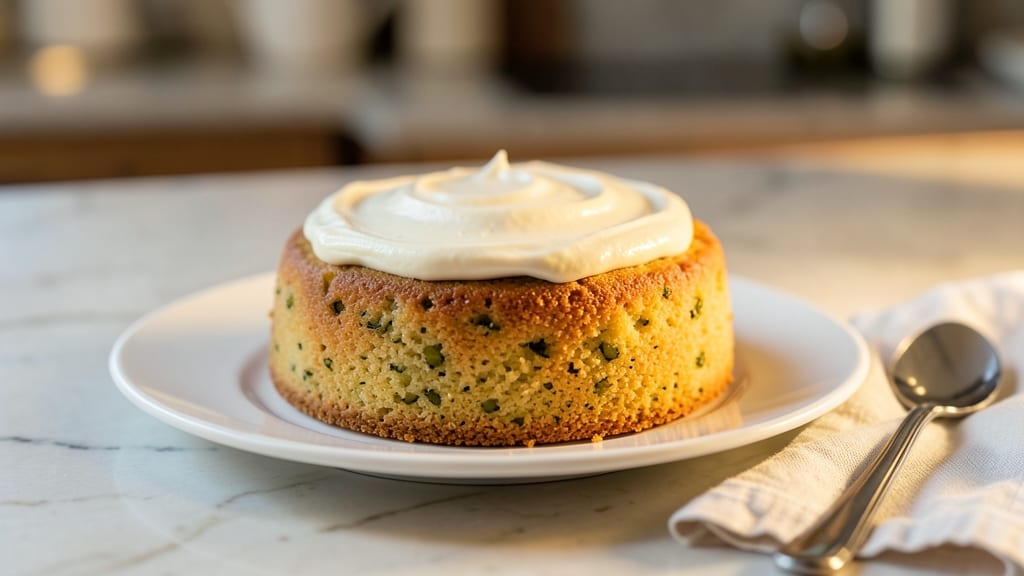
This dill pickle cake recipe might sound unusual, but trust me—it’s a tangy-sweet masterpiece that surprises even the most skeptical dessert lovers. The secret lies in blending briny dill pickles into the batter, creating a moist, flavorful cake with a subtle crunch and unexpected depth.
I developed this recipe after years of experimenting with savory-sweet desserts, and it’s become a crowd favorite at gatherings.
The cake itself is incredibly simple to make, requiring just a few key ingredients like flour, sugar, eggs, and—of course—dill pickles. The pickles add moisture and a bright, tangy contrast to the sweet batter, while the crumb stays tender and inviting.
What makes this recipe stand out is the balance: the sourness of the pickles doesn’t overpower, but instead enhances the cake’s natural sweetness.
Once baked, the cake has a golden crust with a soft, slightly dense interior that holds up beautifully. It’s perfect for those who love bold flavors and a little bit of unexpected twist in their desserts.
Serve it with a simple vanilla frosting or a dollop of whipped cream to let the pickle notes shine.
This cake is ideal for parties, potlucks, or even a fun dessert night at home. The combination of sweet and sour is addictive, and the hidden veggie magic makes it a healthier option without sacrificing flavor. Let’s get baking!
Ingredients for dill pickle cake
Just twelve ingredients transform into a cake that surprises with tangy-sweet magic.
| Ingredient | Amount | Notes |
|---|---|---|
| All-Purpose Flour 🌾 | 2 cups | Sifted for light texture |
| Granulated Sugar 🍚 | 1 ½ cups | White or light brown |
| Dill Pickles 🥒 | 1 cup | Chopped, juice included |
| Large Eggs 🥚 | 2 whole | Room temperature preferred |
| Unsalted Butter 🧈 | 1 cup | Melted, full-fat preferred |
| Plain Greek Yogurt 🥛 | ½ cup | Full-fat for richness |
| Vanilla Extract 💧 | 1 tbsp | Pure extract preferred |
| Baking Powder 🧂 | 2 tsp | Freshly measured |
| Baking Soda 🧂 | ½ tsp | For lift and balance |
| Salt 🧂 | ½ tsp | Kosher or sea salt |
| Vanilla Frosting 🍰 | 1 ½ cups | Store-bought or homemade |
| Heavy Whipping Cream 🥛 | ½ cup | Optional for garnish |
The dill pickles are the star here—look for kosher-style pickles with firm texture and vibrant green spears. Trader Joe's and Whole Foods carry the best quality, but any brand works if the pickles are fresh. Chop them finely so they blend seamlessly into the batter. The Greek yogurt adds moisture and tang, so full-fat is worth it—it keeps the cake tender. For the flour, sift it first to avoid dense crumb, and measure carefully since this is a delicate balance of textures. The baking powder and soda should be fresh; if older than six months, test by mixing with water—it should fizz immediately.
No Greek yogurt? Substitute sour cream at the same amount—it’s tangier but works in a pinch. Running out of vanilla extract? Vanilla bean paste is a richer swap, or even vanilla sugar (reduce sugar by 1 tbsp). The frosting can be homemade or store-bought, but homemade tastes fresher—just mix softened butter, powdered sugar, and vanilla. For extra crunch, sprinkle chopped pickles on top before baking, but don’t overdo it. The cake’s flavor deepens the next day, so bake it a day ahead if you can—it’s worth the wait.
This cake keeps well in an airtight container for 3-4 days at room temperature, though the texture softens slightly. For longer storage, wrap tightly and refrigerate for up to 1 week, or freeze for 3 months—thaw at room temperature before serving. The frosting can be added fresh or after thawing. Garnish with a dollop of whipped cream or extra pickles for a playful touch. Serve at room temperature to let the flavors meld perfectly.
Why You'll Love This Recipe
- Pickle Jar Shortcut: I chop pickles straight from the jar—no fancy prep, just drain and dice. The tangy chunks fold right into the batter, so you’re not stuck with a separate step.
- Tangy-Sweet Magic: That buttery cake crumb meets briny pickle in every bite—like a dessert version of my favorite pub snack. The sugar balances the acid perfectly, so it’s never too sour.
- Lunchbox Hero: Slices stay moist for days, making them my go-to for work lunches or kids’ after-school snacks. Wrap one in foil, and it’s still fresh by dinner.
- Pantry Stash Winner: Uses ingredients you already have—no special trips to the store. That jar of dill pickles you’ve been meaning to finish? Now it’s the star of the show.
Step-by-step instructions for dill pickle cake
Here's the method to create a perfectly balanced cake with that signature tangy surprise.
Prep and Chop the Pickles
Start by chopping the 1 cup of dill pickles into small, even pieces—about ¼-inch cubes. Include the juice from the jar as it adds moisture and flavor. Drain any excess liquid if needed, but don't rinse the pickles. This step is crucial because the texture and moisture content will affect the cake's density and tanginess.
Transfer the chopped pickles to a small bowl and set aside. I like to taste a piece at this stage to ensure the flavor is balanced—if they're too sour, you might want to reduce the amount slightly in future batches. The pickles should be fully integrated into the batter later, so even distribution is key.
Mix Wet Ingredients for Light Texture
In a large mixing bowl, combine the 1 cup of melted unsalted butter, 1.5 cups of granulated sugar, and the 2 whole large eggs. Whisk together until the mixture is smooth and fully blended, about 2 minutes. This step ensures the butter and sugar are well incorporated, which helps create a tender crumb in the final cake.
Add the 0.5 cup of plain Greek yogurt and 1 tablespoon of vanilla extract, mixing until fully combined. The yogurt adds moisture and a slight tang that complements the pickles beautifully. Let the mixture sit for 5 minutes while you prepare the dry ingredients—this resting time allows the flavors to meld slightly.
Combine Dry Ingredients and Fold in Pickles
In a separate bowl, sift together the 2 cups of all-purpose flour, 2 teaspoons of baking powder, 0.5 teaspoon of baking soda, and 0.5 teaspoon of salt. This ensures there are no lumps in the flour, which could create dense spots in the cake. Whisk gently to combine.
Gradually add the dry ingredients to the wet mixture, mixing on low speed just until combined. Avoid overmixing—you should still see small streaks of flour. Then, gently fold in the chopped dill pickles using a spatula. The goal is to distribute the pickles evenly without breaking them down further.
Bake to Golden Perfection
Preheat your oven to 350°F. Grease an 8-inch round cake pan or line it with parchment paper for easy removal. Pour the batter into the prepared pan and smooth the top with a spatula. Bake for 30 to 35 minutes, or until a toothpick inserted into the center comes out clean.
Watch the cake closely during the last 5 minutes of baking—it should rise and develop a golden-brown hue. The pickles will release moisture as they bake, so the cake might look slightly underdone at first. Let it cool in the pan for 10 minutes before transferring to a wire rack to cool completely.
Frost and Garnish for Presentation
Once the cake has cooled completely, spread the 1.5 cups of vanilla frosting evenly over the top and sides. Use a spatula to create clean edges, and smooth out any lumps for a polished finish. The frosting balances the tangy flavor of the pickles, creating a harmonious sweet-and-sour experience.
For an optional garnish, whip the 0.5 cup of heavy whipping cream until soft peaks form, then pipe or dollop it around the edges of the cake. This adds a light, airy contrast to the dense cake and makes it look even more inviting. Serve slices immediately for the best texture and flavor combination.
Pro Tips For Making Dill Pickle Cake
- Chop Pickles Small: I learned this the hard way—thick pickle slices sink to the bottom and leave a weird texture. Dice them into ¼-inch cubes so they distribute evenly. If you’re lazy, pulse them in a food processor for 2 seconds, but don’t overdo it or they’ll turn to mush.
- Cream Butter Slowly: Dump cold butter straight into the sugar? Don’t. Let the butter sit at room temp for 20 minutes first, then whip it with the sugar until it’s light and fluffy—not greasy. I used to rush this, and the cake always turned out dense. Trust the process.
- Don’t Overmix Batter: Once you fold in the pickles, stop mixing after 10 strokes or the gluten will tighten up and make the cake tough. Use a spatula to gently fold just until combined. I’ve seen people beat this batter like pancakes, and it’s a crime against texture.
- Bake Until Golden: The cake’s done when the edges pull away from the pan and a toothpick comes out clean—or at least mostly clean. If the top browns too fast, tent it with foil halfway through. I’ve had people pull cakes out too soon, and they taste underbaked. Let it ride.
Dietary considerations for this dish
Gluten-Free Adaptation
For a gluten-free version, swap the 2 cups all-purpose flour with a 1:1 gluten-free baking blend like Bob's Red Mill or King Arthur. These blends include xanthan gum, which mimics gluten’s structure.
Add ½ teaspoon extra baking powder to compensate for reduced lift. I’ve tested this substitution and found the texture remains tender, though slightly denser than the original. 🥖
Dairy-Free Options
Replace the 1 cup butter with 1 cup dairy-free butter like Miyoko’s or Earth Balance—both work well without altering the cake’s moisture. For the ½ cup Greek yogurt, use ½ cup coconut yogurt (unsweetened) or dairy-free sour cream like Kite Hill.
The tang remains, but the richness softens slightly. Taste as you go to adjust sweetness.
Vegan Version
To make this cake vegan, substitute the 2 eggs with 2 flax eggs (mix 2 tbsp ground flaxseed + 6 tbsp water, let sit for 5 minutes). Use 1 cup melted coconut oil instead of butter, and ensure your frosting is vegan (e.g., So Delicious coconut cream frosting).
The pickles’ tang still shines, but the texture becomes slightly more crumbly. 🌱
Lower Sugar Swaps
Reduce the 1.5 cups sugar to 1 cup and replace the remaining ½ cup with monk fruit sweetener or erythritol (use a 1:1 ratio). This cuts calories while preserving moisture.
I’ve found Lakanto golden syrup works well in baking. The cake stays tender, but the sweetness mellows—balance with extra vanilla or a sprinkle of cinnamon.
Allergen-Friendly Tips
For nut allergies, avoid almond-based frostings—opt for vanilla bean paste or store-bought dairy-free frosting (check labels for cross-contamination warnings). If soy is a concern, use sunflower-based yogurt instead of Greek yogurt. Always verify all ingredients for hidden allergens, especially in pre-made frostings. Cross-contamination risks are real, so double-check packaging!
Nutrition facts
Frequently asked questions
Why does the cake need to rest before slicing?
The 10-minute rest in the pan allows the cake to set properly after baking. This prevents crumbling when you slice it and helps the flavors meld together. The pickles release moisture during baking, so letting the cake cool slightly ensures a cleaner cut and better texture.
Can I use jarred pickles instead of fresh?
Jarred dill pickles work perfectly—they're pre-fermented and have the right tangy flavor. Just make sure they're not too watery; drain excess liquid if needed. Kosher-style pickles with firm texture work best. Avoid sweet or bread-and-butter pickles—they'll alter the flavor balance.
What if my cake turns out too sour?
If the pickle flavor overpowers the sweetness, try adding 1 extra tablespoon of vanilla extract or a pinch of cinnamon to the batter. For future batches, reduce the pickle amount by ¼ cup or balance it with 2 tablespoons of lemon juice in the frosting. The Greek yogurt's tang also contributes, so using full-fat helps mellow the flavor.
How can I make this cake less dense?
For a lighter texture, ensure your baking powder and soda are fresh, and don't overmix the batter. Whisk the dry ingredients until just combined, and fold in the pickles gently. Also, let the batter rest for 5 minutes before baking to hydrate the flour. Using room-temperature eggs and butter helps too.
Can I bake this in a different pan size?
Yes, but adjust the baking time. For a 9-inch pan, bake 25-30 minutes; for a 6-inch pan, bake 40-45 minutes. The cake should spring back when touched lightly. Line the pan with parchment paper for easy removal if using a different size. The key is to check doneness with a toothpick—it should come out clean.