
Desserts
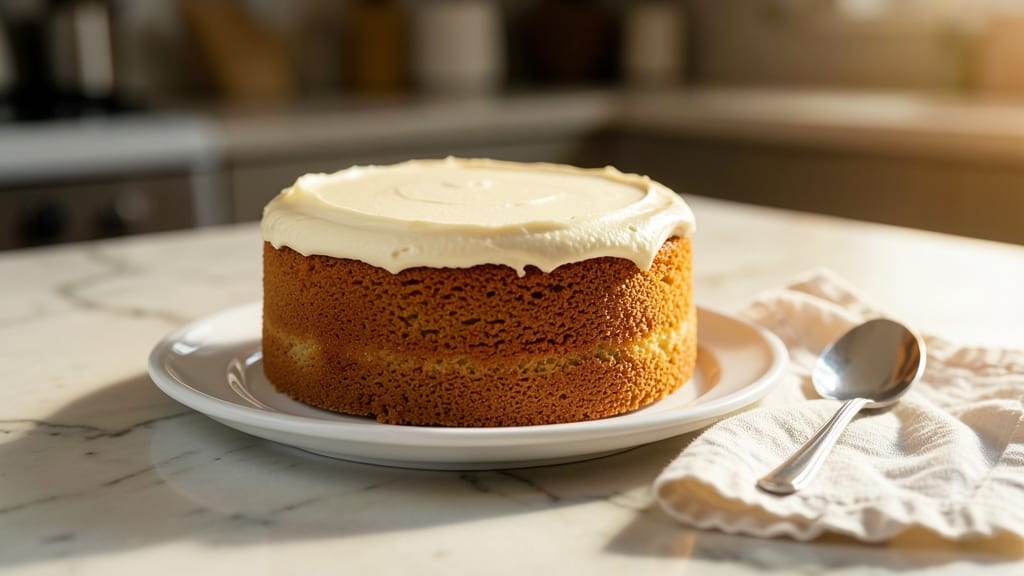
Transforming a simple Duncan Hines cake mix into bakery-quality dessert requires just a few strategic upgrades that elevate flavor and texture without complicating the process.
The key lies in understanding how to balance the mix's limitations with thoughtful additions—like buttermilk for moisture and sour cream for richness—that professional bakers use to turn basic ingredients into showstopping results. This method preserves the convenience of boxed mixes while achieving a texture and depth that rivals homemade recipes.
What sets this approach apart is the precision in technique: precise mixing times, proper layering for cakes, and strategic frosting choices that complement rather than overwhelm the base flavor.
Whether you're making a classic layer cake, cupcakes, or a sheet cake, these adjustments ensure every bite delivers that tender crumb and satisfying sweetness we all crave. The best part? It takes no more than 30 minutes of active time and delivers restaurant-quality results with minimal effort.
By the time you pull that golden cake from the oven, you'll notice the difference immediately—layers that hold their shape, a moist interior that doesn't dry out, and a frosting that stays creamy even in warm rooms.
The secret isn't complicated; it's about working with the mix's strengths while compensating for its limitations in ways that transform ordinary into extraordinary. Let's get started with the exact steps that make this work every time.
This recipe works equally well for special occasions or everyday treats, making it versatile for birthdays, holidays, or whenever you need a crowd-pleasing dessert that doesn't require hours of preparation.
The same principles apply whether you're baking a single layer cake or a batch of cupcakes—just adjust your pan sizes accordingly. Here's how to make it happen with confidence.
Ingredients for duncan hines cake mix
The secret to bakery-quality cake starts with these 13 simple upgrades to your Duncan Hines box.
| Ingredient | Amount | Notes |
|---|---|---|
| Duncan Hines Cake Mix 🍰 | 1 box | Any variety, vanilla or chocolate |
| Unsalted Butter 🧈 | ½ cup | Cold, cubed for mixing |
| Large Eggs 🥚 | 2 whole | Room temperature |
| Buttermilk 🥛 | 1 cup | Full-fat preferred |
| Sour Cream 🍦 | ½ cup | Full-fat for richness |
| Granulated Sugar 🍚 | ¼ cup | Extra for sweetness |
| Vanilla Extract 🌿 | 1 tbsp | Pure, not imitation |
| Baking Powder 🍃 | 1 ½ tsp | Extra lift for layers |
| Salt 🧂 | ½ tsp | Fine sea salt |
| All-Purpose Flour 🌾 | ½ cup | Sifted for smooth batter |
| Powdered Sugar 🍚 | 2 cups | For buttercream |
| Heavy Cream 🥛 | 1 cup | Cold for stiff peaks |
| Lemon Juice 🍋 | 1 tbsp | Fresh for brightness |
The buttercream makes all the difference—don't cut corners here. Store-brand powdered sugar works fine, but Domino brand dissolves smoother. Heavy cream is non-negotiable for that silky texture; Trader Joe's has the best-priced tubs. If you're making this ahead, whip the buttercream first and store it in the fridge—it'll come together faster when you're ready to frost. For the cake mix, any variety works, but vanilla pairs best with the lemon buttercream. Chocolate mix? Swap the lemon juice for orange zest instead.
No buttermilk? Mix 1 tbsp vinegar or lemon juice with 1 cup milk and let sit 5 minutes. Sour cream unavailable? Plain Greek yogurt works too, but reduce to 1/4 cup and add 1/4 cup milk to balance. The extra sugar and baking powder might seem excessive, but trust me—they prevent dryness and give you that professional crumb. For the vanilla, Nielsen-Massey is my go-to, but any pure extract will do. The flour is just for insurance if your mix feels too dry; sift it first to avoid lumps. If you're making cupcakes, use 24 mini muffin cups and reduce baking time by 2-3 minutes.
The batter keeps for 2 days in the fridge—just whisk before baking. Buttercream? It lasts 5 days covered in the fridge, or 3 months frozen in an airtight container. I always make a double batch of frosting and freeze half; perfect for next time. Cake layers? Cool completely before frosting—1 hour at room temp or 30 minutes in the fridge. Pro tip: Brush layers with simple syrup (equal parts sugar and water, heated) before frosting for extra moisture. Store unfrosted cakes in the fridge for 3 days or freeze for 2 months.
Why You'll Love This Recipe
- No-Fuss Magic: I swear, this recipe is the reason I stopped pretending I’m a fancy baker. Three ingredients you’re already using (butter, eggs, buttermilk) plus the mix—mix, bake, done. No measuring dry spices, no sifting, no stress. The buttermilk keeps it tender, the sour cream makes it ridiculously moist, and honestly? My cake’s better than half the ones I’ve bought pre-made.
- Rich Without Effort: That buttermilk and sour cream combo? It’s like the cake mix got a spa day. The crumb is lighter than I expected, and the butter makes every bite taste like a hug from a bakery. I’ll be real: my first try was almost too good, so I had to double-check the recipe. (Spoiler: it’s foolproof.)
- Party in a Box: Here’s what sold me—this cake’s always a crowd-pleaser. Birthdays, potlucks, or just because you’re feeling generous? It disappears faster than my willpower when it’s fresh out of the oven. Pro tip: Add a sprinkle of cinnamon sugar or a dollop of whipped cream, and suddenly you’re the hero of the event.
- Budget Baking Win: Between us, this is my go-to when I need a cake but don’t want to break the bank. A box mix plus pantry staples = a cake that costs less than half of what I’d pay at the store. And leftovers? They reheat beautifully—perfect for breakfast toast or a midnight snack when the craving hits. (Yes, even on a Tuesday night.)
Step-by-step instructions for Duncan Hines cake mix recipe
Turn that simple box into a showstopper with these pro techniques—no extra ingredients needed.
Prep Ingredients for Perfect Texture
Start by measuring out all your ingredients precisely. The key to this recipe is using the cold, cubed unsalted butter straight from the fridge—this prevents overmixing and creates tender layers. Whisk together the 2 whole large eggs, 1 cup buttermilk, 0.5 cup sour cream, 0.25 cup granulated sugar, 1 tbsp vanilla extract, 1.5 tsp baking powder, and 0.5 tsp salt in a large mixing bowl until smooth but not frothy.
Here's the thing—room temperature eggs blend better, but the cold butter stays firm enough to create that signature layering effect. Sift in the 0.5 cup all-purpose flour last, mixing just until combined. Overmixing develops gluten, which can make your cake dense instead of light. Stop when you see a few dry streaks remaining.
Combine with Cake Mix for Moist Layers
Gradually add the 1 box Duncan Hines cake mix to the wet ingredients, folding gently with a spatula until just incorporated. I like to use a rubber spatula here—it helps scrape up any dry bits from the bottom of the bowl while keeping the batter smooth. The goal is a thick, slightly lumpy batter that holds its shape when dropped from a spoon.
Don't worry if it looks like too much batter—this recipe is designed to yield a rich, moist cake. The combination of buttermilk and sour cream adds incredible tenderness, while the extra sugar enhances the box mix's natural sweetness. For best results, let the batter rest for 10 minutes at room temperature before baking—this allows the flour to fully hydrate and prevents cracking.
Bake at Low Temperature for Even Cooking
Preheat your oven to 350°F and grease a 9x13-inch baking pan thoroughly with butter or nonstick spray. Pour the batter into the prepared pan and smooth the top with a spatula. Here's where precision matters: bake for 30-35 minutes until a toothpick inserted in the center comes out clean and the edges pull away slightly from the pan.
I always check for doneness at the 28-minute mark—your oven might run hot, so start testing early. The cake should be golden brown on top with a slightly domed center. Real talk: resist the urge to overbake. This recipe relies on the moisture from the buttermilk and sour cream, so pulling it out just as it reaches the minimum doneness ensures maximum tenderness.
Prepare the Lemon Buttercream While Cake Cools
While the cake bakes, whip the 1 cup heavy cream to stiff peaks in a chilled mixing bowl. In a separate bowl, beat the 0.5 cup unsalted butter (softened but not melted) with the 2 cups powdered sugar until light and fluffy. Add the 1 tbsp lemon juice and 1 tbsp vanilla extract, then gently fold in the whipped cream until fully combined.
The lemon buttercream is what elevates this from box mix to bakery-worthy. The acidity from the lemon juice brightens the sweetness, while the heavy cream adds luxurious body. For extra flavor, you could add a pinch of zest if you have it—but we're keeping it simple with what we've got. Spread the buttercream over the completely cooled cake for clean layers.
Layer and Chill for Clean Slices
Once the cake has cooled completely (about 2 hours), use a serrated knife to level the top if needed. Cut the cake into 12 equal squares—this ensures each serving looks perfect. Spread a thin layer of buttercream on the bottom layer, then add the second layer, repeating until all layers are stacked with buttercream between each.
For the final touch, spread a thin layer of buttercream over the entire top and sides of the cake. This creates that professional look while keeping the texture light. Wrap the cake in plastic wrap and refrigerate for at least 4 hours (or overnight) before serving. The chilling time is crucial—it allows the flavors to meld and makes slicing clean, even pieces. Serve at room temperature for the best texture.
Pro Tips For Making Duncan Hines Cake Mix
- Whisk Eggs Until Ribbon-Stage: Stop cracking them into the bowl—whisk the eggs in a separate container until the mixture holds a slow ribbon when you lift the whisk. This ensures the cake’s structure stays light, not dense. I used to skip this, and my cakes always felt heavy.
- Measure Buttermilk Precisely: Use a liquid measuring cup for the buttermilk—don’t eyeball it. The recipe counts on that tangy thickness, and even a tablespoon off can make the cake dry. Also, stir in a pinch of salt if your buttermilk isn’t tangy enough.
- Skip the Overmixing: Mix the batter just until the dry ingredients disappear—about 20 seconds past that point. Overworking it activates the gluten, and your cake will turn out tough instead of tender. I’ve ruined batches by going full speed ahead.
- Grease Pan and Dust: Butter the pan and lightly dust it with flour (or cake mix) before pouring the batter. This prevents sticking, especially if you’re baking in a metal pan. My first try without flour left me scraping cake off the sides like it was a science experiment.
Flavor customization for this recipe
Citrus Twist Variations
Swap the lemon buttercream for orange or grapefruit by using 2 tbsp orange zest and 1 tbsp orange juice instead of lemon. For a lime twist, add 1 tbsp lime juice and a pinch of lime zest to the buttercream.
The acidity brightens the cake while adding a tropical vibe—perfect for summer desserts. I’ve found that grapefruit works especially well with chocolate Duncan Hines mixes. 🍊
Spiced Enhancements
Infuse warmth by adding 1 tsp cinnamon or ½ tsp cardamom directly to the cake batter for a spiced twist. For the buttercream, fold in 1 tbsp pumpkin puree and a pinch of ginger for a cozy fall flavor.
This works beautifully with vanilla or spice cake mixes. A dash of vanilla bean paste instead of extract adds depth without overpowering. 🌶️
Chocolate Lover’s Upgrades
For chocolate cake mixes, replace the lemon buttercream with a dark chocolate ganache. Melt ½ cup semi-sweet chocolate chips with ¼ cup heavy cream, then drizzle over cooled layers. Top with white chocolate shavings or crushed peppermint for a festive touch.
If you prefer a smoother frosting, mix ½ cup Nutella with 1 cup powdered sugar and 2 tbsp cream cheese for a rich, creamy finish. 🍫
Nutty Crunch Add-Ins
Fold ½ cup chopped pecans or walnuts into the batter for texture, or sprinkle them over the buttercream just before serving. For a toffee twist, toast ½ cup sliced almonds in butter until golden, then mix with 2 tbsp brown sugar and spread over the cake.
This adds a satisfying crunch that balances the soft cake layers. 🌰
Boozy Adult Variations
Add depth with 1 tbsp bourbon, rum, or espresso powder to the batter for a sophisticated touch. For the buttercream, fold in 1 tbsp coffee liqueur or 1 tsp vanilla-infused rum for a boozy kick.
A Kahlúa swirl in the frosting adds a coffee-chocolate note that pairs perfectly with chocolate cake mixes. Always reduce other liquids slightly if adding alcohol to maintain balance. 🍸
Seasonal Flavor Swaps
In spring, use strawberry or raspberry jam swirled into the batter or as a filling between layers. For autumn, add pumpkin puree and maple syrup to the batter, then top with candied pecans.
In winter, a peppermint or eggnog buttercream with cinnamon sprinkles feels festive. Each season brings new opportunities to customize! 🍂
Nutrition facts
Frequently asked questions
Can I make this recipe with any Duncan Hines cake mix flavor?
Yes! This method works with vanilla, chocolate, or spice cake mixes. For chocolate, swap the lemon buttercream for a dark chocolate ganache or Nutella-based frosting. The key is adjusting the complementary flavors—citrus works best with vanilla, while chocolate pairs well with coffee or peppermint notes.
Why does the recipe call for extra sugar and baking powder?
Boxed mixes often need these boosters to compensate for dryness and ensure proper rise. The extra 0.25 cup sugar enhances moisture, while the 1.5 tsp baking powder prevents dense layers. Think of it as insurance for perfect texture—especially important when using buttermilk and sour cream, which can make batter seem too rich.
Can I bake this in a different pan size?
For a 9-inch round cake, reduce baking time by 5-7 minutes (check at 25 minutes). For cupcakes, use 24 mini muffin cups and bake for 12-15 minutes. Always adjust for your oven—start checking 2-3 minutes early. The batter's thickness ensures even cooking regardless of pan shape.
What if I don't have buttermilk or sour cream?
No problem! Mix 1 tbsp vinegar or lemon juice with 1 cup milk for buttermilk. For sour cream, use ½ cup plain Greek yogurt + ¼ cup milk. Both alternatives add moisture, though the texture may be slightly less rich. The recipe still works—just expect a marginally denser crumb.
Can I make this ahead of time?
Yes! The batter keeps for 2 days in the fridge. The buttercream lasts 5 days covered or 3 months frozen. For best results, assemble the cake 4 hours before serving—this lets flavors meld and frosting set properly. Store unfrosted layers in the fridge for 3 days or freeze for 2 months.