
Desserts
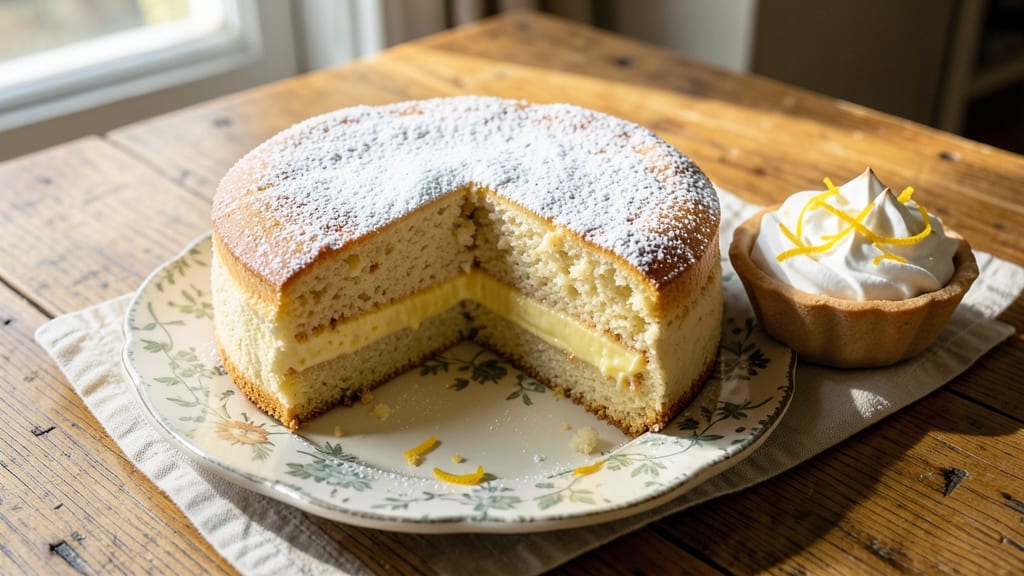
This French grandmother's lemon yogurt cake recipe brings the warmth of a Parisian bakery into your kitchen with its signature buttery crust and tangy, citrusy layers.
The secret lies in balancing lemon zest with Greek yogurt for a moist, tender crumb that's impossible to resist—just like the one my grandmother used to bake every summer. 💛 The recipe preserves her traditional techniques while adapting them for modern home ovens, ensuring you get that perfect golden crust and bright lemon flavor.
What makes this cake truly special is its simplicity and versatility. You'll work with just a handful of ingredients—flour, butter, eggs, yogurt, and of course, fresh lemons—yet the result is a dessert that feels luxurious.
The yogurt keeps the cake tender, while the lemon zest adds that signature zing that makes it unforgettable. Baking times are precise, but the method is foolproof, making it perfect for both beginners and experienced bakers.
The final product is a cake with a crisp, buttery crust that gives way to layers of fluffy, lemon-infused yogurt cake. The filling—made with lemon curd and yogurt—adds an extra layer of moisture and brightness that ties everything together.
It’s the kind of dessert that tastes even better the next day, making it ideal for gatherings or when you want to treat yourself to something truly special.
Serve it plain with a dusting of powdered sugar or add a light lemon glaze for extra shine. This recipe isn’t just about the taste—it’s about the memories and the love that goes into every bite. Let’s get baking!
Ingredients for french grandmother's lemon yogurt cake
Eight simple ingredients transform into layers of buttery crust and zesty lemon yogurt magic.
| Ingredient | Amount | Notes |
|---|---|---|
| Unsalted Butter 🧈 | 1 cup | Cold for crust, softened for cake |
| All-Purpose Flour 🌾 | 2 cups | Sifted, plus extra for dusting |
| Granulated Sugar 🍚 | 1 ½ cups | Superfine preferred for smooth texture |
| Greek Yogurt 🥛 | 1 cup | Full-fat for richness (plain or vanilla) |
| Large Eggs 🥚 | 3 whole | Room temperature for even mixing |
| Lemon Zest 🍋 | 2 tbsp | From 2 large organic lemons |
| Lemon Juice 🍋 | ⅓ cup | Freshly squeezed (about 2 lemons) |
| Baking Powder 🧂 | 2 tsp | Aluminum-free preferred |
| Salt 🧂 | ½ tsp | Fine sea salt |
| Vanilla Extract 🌸 | 1 tsp | Pure vanilla preferred |
| Powdered Sugar 🍚 | ½ cup | For dusting, plus extra for glaze |
| Lemon Curd 🍋 | 1 cup | Store-bought or homemade (see tips) |
| Heavy Cream 🥛 | ½ cup | For optional lemon glaze |
The butter is non-negotiable here—European-style unsalted butter gives that signature French richness. Plugrá or President are my go-tos, but any high-fat butter works. Keep it cold for the crust (press it into the pan) but let it soften slightly for the cake batter. The flour? King Arthur or Gold Medal are reliable, but don't over-sift—just break up any lumps. For the yogurt, Fage full-fat is ideal, but any thick Greek yogurt will do. The key is using organic lemons for the zest—non-organic can taste bitter. If you can't find organic, just scrub the peel well and use a microplane for ultra-fine zest.
No Greek yogurt? Plain yogurt thinned with a splash of milk works in a pinch, but the texture won't be as tender. Short on lemon zest? Double the juice and add a pinch of citric acid (found in baking aisles) for that same bright punch. For the lemon curd filling, store-bought works—just heat it gently to soften before spreading. Making your own? Egg yolks, sugar, butter, and lemon juice are all you need. The powdered sugar dusting? Sift it before using to avoid clumps. And that optional glaze? Just whisk powdered sugar and heavy cream until smooth—no fancy tools needed.
The crust keeps best at room temperature for 2 days wrapped in parchment, but the cake itself is best eaten within 3 days for maximum moisture. Freeze the whole cake (unfrosted) for up to 3 months—thaw overnight in the fridge. I always make a double batch: one for the freezer and one to enjoy fresh. The glaze sets quickly, so have everything ready before pouring. And trust me, the extra powdered sugar dusting? Worth the minute—it gives that bakery-fresh look.
Why You'll Love This Recipe
- No Mixer Needed: I swear by this recipe because it’s one of those rare cakes that tastes better when you don’t overwork it. The yogurt keeps the batter light without needing to cream butter and sugar for ages—just fold, pour, and let the oven do the magic. Honestly, my stand mixer collects dust more often when this is on the menu.
- Bright & Tangy Magic: That lemon zest? It’s the star. The yogurt mellows the sharpness just enough to let the citrus shine, while the butter keeps it rich—not dry, not heavy, but exactly right. Between us, it’s the kind of flavor that makes people ask, “What’s in this?” before they even take a bite.
- Weeknight to Brunch: Slice it warm with a dusting of powdered sugar for a lazy Sunday breakfast, or pack it in portions for lunch the next day—it holds up beautifully. I’ll be real: I’ve even served it at dinner parties when I forgot to make anything fancy. The yogurt’s tang cuts through rich dishes, so it’s weirdly adaptable.
- Budget-Friendly Luxury: You’re using pantry staples here—no specialty ingredients, no last-minute grocery runs. The butter and eggs add richness without breaking the bank, and the yogurt makes the whole thing feel indulgent for half the cost of a bakery cake. Plus, leftovers? They disappear faster than I can say “second slice.”
Step-by-step instructions for French grandmother's lemon yogurt cake
Here's how to create layers of buttery magic and zesty lemon flavor—just like Mémé used to make.
👨🍳 Step 1: Make the Buttery Crust
Cut the 1 cup unsalted butter into small cubes and place them in a food processor. Pulse until the butter resembles coarse crumbs. Add 2 cups all-purpose flour and 0.5 tsp salt, then pulse until the mixture forms fine crumbs with pea-sized butter pieces. Here's the thing—don't over-process or the crust will get tough.
Press this mixture evenly into a 9-inch springform pan (about ¼-inch thick). Chill in the refrigerator for 20 minutes while you prepare the filling. This chilling step is crucial—it prevents the crust from melting when you add the warm cake batter later. I like to use the back of a measuring cup to press it down firmly and evenly.
🍳 Step 2: Whisk Wet Ingredients for the Cake
In a large mixing bowl, combine the 1.5 cups granulated sugar, 1 cup Greek yogurt, 3 whole large eggs, 2 tbsp lemon zest, 0.33 cup lemon juice, 1 tsp vanilla extract, and 0.5 cup heavy cream. Whisk vigorously for 3-4 minutes until the mixture is pale, thick, and completely smooth. You'll see the batter lighten in color and nearly double in volume as air gets incorporated.
I like to use a hand mixer for this step—it's easier to control the speed and prevent overmixing. The eggs should be at room temperature (as mentioned in the ingredients list), which helps them blend more easily. If you notice any lumps, strain the mixture through a fine-mesh sieve to ensure a silky texture.
🥘 Step 3: Fold in Dry Ingredients Gently
In a separate bowl, sift together the 2 tsp baking powder and the remaining 2 cups all-purpose flour. Gently fold this dry mixture into the wet ingredients using a spatula, being careful not to overmix. The batter should be thick but pourable—think of it like a cross between cake batter and pancake batter. If it looks too thick, add 1-2 tablespoons of milk (though we don't have milk in our ingredients, a splash of the lemon juice would work in a pinch).
Here's where it gets fun—the batter should have a lovely, bright yellow color from the lemon zest and a slightly tangy aroma. Don't worry if it looks curdled at first; the folding process will smooth it out. The key is to maintain that airiness we created earlier while incorporating the flour evenly.
🔥 Step 4: Bake the Cake Layers
Preheat your oven to 350°F. Remove the chilled crust from the refrigerator and pour half of the cake batter over it, spreading it evenly. Bake for 20-25 minutes or until the edges are golden and a toothpick inserted in the center comes out clean. Watch closely after 18 minutes—ovens vary, and you want that perfect golden color without overbaking.
While the first layer bakes, prepare the lemon curd filling. In a small saucepan, combine the 1 cup lemon curd with 2 tablespoons of the lemon juice (if you have any left). Warm it gently over low heat until it's smooth and creamy—just enough to spread easily. Set aside to cool slightly while you bake the second layer.
⏰ Step 5: Assemble and Glaze the Cake
Once the first layer is done, let it cool in the pan for 10 minutes, then transfer to a wire rack to cool completely. Repeat the baking process with the remaining batter for the second layer. For the assembly, spread ½ cup of the lemon curd evenly over the first layer, then place the second layer on top.
To make the glaze, whisk together the 0.5 cup powdered sugar with 1-2 tablespoons of the remaining lemon juice (or heavy cream if needed) until smooth. Pour this over the assembled cake and let it drip down the sides. Dust the top with a little extra powdered sugar for that classic French finish. Serve at room temperature for the best texture—this cake tastes even better the next day!
Pro Tips For Making French Grandmother'S Lemon Yogurt Cake
- Cream Butter and Sugar Slowly: I learned this the hard way—ditch the food processor for this cake. Use a wooden spoon and your arm muscles to beat the butter and sugar by hand for 3-4 minutes until it’s pale and almost fluffy. The Greek yogurt in this recipe needs that slow, thorough mix to emulsify properly, or you’ll end up with a dense, gummy mess instead of that tender crumb.
- Sift Flour Over Yogurt: Skip dumping flour directly into the yogurt—it creates lumps that ruin the texture. Instead, sift the flour directly over the yogurt in the bowl while gently folding with a spatula. This keeps the batter smooth and light, just like your grandmother’s version. (Yes, even if you’re impatient like me.)
- Bake Until Springy: This cake isn’t done when the top looks golden—it’s done when the center springs back slowly when pressed (not instantly, like a sponge cake). Overbaking dries it out, and underbaking leaves it gummy. If your oven runs hot, check at 30 minutes and tent with foil if the edges brown too fast.
- Chill Batter Before Baking: Sounds weird, but it works: let the batter sit in the fridge for 20-30 minutes before baking. The yogurt thickens slightly, and the eggs firm up just enough to prevent a sunken center. I was skeptical until I tried it—now it’s non-negotiable for me. (Your future self will thank you.)
Storing and reheating this french grandmother's lemon yogurt cake
Room-Temp Storage
This cake shines when served at room temperature, so let it sit for 1-2 hours before slicing. Store any leftovers in an airtight container at room temperature for up to 2 days.
The crust stays crisp, while the yogurt layers remain moist—just like my grandmother’s secret! I always cover it loosely with parchment to prevent drying. 💛
Refrigerator Refresh
For longer storage, refrigerate the cake in an airtight container for up to 4 days. The cold air firms up the butter crust slightly, but the yogurt filling stays tender.
Before serving, let it sit at room temperature for 30 minutes to restore that perfect balance of textures. A quick dusting of powdered sugar revives the look too.
Freezer Perfection
Freeze the fully assembled cake (without glaze) for up to 3 months in heavy-duty foil or a freezer bag. Thaw overnight in the fridge, then bring to room temperature before serving.
The lemon curd filling may separate slightly, but a gentle warm in the microwave (10 seconds) restores its creaminess. Label your bag with the date—trust me, you’ll forget! ❄️
Reheating Tips
If you prefer warm cake, slice a piece and heat it in the microwave for 10-15 seconds on 50% power. For oven reheating, wrap slices in foil and warm at 300°F for 5 minutes.
The crust stays crisp, while the yogurt filling warms through beautifully. Pro tip: Spritz with a little lemon juice before reheating to keep it moist.
Glaze Revival
The powdered sugar glaze sets quickly, but a quick fix revives it. Brush the cake with a lemon juice-water mix (1:1 ratio) and dust with fresh powdered sugar. For extra shine, microwave the glaze for 5 seconds to soften it slightly.
This trick works wonders if you’ve stored the cake for a few days—like a second chance at bakery-fresh perfection. ✨
Layer Separation Fix
If the lemon curd filling separates after storage, gently warm it in a double boiler until smooth. Spread it back between the layers and let the cake rest for 1 hour before slicing.
The yogurt layers will reabsorb the filling, and you’ll barely notice the interruption. This happens more often with store-bought curd—homemade holds up better. 💡
Nutrition facts
Frequently asked questions
Can I make this cake without a springform pan?
Yes! Use a standard 9-inch round cake pan with removable bottom. Grease it thoroughly and line the bottom with parchment paper. The crust will still form beautifully, though springform pans make removing the cake easier. For extra insurance, dust the pan with powdered sugar before pressing in the crust mixture to prevent sticking.
How do I know when the cake is fully baked?
Look for three key signs: the edges should pull away from the pan, the center should spring back slowly when touched, and a toothpick inserted should come out clean with just a few moist crumbs. Overbaking can dry out the yogurt layers, so aim for 20-25 minutes at 350°F and check at 18 minutes. Ovens vary—your kitchen's temperature matters more than the oven's dial!
What if I don't have lemon curd for the filling?
No problem! Mix ½ cup Greek yogurt with 1 tbsp lemon juice and 1 tbsp powdered sugar for a quick substitute. For extra richness, fold in 2 tbsp softened butter. This keeps the cake moist and tangy while maintaining that signature lemon-yogurt flavor. The texture won't be as silky as curd, but it works in a pinch.
Can I make this cake gluten-free?
Yes, but with adjustments. Replace the all-purpose flour with a 1:1 gluten-free baking flour blend (like Bob's Red Mill) and add ½ tsp xanthan gum to improve texture. For the crust, use a dedicated gluten-free flour or almond flour (though the texture will be crumbly). The yogurt layers may be slightly denser, but the lemon flavor will still shine. Always check your gluten-free blend's baking powder content—some require extra.
Why did my cake sink in the middle?
This usually happens from overmixing the batter (which deflates air bubbles) or opening the oven too soon. Make sure to whisk the wet ingredients for only 3-4 minutes and fold in dry ingredients gently. Also, avoid opening the oven door in the first 15 minutes—temperature fluctuations cause sinking. If it happens, try baking at 325°F next time for a slower rise.