
Desserts
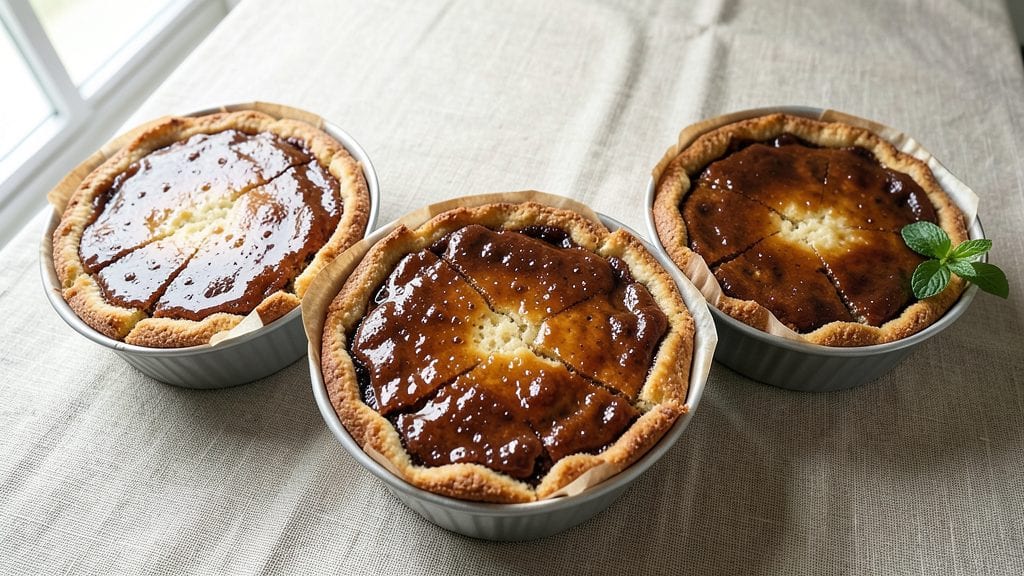
This German Cho cake recipe brings a taste of Black Forest tradition to your kitchen with its signature molasses-kissed layers and toasted coconut crunch.
The cake's moist, spiced sponge and rich custard filling create a perfect balance, while the chocolate glaze ties everything together into a dessert that feels both elegant and comforting.
I first discovered this recipe while researching regional German pastries, and it quickly became a staple in my baking rotation—especially during holiday gatherings.
The beauty of this cake lies in its layers: a tender, lightly spiced cake base that absorbs the molasses without becoming overly sweet, followed by a velvety vanilla custard filling that adds depth.
The real magic happens in the topping, where toasted coconut flakes and dark chocolate create a textural contrast that makes every bite satisfying.
What sets this recipe apart is the careful balance of flavors—molasses provides a deep, caramel-like sweetness, while the coconut adds a subtle tropical note that brightens the rich chocolate.
Baking this cake requires precision—350°F for 40 minutes ensures the sponge comes out perfectly golden while staying tender, and the custard filling must be thickened just right to hold its shape between layers.
The result is a cake that's rich yet not overly heavy, with layers that stay moist for days. Whether you serve it at a family celebration or as a special treat for yourself, this cake delivers restaurant-quality results with a homemade touch.
For those who love experimenting, you can adjust the molasses level to suit your sweetness preference or add a splash of rum to the custard for extra depth. The cake keeps well for 3-4 days when stored properly, making it perfect for meal prep or gifting.
Let's get baking—this recipe is your ticket to a classic German dessert that feels like a warm hug in cake form.
Ingredients for german cho cake
Eight layers of German tradition—molasses, coconut, and chocolate come together for a cake that tastes like holiday magic.
| Ingredient | Amount | Notes |
|---|---|---|
| All-Purpose Flour 🌾 | 2 ½ cups | Sifted for light texture |
| Unsalted Butter 🧈 | 1 cup | Softened to room temperature |
| Granulated Sugar 🍚 | 2 cups | White or light brown |
| Molasses 🍯 | ½ cup | Dark, unsulphured preferred |
| Large Eggs 🥚 | 2 whole | Room temperature for even baking |
| Vanilla Extract 🌸 | 1 tbsp | Pure, high-quality extract |
| Ground Cinnamon 🌿 | 1 tsp | Freshly ground preferred |
| Ground Ginger 🌶️ | ½ tsp | Freshly ground for warmth |
| Salt 🧂 | ½ tsp | Fine sea salt preferred |
| Unsweetened Shredded Coconut 🥥 | 1 cup | Toasted for enhanced flavor |
| Heavy Cream 🥛 | 1 ½ cups | Full-fat for custard richness |
| Cornstarch 🌾 | 2 tbsp | For smooth custard texture |
| Granulated Sugar 🍚 | ½ cup | For custard sweetness |
| Vanilla Bean Paste 🌸 | 1 tbsp | Or 1 tsp pure extract |
| Dark Chocolate Chips 🍫 | 1 cup | 70% cocoa preferred |
| Heavy Cream 🥛 | ¼ cup | For chocolate glaze |
The molasses is the heart of this cake, so don't skimp on quality. Whole Foods or specialty grocery stores carry the best dark, unsulphured varieties—look for a deep, rich color and a smooth texture. If you can only find sulphured molasses, reduce it by one-third first to cut the bitterness. The coconut? Toast it in a dry pan for 3-4 minutes until golden—this makes all the difference. I always grab my coconut from the bulk section at Trader Joe's because it's cheaper and fresher than the pre-packaged stuff.
No vanilla bean paste? Pure extract works fine, but the bean adds that extra depth. The custard filling is where precision matters—cornstarch is key for that perfect thick consistency. If you're feeling fancy, add a splash of dark rum or brandy to the custard for extra warmth. For the chocolate glaze, 70% cocoa or higher gives that rich, bittersweet balance. Short on heavy cream? Full-fat Greek yogurt can replace half the amount in the custard, but it'll be slightly tangier.
This cake keeps beautifully for 3-4 days when stored in an airtight container at room temperature, wrapped tightly in plastic. For longer storage, freeze the layers separately between parchment paper—up to 3 months. The custard filling can be made a day ahead and reheated gently before assembling. I always bake an extra layer or two—leftover slices reheated in the oven taste even better the next day.
Why You'll Love This Recipe
- You’re using pantry basics: butter, sugar, flour, molasses. No specialty ingredients, no pricey shortcuts. And leftovers? They keep for days, so you’re not scrambling to use it all up.
- One-Bowl Wonder: I swear by this recipe when I’m too tired to measure three separate bowls. Just toss the flour, butter, sugar, and molasses into one—no fuss, no mess. The eggs come in last, and boom, ready to bake.
- Molasses Magic: That deep, caramelized molasses? It’s the star. It’s not too sweet—just rich and warming, like a hug in cake form. Honestly, I’ve tried other cakes, but this one always wins for that slow-simmered flavor.
- Breakfast or Dessert: Serve it warm with butter for a morning treat or dust with powdered sugar for a dessert that won’t break the bank. My kids ask for it both ways—proof it’s that versatile.
Step-by-step instructions for German Cho cake
Here's how to create this rich, molasses-kissed cake with layers of coconut magic.
Prepare the Cake Layers
Preheat your oven to 350°F and grease three 8-inch round cake pans, lining the bottoms with parchment paper. In a large bowl, cream together the 1 cup unsalted butter and 2 cups granulated sugar until light and fluffy, about 3-4 minutes using an electric mixer. This step is crucial for a tender texture.
In a separate bowl, whisk together the 2.5 cups all-purpose flour, 1 teaspoon ground cinnamon, ½ teaspoon ground ginger, ½ teaspoon salt, and 1 tablespoon vanilla extract. Gradually add the dry ingredients to the butter mixture, alternating with the 2 whole large eggs, beginning and ending with the flour. The batter should be smooth but slightly thick.
Divide the batter evenly among the prepared pans, spreading it out evenly. Bake for 25-30 minutes, or until a toothpick inserted into the center comes out clean. Allow the layers to cool in the pans for 10 minutes, then transfer to a wire rack to cool completely before assembling.
Make the Molasses-Coconut Filling
In a saucepan over medium heat, combine 1.5 cups heavy cream, ½ cup granulated sugar, and 2 tablespoons cornstarch. Whisk constantly until the mixture thickens and reaches a custard-like consistency, about 5-7 minutes. Remove from heat and stir in 1 tablespoon vanilla bean paste and ½ cup molasses. Let it cool slightly, then fold in 1 cup unsweetened shredded coconut. This filling is the heart of the cake, balancing sweetness with a deep molasses flavor.
Toast the 1 cup unsweetened shredded coconut in a dry skillet over medium heat for 3-4 minutes until golden brown and fragrant. Set aside to cool before using in the filling. The toasted coconut adds a delightful crunch and aroma that complements the molasses perfectly.
Assemble the Cake Layers
Place the first cake layer on a serving plate. Spread an even layer of the molasses-coconut filling over the top, leaving a ½-inch border around the edges. Repeat with the remaining two layers, ensuring each layer is fully covered with filling. Press gently to help the layers adhere.
Once assembled, chill the cake in the refrigerator for at least 2 hours to allow the filling to set and the flavors to meld. This step is essential for achieving the perfect texture and ensuring the cake holds together beautifully when sliced.
Prepare the Chocolate Glaze
In a small saucepan, combine 1 cup dark chocolate chips and ¼ cup heavy cream. Heat over low heat, stirring constantly until the chocolate is fully melted and the mixture is smooth. Remove from heat and let it cool slightly until it thickens to a drizzling consistency.
Pour the chocolate glaze over the chilled cake, allowing it to drip down the sides. Use a spatula to spread it evenly, creating a glossy finish. The glaze adds an elegant touch and enhances the richness of the cake. Serve immediately or refrigerate for up to 24 hours for a more intense flavor.
Pro Tips For Making German Cho Cake
- Whisk Eggs Like Buttercream: Beat those eggs until they’re pale, thick, and triple their volume—like you’re making frosting, not cake batter. I used to skip this, and the cake turned out dense and sad. Five minutes with a mixer at medium-high makes all the difference for that tender crumb.
- Warm the Molasses First: Dump that cold molasses into the batter straight from the fridge, and you’ll end up with streaks instead of smoothness. Microwave it for 10 seconds or warm it in a bowl over hot water—just enough to thin it slightly. Trust me, your cake will thank you.
- Cream Butter and Sugar Slow: Don’t go full speed on the butter and sugar like you’re in a hurry. Start low and let the mixer do the work, scraping the bowl every 30 seconds. I learned this the hard way—rushing leads to airless batter and a cake that’s more brick than treat.
- Test for Doneness with a Toothpick: The cake might look done at 325°F, but pull it out when a toothpick comes out with moist crumbs, not wet batter. Overbaking turns German cho cake into a chewy, molasses-heavy brick. Keep an eye on it after 50 minutes.
Serving suggestions for this dish
Classic Presentation
Serve this cake on a chilled glass platter to showcase its elegant drizzle of chocolate glaze. I like to dust the top with toasted coconut flakes just before serving for extra texture contrast.
For a traditional touch, add fresh mint leaves around the base—they complement the molasses and chocolate beautifully. 🌿
Portioning Perfection
Use a serrated knife to cut clean slices—this cake is delicate when chilled. Warm the knife slightly by running it under hot water for 10 seconds before each cut. Serve 2-inch wedges for individual portions, which highlight the layers perfectly. For larger gatherings, cut into rectangular bars for easy serving.
Coffee Pairings
A strong German coffee like Kaffee mit Schlagsahne (coffee with whipped cream) balances the cake's richness. For a lighter option, try espresso with a splash of dark rum—the warmth of the rum enhances the molasses notes. Avoid overly sweet drinks that might overpower the cake's natural flavors.
Seasonal Serving Ideas
For holiday celebrations, serve with spiced apple slices on the side—the cinnamon in the cake pairs wonderfully with apple's tartness. In summer, offer fresh berries (like raspberries) to cut through the richness.
I often serve this cake at Christmas gatherings—it feels like a warm hug in dessert form. ❄️
Gift-Worthy Packaging
Wrap individual slices in parchment paper, then tie with red ribbon for a festive touch. Store in an airtight container with a wafer-thin layer of parchment between slices to maintain freshness.
Add a handwritten note about the recipe's origins—guests will love the personal touch. Perfect for birthday gifts or teacher appreciation gifts.
Make-Ahead Serving
Assemble the cake 24 hours ahead and refrigerate—flavors meld beautifully overnight. Bring to room temperature for 1 hour before serving to soften slightly. If freezing, wrap tightly in plastic wrap and aluminum foil, then thaw in the fridge for 4-6 hours before serving.
The texture remains perfect after freezing! 💫
Nutrition facts
Frequently asked questions
What makes this German Cho cake different from other molasses cakes?
This recipe combines the classic German Cho-Kuchen tradition with a unique twist: the molasses-kissed layers are balanced by a velvety vanilla custard infused with toasted coconut. The dark chocolate glaze adds depth, while spices like cinnamon and ginger create warmth that sets it apart from simpler molasses cakes. The toasted coconut topping provides that signature crunch and aroma that makes it truly special.
Can I substitute molasses in this recipe?
Yes, but the flavor will change. For a sweeter option, use honey or maple syrup (reduce by 1/4 cup due to liquid content). For a deeper caramel note, try blackstrap molasses—it's more robust but slightly bitter. Avoid corn syrup, as it lacks the complex flavor that makes molasses special. The molasses is what gives this cake its authentic German character!
Why does the cake need to chill before serving?
Chilling for at least 2 hours allows the custard filling to fully set, preventing soggy layers when sliced. It also lets the flavors meld together, creating a more cohesive taste experience. The cold temperature also helps the chocolate glaze hold its shape better. If you're short on time, chill for 1 hour minimum, but expect slightly softer layers.
How do I fix a cake that's too dry or crumbly?
If your cake turns out dry, it likely overbaked. Next time, check for doneness at 25 minutes—the center should be just set but slightly springy. For immediate fixes, brush the layers with simple syrup (equal parts sugar and water, heated) before assembling. If already baked, try adding a thin layer of coconut cream between layers instead of custard for moisture. Always use room-temperature ingredients to prevent dryness!
Can I make this cake gluten-free?
Yes, but with adjustments. Replace the all-purpose flour with a 1:1 gluten-free baking flour blend (like Bob's Red Mill) plus 1/2 teaspoon xanthan gum. You may need to increase the molasses by 1 tablespoon as gluten-free flours absorb liquids differently. Test with one layer first, as baking times may vary. The texture won't be identical, but it'll still be delicious!