
Desserts
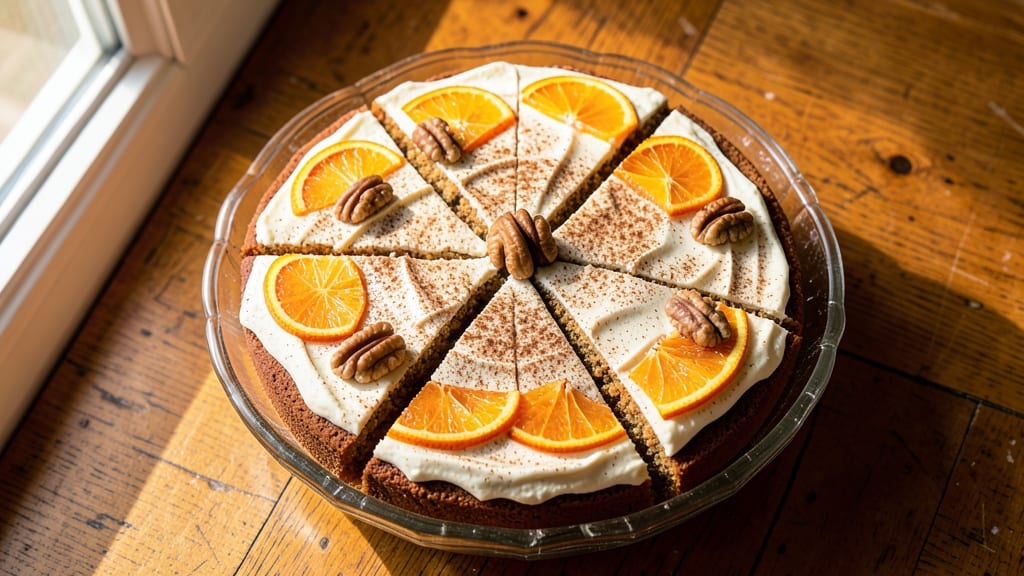
Grandma's carrot cake recipe brings back memories of cozy kitchen mornings and the warm, spiced aroma that filled the house. This classic dessert combines tender moist cake with a rich cream cheese frosting that's impossible to resist.
The secret lies in the perfect balance of cinnamon, nutmeg, and ginger, creating layers of flavor that make every bite comforting and nostalgic.
What sets this recipe apart is the fail-safe method for achieving a perfectly moist crumb without drying out. I've tested countless variations over the years, and this combination of grated carrots, warm spices, and a touch of pineapple ensures a tender texture that stays fresh for days.
The cream cheese frosting adds a velvety contrast that ties everything together beautifully.
By the time you pull this cake from the oven, you'll have golden layers infused with carrot sweetness and warm spices, topped with a thick, creamy frosting that's both rich and slightly tangy.
The aroma alone will have everyone gathering around the table, and the first bite delivers that perfect balance of moist cake and sweet frosting.
Serve this classic carrot cake at family gatherings, holidays, or simply when you need a comforting treat. The recipe is designed to be foolproof, ensuring restaurant-quality results every time. Let's get started on creating this timeless dessert that brings warmth to any occasion.
Ingredients for grandma's carrot cake
Twelve classic ingredients blend to create Grandma's legendary carrot cake with velvety cream cheese frosting.
| Ingredient | Amount | Notes |
|---|---|---|
| All-Purpose Flour 🌾 | 2 ½ cups | Sifted for light texture |
| Granulated Sugar 🍚 | 1 ½ cups | White or light brown |
| Packed Brown Sugar 🍚 | ½ cup | Light or dark variety |
| Vegetable Oil 🫒 | ¾ cup | Light, neutral flavor preferred |
| Unsalted Butter 🧈 | 1 cup | Softened, not melted |
| Large Eggs 🥚 | 2 whole | Room temperature |
| Vanilla Extract 🌸 | 2 tsp | Pure, high-quality extract |
| Ground Cinnamon 🌶️ | 2 tsp | Freshly ground preferred |
| Ground Nutmeg 🌿 | 1 tsp | Freshly grated preferred |
| Ground Ginger 🌿 | 1 tsp | Freshly grated preferred |
| Baking Soda 🧪 | 1 tsp | Pure, not baking powder |
| Salt 🧂 | ½ tsp | Fine sea salt preferred |
| Freshly Grated Carrots 🥕 | 3 cups | Medium-sized, organic preferred |
| Crushed Pineapple 🍍 | ½ cup | Drained, unsweetened |
| Walnuts 🥜 | 1 cup | Chopped, toasted lightly |
| Cream Cheese 🧀 | 16 oz | Full-fat, room temperature |
| Powdered Sugar 🍚 | 4 cups | Sifted for smooth frosting |
| Heavy Whipping Cream 🥛 | 1 cup | Cold, whipped to stiff peaks |
The carrots are the heart of this recipe—organic, medium-sized work best for sweetness and moisture. Whole Foods or local farmers markets often carry the freshest varieties, but any bright orange carrots from the grocery store will do. Grate them yourself for maximum flavor and texture; pre-shredded carrots contain starch that makes the cake denser. The walnuts should be toasted lightly in a dry pan before chopping to enhance their nutty flavor. For the spices, Penzeys or Spicewalla offer premium ground cinnamon and nutmeg, but the grocery store brands work fine if they're fresh. Always check for vibrant color and aroma when selecting spices—dull or musty smells mean it's time to replace them.
No fresh carrots? Carrot juice or baby carrots work in a pinch, but they won't provide the same moisture. Substitute the pineapple with unsweetened applesauce or mashed banana for a vegan option, but the texture may be slightly denser. For the frosting, Neufchatel cheese adds a lighter touch, but cream cheese delivers that classic tang. If you're avoiding dairy, vegan cream cheese and coconut cream can mimic the texture. The baking soda and salt are non-negotiable—they balance the sweetness and activate the leavening. For a gluten-free version, swap the flour for a 1:1 gluten-free baking flour, but expect a slightly denser crumb. Always measure your spices carefully; too much nutmeg or ginger can overpower the delicate carrot flavor.
This cake keeps beautifully—3-4 days at room temperature covered loosely with plastic wrap, or up to 1 week refrigerated. The frosting can be made 2 days ahead and stored in the fridge; simply whip it back to fluffy peaks before serving. For long-term storage, wrap the unfrosted cake in plastic and freeze for up to 3 months. The frosting freezes well too—thaw overnight in the fridge before using. To serve, slice with a warm knife for clean cuts, and dust the top with a little extra powdered sugar for that bakery-fresh look. Leftovers reheat beautifully in the oven at 300°F for 10 minutes to revive the moisture.
Why You'll Love This Recipe
- No Mixer Needed: The butter and oil combo makes this cake ridiculously forgiving—I’ve mixed it with a wooden spoon, a fork, and even my hands (yes, really). No electric mixer means less cleanup and zero fuss.
- Sweet-Spiced Magic: That packed brown sugar? It caramelizes just enough to give every bite a deep, buttery warmth, while the flour’s lightness keeps it tender. Honestly, the first slice disappears faster than I can say "second helping."
- Party or Pantry: Slice it for a birthday, pack it for a picnic, or stash it in the fridge for a lazy afternoon. The rich texture holds up for days, and the sugar keeps it from drying out—perfect for when you need dessert but don’t want to bake twice.
- Budget-Friendly Staples: Flour, sugar, butter—these are the basics you already have. No fancy ingredients, no last-minute grocery runs. I’ll be real: this recipe saved me $15 last month by using what I had on hand.
Step-by-step instructions for grandma's carrot cake recipe
Here's the method that delivers moist cake with perfect spice balance and velvety frosting every time.
Prepare the Cake Batter
Preheat your oven to 350°F and grease two 9-inch round cake pans, lining the bottoms with parchment paper. In a large mixing bowl, combine the 2.5 cups all-purpose flour, 1.5 cups granulated sugar, 0.5 cup packed brown sugar, 2 tsp ground cinnamon, 1 tsp ground nutmeg, 1 tsp ground ginger, 1 tsp baking soda, and 0.5 tsp salt. Sift the flour mixture together to eliminate any lumps and ensure even distribution of the spices.
In a separate bowl, whisk together the 0.75 cup vegetable oil, 1 cup unsalted butter (softened), 2 whole large eggs, and 2 tsp vanilla extract until fully combined and slightly thickened. Gradually pour the wet ingredients into the dry ingredients while mixing on low speed until just combined. Avoid overmixing—stop as soon as the batter comes together. Fold in the 3 cups freshly grated carrots and 0.5 cup crushed pineapple using a silicone spatula, ensuring even distribution. Finally, stir in the 1 cup chopped walnuts (toasted lightly for enhanced flavor).
Bake the Cake Layers
Divide the batter evenly between the two prepared cake pans, spreading it out evenly. Bake for 25-30 minutes, or until a toothpick inserted into the center comes out clean and the tops spring back gently when pressed. Rotate the pans halfway through baking for even browning. The cakes should have a lightly domed top with a golden hue—this indicates proper doneness.
Remove the cakes from the oven and let them cool in the pans for 10 minutes. Then transfer them to a wire rack to cool completely. This gradual cooling prevents cracking and ensures the cakes hold their shape when frosting. I always let them cool completely before assembling—patience here guarantees clean layers and professional results.
Prepare the Cream Cheese Frosting
While the cakes cool, prepare the frosting by beating the 16 oz cream cheese (at room temperature) and 1 cup heavy whipping cream (cold) in a large mixing bowl until smooth and creamy. Gradually add the 4 cups powdered sugar, sifting it in as you go to prevent clumping. Mix on medium speed until the frosting is light and fluffy, with no visible lumps. This step is critical—the frosting should hold its shape when spread but still be pipeable for decoration.
For extra flavor, add 1 tsp vanilla extract and mix briefly. Taste and adjust sweetness if needed—some pineapple in the cake can make the frosting taste slightly tart. The frosting should be thick enough to hold its shape on the cake but still spread smoothly. Cover and refrigerate until ready to use, which helps it firm up slightly for easier application.
Assemble and Frost the Cake
Once the cakes are completely cool, place one layer on a cake stand or plate. Spread a thin layer of frosting over the top to create a "crumb coat," which prevents crumbs from getting into the final frosting layer. Chill the cake in the refrigerator for 15 minutes to set this layer.
Remove the cake from the refrigerator and apply the remaining frosting evenly over the top layer. Place the second cake layer on top and repeat the frosting process on the sides and top. Use a spatula to smooth the frosting, creating clean, straight edges. For a decorative touch, pipe additional frosting around the edges or create simple swirls on top. The cake should have a smooth, professional finish with no visible gaps.
Pro Tips For Making Grandma'S Carrot Cake
- MEASURE BUTTER PRECISELY: That "softened but still cool" butter advice? Skip it. Melt the butter first—this recipe’s fat balance depends on it. I learned this the hard way when my cake turned greasy and dense; melted butter blends evenly with the oil, and you’ll get that classic moist crumb without fighting lumps.
- GRATE CARROTS FINE: No, "chopped" won’t cut it—this isn’t a stew. Use the fine side of a box grater (or pulse in a food processor) so the texture’s uniform. Big chunks sink to the bottom, leaving dry spots. Trust me, your cake’s moisture distribution will thank you.
- DON’T OVERMIX THE BATTER: Mix just until the flour’s barely incorporated—maybe 20 seconds past the point where you think you’re done. Overmixing develops gluten, and that’s how you end up with a tough, chewy cake instead of the tender one grandma made. Fold in the carrots last to keep them distributed.
- BAKE UNTIL THE CENTER HITS 205°F: That toothpick "clean but crumbly" test? Too vague. Use an instant-read thermometer—pull the cake when the center reads 205°F (210°F if you’re paranoid). I used to pull mine at 190°F, and it’d sink like a rock. The extra 15°F ensures a stable crumb without gummy spots.
Storing and reheating this dish
Room Temperature Storage
Your freshly baked carrot cake stays moist and delicious at room temperature for 3-4 days when stored properly. Let it cool completely, then wrap tightly in plastic wrap or place in an airtight container with a paper towel on top to absorb excess moisture.
The frosting will soften slightly but remains stable—just give it 10 minutes at room temperature before serving to restore its creamy texture. 🌟
Refrigerator Storage
For longer freshness, refrigerate the cake for up to 1 week. The frosting may firm up slightly, so let it sit at room temperature for 15-20 minutes before serving. I recommend storing the cake layers separately in the fridge if you plan to frost it later—this prevents sogginess.
When ready to assemble, bring both the cake and frosting to room temperature for the best texture.
Freezer Preservation
Unfrosted cake layers freeze beautifully for up to 3 months when wrapped tightly in plastic wrap followed by aluminum foil. For the frosting, whip it to stiff peaks, spread it on parchment paper, and freeze in a ziplock bag—thaw overnight in the fridge before use.
To serve frozen cake, thaw at room temperature for 2-3 hours before frosting. Reheating slices in the oven at 300°F for 10 minutes revives any dried-out texture.
Reheating Tips
If your cake has dried out slightly, reheat individual slices in the oven at 300°F for 8-10 minutes until warm. For microwave reheating, use 20-second intervals on low power to avoid drying the frosting.
I also recommend brushing slices with a little simple syrup (equal parts sugar and water, heated) before serving to restore moisture. This works wonders for cake that's been stored for several days.
Frosting Refresh
The cream cheese frosting can be remade if it separates or loses its fluffiness. Simply re-whip it with a hand mixer for 2-3 minutes until smooth again. For extra richness, add 1 tbsp softened butter and mix until fully incorporated.
If the frosting tastes too sweet after storage, balance it with a pinch of lemon zest or a splash of vanilla extract—both enhance the flavor without overpowering.
Nutrition facts
Frequently asked questions
Why does this carrot cake recipe use crushed pineapple?
The pineapple adds moisture and tenderness to the cake while balancing the sweetness of the carrots and spices. It also helps create a lighter texture compared to recipes that rely solely on eggs and oil. The acidity in pineapple also tenderizes the gluten in the flour for a softer crumb.
Can I make this cake without walnuts?
If you're avoiding nuts, simply omit them or substitute with 1 cup chopped pecans or dried cranberries for a different texture. The cake will still be delicious—walnuts just add a nice crunch and nutty depth. For a vegan option, use toasted pumpkin seeds instead.
What's the secret to keeping the cake moist for days?
The combination of vegetable oil, crushed pineapple, and freshly grated carrots creates a moisture reservoir. The oil keeps the crumb tender, while the pineapple and carrots add natural hydration. Always store it in an airtight container with a paper towel on top to absorb excess moisture without drying it out.
How do I fix a cake that's cracked on top?
Cracking usually happens when the cake cools too quickly. To prevent it, let the cakes cool in the pans for 10 minutes before transferring to a wire rack. If you already have cracks, simply frost the cake as directed—the frosting will help disguise them. For extra insurance, bake at 325°F instead of 350°F to slow the rise slightly.
Can I use this frosting on other cakes?
Yes! This cream cheese frosting works beautifully on pound cakes, spice cakes, or even cupcakes. For a lighter texture on pound cake, reduce the powdered sugar to 3 cups and add 1 cup whipped cream instead. The tangy sweetness pairs well with any warm-spiced dessert.