
Desserts
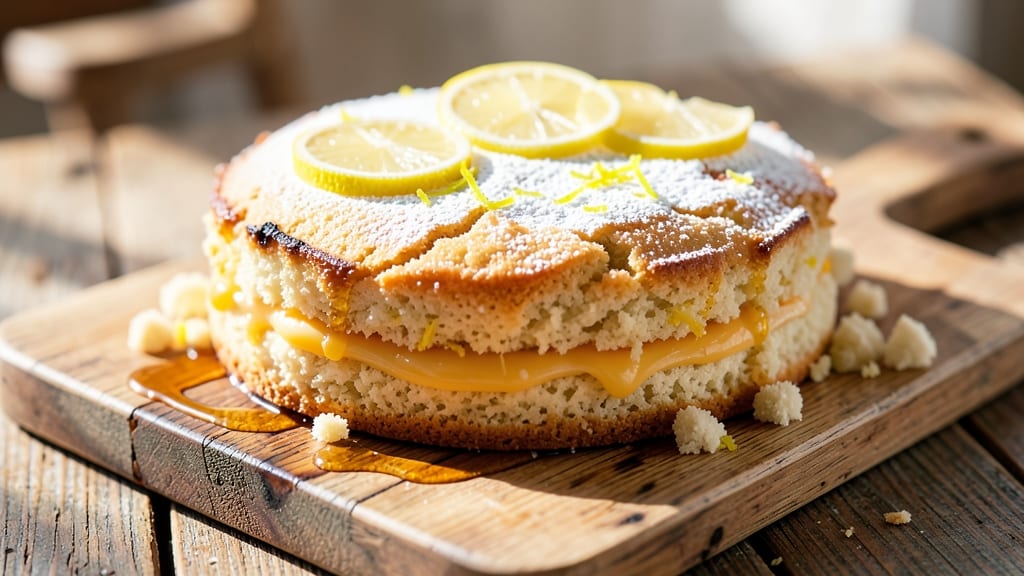
Grandma's lemon pound cake recipe delivers that perfect balance of tender crumb and zesty lemon flavor that makes every slice unforgettable. The secret lies in its ultra-moist layers and crisp crust, baked to golden perfection at 350°F—just like my grandmother used to make. This classic dessert requires simple ingredients but yields results that taste like a homecoming, with each bite offering bright citrus notes and just the right amount of sweetness.
The cake's magic comes from a precise method: creaming butter and sugar until light, then folding in eggs and dry ingredients gently to maintain that signature tender texture.
Fresh lemon zest and juice infuse every layer, creating a tangy brightness that pairs beautifully with a simple glaze or powdered sugar dusting. My grandmother always said the key was patience—letting the cake cool completely before slicing ensures clean, moist layers that hold together perfectly.
What makes this recipe truly special is its versatility—serve it plain with tea, topped with whipped cream, or paired with fresh berries for a brunch favorite. The cake keeps well for days, making it ideal for gatherings or when you want to bake ahead.
Whether you're a seasoned baker or just starting, this foolproof method guarantees a cake that's always a crowd-pleaser.
Ready to recreate this nostalgic treat? The ingredients list is straightforward, and the step-by-step instructions walk you through every detail to ensure success. Let's get baking!
Ingredients for grandma's lemon pound cake
Simple ingredients that transform into nostalgic lemon pound cake layers with crisp crust.
| Ingredient | Amount | Notes |
|---|---|---|
| Unsalted Butter 🧈 | 1 cup | Cold, not softened, for creaming |
| Granulated Sugar 🍚 | 2 cups | Superfine preferred for smooth texture |
| Large Eggs 🥚 | 4 whole | Room temperature for even mixing |
| All-Purpose Flour 🌾 | 2 cups | Sifted, no substitutions |
| Baking Powder 🍞 | 2 tsp | Aluminum-free for best rise |
| Salt 🧂 | ½ tsp | Fine sea salt preferred |
| Fresh Lemon Zest 🍋 | 2 tbsp | Bright yellow, no white pith |
| Fresh Lemon Juice 🍋 | ½ cup | From 2-3 lemons, freshly squeezed |
| Milk 🥛 | ½ cup | Whole milk for richness |
| Powdered Sugar 🍚 | 1 cup | For glaze, sifted |
| Heavy Cream 🥛 | ¼ cup | Optional for glaze richness |
The butter and sugar are non-negotiable for that signature tender crumb. European-style butter like Plugrá or Land O'Lakes works best—it has higher fat content for perfect creaming. Room-temperature eggs are crucial; crack them into a separate bowl first to avoid scrambling. For flour, King Arthur or Bob's Red Mill are reliable choices, but any all-purpose will do. The lemon zest should be vibrant yellow—no white pith—and freshly grated for maximum brightness. Organic lemons from the grocery store usually have thicker zest layers, making them ideal for this recipe.
No fresh lemons? Bottled lemon juice works in a pinch, but add an extra tablespoon of zest to compensate for the lack of aroma. Swapping powdered sugar for superfine sugar in the glaze is fine, though it won't be as smooth. For a dairy-free option, substitute the milk with unsweetened almond milk and the heavy cream with coconut cream, though the texture may be slightly less rich. If you're short on baking powder, baking soda plus cream of tartar at half the amount will do the trick, but test your leavening agents first. The cake can handle substitutions, but the butter and eggs are the backbone—don't skimp there.
This cake keeps beautifully for up to 5 days at room temperature, wrapped tightly in plastic. For longer storage, freeze slices wrapped individually for up to 3 months. The glaze sets quickly, so prepare it just before serving. If you're making this ahead for a gathering, bake the cake a day in advance—it actually tastes better after the flavors meld. The crust stays crisp for about 24 hours if stored properly, but beyond that, a quick broil for 2 minutes revives it perfectly.
Why You'll Love This Recipe
- No-Fuss Mixing: I swear by this recipe because it’s one bowl—just cream butter and sugar, toss in eggs, then fold in dry ingredients. No sifting, no extra pans, just stir and bake. My hands are always sticky, but the cake comes out golden and tender every time.
- Zesty Magic: That bright lemon zest in the butter? Chef’s kiss. It’s not just a hint—it’s a burst of sunshine in every slice, balanced by the buttery richness. Honestly, I’ve tried store-bought lemon cakes, and this one leaves them in the dust.
- Leftovers That Last: This cake stays moist for days, so I bake a whole one on Sundays and slice it through the week. Toast a slice with butter for breakfast, or save it for dessert—it’s that versatile. (Yes, even on a Tuesday night.)
- Budget Showstopper: Five ingredients, zero shortcuts. The butter and sugar do all the heavy lifting, and the baking powder keeps it light without needing fancy add-ins. I’ve made this for potlucks, gifts, and lazy afternoons—always a hit, never a flop.
Step-by-step instructions for Grandma's lemon pound cake
Follow this precise method to achieve a tender crumb and bright citrus flavor in every slice.
Cream Butter and Sugar Until Light and Fluffy
In a stand mixer fitted with the paddle attachment, beat the 1 cup unsalted butter and 2 cups granulated sugar on medium speed for 3-4 minutes. The mixture should nearly double in volume and become pale and airy. Here's the thing—this creaming process incorporates air, which creates that signature tender texture. Stop occasionally to scrape down the sides of the bowl to ensure even mixing.
I like to check for doneness by lifting the paddle—if the butter leaves clean ribbons that hold their shape for a few seconds, you're ready to move forward. Cold butter is crucial here; don't let it warm up during mixing or you'll end up with a dense cake instead of that light, moist crumb we're after.
Incorporate Eggs and Citrus Gradually
Add the 4 whole large eggs, one at a time, mixing on low speed after each addition until fully incorporated. This slow incorporation prevents scrambling the eggs. After the eggs are combined, beat in the 2 tablespoons fresh lemon zest and 0.5 cup fresh lemon juice until smooth. The zest should be finely grated with no white pith—this ensures bright flavor without bitterness.
Here's where it gets fun—the lemon juice adds moisture while the zest provides that signature citrus aroma. Mix just until combined; overmixing at this stage can develop gluten and make the cake tough. The batter should be thick but pourable, with visible streaks of lemon zest throughout.
Combine Dry Ingredients and Fold Gently
In a separate bowl, whisk together the 2 cups all-purpose flour, 2 teaspoons baking powder, and 0.5 teaspoon salt. Sift the flour mixture directly into the wet ingredients while the mixer runs on low speed. This prevents lumps and ensures even distribution. Add the 0.5 cup milk and mix just until combined—you should still see small flour streaks.
Real talk: Don't overmix. The moment the flour disappears completely, stop mixing. Overmixing develops gluten, which leads to a tough cake instead of that tender crumb we're aiming for. The batter should be thick and smooth, with a consistency similar to pancake batter.
Bake Until Golden and Springy
Preheat your oven to 350°F and grease a 9x5-inch loaf pan thoroughly with butter. Pour the batter into the prepared pan and smooth the top with a spatula. Bake for 50-55 minutes until the top is golden brown and a toothpick inserted in the center comes out clean with just a few moist crumbs clinging to it.
Your oven might run hot, so start checking at the 45-minute mark. The cake is done when it springs back slightly when pressed in the center and the edges pull away from the pan. If the top browns too quickly, tent loosely with aluminum foil after 30 minutes to prevent over-browning while allowing the cake to bake through.
Glaze and Cool Properly
While the cake is still warm, whisk together the 1 cup powdered sugar and 0.25 cup heavy cream (if using) until smooth. Here's the moment that matters: Pour the glaze evenly over the top of the cake and let it sit for 5 minutes before slicing. The heat from the cake will help the glaze set slightly, creating that professional-looking finish.
Let the cake cool in the pan for 10 minutes, then transfer to a wire rack to cool completely. This slow cooling process prevents cracking and ensures the cake holds its shape. The internal temperature should reach about 75°F before slicing for clean, moist layers. The finished cake should have a tender crumb with a bright lemon flavor in every bite—no dry edges or dense center.
Pro Tips For Making Grandma'S Lemon Pound Cake
- Cream Butter Slowly: Whip the butter and sugar together until it’s pale and fluffy—about 3-5 minutes. I learned this the hard way: rushing it means less air in the batter, and that’s the difference between a tender cake and one that’s dense as a brick.
- Room-Temp Eggs Matter: Take eggs out of the fridge 30 minutes before cracking them. Cold eggs mix unevenly and can cause the batter to curdle, especially when you’re folding in lemon juice later. Trust me, your cake will thank you.
- Sift the Dry Mix: Sift the flour and baking powder together before adding it to the wet ingredients. This prevents lumps and ensures the cake rises evenly—no one wants a cake with pockets of dry flour or uneven texture.
- Test for Doneness Early: Start checking for doneness at 50 minutes (for a 350°F oven). A toothpick should come out clean or with a few crumbs—if it’s wet, bake longer. Overbaking dries out the cake, and you’ll end up with something closer to a sponge than Grandma’s moist, tender loaf.
Pro cooking tips for perfect results
Butter Temperature Matters
The butter in this recipe must be cold—not softened or melted. I use 1 cup unsalted butter straight from the fridge, cut into chunks for even creaming. If your kitchen is warm, chill the butter for 20 minutes before starting.
Cold butter creates air pockets when creamed with sugar, giving that signature tender crumb. I’ve ruined cakes by using warm butter—trust me, the difference is night and day. 🧈
Lemon Zest Precision
Use only bright yellow zest—no white pith—and measure it carefully. I find 2 tablespoons works best, but if your lemons are small, use 3 tablespoons for extra zing. Grate the zest just before mixing to preserve its volatile oils.
For maximum flavor, I use a microplane—it’s faster and yields finer zest than a box grater. Store-bought zest loses potency quickly, so fresh is non-negotiable here.
Egg Incorporation Technique
Add eggs one at a time on low speed to avoid scrambling. I crack them into a separate bowl first, then slowly drizzle them into the mixer. This method prevents lumps and ensures a smooth batter.
After adding all 4 eggs, mix just until combined—overmixing here can make the cake dense. The batter should look thick but pourable, with visible lemon streaks. 🥚
Flour Mixing Trick
Sift the flour directly into the wet ingredients while the mixer runs on low speed. This prevents lumps and ensures even distribution. I use a fine-mesh sieve for this step—it’s worth the extra effort.
Mix just until combined; you should still see small flour streaks. Stop mixing the moment the flour disappears—overmixing develops gluten, which leads to a tough cake instead of that tender crumb we want.
Baking Time Flexibility
Bake at 350°F for 50-55 minutes, but check at the 45-minute mark—ovens vary! The cake is done when the top is golden and a toothpick comes out with just a few moist crumbs. If the top browns too quickly, tent loosely with foil after 30 minutes.
I’ve seen cakes overbake and become dry, so keep an eye on it. The edges should pull away from the pan slightly when ready. 🌡️
Glaze Timing Tip
Pour the glaze over the warm cake (not hot) and let it sit for 5 minutes before slicing. The residual heat helps the glaze set slightly, creating a professional finish. I use 1 cup powdered sugar and 0.25 cup heavy cream, whisked until smooth.
For extra shine, brush the sides of the cake with a little extra glaze after pouring the top. This step makes all the difference in presentation! ✨
Nutrition facts
Frequently asked questions
Why does this lemon pound cake turn out so moist?
The secret lies in the butter-to-flour ratio and proper creaming. Using 1 cup cold butter creamed with sugar until light and fluffy incorporates air, while the 4 eggs and 0.5 cup milk add moisture without making the cake dense. The 350°F bake time ensures even cooking without drying out the center.
Can I make this cake without a stand mixer?
Use a hand mixer or even a whisk with strong arms. Cream the 1 cup butter and 2 cups sugar for 8-10 minutes until light and fluffy. For the eggs, beat them one at a time by hand until fully incorporated. The key is patience—don't rush the creaming process.
How do I know when the cake is fully baked?
The cake is done when a toothpick inserted in the center comes out with just a few moist crumbs (not wet batter) and the edges pull away slightly from the pan. The top should be golden brown. Start checking at the 45-minute mark—every oven runs differently! If it browns too quickly, tent with foil after 30 minutes.
What's the best way to store leftovers?
Wrap the cake tightly in plastic wrap and store at room temperature for up to 5 days. For longer storage, slice and freeze individual portions for up to 3 months. The glaze stays fresh if you reapply a thin layer after thawing. To revive the crust, warm slices for 10-15 seconds in the microwave before serving.
Can I substitute bottled lemon juice?
Yes, but add an extra 1 tablespoon of zest to compensate for lost aroma. Fresh lemon juice has more volatile oils that enhance flavor. If using bottled, choose a high-quality brand with no added preservatives. For best results, use 0.5 cup fresh juice plus 2 tablespoons zest—it makes a noticeable difference!