
Desserts
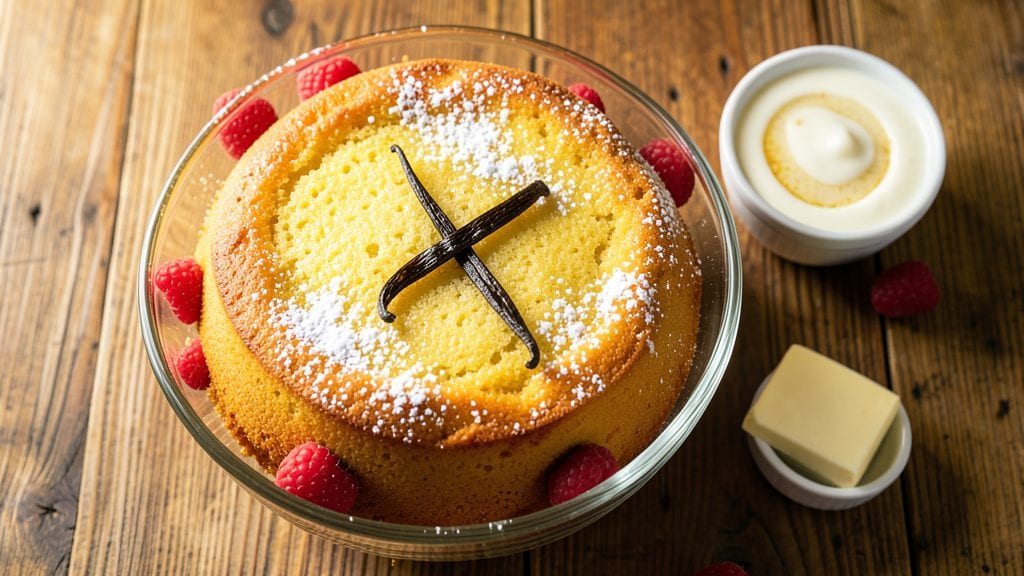
This Grandma's yellow cake recipe brings back the warmth of Sunday afternoons when the kitchen smelled like vanilla and buttermilk. The secret to its legendary moisture lies in the buttermilk bath and a vanilla bean hidden in every bite—something I learned from my grandmother’s well-worn recipe card.
What makes this cake special isn’t just the taste, but the way it crumbles slightly at the edges while staying tender inside, perfect for slicing or layering with buttercream.
The recipe relies on simple ingredients—flour, sugar, eggs, and butter—but the technique is what transforms them into something extraordinary. A 350°F oven and 30 minutes of baking create that ideal golden dome, while the buttermilk keeps it light and fluffy.
The vanilla bean infuses deeper flavor than extract ever could, making each slice taste like a memory. This is the kind of cake that disappears quickly, so you’ll want to make two batches.
Once baked, the cake’s moist crumb holds up beautifully under frosting, whether you choose classic buttercream or a lighter whipped cream. The texture stays rich and tender for days, making it ideal for celebrations or spontaneous treats.
Serve with a dusting of powdered sugar or fresh berries for that nostalgic touch. Let’s get baking—this recipe is a timeless classic for a reason.
For those who love tradition, this cake pairs perfectly with homemade vanilla ice cream or a drizzle of caramel. The buttermilk base ensures it stays moist even after slicing, so every bite feels like coming home.
Whether you’re celebrating a birthday or just craving comfort, this is the yellow cake that brings people together. Here’s how to make it exactly as Grandma did—with love and a little secret ingredient.
Ingredients for grandma's yellow cake
Twelve simple ingredients, one legendary vanilla bean secret—this cake tastes like nostalgia.
| Ingredient | Amount | Notes |
|---|---|---|
| All-Purpose Flour 🌾 | 2 ½ cups | Sifted for light texture |
| Granulated Sugar 🍚 | 2 cups | White or light brown |
| Buttermilk 🥛 | 1 ½ cups | Room temperature preferred |
| Unsalted Butter 🧈 | 1 cup | Softened, not melted |
| Large Eggs 🥚 | 2 whole | Room temperature for blending |
| Pure Vanilla Extract 🌿 | 2 tbsp | Or 1 vanilla bean split |
| Baking Powder 🍃 | 2 tsp | Freshly opened |
| Salt 🧂 | ½ tsp | Fine sea salt |
| Vanilla Bean 🌿 | 1 whole | Seeds scraped for infusion |
| Powdered Sugar 🍚 | ½ cup | For dusting, optional |
| Fresh Blueberries 🫐 | 1 cup | Optional, for folding in |
The vanilla bean is non-negotiable here. Trader Joe's sells them for cheap, but Whole Foods has the best quality if you're splurging. If you can't find a whole bean, high-quality pure vanilla extract works (like Madagascar Bourbon). The buttermilk? Make your own by mixing milk and vinegar if you're feeling fancy—store-bought is fine, but room temperature makes all the difference. The flour should be sifted—this keeps the crumb light and airy. I always grab my flour from King Arthur for baking; it’s worth the extra few bucks.
No vanilla bean? Double the vanilla extract—just know it won’t be the same. Short on buttermilk? Yogurt thinned with milk works in a pinch. The blueberries are totally optional, but if you fold them in, toss them in flour first so they don’t sink. The sugar can be swapped for turbinado or coconut sugar if you’re avoiding refined sugar, but white sugar keeps it classic. And for the love of cake, don’t skip the buttermilk—that’s what makes it moist. If you’re baking in a humid kitchen, reduce the flour by 2 tbsp to avoid dryness.
This cake stays moist for 4-5 days if wrapped tightly in plastic. Freeze slices for up to 3 months—just thaw at room temp before serving. I always make two batches because it disappears fast. Store leftovers in an airtight container with a slice of bread to keep it fresh longer. The vanilla bean pods? Save them—you can dry and reuse them in other recipes like oatmeal or custards.
Why You'll Love This Recipe
- Here’s what sold me: that tangy richness from buttermilk cuts through the sweetness like a breath of fresh air. It’s not just moist—it’s alive, with a subtle depth that makes every bite feel special. (Yes, even on a Tuesday night.)
- Pantry Staples Only: I swear by this recipe because it uses what you already have. That buttermilk? Tangy magic without hunting for special ingredients. Butter and sugar—just measure, mix, bake. No fancy swaps, no last-minute store runs.
- Buttermilk Magic: Here’s what sold me: that tangy richness from buttermilk cuts through the sweetness like a breath of fresh air. It’s not just moist—it’s alive, with a subtle depth that makes every bite feel special. (Yes, even on a Tuesday night.)
- Birthday to Brunch: This cake handles everything. Frost it for birthdays, layer it into trifles, or serve it plain with tea—it’s the star. I’ve even used slices for French toast (trust me, it’s divine). One batch, endless ways.
Step-by-step instructions for Grandma's yellow cake
Here's how to bake that legendary buttermilk cake with vanilla bean magic—every layer moist and tender.
Infuse the Butter with Vanilla Bean
Place the 1 cup unsalted butter in a mixing bowl and set it in a saucepan filled with about 2 inches of simmering water—this creates a gentle double boiler. Once the butter melts completely, remove it from heat and let it cool slightly. Split the 1 whole vanilla bean lengthwise and scrape out the seeds, then add both the seeds and the split bean to the warm butter.
Let this mixture sit for 10 minutes while you prepare the other ingredients. The vanilla bean will infuse the butter with its aromatic oils, giving your cake that signature depth. Don't skip this step—it's what makes this cake taste like Grandma's kitchen. Once infused, the butter should be slightly cooler but still soft enough to blend easily later.
Mix Wet Ingredients for Maximum Moisture
In a large mixing bowl, combine the 2 whole large eggs and 2 cups granulated sugar. Whisk them together until the mixture is pale and thick, about 3-4 minutes with an electric mixer on medium speed. This step is crucial for creating tiny air pockets that make the cake light and fluffy.
Gradually add the 1.5 cups buttermilk while continuing to mix on low speed. Then, pour in the vanilla-infused butter mixture, mixing just until fully combined. The batter should be smooth with no streaks of butter remaining. Here's the thing—don't overmix at this stage. You're looking for a thick, creamy consistency that's ready to embrace the dry ingredients without developing gluten.
Combine Dry Ingredients and Fold Gently
In a separate bowl, sift together the 2.5 cups all-purpose flour, 2 teaspoons baking powder, and 0.5 teaspoon salt. This ensures even distribution and prevents lumps in your cake. The baking powder is fresh—don't use anything older than 6 months, or your cake might not rise properly.
With the mixer on low speed, gradually add the dry ingredients to the wet mixture. Mix just until combined—about 20-30 seconds—then gently fold in the 1 cup fresh blueberries if using. The goal is to maintain as much air as possible in the batter. If you overmix, the cake will become dense instead of light and moist. The batter should be thick but pourable, with just a few flour streaks visible.
Bake in Layers for Even Cooking
Preheat your oven to 350°F and grease two 9-inch round cake pans thoroughly with butter or baking spray. Line the bottoms with parchment paper circles for easy removal. Divide the batter evenly between the two pans.
Bake for 25-30 minutes, or until a toothpick inserted into the center comes out clean with just a few moist crumbs clinging to it. The edges should be golden brown, but the top might still look slightly underdone—this is normal. Rotate the pans halfway through baking for even cooking. If your oven runs hot, start checking at the 20-minute mark to avoid overbaking, which would make the cake dry.
Cool and Dust for Perfect Finishing
Remove the cakes from the oven and let them cool in their pans for 10 minutes. Then, run a thin knife around the edges to loosen them from the pans. Invert the cakes onto a wire rack to cool completely. While they're still warm, dust the tops generously with 0.5 cup powdered sugar using a fine-mesh sieve for that classic Grandma-style finish.
This dusting isn't just for looks—it creates a delicate barrier that keeps the cake moist longer. Let the cakes cool completely before assembling layers with your favorite filling, if desired. The secret to keeping this cake moist? Wrap it tightly in plastic wrap and store at room temperature for up to 3 days, or refrigerate for up to 5 days. Slice when fully cooled for clean, moist layers every time.
Pro Tips For Making Grandma'S Yellow Cake
- MEASURE FLOUR RIGHT: DESCRIPTION: Dump that cup into your bowl and scoop it out? Stop. Spoon flour into the measuring cup, then level it with a knife—packing it down changes the texture. I learned this the hard way when my cake turned dense and dry after using a packed cup. Trust the leveling step, even if it feels slow.
- CREAM BUTTER AND SUGAR LONG: DESCRIPTION: Skip the 3-minute mix and you’ll end up with a cake that’s more cakey than tender. Use a stand mixer (or elbow grease) until the butter and sugar are pale and fluffy—about 3-5 minutes. That’s your signal the fat’s properly emulsified, which keeps the crumb light. Yes, even if you’re impatient like me.
- DON’T OVERMIX AFTER FLOUR: DESCRIPTION: Once you add the flour, mix just until combined—no need to see a uniform color. Overmixing develops gluten, and suddenly your cake turns tough instead of moist. Fold in dry ingredients in two batches if it helps, but stop the second everything’s just barely mixed.
- LET THE BATTER REST: DESCRIPTION: Pour that batter straight into the pan and bake? You’re asking for a sunken center. Let it sit 10-15 minutes before baking—this lets the flour hydrate and the buttermilk mellow out. Sounds weird, but it works: my cakes now bake evenly and stay springy for days. (Your future self will thank you.)
Dietary considerations for these flavors
Gluten-Free Adaptation
For a gluten-free version, replace the 2.5 cups all-purpose flour with a high-quality blend like King Arthur Measure for Measure Gluten-Free Flour (1:1 ratio). Add 1 extra teaspoon of baking powder and 1 tablespoon of xanthan gum to mimic gluten’s structure.
I’ve tested this blend, and it delivers a tender crumb—just don’t overmix the batter. 🌾
Dairy-Free Options
Swap the 1 cup butter and 1.5 cups buttermilk for dairy-free alternatives. Use Earth Balance vegan butter> (melted) and unsweetened almond milk> mixed with 1 tablespoon lemon juice> to mimic buttermilk.
The vanilla bean infusion still works—just ensure your substitutes are softened to room temperature. The texture stays moist but slightly denser.
Egg-Free Substitution
Replace the 2 eggs> with a flaxseed mixture: combine 2 tablespoons ground flaxseed> with 6 tablespoons water>, let it thicken for 5 minutes>, then use as an egg substitute.
This adds moisture and binds the cake, though the crumb may be slightly grittier. For extra richness, add 1 tablespoon applesauce> to the wet ingredients. 🥚
Lower-Sugar Version
Reduce the 2 cups granulated sugar> to 1.5 cups> and replace the remaining 0.5 cup> with unsweetened applesauce>. This cuts calories while keeping the cake tender.
I’ve found that using coconut sugar> in half the amount (1 cup) adds caramel notes without overpowering the vanilla. The cake will be slightly less sweet but equally moist.
Nut-Free Considerations
If avoiding nuts, skip the almond milk substitution and use oat milk> (ensure it’s certified gluten-free if needed) with 1 tablespoon vinegar> for buttermilk. For the egg-free flax mixture, confirm your flaxseed is processed in a nut-free facility. Always check labels—cross-contamination risks are real with nut allergies. Safety first!
Nutrition facts
Frequently asked questions
Why does this cake need buttermilk instead of regular milk?
The buttermilk creates that signature moist, tender crumb by reacting with the baking powder to produce air pockets while keeping the texture light. Regular milk lacks the acidity that tenderizes the gluten in the flour, leading to a denser cake. The acidity also helps balance the sweetness, making each bite more complex.
Can I substitute vanilla extract for the vanilla bean?
You can, but you’ll miss that deep, aromatic flavor the bean provides. For best results, use 2 tablespoons of high-quality pure vanilla extract (like Madagascar Bourbon) instead of imitation. The bean’s seeds and pod infuse the butter with oils that extract can’t replicate—it’s what makes this cake taste like Grandma’s kitchen.
How do I know when the cake is fully baked?
Insert a toothpick into the center—it should come out with just a few moist crumbs (not wet batter). The edges should pull away slightly from the pan, and the top should spring back when gently pressed. Overbaking dries out the cake, so check at 25 minutes if your oven runs hot.
What’s the best way to store leftover cake?
Wrap tightly in plastic wrap or store in an airtight container with a slice of bread to keep it moist. It stays fresh at room temperature for 3-4 days or in the fridge for 5 days. For longer storage, freeze slices wrapped individually for up to 3 months. Thaw at room temperature before serving.
Can I make this cake in a single 9x13-inch pan instead of rounds?
Yes, but adjust the baking time to 35-40 minutes at 350°F. Grease the pan well and avoid overfilling—it should reach about 2/3 full. The texture will be slightly denser than layers, but still delicious. For a sheet cake, reduce flour by 0.25 cups to prevent dryness.