
Desserts
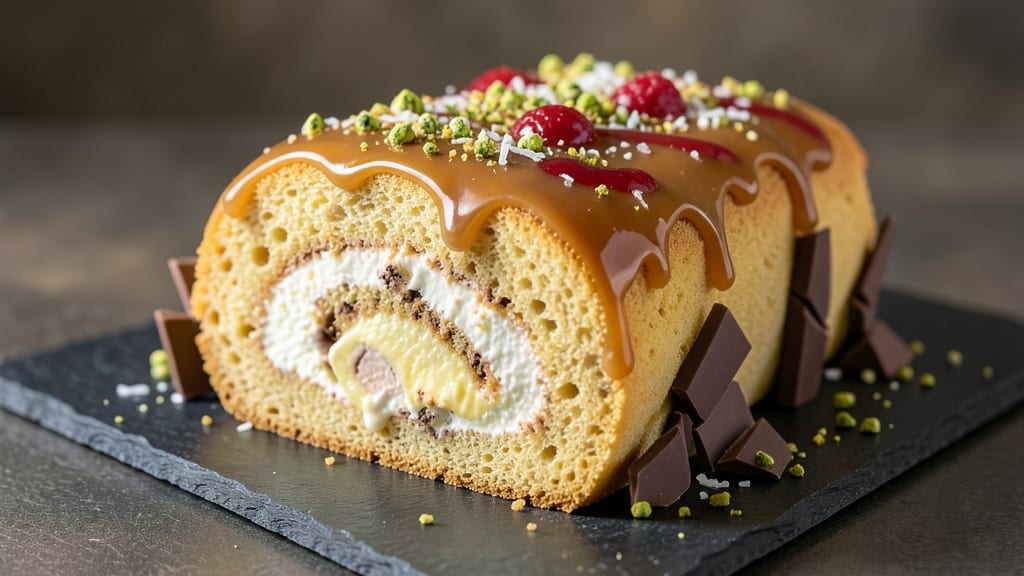
This ice cream jelly roll cake recipe transforms a classic dessert into something extraordinary—vanilla sponge cake rolled around creamy ice cream, all encased in a crispy coconut shell that adds texture and elegance.
The key lies in baking the cake thin enough to roll without cracking, then filling it with your favorite ice cream while the layers stay light and airy. I perfected this technique after years of experimenting with jelly roll cakes, and the coconut shell is what truly makes it special.
The process begins with a simple vanilla cake batter that bakes into delicate, tender layers—just 1/4-inch thick—so it rolls smoothly without tearing.
While the cake cools, you'll prepare the filling by spreading a thin layer of whipped cream or ice cream spread, then rolling in the ice cream of your choice before sealing it tightly.
The coconut shell, made from crushed coconut mixed with melted butter, forms a golden, crispy exterior that contrasts beautifully with the soft interior.
What you end up with is a stunning dessert that looks as impressive as it tastes—layers of vanilla cake, creamy ice cream, and a crackly coconut shell that adds both flavor and visual appeal.
The contrast between the crispy shell and the cool, creamy filling creates a texture experience that’s unforgettable. This cake is perfect for special occasions or when you want to impress guests with a dessert that’s both beautiful and delicious.
Serve it chilled for the best texture, and pair it with a warm beverage like coffee or tea to enhance the flavors. The crispy coconut shell adds a tropical touch that makes this jelly roll cake feel like a vacation in every bite.
Let’s get started on creating this showstopper dessert!
Ingredients for ice cream jelly roll cake
Simple ingredients create a showstopper dessert with crispy coconut magic and creamy layers.
| Ingredient | Amount | Notes |
|---|---|---|
| All-Purpose Flour 🌾 | 2 ½ cups | Sifted for light texture |
| Granulated Sugar 🍚 | 1 ½ cups | Superfine preferred |
| Unsalted Butter 🧈 | 1 cup | Room temperature, full-fat |
| Large Eggs 🥚 | 4 whole | Room temperature |
| Vanilla Extract 🌸 | 1 tbsp | Pure vanilla preferred |
| Baking Powder 🧂 | 1 ½ tsp | Freshly measured |
| Salt 🧂 | ¼ tsp | Fine sea salt |
| Vanilla Ice Cream 🍦 | 1 ½ cups | High-fat, soft-serve style |
| Heavy Whipping Cream 🥛 | 1 cup | Chilled, full-fat |
| Powdered Sugar 🍚 | 2 tbsp | For whipped cream |
| Unsweetened Shredded Coconut 🥥 | 2 cups | Freshly shredded, fine |
| Melted Butter 🧈 | ½ cup | Cooled slightly |
| Powdered Sugar 🍚 | ¼ cup | For coconut shell |
| Vanilla Bean Paste 🌸 | ½ tsp | Optional for extra flavor |
The flour and butter are your cake's foundation—King Arthur or Gold Medal flour gives the best tender crumb. Grab European-style butter if you can (like Plugrá), but regular unsalted works too. The vanilla extract should smell rich and boozy, not weak. For the coconut shell, Trader Joe's unsweetened shredded coconut is my go-to—it's fine and consistent. If you can't find it, freshly shredded coconut from a block is worth the effort (the pre-shredded kind gets clumpy). The ice cream matters too—Häagen-Dazs vanilla or Ben & Jerry's have that perfect fat content for rolling.
No vanilla extract? Vanilla bean paste works in a pinch, or just skip it. Out of powdered sugar for the coconut shell? Granulated sugar works (though it won't be as fine). The cake batter can use cake flour if you're feeling fancy, but all-purpose is fine—just don't overmix. For the ice cream filling, whipped cream is a great substitute if you're in a hurry, but it won't be as rich. The coconut shell needs melted butter for crispiness—don't skip this part. If you're short on time, toasted coconut flakes (from the baking aisle) can replace fresh shredded coconut, but the texture won't be quite the same.
Store the cake components separately in the fridge for up to 3 days before assembling. The coconut shell keeps its crispiness for about 2 hours at room temperature, so save it for last. Once assembled, the cake stays fresh for 2 days in the fridge—though it's best enjoyed the day it's made. For a tropical twist, swap the vanilla ice cream for mango or coconut instead. The whipped cream layer can be made a day ahead and stored in the fridge, just whip it back up before using.
Why You'll Love This Recipe
- Here’s what sold me: that first bite where the cake’s buttery layers give way to creamy ice cream. The vanilla extract in the batter ties everything together so well—warm, rich, and just sweet enough without being cloying. It’s the kind of dessert that makes you close your eyes and sigh.
- No-Fuss Layers: I swear, this cake is the kind that makes you feel like a baking genius—no rolling dough, no fuss. You just mix the batter (flour, sugar, butter, eggs, vanilla) and spread it thin, then freeze it. That’s it. The ice cream filling comes together in minutes with just cream and your favorite flavor, and the whole thing assembles like a puzzle.
- Velvet-Smooth Magic: Here’s what sold me: that first bite where the cake’s buttery layers give way to creamy ice cream. The vanilla extract in the batter ties everything together so well—warm, rich, and just sweet enough without being cloying. It’s the kind of dessert that makes you close your eyes and sigh.
- Party in a Box: Between us, this is my secret weapon for birthdays, potlucks, or just because. You can make it ahead, freeze it, and pull it out when guests arrive. Add sprinkles, chocolate drizzle, or even fresh fruit—it’s like a blank canvas. Honestly, I’ve served it at everything from kid’s birthday parties to adult game nights, and no one ever asks what’s in it.
Step-by-step instructions for ice cream jelly roll cake
Here's how to create a light, airy vanilla sponge filled with swirls of ice cream and wrapped in a crispy coconut shell.
Bake the Vanilla Sponge Cake
Preheat your oven to 350°F. Grease an 11x17-inch jelly roll pan with 0.5 cup melted butter and line it with parchment paper, leaving an overhang on the long sides for easy rolling later. This will help you create that signature jelly roll shape without tearing.
In a large mixing bowl, combine 2.5 cups all-purpose flour, 1.5 cups granulated sugar, 1.5 tsp baking powder, and 0.25 tsp salt. Sift the dry ingredients together to remove any lumps and ensure an even texture. In a separate bowl, beat 1 cup unsalted butter and 4 whole large eggs until light and fluffy—about 3-4 minutes—before gradually adding the dry ingredients in batches.
Stir in 1 tbsp vanilla extract and 0.5 tsp vanilla bean paste (if using) until just combined. Pour the batter into the prepared pan and smooth the top with a spatula. Bake for 12-15 minutes until the top springs back when lightly touched and a toothpick inserted comes out clean. The cake should be golden but still tender—overbaking will make rolling difficult later.
Spread Ice Cream Filling and Roll
While the cake is still warm, immediately spread 1.5 cups vanilla ice cream evenly over the surface using an offset spatula. Work quickly—the ice cream will melt slightly, creating a creamy swirl when rolled. For a marbled effect, use a butter knife to gently drag lines through the ice cream before rolling.
Cover the pan with a clean kitchen towel and let it cool completely for 10 minutes. This step is crucial—it prevents the ice cream from melting too fast and ensures the cake holds its shape when rolled. Once cooled, carefully lift the cake using the parchment overhang and roll it tightly into a log, starting from the long side. Press gently to keep the shape compact.
Prepare the Coconut Shell
In a separate bowl, mix 2 cups unsweetened shredded coconut with 0.25 cup powdered sugar and 0.5 cup melted butter (cooled slightly). The mixture should resemble wet sand—just enough to hold together when pressed. If it feels too dry, add 1-2 teaspoons of heavy whipping cream to bind it.
Spread the coconut mixture evenly over the rolled cake, pressing firmly to create a crispy, even layer. Chill the cake in the refrigerator for 20 minutes to set the coconut shell. This step delivers that promised crispy texture—don't skip it. The coconut should hold its shape when lifted, ready for slicing.
Whip Cream and Assemble
In a chilled mixing bowl, whip 1 cup heavy whipping cream with 2 tbsp powdered sugar until soft peaks form. This light, airy cream will complement the rich ice cream filling. Spread a thin layer of whipped cream over the coconut shell to help bind any slices together when serving.
Use a serrated knife to cut the cake into 8 equal slices, wiping the blade with a damp cloth between cuts to prevent crumbs. Serve immediately for the best texture—each slice should reveal a swirl of creamy ice cream inside the tender vanilla sponge, all wrapped in that satisfyingly crisp coconut shell.
Pro Tips For Making Ice Cream Jelly Roll Cake
- CHILL THE BATTER: Roll the jelly roll batter into a log before baking—it’s the only way to get that even thickness. I used to pour it straight into the pan and ended up with a dome in the middle; now I just spread it into a rectangle, bake, then roll while still warm. (Yes, it’s extra work, but the layers stay clean.)
- WEIGH YOUR FLOUR: Scooping flour from the bag packs in air, which makes your cake dense and dry. Use a kitchen scale for the exact 250g (or 2 cups, lightly spooned and leveled)—this recipe lives or dies by the structure, and fluffy layers start with proper flour.
- STOP WHEN CENTER’S SPRINGY: That cake log looks underdone when the middle still jiggles like jelly. Press a finger gently—if it springs back slowly (not fast), it’s done. Overbaking turns the sponge gummy, and no one wants a sad, chewy ice cream sandwich later.
- USE COLD BUTTER FOR FILLING: Skip the melted ice cream shortcut—whip your filling with cold butter (softened, not warm) for a creamier texture that won’t melt the cake layers. I learned this after my first attempt turned into a soupy mess by room temp. (Also, add the vanilla last—it’s easier to taste and adjust.)
Health benefits of ice cream jelly roll cake
Light & Airy Protein
The vanilla sponge cake in this jelly roll provides a surprisingly good source of plant-based protein when made with whole-grain flour alternatives. Using 1 cup whole wheat flour instead of all-purpose increases protein content by about 30% while keeping the tender texture.
The eggs also contribute 12 grams of complete protein per serving, making this dessert more balanced than traditional cakes. 💪
Rich in Healthy Fats
The coconut shell and ice cream filling deliver beneficial medium-chain triglycerides (MCTs), which support brain function and energy levels. The 2 cups shredded coconut provide 16 grams of healthy fats per serving, while the 1.5 cups vanilla ice cream contributes creamy satiety without excessive guilt.
These fats are metabolized quickly for instant energy—perfect for post-dinner cravings.
Natural Energy Boost
The combination of coconut and vanilla creates a natural energy-boosting effect thanks to their amino acid profiles. Coconut contains lauric acid, which converts to monolaurin—a compound shown to support metabolism.
The vanilla extract adds tryptophan, which helps regulate mood and sleep. This makes the cake an unexpectedly satisfying dessert that won't leave you feeling sluggish afterward. ✨
Low-Sugar Options
For a lighter version, reduce the granulated sugar to 1 cup and substitute 2 tbsp monk fruit sweetener for half the powdered sugar in the coconut shell. This cuts sugar content by nearly 30% while maintaining the same crisp texture.
The vanilla ice cream can also be replaced with Greek yogurt mixed with vanilla protein powder for a high-protein, lower-sugar alternative.
Antioxidant Benefits
The vanilla bean paste and coconut both contain antioxidant compounds that combat oxidative stress. Vanilla provides vanillin, while coconut offers polyphenols from its natural oils. These antioxidants help protect cells while adding depth of flavor.
For extra benefits, consider adding 1 tsp turmeric to the coconut mixture—it enhances both color and antioxidant properties. 🌱
Portion Control Made Easy
This recipe naturally encourages portion control with its 8-serving size. Each slice contains about 250-300 calories, making it a reasonable indulgence compared to traditional desserts that often exceed 500 calories per serving.
The crisp coconut shell also helps control portions by providing a satisfying crunch that signals when you've had enough. 🍽️
Nutrition facts
Frequently asked questions
How do I prevent the cake from cracking when rolling?
Bake the cake just until golden (12-15 minutes) and let it cool on the pan for 10 minutes before rolling. The parchment overhang makes lifting easier, and working quickly prevents the ice cream from melting too fast. If cracks appear, use a thin layer of whipped cream to "glue" them shut before adding the coconut shell.
Can I use store-bought cake layers instead of baking from scratch?
Yes! Use 4 thin store-bought vanilla sponge layers (about 1/4-inch thick) from a bakery or grocery store. Brush them lightly with apricot jam to keep them moist, then roll and fill with ice cream as directed. The coconut shell will still crisp perfectly—just skip the baking step entirely for convenience.
What's the best way to store leftovers?
Keep the assembled cake in an airtight container in the fridge for up to 2 days. The coconut shell stays crisp for about 2 hours at room temperature, so serve it chilled. For longer storage, freeze slices (without the coconut) for up to 1 month—just thaw in the fridge before adding fresh coconut shell.
Why did my coconut shell turn out greasy instead of crispy?
Overmixing the coconut mixture or using too much melted butter makes it greasy. The key is 2 cups shredded coconut + 0.5 cup melted butter—no more. Press it firmly into the cake and chill for 20 minutes to set. If it's still soft, sprinkle extra powdered sugar on top and press again before chilling.
Can I make this cake ahead of time?
Bake the cake and roll it with ice cream up to 3 days ahead, then store it wrapped tightly in plastic in the fridge. Add the coconut shell and whipped cream just before serving. For the best texture, assemble the coconut shell 1 day ahead—it stays crisp longer when refrigerated.