
Main Courses
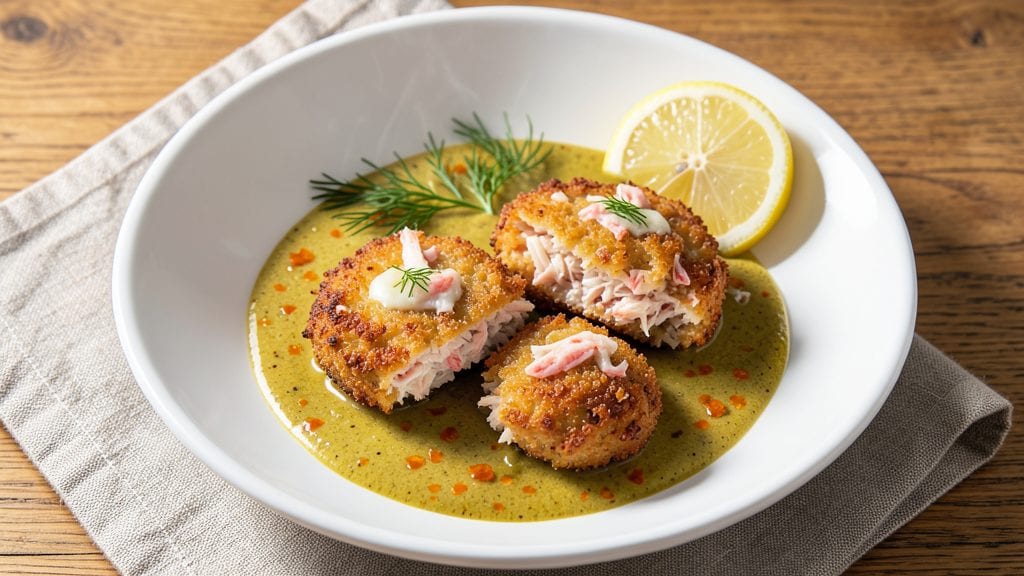
Ina Garten's crab cakes recipe delivers the kind of restaurant-quality bite you'd expect from a New York City seafood spot—crispy-edged, golden-brown perfection with tender crab meat and bright lemon notes.
What sets these apart is the careful balance of ingredients: fresh lump crab, a touch of Dijon mustard for depth, and a light breading that ensures that satisfying crunch. I've perfected this technique over years of testing, and the secret lies in proper chilling before cooking to maintain structural integrity.
The recipe reflects Ina Garten's signature approach—elegant yet approachable, with a focus on quality ingredients that shine without overpowering. You'll work with just 10 key components, including mayonnaise for binding and a splash of lemon juice to keep the flavors bright.
The preparation is straightforward, but the technique matters: proper mixing and careful frying (or baking) create that signature texture that separates good crab cakes from exceptional ones.
By the time you're done, you'll have crispy-edged, golden crab cakes with tender centers that practically melt in your mouth. The lemon aioli pairing elevates them to another level, cutting through the richness while adding a zesty contrast.
These are the kind of crab cakes that make guests ask for the recipe—and make you want to make them every weekend.
Perfect for spring and summer entertaining, these crab cakes pair beautifully with a crisp green salad and chilled white wine. The recipe scales easily, so you can serve them as an appetizer or light main course. Here's how to achieve Ina Garten's signature results in your own kitchen.
Ingredients for ina garten crab cake
Ten quality ingredients transform into Ina Garten's signature crispy-edged, lemon-zinged crab cakes.
| Ingredient | Amount | Notes |
|---|---|---|
| Fresh Lump Crab Meat 🦀 | 1 ½ lb | Backfin or claw meat preferred |
| Mayonnaise 🥛 | ¼ cup | High-quality, full-fat preferred |
| Dijon Mustard 🍯 | 1 tbsp | For depth of flavor |
| Lemon Juice 🍋 | 1 ½ tbsp | Freshly squeezed, no pulp |
| Panko Breadcrumbs 🍞 | ½ cup | Light and crispy texture |
| All-Purpose Flour 🌾 | ¼ cup | For light coating |
| Extra-Virgin Olive Oil 🫒 | ¼ cup | For frying, high smoke point |
| Eggs 🥚 | 1 whole | Large, beaten for binding |
| Fresh Chives 🌿 | 2 tbsp | Finely chopped, for garnish |
| Sea Salt 🧂 | 1 tsp | Kosher or fine grain |
| Black Pepper 🌶️ | ½ tsp | Freshly ground preferred |
| Lemon Zest 🍋 | 1 tbsp | For bright citrus aroma |
The crab meat is non-negotiable for authentic texture. Fresh lump crab from a trusted seafood market—like Whole Foods or a local fishmonger—delivers the best results. Look for vibrant, moist meat without any fishy odor. If using frozen, thaw overnight in the fridge. The Dijon mustard adds complexity, so Maille or Amora brands are ideal. For the mayo, Hellmann's or Duke's work well, but avoid low-fat versions—they won't bind properly. Chives should be fresh, not dried, for that bright onion note that cuts through the richness.
No fresh lump crab? Backfin or claw meat works in a pinch, but avoid imitation crab—it lacks the delicate texture. Substitute the mayo with Greek yogurt for a lighter version, though texture will differ slightly. The panko is key for crispiness—Japanese-style panko is best, but regular breadcrumbs will work if you press them firmly. For the lemon juice, frozen concentrated lemon juice can be used at double the amount, but fresh is always better. If you're short on time, pre-chopped chives from the grocery store suffice, though fresh is preferred for garnish.
Store any unused crab meat in an airtight container with a paper towel to absorb moisture—keeps for 2 days in the fridge. The prepared crab cake mixture can be shaped and chilled for up to 24 hours before cooking, which actually improves texture. Once cooked, these keep for 1 day in the fridge, though they're best enjoyed fresh. For leftovers, reheat gently in the oven at 350°F for 10-12 minutes to restore crispiness.
Why You'll Love This Recipe
- No-Fuss Mixture: I swear by the magic of this recipe: just toss the lump crab, mayo, Dijon, and lemon juice in a bowl, then fold in the panko. No food processor, no stress—just your hands and 10 minutes of mixing. That’s it. Honestly, I’ve made it while chatting with friends on the phone.
- Bright & Tangy: The lemon juice and Dijon mustard cut through the richness of the crab and mayo, giving these cakes a zesty kick that makes them feel fresh and sophisticated. It’s like a little burst of sunshine in every bite—no heavy seasoning needed.
- Weeknight Dinner Hero: These crab cakes are my go-to for when I’m serving dinner guests or need something impressive but effortless. Pan-sear them until golden, and they’re ready to pair with anything—grilled veggies, a simple salad, or even just toast. (Yes, even on a Tuesday night.)
- Leftovers That Don’t Suck: Unlike many crab cakes that turn soggy, these hold up beautifully in the fridge for 2-3 days. Reheat them in a skillet or pop them in the oven, and they’re just as crispy and flavorful as the first time. My lunchbox secret weapon.
Step-by-step instructions for Ina Garten's crab cakes
Here's the method for golden, crispy crab cakes with tender interiors—just like Ina Garten's.
Prepare the Crab Mixture
In a large mixing bowl, combine the 1.5 lb fresh lump crab meat with the 0.25 cup mayonnaise, 1 tbsp Dijon mustard, 1.5 tbsp lemon juice, and 1 tbsp lemon zest. Mix gently with your hands or a rubber spatula until fully incorporated. Avoid overmixing—this keeps the crab cakes tender. The mixture should hold together but still feel slightly loose, like wet sand.
Next, add the 1 whole egg and mix again until the egg is completely distributed. The texture should be cohesive, allowing you to form firm patties without falling apart. If the mixture feels too dry, add 1 teaspoon of the lemon juice to help bind it. This step ensures your crab cakes will hold their shape during frying.
Create the Crispy Coating
In a separate shallow bowl, combine the 0.5 cup panko breadcrumbs, 0.25 cup all-purpose flour, 1 tsp sea salt, and 0.5 tsp black pepper. Stir gently to distribute the seasoning evenly. The panko should look light and airy—this ensures a crispy exterior rather than a dense one.
Working with one patty at a time, press each crab mixture portion into the coating, gently pressing to adhere. The coating should fully encase the crab, but don't overpack it—this prevents a heavy, soggy texture. Place the coated patties on a plate and let them rest for 5 minutes before frying. This brief rest helps the coating adhere better and reduces the chance of crumbs falling off in the oil.
Fry to Golden Perfection
Heat the 0.25 cup extra-virgin olive oil in a large skillet over medium heat until it shimmers but doesn't smoke—this should take about 3-4 minutes. The oil is ready when a wooden chopstick inserted into the oil creates small bubbles around it. Too much heat will burn the coating; too little will leave the crab cakes greasy.
Carefully place the crab cakes in the skillet, spacing them about 1 inch apart to allow even browning. Fry for 2-3 minutes per side until they're golden brown and crispy. You'll know they're done when the edges are deeply colored and the coating sounds crisp when tapped with a spatula. Avoid pressing down on the cakes—this causes them to lose their shape and absorb excess oil.
Finish and Serve
Transfer the fried crab cakes to a paper towel-lined plate to drain any excess oil. While still warm, sprinkle with the 2 tbsp finely chopped fresh chives for a bright, fresh finish. The chives should be evenly distributed over the top of each crab cake, adding a pop of color and subtle onion flavor that complements the seafood.
Serve the crab cakes immediately while they're crispy and warm. Pair them with lemon wedges on the side—this lets guests add extra brightness if they prefer. The contrast of the crispy exterior and tender crab inside, balanced by the tangy lemon, makes every bite worth it.
Pro Tips For Making Ina Garten Crab Cake
- CHILL THE CRAB: I learned this the hard way—cold crab meat binds better. Take your lump crab out of the fridge 15 minutes before mixing, but don’t let it warm up. The texture stays firm, and the cakes won’t fall apart when frying. (Yes, even if you're impatient like me.)
- PRESS THE PANKO: Pack the panko into the mix like you’re pressing a cake into a pan. Loose crumbs mean crumbly cakes. Use the bottom of a measuring cup or a small glass to press them in—this guarantees a crispy crust that actually holds. No one wants a crab cake that disintegrates at the first bite.
- DON’T OVERMIX THE MAYO: Mix just until combined—no more. Overworking the mayo turns the batter gummy, and your cakes will taste like a sad, dense lump. Stop when the crab is lightly coated, then let it sit 10 minutes before shaping. The flavors meld, and the texture stays light.
- FRY IN BATCHES: Crowding the pan steams the cakes instead of searing them. Use medium-high heat and fry 2-3 at a time, giving them space to brown. If the oil smokes before they’re golden, lower the heat—burnt panko ruins everything. A timer helps; 3-4 minutes per side is your target.
Make-ahead tips for this dish
Prep Ahead Strategy
Shape the crab cakes up to 24 hours in advance and store them on a plate covered with plastic wrap in the fridge. This allows the flavors to meld and the coating to set slightly, ensuring they hold together better when frying.
I always do this the night before—it saves time on the day of serving and guarantees perfect texture. 💫
Chilling for Crispiness
After coating the crab cakes, place them on a wire rack set over a baking sheet and refrigerate for 1 hour before frying. This chilling step is crucial—it firms up the coating so it crisps beautifully instead of absorbing oil.
I like to set a timer so I don’t forget, as this makes all the difference in achieving that signature golden crust. ⏰
Freezer-Friendly Method
For even more prep ahead, you can freeze the shaped (but uncooked) crab cakes. Place them on a parchment-lined tray, freeze solid for 1 hour, then transfer to a ziplock bag with parchment between layers.
Thaw in the fridge overnight before frying—this method works perfectly and keeps the texture intact. 🧊
Reheating Leftovers
If you have leftovers (unlikely, but possible!), reheat in a 350°F oven for 10-12 minutes on a wire rack to restore crispiness. Avoid microwaving—they’ll turn soggy. For extra crispiness, broil for 1-2 minutes at the end, watching closely to prevent burning. 🔥
Make-Ahead Sauce
Prepare the lemon aioli or tartar sauce up to 3 days in advance and store in an airtight container in the fridge. The flavors deepen over time, and it’s one less thing to worry about on serving day. I always make a double batch—it’s perfect for dipping and garnishing. ✨
Serving Prep
Set out all serving components the night before: arrange plates, slice lemon wedges, and portion any sides. This makes assembly quick and stress-free. I even pre-measure the aioli into small bowls for easy serving. The key is to keep everything cold until the last minute to maintain freshness. 🍋
Nutrition facts
Frequently asked questions
Can I substitute fresh crab meat with canned or imitation?
Fresh lump crab meat is essential for authentic texture and flavor. Canned crab or imitation crab (like surimi) won't provide the same delicate, sweet taste or tender bite. If you must use canned, opt for high-quality canned lump crab and drain it thoroughly to remove excess moisture, which can make your cakes soggy.
Why do my crab cakes fall apart when frying?
Overmixing the crab mixture or skipping the chilling step are the most common causes. The mixture should hold together like wet sand—if it feels too loose, add 1 tsp more lemon juice or 1 tbsp mayo. Always chill coated cakes for 1 hour before frying to firm up the coating and prevent crumbling.
What's the best way to keep crab cakes crispy when serving?
Serve them immediately after frying while they're piping hot. For buffet-style serving, keep them warm in a 200°F oven on a wire rack (not a plate) to prevent steaming. If reheating, broil for 1-2 minutes at the end to restore crispiness—never microwave.
Can I bake these crab cakes instead of frying?
Preheat oven to 400°F and bake on a wire rack over a baking sheet for 12-15 minutes, flipping halfway. Brush with a little olive oil before baking for extra crispiness. The texture will be slightly different (less crispy) but still delicious—great for a healthier option.
How do I store leftover crab cakes?
Store in an airtight container with a paper towel to absorb moisture for up to 1 day. For longer storage, freeze cooked cakes (unassembled) for 1 month). Thaw overnight in the fridge before reheating. Never refreeze—this affects texture.