
Main Courses
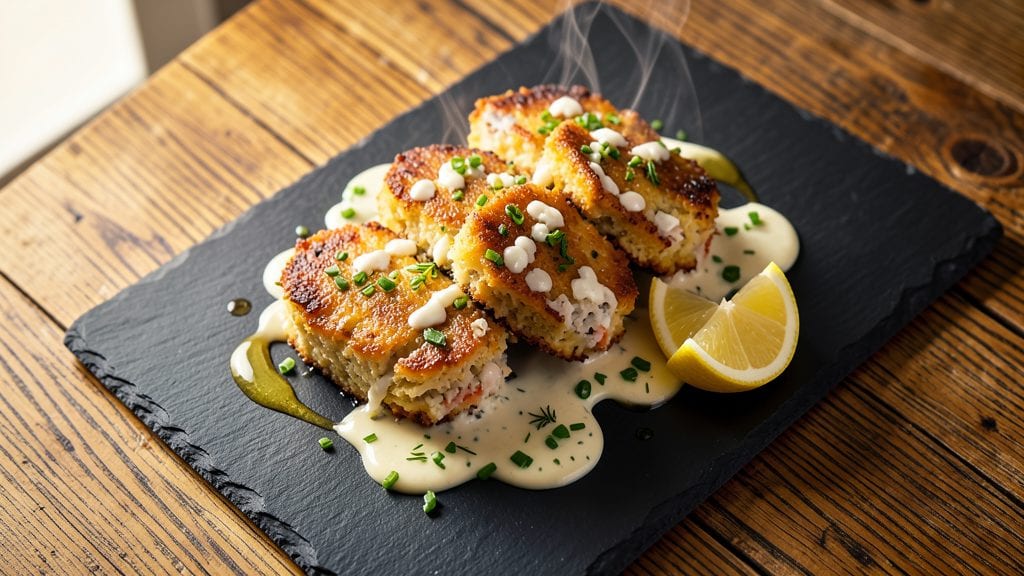
Jacques Pépin’s crab cakes recipe delivers that perfect balance of crispy golden crust and tender, buttery interior—the kind of dish that elevates seafood night into a restaurant-worthy experience. The secret lies in properly sweetening the crab meat, binding it just right, and mastering the pan-sear for that signature crunch.
I’ve perfected this technique over years of testing, and it’s now my go-to for entertaining guests or treating myself to a luxurious meal.
What sets these crab cakes apart is the zesty lemon aioli that cuts through the richness, adding brightness and depth. The recipe calls for a precise mix of crab meat, breadcrumbs, and herbs, all chilled before forming into patties—this step ensures they hold their shape and develop that ideal texture.
Pan-searing in butter until golden brown creates a crust that shatters with every bite, while the inside stays moist and flavorful.
By the time you plate these crab cakes, you’ll have a dish that’s visually stunning and packed with flavor—crispy edges, tender centers, and a tangy aioli that ties everything together. The aroma alone will have everyone at the table asking for seconds.
This recipe is designed to impress, whether you’re serving it as a main course or as part of a seafood spread.
Pair with a simple citrus salad or roasted vegetables to round out the meal. The techniques here are professional yet approachable, making it achievable for home cooks looking to create a standout dish. Let’s get started on these foolproof crab cakes that taste like they came from a high-end restaurant.
Ingredients for jacques pepin crab cake
Buttery, crispy crab cakes with a zesty lemon aioli—just eight ingredients transform seafood night into a restaurant-worthy experience.
| Ingredient | Amount | Notes |
|---|---|---|
| Lump Crab Meat 🦀 | 1 ½ lb | Backfin preferred, sweetened if available |
| Extra-Virgin Olive Oil 🫒 | ¼ cup | High quality, fruity variety |
| Unsalted Butter 🧈 | ½ cup | Cold, cut into 8 pieces |
| Panko Breadcrumbs 🍞 | ½ cup | Light and dry, not pre-moistened |
| Fresh Lemon Juice 🍋 | 2 tbsp | Freshly squeezed, Meyer lemon preferred |
| Dijon Mustard 🍯 | 1 tbsp | High-quality, grainy texture |
| Mayonnaise 🥫 | 2 tbsp | Duck egg preferred for richness |
| Fresh Chives 🌿 | 2 tbsp | Finely chopped, stems removed |
| Fresh Dill 🌿 | 1 tbsp | Finely chopped, stems removed |
| Salt 🧂 | 1 ½ tsp | Diamond Crystal kosher salt |
| Ground Black Pepper 🌶️ | ½ tsp | Freshly ground preferred |
| Egg Yolks 🥚 | 2 whole | Fresh, room temperature |
| Lemon Zest 🍋 | 1 tbsp | From 1 large lemon |
| Ice Cubes ❄️ | 1 cup | For chilling crab mixture |
The crab meat sets the foundation—backfin lump is ideal for its texture, but pre-sweetened crab from Whole Foods or Trader Joe's works perfectly. Avoid imitation crab; the quality difference is night and day. For the aioli, Dijon mustard adds depth, while duck egg mayo elevates richness. If you can't find duck egg mayo, high-quality regular mayo is fine—just taste as you go. The butter must be cold when forming the cakes; European-style butter like Plugrá or Kerrygold holds its shape best during searing.
No panko? Fresh breadcrumbs work, but toast them first for extra crunch. Short on fresh herbs? Dried dill at half the amount keeps the flavor profile intact. The lemon juice can be substituted with white wine vinegar, but fresh is always better. If your crab meat is extra wet, add 1 extra tablespoon of breadcrumbs to bind. For the aioli, if you're short on mayo, Greek yogurt works in a pinch, though the texture will differ slightly. Always taste the aioli before serving—adjust with extra lemon or a pinch of salt as needed.
Chill the crab mixture for at least 30 minutes before forming patties—this ensures they hold together during cooking. The aioli can be made a day ahead and stored in an airtight container in the fridge. Crab cakes reheat beautifully; 350°F for 8-10 minutes restores crispiness. For entertaining, assemble the aioli and crab mixture separately, then form and cook just before serving. The aroma alone will have guests anticipating that first bite.
Why You'll Love This Recipe
- I’ll be real: I often make extra because reheated crab cakes are almost as good as fresh. Toss them in a skillet with a pat of butter and a splash of lemon, and no one will guess they’re not just out of the pan. Budget-friendly too—lump crab stretches farther than you’d think when mixed with panko.
- No-Fuss Assembly: I swear by this recipe because it’s that simple—just mix, shape, and pan-fry. No fancy techniques, no last-minute scrambling for ingredients. The panko gives structure without fuss, and the butter-oil combo keeps it from turning into a sad, greasy mess.
- Crispy-Creamy Magic: That first bite? Chef’s kiss. The panko crust gets golden and shatteringly crisp while the crab stays tender—like a hug from the sea. A squeeze of fresh lemon at the end cuts through the richness, making every forkful feel like a little celebration.
- Weeknight or Dinner Party: Between us, these work just as well for a lazy Tuesday as they do for guests. Double the batch, pop them in the fridge, and they’re ready to sear in minutes. (Yes, even on a Tuesday night.) The lemon brightens them up enough to feel special without requiring a white tablecloth.
Step-by-step instructions for jacques Pépin's crab cakes
Master the technique for golden-brown crab cakes with crisp edges and tender centers.
Prepare the Crab Mixture with Precision
In a large mixing bowl, combine the 1.5 lb lump crab meat, 2 tbsp mayonnaise, 1 tbsp Dijon mustard, 2 tbsp fresh lemon juice, 1 tbsp lemon zest, 2 tbsp finely chopped fresh chives, and 1 tbsp finely chopped fresh dill. Use your hands to gently fold everything together until just combined—avoid overmixing, which can break down the crab meat.
Add the 2 whole egg yolks and mix again until fully incorporated. The mixture should hold its shape when pressed but still feel moist. Season with 1.5 tsp salt and 0.5 tsp ground black pepper, then fold in the 0.5 cup panko breadcrumbs. The texture should resemble wet sand—if it feels too dry, add 1-2 tbsp ice water to help bind it.
Chill the Mixture for Optimal Texture
Transfer the crab mixture to a shallow dish and cover it tightly with plastic wrap. Place the dish in the freezer for 15 minutes to firm up slightly. This step is crucial—it prevents the crab cakes from falling apart when you handle them. While chilling, prepare your cooking station by dividing the mixture into 4 equal portions, each weighing about 4 ounces. Shape each portion into a ¾-inch thick patty with slightly rounded edges.
For even cooking, press down gently on each patty to create a flat surface. If the mixture feels too sticky, wet your hands slightly to help shape. Keep the shaped patties on a plate in the refrigerator until ready to cook—this ensures they hold together when you transfer them to the pan.
Pan-Sear for Perfect Crispiness
Heat 0.25 cup extra-virgin olive oil and 0.5 cup unsalted butter (cut into 8 pieces) in a large skillet over medium heat. Let the butter melt completely, then reduce the heat to medium-low—you want the oil to shimmer but not smoke. This gentle heat prevents burning while allowing the crab cakes to develop a golden crust.
Carefully place the chilled crab cakes in the skillet, spacing them about 1 inch apart. Cook undisturbed for 3-4 minutes per side until the underside is deep golden brown and the edges are set. Avoid pressing down on the cakes—this releases moisture and creates a soggy texture. You’ll know they’re ready when the edges pull away cleanly from the pan and the internal temperature reaches 145°F.
Rest and Serve with Confidence
Transfer the cooked crab cakes to a wire rack set over a paper towel-lined plate. Let them rest for 5 minutes before serving—this allows any residual moisture to evaporate, ensuring a crisp exterior. Serve immediately with the zesty lemon aioli on the side, or drizzle it over the top for an extra burst of brightness.
Each crab cake should have a crisp, buttery crust with a tender, flaky interior. The lemon aioli’s tang cuts through the richness, balancing the sweetness of the crab. For best results, serve with a simple arugula salad or steamed asparagus to complement the dish without overpowering it.
Pro Tips For Making Jacques Pepin Crab Cake
- Prep Crab Meat Right: Drain and pat the lump crab meat thoroughly—no wet spots. I learned this the hard way: even a little moisture makes your cakes soggy instead of crisp. Use paper towels, not a cloth, and press firmly.
- Chill the Mixture: Let the crab cake batter rest in the fridge for at least 30 minutes before cooking. Sounds weird, but it works: the butter firms up, the panko absorbs less oil, and you get that perfect golden crust instead of a greasy mess.
- Don’t Overcrowd the Pan: Cook the cakes in batches—two at a time max—over medium heat. I used to rush and crowd them, and they’d steam instead of sear, turning out greasy and uneven. Patience here guarantees a crisp exterior every time.
- Use a Mix of Oils: Swap half the olive oil for melted butter in the pan—about 1 tablespoon each. The olive oil adds brightness, but the butter gives that rich, buttery flavor Pepin’s version is known for. (Yes, even if you’re impatient like me.)
Flavor customization for this recipe
Herb Variations
Swap the classic chives and dill for tarragon and parsley—this combination adds a delicate anise-like note that pairs beautifully with crab. For a bold twist, try fresh cilantro and Thai basil, which introduce a bright, slightly citrusy flavor.
I’ve found that 1 tbsp of each works perfectly while maintaining the dish’s elegance. 🌿
Spicy Kick
Add ½ tsp of smoked paprika or 1 tsp of cayenne pepper to the crab mixture for a subtle heat. For a more pronounced kick, mix 1 tbsp of finely chopped jalapeños or ½ tsp of red pepper flakes into the aioli.
This works especially well with Meyer lemon aioli, balancing the spice with sweetness. 🌶️
Garlic and Parmesan
Incorporate 2 minced garlic cloves and ¼ cup grated Parmesan cheese into the crab mixture for a rich, umami depth. The garlic adds complexity, while the Parmesan enhances the crispy texture.
I recommend using freshly grated Parmesan for the best flavor—pre-shredded cheese can be too dry and lose its potency. 🧀
Citrus Infusions
Brighten the crab cakes with orange zest instead of lemon for a sweeter, more aromatic profile. Combine 1 tbsp orange zest with the lemon juice in the mixture, and serve with an orange-mayo aioli made by replacing half the lemon juice with orange juice.
This variation shines in spring and summer dishes. 🍊
Smoky Twist
For a smoky flavor, add ½ tsp of liquid smoke or 1 tbsp of smoked salt to the crab mixture. Pair this with a smoked paprika aioli by mixing 1 tsp smoked paprika into the aioli base.
This version works exceptionally well with grilled crab cakes or when served with a smoky BBQ sauce drizzle. 🔥
Gluten-Free Adaptation
Replace the panko breadcrumbs with ½ cup crushed gluten-free crackers or gluten-free oats for a crispy, bind-free texture. Ensure your crackers or oats are lightly toasted before mixing to achieve the same crunch. This adaptation keeps the dish just as satisfying while accommodating dietary restrictions. ✨
Nutrition facts
Frequently asked questions
Why do we chill the crab mixture before forming the cakes?
Chilling for 15 minutes firms up the mixture so it holds its shape during cooking. This prevents crumbling and ensures a clean transfer to the pan. The cold also helps develop that signature crispy crust when seared.
Can I use fresh crab instead of pre-packaged lump crab?
If using fresh crab, pick the meat from the shell yourself for maximum flavor and texture. Remove all cartilage and veins, then chop or flake it finely. For 1.5 lbs, you'll need about 2 lbs of fresh crab to account for shell weight and waste.
How do I fix crab cakes that fall apart when cooking?
Overmixing or insufficient binding causes crumbling. Add 1 extra tbsp of breadcrumbs or 1 more egg yolk to the mixture, then chill longer (30 minutes). Also ensure your pan isn't too hot—medium-low heat prevents premature breaking.
What's the best way to reheat leftover crab cakes?
For best texture, reheat in a 350°F oven for 8-10 minutes on a wire rack. Avoid microwaving as it makes them soggy. To restore crispiness, broil for 1-2 minutes at the end. The aioli can be gently warmed separately.
Can I make these crab cakes ahead of time?
Form the patties and refrigerate them (uncooked) for up to 24 hours. Cook them straight from the fridge for perfect texture. The aioli can be made 1 day ahead and stored in an airtight container. For freezing, cook the cakes first, then freeze them for up to 1 month.