
Main Courses
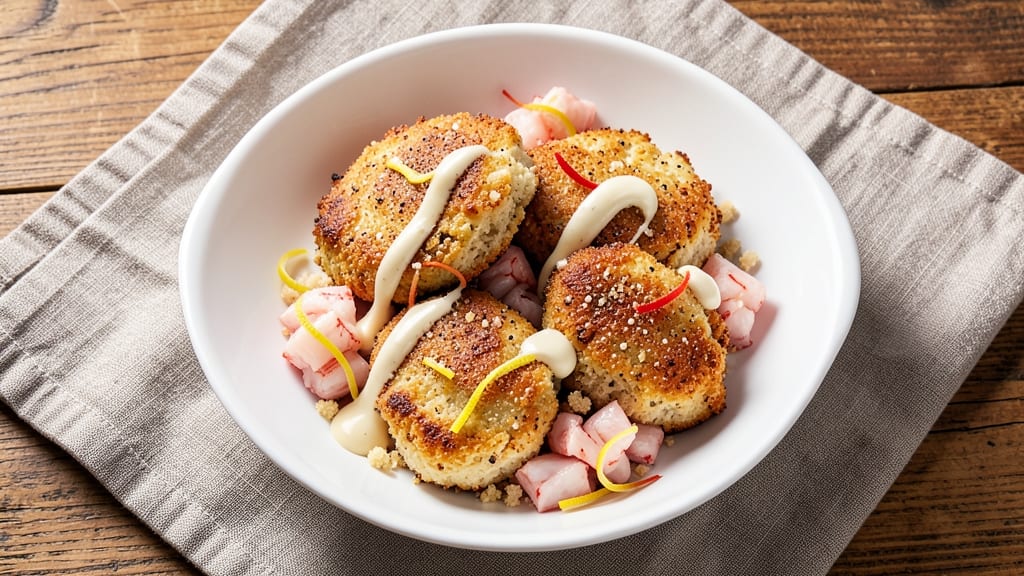
Jimmy's Famous Seafood Crab Cakes Recipe delivers the perfect balance of crispy golden shells and ultra-moist centers that make every bite unforgettable. After years of perfecting this classic dish, I’ve developed a method that ensures tender crab meat stays juicy while achieving that signature crunch.
The secret lies in the right binder—mayonnaise and egg yolks keep the interior luscious, while panko breadcrumbs create a shatteringly crisp exterior.
This recipe stays true to traditional techniques—hand-formed cakes for even cooking and a precise pan-frying method—but includes modern adaptations like air-fryer instructions for a lighter texture.
Whether you're serving these at a seafood boil or a weekend brunch, the flavor profile shines with Old Bay seasoning, lemon zest, and a touch of Worcestershire sauce for depth. The result is a crab cake so well-crafted, it rivals the best you’ll find at waterfront restaurants.
What sets these apart is the attention to detail: properly drained crab meat, chilled batter for easier handling, and a two-stage cooking process that guarantees crispy shells without drying out the interior. The aroma alone—savory, briny, with a hint of citrus—will have your kitchen smelling like a Chesapeake Bay summer.
Serve with tartar sauce, lemon wedges, or a simple remoulade for the ultimate seafood experience.
For those with dietary needs, gluten-free panko and dairy-free mayo options are included without sacrificing texture. The recipe also scales easily, making it perfect for feeding a crowd or prepping ahead. Let’s get started on crab cakes that will become your new signature dish.
Ingredients for jimmy's famous seafood crab cake
Crispy shells, ultra-moist centers—just 14 ingredients transform into legendary crab cakes.
| Ingredient | Amount | Notes |
|---|---|---|
| Fresh Lump Crab Meat 🦀 | 1 ½ lb | Picked for shells, chilled |
| Mayonnaise 🥛 | ½ cup | Dairy-free option available |
| Large Egg Yolks 🥚 | 2 whole | Fresh, room temperature |
| Japanese Panko Breadcrumbs 🍞 | ¾ cup | Gluten-free option available |
| Old Bay Seasoning 🌶️ | 1 tbsp | Classic blend for depth |
| Fresh Lemon Zest 🍋 | 1 tbsp | Fine, from organic lemons |
| Worcestershire Sauce 🍶 | 1 tbsp | High-quality, anchovy-free |
| Fresh Chives 🌿 | 2 tbsp | Finely chopped, for garnish |
| Extra-Virgin Olive Oil 🫒 | 2 tbsp | For frying, high smoke point |
| Unsalted Butter 🧈 | 2 tbsp | Cold, for crispy finish |
| Diamond Crystal Kosher Salt 🧂 | ½ tsp | For seasoning batter |
| Ground Black Pepper 🌶️ | ¼ tsp | Freshly cracked |
| Ice Cubes ❄️ | 1 cup | For chilling batter |
| All-Purpose Flour 🌾 | 1 tbsp | For dusting work surface |
The crab meat is non-negotiable—lump crab with shells gives that signature texture. Costco or local seafood markets are your best bets for fresh, properly drained meat. If using canned crab, drain thoroughly and pick out shells—they’ll ruin the texture. For Old Bay, McCormick’s is the gold standard, but any reputable brand works. The lemon zest should be vibrant—organic Meyer lemons from Trader Joe’s add a floral note. Worcestershire sauce? Lea & Perrins is classic, but check for anchovies if avoiding seafood entirely. Chives add freshness, so grab a bunch and use half for garnish, half for binding.
No Old Bay? Mix 1 tsp paprika, 1/2 tsp celery salt, and 1/4 tsp black pepper for a close substitute. Short on panko? Crush gluten-free crackers or toasted bread cubes—just toast them first for crunch. Dairy-free mayo? Hellmann’s Vegan works perfectly. The egg yolks must be room temperature—whisk them with a pinch of salt to stabilize the emulsion. For extra moisture, add 1 tbsp of crushed Ritz crackers to the mix. And if you’re air-frying, spray with olive oil before cooking for better browning.
Keep the crab meat chilled until ready to mix—it releases water if left out. The batter should be thick but pliable—add ice cubes to keep it cold while forming. These keep 2 days in the fridge, covered with plastic wrap. For freezing, form cakes, flash-freeze on a tray, then transfer to a bag—cook straight from frozen, adding 1-2 minutes. The aroma alone will have guests begging for the recipe. Serve with homemade tartar sauce for the ultimate Chesapeake Bay experience.
Why You'll Love This Recipe
- No-Fuss Assembly: I swear by this recipe because it’s literally three bowls and a pan. Lump crab meat stays chunky, Old Bay adds that signature zing without fuss, and the panko gives that perfect crunch—no rolling in flour or overmixing here.
- Old Bay Magic: That one teaspoon of Old Bay isn’t just seasoning—it’s the soul of the dish. The celery salt, paprika, and cayenne in there cut through the richness of the mayo and crab, leaving you with a bright, tangy bite that makes every forkful feel like a little coastal vacation.
- Weeknight or WOW: Between us, these crab cakes are my go-to for lazy Tuesdays and dinner parties. Pan-sear them for 3 minutes a side for a quick bite, or bake them at 375°F for 12 minutes if you’re prepping ahead—they reheat like a dream (yes, even on a Tuesday night).
- Leftovers That Don’t Suck: Most crab cakes turn into sad, dry hockey pucks when reheated. Not these. The mayo keeps them moist, and the panko stays crispy if you store them right (wrapped tightly, not stacked). I’ve had them cold in salads, toasted in the oven, or even straight from the fridge—still delicious.
Step-by-step instructions for jimmy's famous seafood crab cakes
Here's the method that guarantees restaurant-quality crab cakes with perfect texture every time.
Prepare the Crab Mixture with Precision
In a large mixing bowl, combine the 1.5 lb fresh lump crab meat, 0.5 cup mayonnaise, 2 whole large egg yolks, 1 tbsp Worcestershire sauce, 1 tbsp fresh lemon zest, 1 tbsp Old Bay seasoning, 0.5 tsp diamond crystal kosher salt, and 0.25 tsp ground black pepper. Using your hands, gently fold everything together until just combined—avoid overmixing which can break down the delicate crab texture.
The mixture should be cohesive but still slightly loose, with visible crab chunks. Here's the thing—don't rush this step. The crab should stay cool during mixing, which helps maintain its moisture. If your hands get warm, add 1 cup ice cubes to the bowl and work quickly to keep everything chilled. This cold start is crucial for preventing dry, rubbery crab cakes later.
Create the Crispy Crust Layer
In a separate shallow bowl, combine the 0.75 cup Japanese panko breadcrumbs, 1 tbsp all-purpose flour, and 2 tbsp finely chopped fresh chives. This creates your crispy exterior layer. The panko's light, airy texture is essential—it won't make the cakes dense like regular breadcrumbs would.
Transfer the crab mixture to a plate and gently shape it into 4 equal portions (about 4 ounces each). Roll each portion in the panko mixture, pressing firmly to create an even crust about ¼-inch thick all around. Place the formed cakes on a chilled plate and refrigerate for 30 minutes—this resting period helps the mixture firm up slightly for easier handling.
Fry to Golden Perfection
In a large skillet, heat 2 tablespoons extra-virgin olive oil and 2 tablespoons unsalted butter over medium heat until the butter foams but doesn't brown. The oil should be hot enough to sizzle when you add the crab cakes—this creates that coveted crispy exterior. Here's what I do: I test the heat by dropping in a small piece of panko; if it sizzles immediately, it's ready.
Carefully place the chilled crab cakes in the skillet, being gentle to avoid breaking them. Cook for 3-4 minutes per side until they develop a deep golden brown crust. The internal temperature should reach 145°F when checked with an instant-read thermometer. Don't press down on them with a spatula—they'll release when ready. If they brown too quickly, reduce the heat slightly to prevent burning while maintaining crispiness.
Rest and Serve Immediately
Transfer the cooked crab cakes to a wire rack set over a paper towel-lined plate. Let them rest for 5 minutes—this crucial step allows any residual moisture to redistribute, ensuring each bite stays moist. The exterior will remain crispy while the interior stays tender and flavorful.
Serve the crab cakes immediately while they're at their peak texture. The exterior should be beautifully golden with a satisfying crunch, while the interior reveals that ultra-moist, buttery crab mixture. Garnish with additional fresh chives if desired. These crab cakes are best enjoyed fresh from the fryer, where every component—crispy shell, moist center, and bright seasoning—comes together in perfect harmony.
Pro Tips For Making Jimmy'S Famous Seafood Crab Cake
- Drain That Crab: Don’t skip the final drain—after mixing, press the crab meat through a fine-mesh sieve or damp paper towels to remove all moisture. Wet crab makes the cakes fall apart when frying, and nobody wants a soggy Old Bay disaster.
- Whisk Those Yolks: Beat the egg yolks until they’re pale and ribbon-like before mixing them in. This adds structure to the cake—no one’s impressed by a crumbly mess, and you’ll regret skipping this if you’ve ever had a crab cake fall apart mid-bite.
- Panko First, Then Season: Toss the panko in Old Bay before adding it to the mix. This ensures every crumb gets that signature flavor, not just the surface. I learned this after a batch tasted like a flavorless crust with a hint of seasoning—boring.
- Fry in Batches: Crowd the pan, and you’ll steam the cakes instead of searing them. Use a 3-inch gap between patties, and resist the urge to flip too soon—wait until the bottom is deep golden, not just pale. This is how you get that perfect crispy exterior without burning the inside.
Essential equipment for jimmy's famous seafood crab cake
Skillet Essentials
Your skillet is the star of this recipe, so invest in a 10-inch cast iron like the Lodge Pre-Seasoned—it retains heat beautifully and develops a natural non-stick surface over time. For the best results, preheat your skillet for 3-5 minutes on medium heat before adding oil.
I always use a heavy-bottomed skillet to prevent hot spots that can cause uneven browning. If you don’t have cast iron, a stainless steel skillet with a lid works well, but monitor the heat more carefully. 🔥
Thermometer Accuracy
An instant-read thermometer is non-negotiable for perfect crab cakes—it ensures the internal temperature reaches 145°F without overcooking. I recommend the Thermoworks Thermapen One for its speed and precision. Test the oil temperature by dropping in a small piece of panko; if it sizzles immediately, your oil is ready.
For air-frying, a meat thermometer helps too, as air fryers can vary in heat distribution. Never guess—temperature control is what separates great crab cakes from good ones.
Breading Station Setup
Create a two-bowl breading station to keep your crab mixture cold while coating. Use a shallow glass or ceramic bowl for the panko mixture—it’s easier to see when you’ve coated the cakes evenly.
I like to place a small plate of ice cubes nearby to keep my hands cool while shaping. For gluten-free versions, use King Arthur Gluten-Free Panko and dust your work surface with cornstarch instead of flour to prevent sticking.
A bench scraper helps shape clean edges on your crab cakes without squishing them.
Air-Fryer Adaptations
If you’re air-frying, a 5.5-quart Ninja Foodi or Cosori Premium works best for 4 cakes. Preheat for 5 minutes at 375°F, then spray the basket with olive oil before adding the cakes. Cook for 8-10 minutes, flipping halfway, until the internal temp hits 145°F.
For extra crispiness, spray with oil again after flipping. Air-frying reduces oil absorption, so your cakes will be lighter but still golden. Just avoid overcrowding—they need space to crisp properly. ✨
Resting Tools
A wire cooling rack placed over a paper towel-lined plate is essential for resting your crab cakes. This setup prevents soggy bottoms while keeping the exterior crisp. I also keep a small bowl of ice water nearby—if any cakes brown too quickly, a quick dip helps reset the crust.
For serving, transfer them to a wooden board or slate platter to elevate the presentation. A tongs set with silicone tips makes it easy to handle hot, delicate cakes without breaking them.
Optional Extras
For a garnish station, keep fresh lemon wedges, chopped chives, and tartar sauce ready in small bowls. A mini whisk helps quickly mix any last-minute adjustments to the sauce. If you’re serving a crowd, a chafing dish keeps the tartar sauce warm and creamy.
For storage, transfer leftovers to an airtight container with parchment paper between layers to maintain crispiness. A fine-mesh strainer comes in handy for draining any excess moisture from the crab meat before mixing. 💡
Nutrition facts
Frequently asked questions
Why does the recipe use both mayonnaise and egg yolks as binders?
Mayonnaise adds moisture and richness while egg yolks provide structure and help bind the delicate crab meat. Together, they create that signature ultra-moist texture without making the cakes too dense. The mayo also helps distribute the seasonings evenly throughout the mixture.
Can I make these crab cakes ahead of time?
Form the cakes and refrigerate them uncovered for 2-4 hours to dry the exterior slightly. This helps them crisp up better when cooking. For longer storage, freeze formed cakes (uncooked) on a tray, then transfer to a bag. Cook straight from frozen, adding 1-2 extra minutes per side. Never freeze cooked crab cakes—they lose their crispiness when reheated.
What's the best way to fix dry crab cakes?
Dry crab cakes usually happen from overmixing or undercooked centers. To salvage them, place the cooked cakes in a 200°F oven for 5-10 minutes with a slice of lemon and a pat of butter. The steam from the lemon will add moisture while the butter adds richness. For prevention, keep the crab mixture cold during mixing and cook to exactly 145°F internal temperature.
Can I substitute fresh crab meat with canned?
You can, but with adjustments. Use high-quality canned lump crab (like Wild Alaska) and drain it thoroughly. Pick out any shells or cartilage, then press the meat through a fine-mesh strainer to break up any large chunks. Add 1 extra tablespoon of mayo to compensate for lost moisture. Fresh crab always yields better texture, but canned works in a pinch!
How do I make these gluten-free?
Replace the panko with gluten-free breadcrumbs (toasted for extra crunch) and use cornstarch instead of flour in the breading mix. For binding, gluten-free mayo works perfectly. The texture will be slightly lighter but still crispy. Test your gluten-free panko first—some brands absorb more moisture than others.