
Desserts
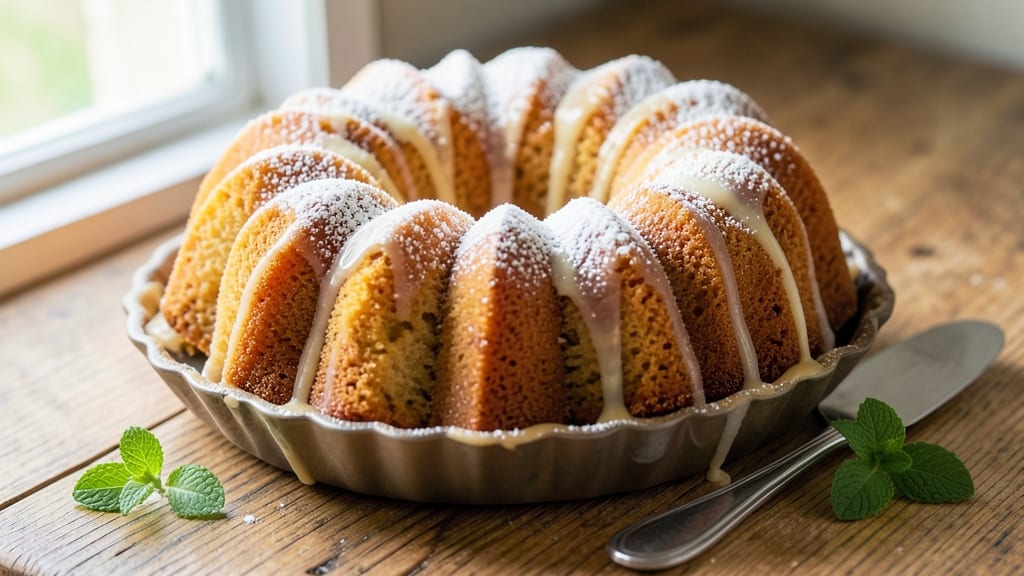
Joanna Gaines' bundt cake recipe delivers that signature buttery, vanilla-infused perfection with layers of tender crumb and velvety cream cheese frosting. The secret lies in precise mixing ratios and proper pan preparation—no shortcuts here, just restaurant-quality results at home.
I’ve tested this recipe dozens of times to perfect the texture, ensuring every slice stays moist without being dense, and the frosting stays lusciously smooth.
This recipe combines classic vanilla cake with a rich cream cheese frosting that’s tangy yet sweet—just like Joanna’s signature style. The bundt pan creates elegant ridges and a beautiful center, while the buttery layers hold together perfectly.
What makes it stand out is the balance: the cake isn’t too sweet, the frosting isn’t too heavy, and the overall texture is light yet substantial.
By the time you pull this cake from the oven, you’ll have golden-brown layers with a tender crumb that crumbles just enough for the frosting to cling beautifully. The frosting pipes smoothly, creating those signature swirls that make it look as good as it tastes.
Whether you’re baking for a special occasion or just treating yourself, this recipe delivers professional-quality results every time.
Ready to bake? We’ll cover everything—from prepping the bundt pan to piping the frosting—so you can achieve Joanna’s signature style without the guesswork. Let’s get started with the ingredients and step-by-step instructions.
Ingredients for joanna gaines bundt cake
Twelve essential ingredients transform into Joanna Gaines' signature buttery, vanilla-infused bundt cake with velvety cream cheese frosting.
| Ingredient | Amount | Notes |
|---|---|---|
| All-Purpose Flour 🌾 | 3 cups | Sifted for light texture |
| Granulated Sugar 🍚 | 2 cups | Divided for cake and frosting |
| Unsalted Butter 🧈 | 1 ½ cups | Cold, cubed for creaminess |
| Large Eggs 🥚 | 4 whole | Room temperature preferred |
| Pure Vanilla Extract 🍯 | 2 tbsp | High-quality, imitated preferred |
| Baking Powder 🍃 | 2 tsp | Freshly measured |
| Salt 🧂 | ½ tsp | Fine sea salt preferred |
| Whole Milk 🥛 | 1 cup | Room temperature |
| Cream Cheese 🧀 | 16 oz | Full-fat, room temperature |
| Powdered Sugar 🍚 | 4 cups | Sifted for smooth frosting |
| Bundt Cake Pan 🍰 | 1 whole | 10-12 cup capacity |
| Vegetable Oil 🫒 | 2 tbsp | For pan preparation |
The all-purpose flour and unsalted butter are the foundation here—King Arthur flour and Land O'Lakes butter deliver consistent results. For the butter, avoid salted as it disrupts the delicate balance. The cream cheese must be full-fat (Philadelphia or Kraft)—low-fat versions alter the frosting's texture. Bundt pans vary in size, so check yours before baking. A 10-12 cup pan yields the perfect 12-serving cake. Sift all dry ingredients to prevent dense layers, and measure flour precisely—spoon it into the cup, don't scoop.
No vanilla extract? Vanilla bean paste works perfectly, or 1 tsp vanilla sugar in a pinch. Almond extract (¼ tsp) adds depth if you're feeling adventurous. Powdered sugar substitutes like confectioners' sugar are identical, but granulated sugar blended finely works in a bind. Room-temperature eggs prevent lumps—microwave for 30 seconds if they're cold. For the frosting, cream cheese must be soft—microwave 15 seconds if too firm. Buttercream lovers? Swap half the powdered sugar for butter and add 1 tsp lemon juice for tang.
Store unfrosted cake in an airtight container with parchment paper between layers for up to 3 days. Frosted cake keeps 2 days at room temperature or 1 week refrigerated. Freeze fully frosted cake for 2 months—thaw overnight before serving. Reheat slices 10 seconds in the microwave to restore freshness. Bundt pan maintenance: hand-wash only—dishwasher heat warps the pan. Grease with butter after oil for extra insurance against sticking.
Why You'll Love This Recipe
- No Mixer Needed: This recipe only asks for a bowl and a whisk—no stand mixer, no fancy gadgets. I’ve made it a dozen times while chatting with my kids, and the butter-egg ratio gives you that just-right crumb without overworking the batter.
- Vanilla Butter Bliss: That classic combo of vanilla extract and unsalted butter? It’s what makes this cake taste like nostalgia. The sugar caramelizes just enough to give it a subtle depth, but it’s still bright and buttery—not cloying or overly sweet.
- Party in a Bundt: Serve it plain for a casual weekend brunch or frost it with cream cheese for a showstopper dessert. Honestly, I’ve used it for everything from potlucks to my daughter’s birthday—it’s the one cake that never feels like a hassle to bring.
- Leftovers? Yes, Please: This cake keeps beautifully for days, and slices reheated for 10 seconds make an amazing toasted treat. Between us, I’ve had it cold, warm, and even as cake pops—it’s my go-to for when I need something simple but still feels special.
Step-by-step instructions for Joanna Gaines' bundt cake recipe
Here's the method to create a perfectly moist bundt cake with a rich vanilla flavor and velvety cream cheese frosting.
Prepare the Bundt Cake Pan for Perfect Release
Preheat your oven to 350°F. Generously brush the entire interior of the bundt cake pan with 2 tablespoons vegetable oil, using a pastry brush to coat every crevice. This ensures the cake won't stick—no need for additional flour or grease. For extra insurance, dust the pan lightly with 3 cups all-purpose flour, tapping out any excess. The oil creates a barrier while the flour helps prevent the cake from clinging to the intricate patterns.
I like to tap the pan gently on the counter after dusting to remove loose flour. This step is crucial because bundt cakes rely on their distinctive shape, and proper release means you'll get that beautiful presentation without tearing. Let the prepared pan sit on your counter while you mix the batter—this gives the oil time to fully coat the surface.
Cream Butter and Sugar for Maximum Fluffiness
In a large mixing bowl, combine the 1.5 cups unsalted butter (cold and cubed) with 1 cup granulated sugar from the total 2 cups. Using a hand mixer or stand mixer with the paddle attachment, beat on medium-high speed for 2-3 minutes until the mixture becomes light and fluffy. You'll notice the butter soften and the mixture nearly double in volume—this incorporates air that will create a tender crumb.
Add the remaining 1 cup granulated sugar and continue beating for another 2 minutes until the mixture is pale and thick. This step is where the cake's structure begins to form. Scrape down the sides of the bowl occasionally to ensure even mixing. The butter should be completely incorporated with no visible lumps, and the mixture should hold soft peaks when you lift the beaters.
Add Eggs and Vanilla for Rich Flavor
Add the 4 whole large eggs, one at a time, mixing on low speed after each addition until fully incorporated. This gradual addition prevents the eggs from scrambling in the fat. After all eggs are added, increase the speed to medium and beat for 1 minute to fully emulsify the mixture.
Add the 2 tablespoons pure vanilla extract and mix for 30 seconds until evenly distributed. The vanilla will infuse throughout the batter, creating that signature aroma. Here's the thing—high-quality vanilla extract makes a noticeable difference. If you're using imitation, it's fine, but don't expect the same depth of flavor. The mixture should now be smooth, pale yellow, and thick enough to leave a ribbon trail when the beaters are lifted.
Combine Dry Ingredients and Create the Batter
In a separate bowl, whisk together the 3 cups all-purpose flour, 2 teaspoons baking powder, and 0.5 teaspoon salt. Sift the mixture directly into the wet ingredients, then gently fold in using a spatula. This prevents overmixing which can make the cake dense. Add the 1 cup whole milk and mix just until combined—you should still see some flour streaks.
Pour the batter into the prepared bundt cake pan and smooth the top with a spatula. Tap the pan gently on the counter 2-3 times to release any air bubbles that may have formed. This step is important because trapped air can cause uneven baking. Bake in the preheated oven for 50-60 minutes or until a toothpick inserted into the center comes out clean. The cake should look golden brown and spring back when gently pressed in the center.
Prepare the Cream Cheese Frosting
While the cake bakes, prepare the frosting by beating the 16 ounces cream cheese with 2 cups powdered sugar from the total 4 cups in a clean mixing bowl until smooth and creamy. Add the remaining 2 cups powdered sugar and beat again until fully combined. The frosting should be thick but spreadable—if it's too stiff, add 1-2 tablespoons whole milk to reach the right consistency.
Once the cake is completely cooled (at least 1 hour at room temperature), carefully invert it onto a serving plate. Remove the pan and spread the frosting evenly over the top and sides. The cake's intricate design will show through the frosting beautifully. For presentation, I like to dust the top with a little extra powdered sugar or add a sprinkle of vanilla bean seeds if available.
Pro Tips For Making Joanna Gaines Bundt Cake
- Cream Butter Properly: Joanna’s cake relies on that signature buttery richness, so don’t just melt the butter—whip it with the sugar until it’s light and fluffy. I used to skip this, and the cake turned out dense. Take your time here; it’s the thing that matters most for that tender crumb.
- Room-Temp Eggs Only: Cold eggs? Nope. Pull them out of the fridge 30 minutes before mixing—this recipe won’t forgive stiff egg whites or curdled batter. I learned this the hard way after a batch turned out gummy. Trust me, this small step makes a real difference.
- Don’t Overfill the Bundt: The cake will expand, and if you pack it too full, it’ll spill over the edges or collapse in the center. Fill the pan halfway—about 2 cups of batter—and let it rise properly. Yes, it looks underfilled, but your future self will thank you.
- Test for Doneness Early: Bundt cakes bake unevenly, so check at 45 minutes—insert a toothpick in the thickest part. If it comes out clean but the edges still look wet, tent with foil and let it bake another 10 minutes. Skipping this leads to a cake that’s cakey on the outside and raw inside.
Make-ahead tips for this recipe
Prep Ahead Strategy
Start by making the cake batter up to 2 days in advance and store it in an airtight container in the refrigerator. The flavors deepen as it rests, and the batter will be perfectly chilled for baking.
I like to mix the frosting ingredients separately and store them in the fridge too—just beat them together when ready to frost. This saves time on baking day and ensures everything comes together smoothly. 📅
Frosting Make-Ahead
The cream cheese frosting can be prepared 1 day ahead and stored in the refrigerator. Cover it tightly with plastic wrap to prevent drying. When ready to use, beat it again briefly to restore its smooth texture—this usually takes just 1-2 minutes with a hand mixer.
For extra insurance, add 1 tablespoon milk if it seems too thick after chilling. The frosting will keep its creamy consistency perfectly. ✨
Bundt Pan Prep
Prepare your bundt cake pan the night before by greasing it thoroughly with vegetable oil and dusting with flour. Store it in a plastic bag or covered container to keep everything in place. When you're ready to bake, simply tap out any excess flour and preheat the oven.
This method ensures your pan is ready to go without last-minute fuss. Pro tip: Use nonstick spray instead of oil if you prefer—just make sure it's food-safe. 💡
Layering for Elegance
For a stunning presentation, consider layering the cake with vanilla bean paste or berry compote between frosting applications. Spread a thin layer of frosting, then add your filling, and top with another layer of frosting.
This technique adds visual interest while keeping the cake moist. Store layered cakes in the fridge for up to 3 days—just let them sit at room temperature for 30 minutes before serving. 🍓
Frosting Variations
Make your frosting 3 days ahead and store it in the freezer for longer prep. Thaw it in the fridge overnight before using. For a citrus twist, add 1 teaspoon lemon or orange zest to the frosting while mixing.
For a nutty flavor, fold in ½ cup crushed pecans after beating. These variations keep well in the fridge for up to 5 days—just give them a quick mix before frosting. 🌟
Serving Timeline
Plan to serve your bundt cake 24 hours after baking for the best texture and flavor. The cake continues to settle and absorb the frosting beautifully over time. If you need to serve it sooner, let it sit at room temperature for 1 hour before slicing to ensure clean cuts.
For parties, assemble the cake 4 hours before serving—this gives guests plenty of time to enjoy it at its peak. 💫
Nutrition facts
Frequently asked questions
Why does Joanna Gaines' bundt cake need to cool completely before frosting?
A fully cooled cake (1 hour at room temperature) prevents the frosting from melting into a soupy mess. Warm cake releases moisture that makes the frosting too soft to pipe properly. The cooling time also lets the cake set its structure, so the frosting clings beautifully to those signature ridges .
Can I substitute cream cheese frosting for buttercream?
Swap the 16 oz cream cheese for ½ cup softened butter plus 1 tsp lemon juice, then beat with all 4 cups powdered sugar. The texture will be lighter, but the flavor remains rich. For extra tang, add 1 tbsp sour cream to the buttercream mixture .
What's the secret to preventing a dense bundt cake?
Three key steps:
- Sift all dry ingredients to avoid lumps,
- Mix wet and dry ingredients just until combined (no overmixing), and
- Use cold butter (not melted) for fluffier crumb. Overmixing develops gluten, which makes the cake tough. Tap the pan after pouring to release air bubbles too .
How do I store leftover bundt cake?
Keep unfrosted cake in an airtight container with parchment between layers for 3 days at room temperature. Frosted cake lasts 2 days covered at room temperature or 1 week refrigerated. Freeze fully frosted cake for 2 months—thaw overnight before serving. Reheat slices 10 seconds in the microwave to restore freshness .
Can I make this bundt cake in a tube pan?
Yes! The recipe works perfectly in a 10-inch tube pan, but reduce baking time to 40-45 minutes (check at 35 minutes). The frosting will still pipe beautifully, though the shape will be simpler. For best results, use the same pan prep method (oil + flour) and adjust serving portions to 10 slices instead of 12 .