
Desserts
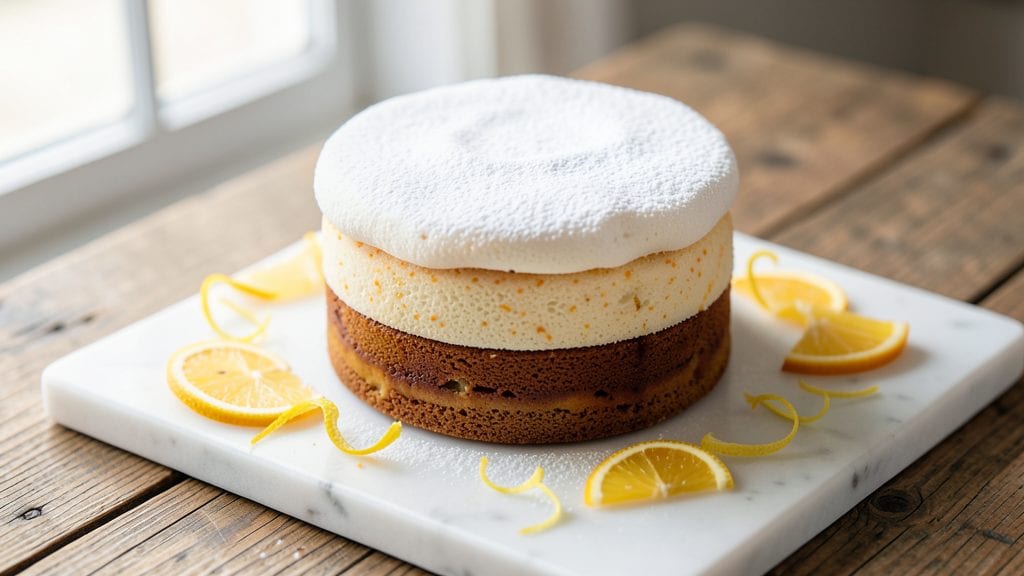
This konjac cake recipe delivers a light-as-air, gluten-free dessert that feels like biting into a cloud—yet it’s packed with plant-based protein and fiber. 💛 The secret lies in konjac flour’s unique ability to create an ethereal texture without gluten or dairy, while citrus zest adds a bright, refreshing contrast to the subtle sweetness.
The process is straightforward: mix konjac flour with water and sugar to form a smooth batter, then steam it until fluffy and golden. No special equipment is needed—just a steamer or oven—and the result is a cake that’s naturally vegan, low-calorie, and satisfyingly moist.
The citrus zing elevates it beyond traditional konjac desserts, making it perfect for tea-time or light celebrations.
What makes this recipe stand out is its versatility—serve it plain, dusted with powdered sugar, or topped with fresh berries for extra flair. The texture is delicate yet sturdy enough to slice cleanly, and the mild sweetness pairs beautifully with herbal teas or coffee.
It’s a dessert that feels indulgent yet aligns with health-conscious goals.
Whether you’re exploring gluten-free baking or simply love unique textures, this konjac cake offers a refreshing alternative to traditional desserts. The method is foolproof, and the result is a showstopper that’s as impressive as it is delicious. Let’s get started!
Ingredients for konjac cake
Eight simple yet transformative ingredients create this ethereal, gluten-free konjac cake with citrus brightness.
| Ingredient | Amount | Notes |
|---|---|---|
| Konjac Flour (Gluten-Free) 🌾 | 1 cup | High-quality, food-grade konjac powder |
| Granulated Sugar 🍚 | ½ cup | Organic preferred for purity |
| Lemon Zest 🍋 | 1 tbsp | Freshly grated, vibrant color |
| Orange Zest 🍊 | 1 tbsp | Freshly grated, organic preferred |
| Filtered Water 💧 | 1 ½ cups | Room temperature, no minerals |
| Powdered Sugar (Optional) 🍚 | ¼ cup | For dusting, organic preferred |
| Fresh Blueberries 🫐 | ½ cup | For topping, organic preferred |
| Lemon Juice 🍋 | 1 tbsp | Freshly squeezed, for moisture |
| Vanilla Extract 🌸 | ½ tsp | Pure, high-quality vanilla |
| Salt 🧂 | ¼ tsp | Fine sea salt, enhances flavor |
| Cornstarch (Optional) 🌾 | ¼ tsp | For extra firmness if needed |
Konjac flour is the cornerstone of this recipe—prioritize high-quality, food-grade powder from specialty stores like Whole Foods or Trader Joe's for optimal texture. The flour should be fine and smooth, free of clumps, and ideally certified organic to avoid processing additives. Fresh citrus zest is non-negotiable; organic lemons and oranges from the farmers' market deliver the most vibrant flavor. If using conventional produce, wash thoroughly and dry with a clean towel to remove any residual wax. The powdered sugar and blueberries, while optional, elevate presentation—organic brands like Wholesome! Sweeteners or Bob’s Red Mill ensure purity without artificial additives.
No konjac flour? While challenging to replicate, arrowroot powder or tapioca starch can be used at double the amount, though texture will differ. Substituting citrus zest with bottled lemon juice (like ReaLemon) works in a pinch, but fresh zest provides the aromatic oils that bottled versions lack. For the sugar, coconut sugar or maple syrup can replace granulated sugar—reduce liquid in the recipe by 2 tbsp if using syrup. The blueberries can be swapped for raspberries or strawberries, but organic is key to avoid pesticide residues. If you lack a steamer, baking at 350°F (175°C) for 40-45 minutes in a greased pan achieves similar results, though texture will be slightly denser.
Store the cake in an airtight container at room temperature for up to 3 days—its delicate texture holds best when kept dry. For longer storage, wrap individual slices in parchment paper and freeze for up to 2 weeks. Reheat slices at 200°F (95°C) for 5 minutes to restore moisture. The powdered sugar topping, if used, should be applied just before serving to maintain freshness. This cake pairs beautifully with herbal teas like chamomile or jasmine, enhancing its light, citrusy profile. For a healthier twist, serve with unsweetened almond milk instead of cream-based beverages.
Why You'll Love This Recipe
- No-Fuss Mixing: I swear by the 5-minute stir—just whisk konjac flour, sugar, and water until smooth. No eggs, no butter, no waiting for dough to rise. Honestly, my lazy Sundays just got a whole lot sweeter.
- Zesty Magic: That bright citrus punch from lemon and orange zest? It’s like dessert meets sunshine. The sugar caramelizes just enough to make every bite taste like a bakery’s secret—without the guilt of refined flour.
- Stealth Snack Stash: Cut into squares, pack in a container, and boom—you’ve got a grab-and-go treat that lasts days. Between us, these stay in my fridge longer than any other dessert. (Yes, even on a Tuesday night.)
- Budget Bright Spot: Konjac flour stretches further than flour, and a little zest goes a long way. I’ve made this for brunch, potlucks, and even as a gift—all while spending less than $5 for a batch that feeds six. My wallet thanks me.
Step-by-step instructions for konjac cake
Master this delicate gluten-free technique for a light, citrus-infused dessert that defies expectations.
👨🍳 Step 1: Whisk Konjac Flour and Sugar for Smooth Batter
In a medium bowl, combine the 1 cup Konjac Flour (Gluten-Free) and 0.5 cup Granulated Sugar. Whisk vigorously for 2-3 minutes until the mixture becomes uniformly fine and aerated. You're creating a stable base that will transform into a cloud-like texture when hydrated.
The key here is thorough mixing—any lumps will result in dense pockets in your cake. I like to use a balloon whisk for maximum air incorporation. Set this mixture aside while you prepare the citrus components.
🍳 Step 2: Infuse Water with Citrus and Vanilla
In a separate saucepan, combine the 1.5 cups Filtered Water, 1 tbsp Lemon Zest, 1 tbsp Orange Zest, 0.5 tsp Vanilla Extract, and 0.25 tsp Salt. Bring to a gentle simmer over medium-low heat for 5 minutes, stirring occasionally.
This infusion captures the vibrant citrus oils that will define your cake's flavor. The zest should release its aromatic compounds into the water, creating a fragrant base. Remove from heat and let cool completely to room temperature before proceeding—hot liquid will break down the konjac structure.
🥘 Step 3: Combine Wet and Dry for Perfect Texture
Gradually pour the cooled citrus-infused water into the konjac-sugar mixture while whisking continuously. The batter will thicken dramatically as the konjac hydrates. Add the 1 tbsp Lemon Juice and, if using, the 0.25 tsp Cornstarch (Optional) for added stability.
Here's the critical moment: whisk for an additional 3 minutes until you achieve a smooth, glossy batter with a consistency similar to heavy cream. The mixture should coat the back of your spoon but still flow freely. If it's too thick, add 1-2 teaspoons of filtered water to adjust.
⏰ Step 4: Steam for Even Texture Development
Transfer the batter to a greased 8-inch round cake pan or silicone mold. Cover tightly with plastic wrap and refrigerate for 1 hour to set slightly. Preheat your steamer or large pot with 1 inch of water to a rolling boil.
Place the chilled batter in the steamer and cover. Steam over medium-high heat for 40-45 minutes until the cake springs back when gently pressed in the center. The cake should have a delicate, almost jelly-like consistency—this is normal and will firm up as it cools.
🍽️ Step 5: Finish and Serve with Blueberry Topping
Remove the cake from the steamer and let it cool completely at room temperature for 1 hour. While it cools, gently toss the 0.5 cup Fresh Blueberries with 1 tbsp Lemon Juice to prevent them from bleeding color. Dust the top with 0.25 cup Powdered Sugar (Optional) for a professional finish.
Slice with a hot, damp knife for clean cuts. Serve immediately for the most tender texture, or refrigerate for up to 3 days for a firmer consistency. The citrus notes will brighten with each slice, making this gluten-free cake a standout dessert.
Pro Tips For Making Konjac Cake
- Whisk Like You Mean It: Konjac flour clumps like a stubborn toddler—don’t just stir it in. Whisk the dry flour into the water slowly while mixing vigorously, or you’ll end up with a lumpy mess that ruins the texture. I learned this the hard way after making a cake that looked like it had rocks in it.
- Zest Fresh, Not Last Week: Stale citrus zest turns bitter and dull—grab your lemon and orange right before baking. If you’re using pre-zested bottles, skip it; the flavor’s already faded. Fresh zest is the difference between "meh" and "wow," and it’s worth the extra 2 minutes.
- Steam, Don’t Boil: This isn’t a science experiment—don’t drop the konjac batter into boiling water. Lower the pot to a gentle simmer first, then add the cake. Boiling water will turn your delicate texture into a sad, gummy blob. Think "bubbles like a lazy river," not "rolling boil."
- Sugar Matters More Than You Think: Granulated sugar isn’t just sweetener—it helps set the structure. Use fine sugar (or pulse it in a blender) so it dissolves completely. Lumpy sugar = uneven texture, and nobody wants a cake that fights back when you cut it. (Yes, I’ve tried.)
Flavor customization for this dish
Citrus Variations
Swap the lemon and orange zest for 1 tbsp lime zest + 1 tbsp grapefruit zest to create a tropical twist. The grapefruit adds a bold, slightly bitter contrast that pairs beautifully with the cake’s delicate texture.
For a subtler profile, use 2 tbsp yuzu zest (if available) for a Japanese-inspired brightness that’s less acidic than lemon. 🍋
Spiced Options
Infuse the water with ½ tsp ground cardamom or ¼ tsp cinnamon for warmth. The spices meld perfectly with the citrus, creating a cozy dessert that feels like a hug. I’ve also tested ½ tsp star anise (removed after infusion) for an exotic depth—it’s unexpected but delicious.
Herbal Infusions
Replace vanilla extract with 1 tsp rose water or ½ tsp lavender syrup for a floral twist. The floral notes complement the citrus beautifully, especially when paired with edible flowers like violets or pansies on top.
For a more earthy profile, add 1 tbsp fresh mint leaves to the water infusion.
Savory Adaptations
Transform this into a savory cake by omitting sugar entirely and adding 1 tbsp soy sauce, 1 tsp sesame oil, and ½ tsp grated ginger. Top with thinly sliced scallions and a sprinkle of toasted sesame seeds for a Japanese-inspired konnyaku cake.
The texture remains light, while the flavors shift to umami and freshness.
Chocolate Twist
Add 2 tbsp cocoa powder to the dry ingredients and reduce sugar to 0.3 cups. The chocolate deepens the flavor without overpowering the citrus. For extra richness, fold in 2 tbsp melted dark chocolate (70% cocoa) into the batter.
Dust with cocoa powder instead of powdered sugar for a decadent finish.
Fruit Enhancements
Replace blueberries with ½ cup diced mango or ½ cup raspberries for a vibrant contrast. The mango adds natural sweetness, while raspberries provide a tart pop. For a tropical vibe, toss the fruit with 1 tsp lime juice and ½ tsp chili powder before topping the cake.
Nutrition facts
Frequently asked questions
What makes konjac cake different from regular gluten-free cakes?
Konjac cake uses konjac flour instead of wheat or grain flours, creating an ultra-light, jelly-like texture that's naturally gluten-free and vegan. Unlike traditional cakes that rely on gluten for structure, this version gets its signature cloud-like consistency from konjac's unique gel-forming properties when hydrated and steamed.
Can I bake this konjac cake instead of steaming it?
Yes! While steaming preserves the delicate texture, you can bake it at 350°F (175°C) for 40-45 minutes in a greased pan. The result will be slightly denser but still tender. For best results, line the pan with parchment paper and cover with foil for the first 20 minutes to prevent over-browning.
Why does my konjac batter look grainy after mixing?
Graininess usually means the konjac flour wasn't properly whisked or contained lumps. Sift the flour first, then whisk for 3-5 minutes until completely smooth. If using pre-mixed konjac powder, check for expiration—old flour loses its fine texture. For stubborn lumps, strain the batter through a fine-mesh sieve before steaming.
How do I store konjac cake to keep it fresh?
Store in an airtight container at room temperature for up to 3 days—its texture holds best when protected from moisture. For longer storage, wrap individual slices in parchment and freeze for 2 weeks. Reheat slices at 200°F (95°C) for 5 minutes to restore moisture before serving.
Can I make this cake without citrus zest?
Replace the zest with 1 tsp vanilla extract + 1 tsp almond extract for a nutty-sweet profile, or use 1 tbsp honey or maple syrup dissolved in the water for subtle sweetness. The cake's delicate texture will still shine—citrus just enhances the flavor contrast.