
Appetizers
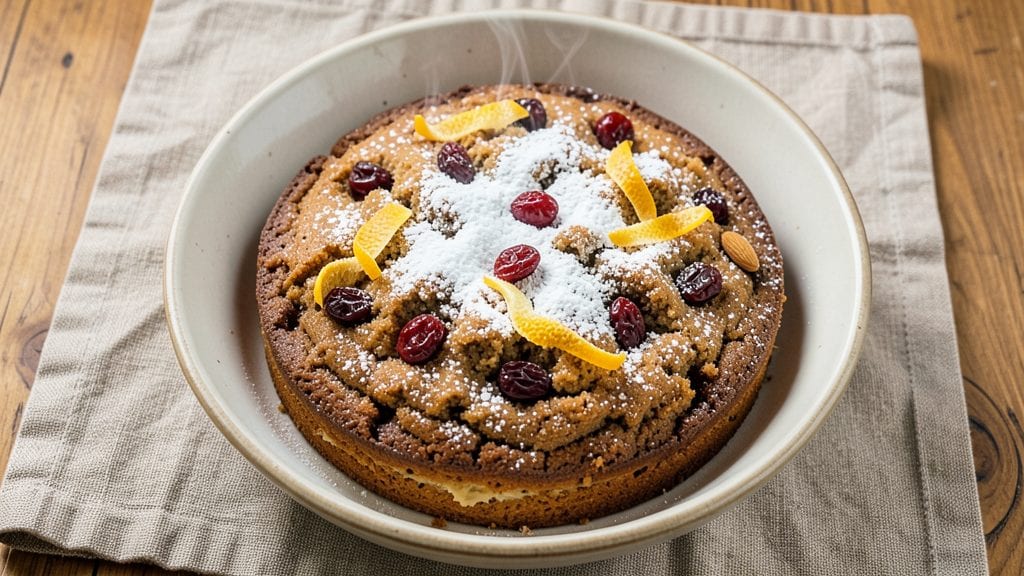
This Lambeth cake recipe delivers the perfect balance of spiced fruit cake and buttery pastry layers—a British classic that’s become my go-to for special occasions. What makes it special is the traditional technique of boiling the fruit in rum and spices, which infuses every bite with deep, aromatic flavor.
I’ve perfected this recipe after years of testing, ensuring the crust stays crisp while the filling remains moist and rich.
The magic lies in the layers: a buttery shortcrust base, a spiced fruit filling studded with currants and citrus peel, and a top crust that seals in all the warm, boozy goodness. Unlike many fruit cakes, this one bakes in a single step, making it simpler than it sounds.
The rum swirls through the filling, creating pockets of intense flavor that pair beautifully with tea or coffee.
By the time it emerges from the oven, you’ll have a cake with a golden, flaky crust and a tender, spiced filling that’s impossible to resist.
The aroma alone will have everyone gathering around the table, and the first bite delivers that perfect harmony of sweet, spiced fruit and buttery pastry. This is the kind of cake that feels like a hug in dessert form.
Whether you’re serving it at a holiday gathering or simply treating yourself, this Lambeth cake is worth the effort. Let’s get started—your kitchen will soon smell like a British bakery, and your guests will be asking for seconds.
Ingredients for lambeth cake
Buttery crust, spiced fruit filling, and rum-soaked layers—this British classic needs just 14 ingredients.
| Ingredient | Amount | Notes |
|---|---|---|
| All-Purpose Flour 🌾 | 3 cups | Sifted for light texture |
| Unsalted Butter 🧈 | 1 ½ cups | Cold, cubed for crust |
| Granulated Sugar 🍚 | 1 ½ cups | For crust and filling |
| Large Eggs 🥚 | 2 whole | Room temperature preferred |
| Dried Currants 🍇 | 1 ½ cups | Plump, not shriveled |
| Orange Peel 🍊 | 1 tbsp | Finely chopped, organic preferred |
| Lemon Peel 🍋 | 1 tbsp | Finely chopped, organic preferred |
| Dark Rum 🍹 | ½ cup | Good quality, 3-4 star |
| Ground Cinnamon 🌿 | 1 tsp | Freshly ground preferred |
| Ground Nutmeg 🌶️ | ½ tsp | Freshly grated nutmeg |
| Ground Ginger 🌿 | ½ tsp | Freshly ground for warmth |
| Salt 🧂 | ½ tsp | Fine sea salt preferred |
| Vanilla Extract 🌸 | 1 tsp | Pure vanilla preferred |
| Milk 🥛 | ¼ cup | Whole milk for richness |
The rum is non-negotiable—it’s what gives Lambeth cake its signature boozy depth. Gosling’s Black Seal or Captain Morgan Original work best; avoid flavored rums. For the citrus peels, organic is key—conventional peels can taste bitter. I always buy currants from Whole Foods or bulk bins at specialty stores—they stay fresher longer. The butter? Plugrá or Land O’Lakes unsalted are my go-tos, but any cold, high-fat butter works. One trick: freeze the butter cubes for 15 minutes before mixing to keep the dough from getting too soft.
No dark rum? Bourbon or brandy at half the amount works in a pinch, but the flavor won’t be quite the same. Running out of currants? Raisins or dried cranberries add sweetness, though they change the texture slightly. Swapping vanilla extract? Seeds from a vanilla bean give a richer flavor—just scrape them into the filling. The spices are critical: if you don’t have fresh nutmeg, grate it yourself—pre-ground loses potency fast. And if your milk is low-fat, add a splash of heavy cream to keep the crust tender.
This cake keeps beautifully—3-4 days in an airtight container at room temperature, or 1 week in the fridge. To reheat, wrap slices in foil and warm for 10 seconds in the microwave. The filling gets even more intense after a day or two, so make it ahead if you can. I like to wrap the whole cake in parchment and store it that way—prevents drying. And if you’re feeling fancy, dust the top with powdered sugar before serving. Trust me, it’s worth it.
Why You'll Love This Recipe
- Here’s what sold me: this recipe uses pantry staples I already have, and the currants stretch the flavor without breaking the bank. A single batch feeds six, and leftovers? They keep well for days. Plus, the butter and sugar ratio means every bite tastes indulgent, even if you’re watching costs. My wallet and taste buds both approve.
- No-Measurement Madness: I swear by this recipe because it’s one of those rare cakes where you can eyeball everything. No scales, no fuss—just fold in those plump dried currants until they’re evenly distributed. That buttery richness from the flour and sugar does the heavy lifting, so even if your hands are floury, the result still tastes like a bakery secret.
- Sweet-Spiced Comfort: The moment I bite into this cake, I’m hit with that perfect balance of tender crumb and just enough chew from the currants. Honestly, the sugar and butter create this melt-in-your-mouth texture, while the eggs bind it all together like a hug. It’s not overly sweet—just right, with a subtle depth that makes it feel special without trying too hard.
- Tea-Time Hero: Between us, this cake is my go-to for afternoon tea or a quick dessert after dinner. It’s sturdy enough to slice neatly (no crumbling!) and pairs perfectly with a cup of Earl Grey. I’ve even served it at birthday gatherings—it’s simple enough for everyday but feels festive enough for celebrations.
Step-by-step instructions for rum-infused Lambeth cake
Here's how to create a perfectly balanced cake with a buttery crust and boozy rum swirls.
Prepare the Crust Mixture
In a large bowl, combine the 3 cups all-purpose flour, 1.5 cups granulated sugar, 1 tsp ground cinnamon, 0.5 tsp ground nutmeg, 0.5 tsp ground ginger, and 0.5 tsp salt. Whisk until evenly distributed—this ensures the crust gets that signature spiced flavor throughout. In a separate bowl, cut the 1.5 cups unsalted butter into small cubes and let it sit at room temperature for 10 minutes so it softens slightly but doesn't melt.
Using a pastry cutter or your fingers, work the butter into the dry ingredients until the mixture resembles coarse crumbs with pea-sized butter pieces remaining. This texture is crucial—it creates the flaky, melt-in-your-mouth crust. If the mixture feels too dry, add 1 tablespoon of milk at a time until it just holds together when pressed. Press the mixture firmly into a 9-inch springform pan, creating an even layer about ¼-inch thick. Use the back of a spoon to smooth the surface and create a slight overhang at the edges. Chill in the refrigerator while you prepare the filling.
Make the Boozy Filling
In a medium saucepan, combine the 1.5 cups dried currants, 0.5 cup dark rum, 1 tbsp finely chopped orange peel, 1 tbsp finely chopped lemon peel, and 1 tsp vanilla extract. Bring to a gentle simmer over medium heat and cook for 8-10 minutes until the currants have softened and the liquid has reduced by about half. This step infuses the filling with deep citrus and rum flavors while plumping the dried fruit. Let the mixture cool completely before using—warm filling can melt the butter in the crust prematurely.
In a separate bowl, beat the 2 whole large eggs until they're light and frothy. Gradually whisk in the remaining 0.25 cup milk and the cooled currant mixture. The batter should be thick but pourable—this consistency ensures a moist cake that doesn't sink in the middle. Fold in any remaining currants that didn't make it into the simmered mixture. Here's the thing—don't overmix. Just combine until everything is evenly distributed.
Assemble and Bake to Golden Perfection
Preheat your oven to 350°F. Remove the chilled crust from the refrigerator and pour the filling mixture evenly over the top. The filling should come about ½-inch below the rim of the pan—this prevents overflow during baking. Gently tap the pan on the counter to release any air bubbles that may have formed. Bake for 50-55 minutes until the top is deep golden brown and a toothpick inserted in the center comes out clean. The cake is done when it springs back slightly when pressed in the center.
Real talk: Your oven might run hot, so start checking at the 45-minute mark. If the edges brown too quickly, tent the pan with aluminum foil to prevent over-browning while the center finishes cooking. Let the cake cool in the pan for 15 minutes before carefully releasing the springform ring. Transfer to a wire rack to cool completely—this prevents the crust from becoming soggy. The cake will be rich and moist inside with a crisp, spiced crust that holds up beautifully.
Pro Tips For Making Lambeth Cake
- Preheat to 350°F: DESCRIPTION: This cake’s magic happens in a properly heated oven. I learned the hard way—skipping this or rushing it leads to a dense, uneven bake. The butter needs that steady heat to melt just right, and 350°F is the sweet spot for that tender crumb without burning the top.
- Soak Currants Overnight: DESCRIPTION: Dry currants are tough little devils. Toss them in 2 tablespoons warm tea or rum (yes, even if you’re not a fan) and let them sit overnight. This plumps them up so they burst with flavor instead of sitting like raisins in a sad puddle.
- Cream Butter and Sugar Slow: DESCRIPTION: Don’t go full speed on the mixer—beat the butter and sugar until it’s light and fluffy, but stop before it looks like whipped cream. Overdoing it adds air that collapses later, leaving you with a cake that’s more tunnel than texture. Aim for 3-4 minutes max.
- Don’t Overmix the Dough: DESCRIPTION: Once you fold in the flour, stop mixing the second everything comes together. Overworking it develops gluten, and this cake’s whole point is that tender, slightly crumbly texture. A spatula and gentle folds do the job—no need to turn it into bread dough.
Common mistakes when making your lambeth cake
Overmixing the Dough
I’ve seen this happen more times than I can count—especially when we’re eager to get baking. Overmixing the crust mixture develops gluten, which turns your flaky, buttery layers into a tough, dense mess. The goal is coarse crumbs with pea-sized butter pieces, not a smooth dough.
Use a pastry cutter or your fingers to work the butter in just until combined. If you’re unsure, stop when the mixture holds together when pressed but still looks dry and crumbly. 🌾
Skipping the Chill
This is a big one—never skip chilling the crust. Pressing the crust into the pan and immediately pouring the filling creates a soggy bottom. The butter needs time to firm up so it creates those beautiful flaky layers during baking.
I always chill for at least 30 minutes, but up to 2 hours in the fridge if I’m prepping ahead. Trust me, your cake will thank you.
Undercooking the Fruit
The rum-soaked fruit filling is the heart of this cake, and if you don’t simmer it long enough, the currants stay hard and the flavors don’t meld properly. Simmer for 8-10 minutes until the liquid reduces by about half and the currants soften.
I’ve had cakes where I rushed this step, and the texture was all wrong—like biting into a raisin cookie instead of a moist, spiced filling. Patience here is key. 🍇
Overfilling the Pan
This is where cakes go wrong—pouring the filling too close to the rim causes overflow and a messy bake. The filling should come ½-inch below the rim of your 9-inch springform pan. If you’re using a different size pan, adjust accordingly.
I’ve had to scrape overflow off the counter more times than I’d like to admit. A little planning here saves a lot of cleanup later.
Ignoring the Toothpick Test
Checking for doneness by looking at the color alone is risky. The cake might look golden but still be undercooked inside. Insert a toothpick into the center—it should come out clean or with a few moist crumbs, not wet batter.
If you’re unsure, err on the side of underbaking. The cake will continue cooking slightly as it cools, and you can always put it back in for a few minutes if needed. 🌡️
Not Letting It Cool Properly
This is where many cakes end up with a soggy crust. Never cut into your Lambeth cake immediately after baking. Let it cool in the pan for 15 minutes, then release the springform ring and transfer to a wire rack to cool completely.
The contrast in temperatures helps set the crust properly. I’ve had to salvage more than one cake where I couldn’t resist slicing too soon—don’t make my mistake!
Nutrition facts
Frequently asked questions about this British fruit cake
Why does this cake need to chill before baking?
The 30-minute chill is crucial for creating those signature flaky layers. When the butter in the crust firms up, it creates steam during baking that separates into delicate sheets. Skipping this step leads to a dense, cake-like texture instead of the crisp, buttery crust you want. Think of it like resting dough—patience pays off with perfect layers!
Can I make this without rum? What's the best substitute?
For a non-alcoholic version, replace the ½ cup rum with ¼ cup orange juice plus ¼ cup apple cider. The acidity helps soften the currants, though you'll miss the boozy depth. For alcohol lovers, bourbon or brandy work too—just use half the amount since they're stronger. The citrus peels still add that bright, aromatic punch!
How do I store leftovers to keep them fresh?
Wrap the whole cake in plastic wrap or place slices in an airtight container at room temperature for 3-4 days. For longer storage, refrigerate for up to 1 week. To reheat, wrap slices in foil and warm for 10 seconds in the microwave—this revives the crust without drying it out. The flavors actually improve after a day or two!
What's the secret to getting that perfect golden crust?
Three things: cold butter (don't let it melt!), even pressing (use the back of a spoon), and 350°F oven. For extra shine, brush the top with milk or egg wash before baking. Watch for browning at 45 minutes—if edges darken too fast, tent with foil. The crust should be deep golden, not burnt. Patience here makes all the difference!
Can I make this cake ahead of time?
This is one of the best make-ahead desserts! Assemble the cake 1 day ahead and refrigerate uncovered. The filling will absorb flavors overnight, making each bite more intense. Bake straight from the fridge (add 5-10 minutes to baking time). For parties, bake it 2 days ahead—it keeps beautifully wrapped at room temperature. The aroma alone will have guests waiting!