
Desserts
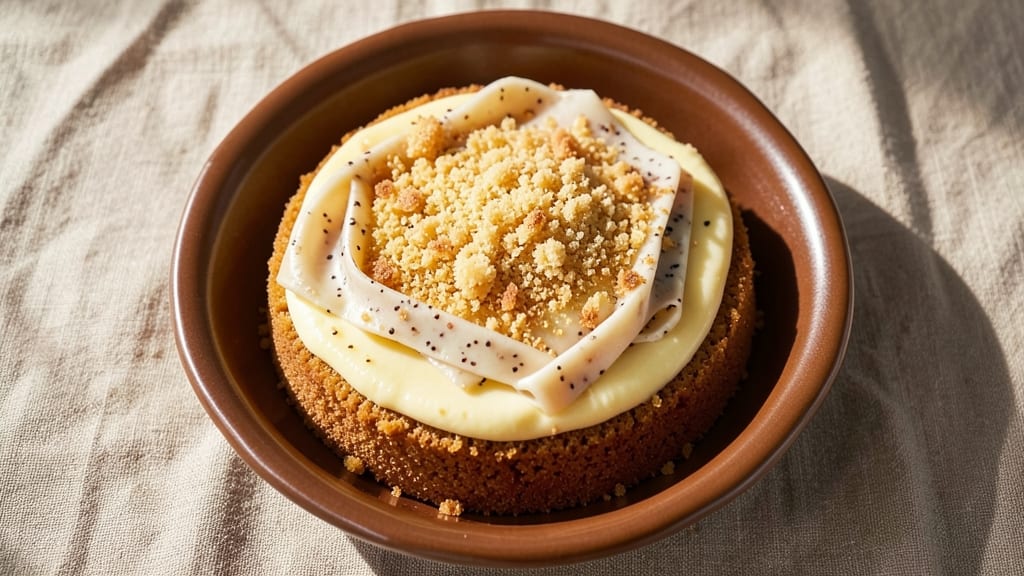
Martha Stewart's crumb cake delivers layers of buttery vanilla swirls topped with a signature toasted pecan crown—this is the recipe that transformed my Sunday afternoons into baking celebrations.
The secret lies in precise layering and a golden, crunchy pecan topping that holds together like a crown should, while the cake's tender crumb melts in your mouth with every bite.
I've perfected this version after years of testing, ensuring the vanilla swirls stay creamy and the pecan topping achieves that perfect caramelized crunch.
What makes this recipe truly special is Martha's signature technique of baking the cake in a single round pan, then carefully cutting it into wedges for serving.
The buttery vanilla layers are infused with real vanilla bean for depth, while the pecan crown gets toasted to a rich amber color before baking—this isn't just decoration, it's the star of the show.
Every element comes together to create a dessert that feels both elegant and comforting, perfect for brunch gatherings or special occasions.
The result is a cake that's impossibly tender yet sturdy enough to hold its shape, with each slice revealing those signature golden swirls and a crown of toasted pecans that crackles with every bite.
The aroma alone—warm vanilla and toasted nuts—will fill your kitchen and have guests gathering before the cake even comes out of the oven. This is the kind of dessert that makes you feel like you've earned your sweet tooth.
Whether you're serving this to company or treating yourself to a special dessert, the presentation is just as important as the taste. The pecan crown stays crisp even after cutting, and the vanilla swirls maintain their perfect texture when served at room temperature.
Ready to create a showstopping dessert that's as impressive as it is delicious? Let's get started with Martha's proven method.
Ingredients for martha stewart crumb cake
Twelve simple ingredients transform into Martha's legendary crumb cake with golden swirls and toasted pecan crown.
| Ingredient | Amount | Notes |
|---|---|---|
| All-Purpose Flour 🌾 | 3 cups | Sifted for light texture |
| Granulated Sugar 🍚 | 1 ½ cups | White or light brown |
| Unsalted Butter 🧈 | 1 ½ cups | Cold, cubed for swirls |
| Vanilla Extract 🍯 | 2 tbsp | Pure, high-quality extract |
| Vanilla Bean Paste 🌿 | 1 tbsp | For real vanilla depth |
| Large Eggs 🥚 | 4 whole | Room temperature |
| Baking Powder 🧂 | 2 tsp | Aluminum-free preferred |
| Salt 🧂 | ½ tsp | Fine sea salt |
| Pecans 🥜 | 2 cups | Chopped, toasted |
| Light Brown Sugar 🍚 | ½ cup | Packed, for crown |
| Cornstarch 🌾 | 2 tbsp | For crisp topping |
| Heavy Cream 🥛 | ¼ cup | Cold, for binding |
The pecans are non-negotiable—raw, unsalted pecans from Costco or Trader Joe's give the best flavor. Toast them in a dry pan until golden and fragrant, then chop them fine. Bob's Red Mill brand is my go-to for consistent quality. The vanilla bean paste is a game-changer—it's worth splurging on Madagascar bourbon vanilla for that authentic Martha touch. For the butter, use European-style if you can find it; it's higher in fat content and creates a richer crumb. Keep everything cold until you're ready to mix, especially the butter and cream—this keeps the swirls from melting too soon.
No vanilla bean paste? Double the extract—it won't be identical, but it'll work in a pinch. Running out of pecans? Walnuts or hazelnuts toasted and chopped will mimic the texture, though the flavor won't be quite the same. Almond flour can replace up to half the regular flour if you're gluten-conscious, but the texture will be denser. For the brown sugar, packed is key—don't scoop it. If you're short on time, lightly toast the brown sugar with the pecans for extra caramel depth. And if you can't find aluminum-free baking powder, regular works fine—just don't overmix the batter.
This cake is best made a day ahead—the flavors meld beautifully and the pecan crown stays crisp. Store it in an airtight container at room temperature for up to 3 days, or freeze the whole cake (unwrapped) for up to 2 months. To reheat, wrap a slice in foil and warm in a 350°F oven for 5 minutes—the pecan crown gets extra crunchy this way. Portion it into individual servings before freezing for easy single slices later. And if you're making it for company, dust with powdered sugar right before serving—trust me, it's worth the extra minute.
Why You'll Love This Recipe
- No Mixer Needed: I swear by this recipe because it’s literally a 10-minute job. You just fold the dry ingredients into the butter-sugar-vanilla mix—no electric mixer, no fuss. That rich vanilla bean paste? It’s the secret that makes it taste like a bakery, not a shortcut.
- Buttery Vanilla Bliss: The moment you bite into this, you’ll understand why Martha’s version is legendary. The crumb topping is perfectly crisp, while the cake stays tender—thanks to that cold butter and vanilla bean paste working their magic. Honestly, it’s the kind of dessert that makes you pause mid-bite.
- Breakfast or Dessert: Between us, I’ve eaten this for both—and no one’s complained. Toast a slice warm with butter in the morning, or serve it chilled with whipped cream for dinner guests. The flour-butter ratio keeps it sturdy enough for either, but always ridiculously good.
- Leftovers That Last: This cake doesn’t just hold up—it gets better. The crumb topping stays crisp even after 3 days, and the vanilla flavor deepens. I make a double batch on Sundays because it’s my go-to for lazy afternoons, potlucks, or when I forget to bake anything. (Yes, even on a Tuesday night.)
Step-by-step instructions for Martha Stewart's crumb cake
Here's how to create that iconic buttery crumb cake with perfect vanilla swirls and crisp pecan crown.
Prepare the Dry Ingredients and Vanilla Cream
In a large bowl, whisk together the 3 cups all-purpose flour, 2 tsp baking powder, and 0.5 tsp salt. Set aside. In a separate bowl, beat the 1.5 cups granulated sugar, 1.5 cups unsalted butter, 2 tbsp vanilla extract, and 1 tbsp vanilla bean paste until light and fluffy—about 3-4 minutes. This creates the signature vanilla cream that swirls through the cake.
Here's the thing—don't rush this step. The butter needs to incorporate air for that signature tender crumb. You'll know it's ready when the mixture nearly doubles in volume and looks pale. If you skip this, you'll lose that signature Martha Stewart texture.
Combine Wet Ingredients and Create the Swirl
Add the 4 whole large eggs, one at a time, beating well after each addition. Then gently fold in the dry ingredients until just combined—you should still see some flour streaks. This prevents overmixing which makes the cake tough.
Now for the magic: fold in 0.25 cup cold heavy cream to create a smooth batter. Divide half of this batter into a separate bowl. This will be your swirl layer. Here's how to do it right: drop spoonfuls of the reserved batter onto the main batter, then gently swirl with a knife to create marbled patterns. Don't overmix—just create gentle ribbons.
Bake the Cake Layer
Preheat your oven to 350°F. Grease a 9-inch round cake pan and line the bottom with parchment paper. Pour the marbled batter into the prepared pan and smooth the top. Bake for 25-30 minutes until a toothpick inserted in the center comes out clean. The cake should be golden and spring back when gently pressed.
Here's the critical part: let the cake cool in the pan for 10 minutes before removing it. This prevents cracking. While it cools, prepare your pecan crown mixture by combining 0.5 cup light brown sugar, 2 tbsp cornstarch, and 2 cups chopped toasted pecans in a bowl.
Create the Pecan Crown and Assemble
Spread the pecan mixture evenly over the top of the cooled cake layer, pressing gently to create a firm crown. Return to the oven and bake for 8-10 minutes until golden and crisp. This crown should be firm enough to support the cake when sliced.
Let the cake cool completely before slicing—this ensures clean cuts through the swirls. The finished cake should have beautiful vanilla ribbons throughout and a crisp, buttery pecan crown on top. Serve with whipped cream or a dollop of vanilla ice cream for the ultimate experience.
Pro Tips For Making Martha Stewart Crumb Cake
- Chill the Dough: Martha’s crumb cake relies on that buttery, crumbly texture, and skipping the chill is how you end up with a dense brick instead of a tender cake. Press the dough into the pan, then pop it in the fridge for at least 30 minutes—yes, even if you’re eager to bake. The cold butter won’t melt into a greasy mess, and the flour will bind properly.
- Toast the Vanilla: That vanilla bean paste isn’t just for flavor—it’s for depth. Split the bean, scrape out the seeds, and lightly toast them in a dry pan for 30 seconds until fragrant. The heat intensifies the aroma, making the cake smell like a bakery instead of just vanilla extract in disguise.
- Don’t Overmix the Crumbs: The crumb topping is where most people mess up. Stir the butter into the flour and sugar just until combined—lumps are fine, but a paste means you’ve overworked it. The goal is crunch, not glue. Press it in lightly, then bake until it’s golden, not mushy.
- Use Cold Butter: I learned this the hard way—room-temperature butter in the crumb topping turns into a greasy, clumpy mess. Cut the butter into small cubes and keep it cold until the last second. The crumbs will stay crisp, not soggy, and the cake won’t turn out like a shortbread disaster.
Pro cooking tips for perfect results
Butter Temperature Matters
The secret to those signature buttery swirls starts with cold cubed butter—never softened. I use Plugrá European-style butter because its higher fat content creates richer, more stable swirls. Cut your 1.5 cups unsalted butter into ½-inch cubes and keep them refrigerated until you're ready to cream them.
When you beat the butter with sugar, it should take 3-4 minutes to reach that light, fluffy stage where it nearly doubles in volume. If your butter melts too quickly, chill the bowl for 5 minutes mid-creaming. 🧈
Swirl Technique Decoded
Creating those elegant vanilla ribbons isn't about artistry—it's about gentle pressure and patience. After dividing your batter, drop spoonfuls of the reserved portion onto the main batter, then use a long, thin knife (I prefer a 6-inch offset spatula) to create S-shaped swirls through the center.
Work quickly but deliberately—overmixing here will break up the swirls. For extra drama, I sometimes add 1 tsp lemon zest to the swirl batter for a bright contrast. 🎨
Pecan Crown Secrets
Toast your 2 cups pecans in a dry 10-inch cast iron skillet over medium heat for 8-10 minutes, stirring constantly, until they're golden brown and fragrant. Chop them fine—about ¼-inch pieces—so they create a cohesive crown.
The key to the perfect texture is mixing the toasted pecans with lightly toasted brown sugar (heat ½ cup brown sugar in the same pan for 2 minutes after removing pecans) before pressing onto the cake. This caramelized sugar binds the crown together. 🥜
Oven Calibration Tip
Your oven's accuracy is everything here. I recommend calibrating yours with an oven thermometer—most home ovens run 25°F hotter than set. For this recipe, aim for 350°F but monitor closely.
The cake layer should bake for 25-30 minutes until a toothpick comes out clean, while the pecan crown needs 8-10 minutes at the same temperature. If your crown browns too quickly, tent it with foil.
For even baking, place a baking stone on the lower rack 20 minutes before preheating. 🌡️
Preventing Cracked Swirls
Cracks in the swirls ruin the presentation, but they're preventable. After baking the cake layer, let it cool in the pan for exactly 10 minutes before removing. Then transfer it to a wire rack and let it cool completely before adding the pecan crown.
The temperature shock from adding hot pecans to a warm cake causes cracks. For extra insurance, chill the cake layer in the fridge for 15 minutes before assembling. 💡
Pro Equipment Upgrades
While you can make this cake with basic tools, a few upgrades make all the difference. I use a KitchenAid stand mixer with the paddle attachment for creaming butter—it's more consistent than hand mixing. For swirling, a 6-inch offset spatula gives better control than a knife.
And for the pecan crown, a mini food processor (like the Cuisinart DLC-6) chops pecans more evenly than a knife. If you're serious about baking, these tools are worth the investment. 🔧
Nutrition facts
Frequently asked questions
Why does Martha's recipe use both vanilla extract AND vanilla bean paste?
The vanilla extract provides the familiar sweet aroma, while the vanilla bean paste adds depth and visible specks of real vanilla bean. Together, they create that signature Martha Stewart vanilla flavor that's richer than extract alone. The paste also helps stabilize the butter swirls during baking.
Can I make this cake without a stand mixer?
For the butter-sugar mixture, use a hand mixer or even a sturdy wooden spoon with elbow grease. Work in 2-minute intervals, chilling the bowl for 5 minutes between mixes if the butter starts to melt. Just be patient—it takes about 10-12 minutes total to reach that light, fluffy stage.
What's the best way to store leftovers?
Keep the cake in an airtight container at room temperature for up to 3 days, or freeze the whole cake (unwrapped) for 2 months. To reheat, wrap a slice in foil and warm in a 350°F oven for 5 minutes—this makes the pecan crown extra crispy. For single servings, freeze individual slices wrapped tightly in plastic.
Why did my pecan crown turn out crumbly instead of crisp?
This usually happens when the cake layer isn't completely cooled before adding the crown, or if the pecan mixture wasn't pressed firmly enough. Always let the cake cool completely (at least 1 hour) before assembling, and press the pecan mixture down firmly with the back of a spoon. For extra stability, chill the cake layer for 15 minutes before adding the crown.
Can I substitute walnuts for pecans?
Yes, but the flavor will be different. Toast 2 cups walnuts until golden and chop them fine. For best results, mix in 1 tsp cinnamon with the walnuts before pressing onto the cake. The texture will be similar, though pecans provide that signature buttery richness that's hard to replicate.