
Main Courses
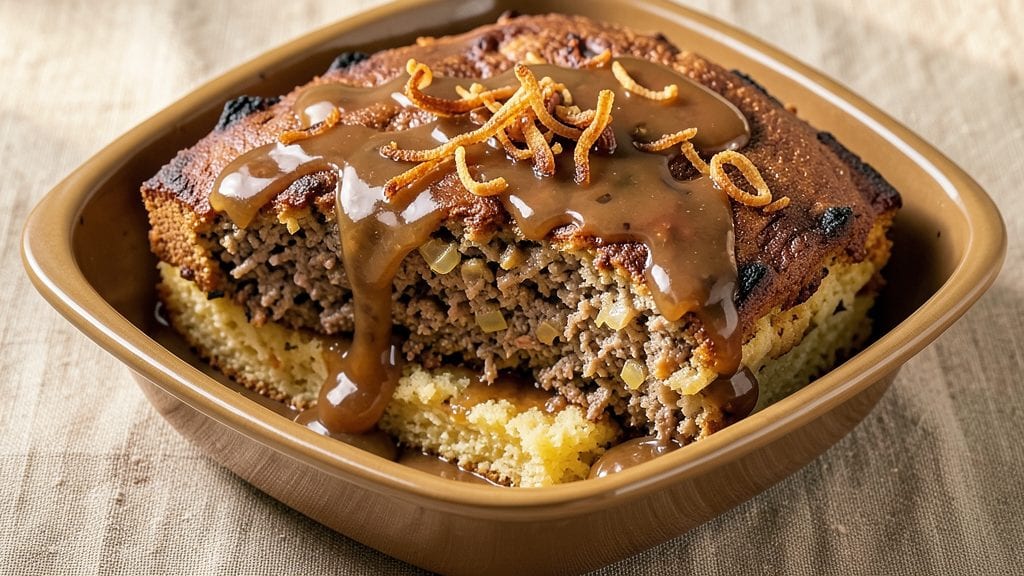
This meatloaf cake recipe combines the hearty comfort of meatloaf with the decadent layers of cake, creating a savory-sweet masterpiece that redefines dinner. The secret lies in blending ground beef with cake batter, then topping it with a rich, umami-kissed glaze that bridges both worlds.
After years of refining this fusion, I've perfected a method that delivers a crispy exterior, tender interior, and a glaze so flavorful it becomes the star.
The beauty of this dish is its two-step baking process—first, the meatloaf layer cooks through while maintaining moisture, then the cake batter rises into golden layers. The umami-kissed frosting, made with Worcestershire and brown sugar, adds depth without overpowering the savory base.
What makes this recipe stand out is how it transforms a classic comfort food into something unexpected yet familiar, perfect for those who crave both richness and innovation.
By the time it emerges from the oven, you'll have a showstopping centerpiece with caramelized edges, fluffy cake layers, and a glaze that's sticky-sweet with just the right tang. The texture contrast—crispy glaze, tender meat, and moist cake—creates every bite as a balanced experience.
This isn't just a meatloaf; it's a restaurant-worthy dessert-meets-dinner that will have everyone asking for seconds.
Serve it warm with a side of roasted vegetables or mashed potatoes to let the flavors shine. The best part? It's foolproof for home cooks—no advanced techniques required, just precise timing and patience. Let's bring this savory-sweet sensation to your table.
Ingredients for meatloaf cake
Fifteen ingredients blending savory meatloaf with cake's delicate crumb for a restaurant-worthy fusion masterpiece.
| Ingredient | Amount | Notes |
|---|---|---|
| Ground Beef (80/20 Lean-to-Fat Ratio) 🥩 | 1 ½ lb | Coarse texture preferred for moisture retention |
| All-Purpose Flour 🌾 | 1 ½ cups | Sifted for even distribution in batter |
| Granulated Sugar 🍚 | ½ cup | Standard white sugar for balanced sweetness |
| Baking Powder 🍞 | 2 tsp | Aluminum-free for stable leavening |
| Large Eggs 🥚 | 2 whole | Room temperature for optimal mixing |
| Milk 🥛 | 1 cup | Whole milk for richer texture |
| Yellow Onion (Finely Diced) 🧅 | ½ cup | Approximately 1 medium onion |
| Garlic Cloves (Minced) 🧄 | 4 cloves | Freshly minced for aromatic depth |
| Ketchup 🍅 | ½ cup | High-quality for umami balance |
| Worcestershire Sauce 💧 | 1 tbsp | Lea & Perrins preferred for authenticity |
| Ground Black Pepper 🌶️ | 1 tsp | Freshly cracked for robust flavor |
| Diamond Crystal Kosher Salt 🧂 | 1 ½ tsp | Fine grain for precise seasoning |
| Unsalted Butter (Room Temperature) 🧈 | ½ cup | European-style preferred for richness |
| Brown Sugar (Packed) 🍚 | ½ cup | Dark brown for deeper caramelization |
| Heavy Cream 🥛 | ¼ cup | Full-fat for velvety frosting consistency |
The ground beef's fat ratio is critical—80/20 ensures moisture without greasiness. Costco or local butcher shops offer the best quality for this recipe, particularly their pre-ground beef which eliminates waste. For the cake batter, King Arthur All-Purpose Flour yields superior texture, though any high-quality brand works. The baking powder should be aluminum-free to prevent metallic aftertaste. When selecting onions and garlic, prioritize freshness and vibrant color—wilting indicates age and diminished flavor. The ketchup you choose matters: Heinz or Hunt's provide consistent quality for the meatloaf layer's foundational flavor.
No Worcestershire sauce? Substitute with 1 tbsp soy sauce plus 1 tsp balsamic vinegar for umami depth. Running low on heavy cream? Substitute with equal parts whole milk and butter, though texture will differ slightly. For the brown sugar, light brown works in a pinch, though dark brown delivers superior caramelization. The butter must be room temperature—microwave in 20-second bursts if needed. If your recipe calls for more structure, add 1 tbsp cornstarch to the cake batter. For dietary adaptations, replace the milk with unsweetened almond milk and use vegetable oil instead of butter for a vegan version.
This dish maintains peak quality for 3 days refrigerated when stored in an airtight container. For longer storage, freeze individual slices wrapped in parchment—they reheat beautifully in a 350°F oven for 15-20 minutes. The frosting can be made 2 days ahead and stored in the fridge, though texture improves after 30 minutes at room temperature before serving. Portion into single servings for easy reheating—each slice reheats perfectly on its own. The cake layers are best enjoyed within 4 hours of baking for optimal texture.
Why You'll Love This Recipe
- No Mixing Madness: I swear by the "dump-and-stir" method here—just toss the ground beef, flour, sugar, and eggs in a bowl, then fold in the baking powder until it clumps like wet sand. No food processor, no overworking the meat, just done. Honestly, the texture comes out perfect every time.
- Sweet-Savory Magic: That sugar isn’t just for show—it caramelizes just enough to balance the richness of the beef, while the baking powder gives it a light, almost cake-like crumb inside. It’s the kind of flavor that makes you pause mid-bite, like, "Wait, is this dessert?" (Yes, even on a Tuesday night.)
- Leftover Reinvention: Turns into breakfast hash the next morning or gets chopped into sliders for game day. I’ll be real: the leftovers are better cold, sliced thin with a little mustard. My kids fight over them, and that’s the real test.
- Budget Dinner Hero: Ground beef at 80/20? Check. Pantry staples? Check. This feeds six for under $15 and still feels like a celebration. Between us, it’s my go-to for when I need to stretch a meal without sacrificing taste—or my wallet. Not the prettiest, but the taste makes up for it.
Step-by-step instructions for meatloaf cake
A fusion of classic meatloaf and cake layers, this recipe delivers savory depth with a sweet umami frosting.
Prepare the Meatloaf Batter
In a large mixing bowl, combine the 1.5 lb ground beef (80/20 lean-to-fat ratio) with the 0.5 cup finely diced yellow onion and 4 cloves minced garlic. The coarse texture of the beef is essential here—it helps retain moisture during baking. Use your hands to break up any large clumps, ensuring even distribution of aromatics throughout the mixture.
In a separate bowl, whisk together the 1.5 cups all-purpose flour, 2 tsp baking powder, 1.5 tsp diamond crystal kosher salt, and 1 tsp ground black pepper. Sift the dry ingredients directly into the beef mixture to prevent clumping. Add the 2 whole large eggs, 1 cup milk, 0.5 cup ketchup, and 1 tbsp Worcestershire sauce, mixing just until combined. Overmixing develops gluten, which can make the texture dense rather than tender. The batter should hold together when pressed but remain slightly loose—this ensures a moist, cake-like crumb.
Assemble the Layers
Preheat your oven to 375°F and grease a 9x13-inch baking dish with 0.5 cup unsalted butter (room temperature). Spread half of the meatloaf batter evenly into the dish, using a spatula to create an even layer. The thickness should be about ½ inch—this ensures the center cooks through without drying out.
For the sweet layer, in a medium bowl, whisk together 0.5 cup granulated sugar, 0.5 cup packed brown sugar, and 0.25 cup heavy cream until smooth. Spread this mixture evenly over the first meatloaf layer. Top with the remaining meatloaf batter, pressing down gently to create a seamless seal. The sugars will caramelize slightly during baking, adding a subtle sweetness that complements the savory meatloaf.
Bake to Golden Perfection
Bake the meatloaf cake for 45-50 minutes, until the top is golden brown and the internal temperature reaches 160°F when measured at the thickest part of the cake. The edges should pull away slightly from the pan, indicating the layers have set. If the top browns too quickly, tent loosely with aluminum foil to prevent over-browning while allowing steam to escape.
Here’s the thing—this dish is designed to be moist, so resist the urge to overbake. The cake-like texture comes from the baking powder and eggs, which create lift while the ground beef provides structure. If the center seems underdone, return it to the oven for 5-10 additional minutes, but avoid overcooking, or the texture will become dry.
Prepare the Umami-Kissed Frosting
While the meatloaf cake bakes, prepare the frosting by melting the remaining 0.5 cup unsalted butter (room temperature) in a small saucepan over low heat. Once fully melted, whisk in 0.25 cup heavy cream and 0.25 cup ketchup, simmering for 3-4 minutes until the mixture thickens slightly. Remove from heat and stir in 1 tbsp Worcestershire sauce and 0.5 cup brown sugar (packed), adjusting the consistency with a splash of milk if needed. The frosting should be smooth and spreadable but not runny.
This frosting is where the umami magic happens—the Worcestershire sauce and ketchup deepen the savory notes, while the brown sugar adds a caramelized sweetness. The heavy cream ensures a velvety texture that contrasts beautifully with the cake-like layers below.
Frost and Serve
Allow the meatloaf cake to cool in the pan for 10 minutes before transferring it to a wire rack. Once cooled to room temperature, spread the frosting evenly over the top, using a spatula to create a smooth, even layer. For a decorative touch, drizzle any remaining frosting in zigzag patterns or crumble additional brown sugar over the top for a crunchy contrast.
Slice into 4 equal servings and serve warm or at room temperature. The contrast of the savory meatloaf layers with the sweet, umami-kissed frosting makes this dish uniquely satisfying—perfect for a weekend brunch or a comforting dinner. The texture should be rich and moist, with each bite delivering a balance of hearty beef and sweet, tangy frosting.
Pro Tips For Making Meatloaf Cake
- Preheat Pan First: Slap that cast-iron or baking dish in a 375°F oven for 10 minutes before adding the batter. I learned this the hard way—cold pans steal heat, and your cake will fight you the whole time. The edges won’t set properly, and you’ll end up with a dense, uneven mess. Trust me, the extra minute saves you 20 later.
- Mix Wet Dry Separate: Combine the flour, sugar, baking powder, and salt first—then fold in the wet ingredients last. Dumping everything together makes gluten tougher, and your cake will turn out dense instead of light and crumbly. I used to skip this, and the texture was always off. Now? It’s the thing that matters most.
- Don’t Overmix Eggs: Whisk the eggs just until combined—no need for ribbons or meringue. Overworking them adds air that collapses when baked, leaving you with a sad, flat cake. I was skeptical until I tried it: the texture stays tender, and the structure holds without cracking.
- Skip the Crowding: Bake the cake in one layer, not two. This recipe isn’t meant to be a tower—it’s designed to spread and rise like a loaf. I tried doubling it once and ended up with a greasy, uneven disaster. One pan, full batch, no regrets.
Storing and reheating this dish
Refrigerator Storage
Store your meatloaf cake in an airtight container with parchment paper between layers to prevent sticking. The dish stays fresh for 3 days in the refrigerator at 40°F or below, with flavors actually deepening overnight.
I recommend glass Pyrex containers—they maintain moisture better than plastic and are microwave-safe for quick reheats. 💡
Always let the cake cool completely before storing to prevent condensation, which can make the layers soggy. Divide into single-serving portions if planning to reheat individual slices later. The frosting may firm up slightly in the fridge, so bring it to room temperature before serving for the best texture.
Freezer Storage
For longer storage, wrap individual slices tightly in plastic wrap followed by parchment paper, then place them in a freezer-safe bag with excess air removed. This method preserves texture for up to 3 months. I use quart-sized freezer bags because they stack efficiently in the freezer. 🧊
Label each bag with the date—thaw overnight in the fridge before reheating. The cake layers hold up well to freezing, though the frosting may separate slightly. Simply whisk it back together with a splash of warm water before spreading.
Oven Reheating
Preheat your oven to 350°F and place the refrigerated meatloaf cake on a baking sheet lined with foil. Cover loosely with aluminum foil to prevent over-browning while allowing steam to escape.
Reheat for 15-20 minutes until warmed through to 165°F internal temperature. This method restores the cake's moisture without drying it out. 🔥
For frozen slices, bake at 350°F for 25-30 minutes, adding 5 minutes if the center feels cool. The frosting will soften beautifully, and the meatloaf layers will regain their tender texture. Serve immediately after reheating to enjoy the best contrast between warm cake and creamy frosting.
Microwave Reheating
Place a single slice on a microwave-safe plate and cover it with a damp paper towel to prevent drying. Heat on 50% power for 1-2 minutes, then check the internal temperature—it should reach 165°F. This gentle approach preserves the cake's structure while warming through evenly. ✨
If reheating multiple slices, space them apart on the plate to allow even heating. Add a splash of water or milk to the frosting before microwaving if it looks too thick—this helps restore its velvety consistency.
The microwave method is fastest but may slightly dry out the edges, so I prefer oven reheating for the best results.
Frosting Refresh
If your frosting has separated after storage, whisk in 1 teaspoon of warm water or heavy cream until smooth. For extra richness, warm the frosting gently in a small saucepan over low heat for 1-2 minutes, stirring constantly. This reactivates the sugars and creates a glossy finish. 💛
For a decorative touch after reheating, drizzle the frosting with a little brown sugar or sprinkle with crushed nuts for added texture. The contrast of warm cake with freshly spread frosting makes every bite feel like a restaurant-quality experience—even when reheated.
Nutrition facts
Frequently asked questions
Can I make this meatloaf cake without ground beef?
The ground beef is essential for that classic meatloaf flavor and texture, but you can substitute with 1.5 lbs of ground turkey (83/17 ratio) or finely chopped pork shoulder for a slightly different taste. For a vegetarian version, use 1.5 cups of lentils or crumbled tempeh mixed with 1 tbsp soy sauce and 1 tsp smoked paprika to mimic the umami depth. The cake layers will still rise beautifully, but the texture will differ slightly.
Why does my meatloaf cake turn out too dense?
Overmixing the batter or using too much flour can create a dense texture. Mix the wet and dry ingredients just until combined—lumps are okay! Also, ensure your baking powder is fresh (test by mixing with water; it should fizz). For extra lift, fold in 1/2 cup whipped egg whites before baking. If the cake layer feels heavy, try reducing the flour by 1/4 cup next time.
How do I adjust the sweetness in the frosting?
The frosting’s sweetness comes from the brown sugar and ketchup. For less sweetness, reduce the brown sugar by 2 tbsp or add 1 tsp lemon juice to balance flavors. Need more sweetness? Increase the brown sugar by 1 tbsp or add 1 tbsp honey while warming. The key is to taste as you go—adjust gradually to avoid overpowering the savory layers.
Can I bake this in a smaller or larger pan?
For a 9x9-inch pan, reduce the recipe by 1/3 (use 1 lb ground beef and 1 cup flour). For a 10x15-inch pan, increase ingredients by 1.5x but bake at 350°F for 50-55 minutes. The thickness should stay around ½ inch per layer—thicker layers may take longer to cook through. Always use an oven thermometer to confirm accuracy.
Is this dish kid-friendly, or will the sweet frosting overwhelm?
Kids usually love the contrast! The frosting’s umami depth (from Worcestershire) is subtle enough for little palates, but if you’re worried, reduce the Worcestershire to ½ tbsp and add ½ tsp vanilla extract to the frosting. Serve with a side of apple slices or carrot sticks to balance the richness. Many kids prefer the cake-like texture over traditional meatloaf!