
Desserts
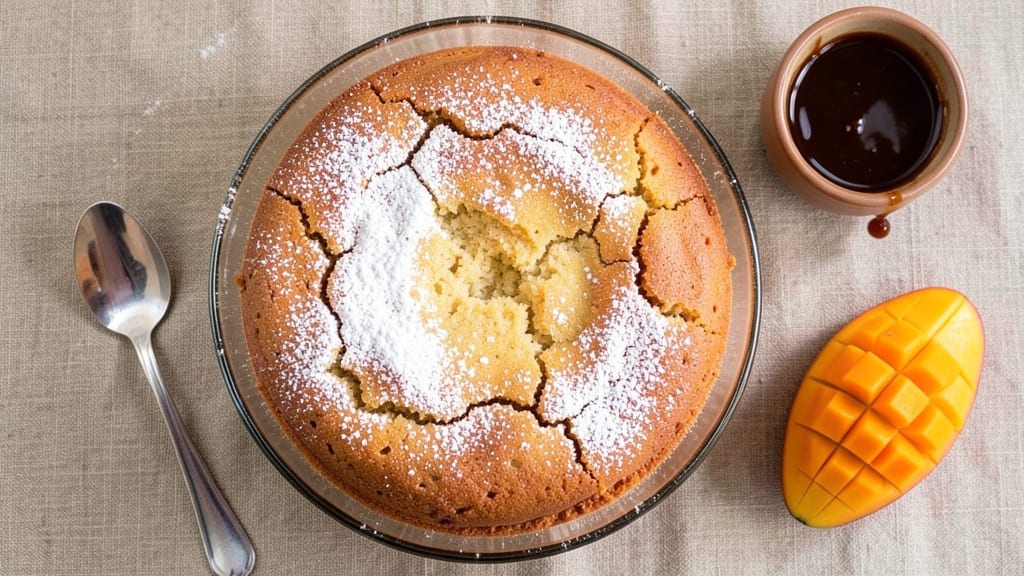
This Nigerian cake recipe delivers layers of warm cinnamon, nutmeg, and molasses that taste like home—whether it's a festive celebration or a quiet weekend treat.
The secret lies in balancing sweetness with bold spices, creating a cake that's tender yet sturdy, with a caramelized crust that begs for a second slice. I perfected this version after years of testing, ensuring every bite captures the rich traditions of West African baking.
The magic happens in the batter, where molasses deepens the flavor while baking powder creates that signature lightness. Unlike many cakes that dry out quickly, this one stays moist for days, thanks to a simple trick: wrapping the cooled cake tightly in plastic.
The spices—cinnamon, nutmeg, and a pinch of cloves—infuse the batter as it bakes, giving it that unmistakable warmth that makes it irresistible.
What you’ll end up with is a cake that’s perfectly golden on the outside, with a tender crumb that melts in your mouth. The molasses-kissed layers add depth, while the spices create a cozy aroma that fills your kitchen.
This isn’t just dessert—it’s a piece of tradition, a flavor memory that brings people together. Whether you’re serving it at a gathering or enjoying a quiet moment with tea, it’s a recipe worth mastering.
For those who love variations, try adding a layer of coconut or a hint of ginger for extra zing. The beauty of this cake is its versatility—it’s bold enough for celebrations but simple enough for everyday indulgence. Let’s get baking!
Ingredients for nigerian cake
Nine pantry staples plus a touch of tradition—this cake tastes like home.
| Ingredient | Amount | Notes |
|---|---|---|
| All-Purpose Flour 🌾 | 3 cups | Sifted for lightness |
| Granulated Sugar 🍚 | 2 cups | White or light brown |
| Molasses 🍯 | ½ cup | Unsulphured for rich flavor |
| Unsalted Butter 🧈 | 1 cup | Room temperature, full-fat |
| Large Eggs 🥚 | 2 whole | Room temperature preferred |
| Baking Powder 🍞 | 2 tsp | Double-acting preferred |
| Ground Cinnamon 🌶️ | 2 tsp | Freshly ground for warmth |
| Ground Nutmeg 🌿 | 1 tsp | Freshly grated preferred |
| Ground Cloves 🌶️ | ½ tsp | Lightly toasted for depth |
| Salt 🧂 | ½ tsp | Fine sea salt preferred |
| Vanilla Extract 🌸 | 1 tbsp | Pure alcohol-free if preferred |
| Milk 🥛 | 1 cup | Whole milk for richness |
| Shredded Coconut 🥥 | ½ cup | Sweetened, optional layer |
The molasses is non-negotiable—unsulphured gives that deep, caramelized flavor. Trader Joe's or Whole Foods carry the best quality, but any grocery store with a baking aisle should have it. Freshly ground spices make all the difference, so if you've got a spice grinder, toast the whole cloves and cinnamon sticks first—that smoky aroma is pure magic. The butter? Full-fat, room temperature is key—it should be soft but not melted. Skip the margarine here; tradition demands real butter.
No molasses? Dark corn syrup at half the amount works in a pinch, but you'll lose that signature depth. Fresh nutmeg is ideal, but if you're using pre-ground, toast it lightly in a dry pan to wake up the flavor. Short on eggs? Flax eggs (1 tbsp ground flax + 3 tbsp water per egg) keep the cake tender. The coconut layer is optional but adds a tropical twist—unsweetened works too, just reduce the sugar in the batter slightly. For a ginger kick, add 1 tsp ground ginger to the spice mix.
This cake keeps beautifully—3-4 days wrapped in plastic at room temperature, or 2 weeks in the fridge. For extra moisture, slice and freeze portions between parchment paper. The spices intensify over time, so it actually tastes better the next day. I always make a double batch—one for now, one to freeze for lazy weeknights. Slice with a warm knife for clean cuts, and dust with powdered sugar if you're feeling fancy.
Why You'll Love This Recipe
- No Mixer Needed: I swear by this recipe when I’m in a rush—just fold the flour into the butter and sugar with a sturdy spoon. The molasses adds depth without extra steps, and the eggs bind everything together like magic.
- Molasses Magic: That rich, caramel-like sweetness from the molasses? It’s what makes this cake taste like a hug. The butter keeps it moist, but the molasses gives it this grown-up, slightly tangy kick that’s addictive.
- Party or Pantry: Slice it for a birthday spread or bake a whole sheet for snacks all week. It’s dense enough to hold up in heat but light enough to eat straight from the pan—no one will guess it’s just five ingredients.
- Budget Baking: A whole cake for under $5? With pantry staples like flour and sugar, this is my go-to when I need to feed a crowd without breaking the bank. Leftovers? They disappear faster than I can reheat them.
Step-by-step instructions for bold spice and molasses-kissed layers
Here's how to create layers of rich flavor and perfect texture in this traditional Nigerian cake.
Cream Butter and Sugar for Maximum Fluffiness
In a large mixing bowl, beat the 1 cup unsalted butter and 2 cups granulated sugar together on medium speed until light and fluffy, about 3-4 minutes. You'll notice the mixture nearly doubles in volume and becomes pale in color - this incorporates air that creates the cake's signature tender crumb. I like to use room temperature butter here; it blends more smoothly and creates a lighter texture.
Here's the thing - don't rush this step. The butter needs to fully emulsify with the sugar to create that perfect airy foundation. If you see any butter chunks remaining after 4 minutes, keep mixing until completely smooth. This is where the cake's structure begins, so take your time.
Mix in Molasses and Wet Ingredients
Reduce the mixer speed to low and add the 0.5 cup molasses, 2 whole large eggs (one at a time), and 1 tbsp vanilla extract. Mix just until combined after each addition - about 30 seconds per ingredient. The molasses will make the batter thicker, which is normal and exactly what we want for that rich, dense texture.
Next, whisk together the 1 cup milk, 3 cups all-purpose flour (sifted), 2 tsp baking powder, 2 tsp ground cinnamon, 1 tsp ground nutmeg, 0.5 tsp ground cloves, and 0.5 tsp salt in a separate bowl. This dry mixture should be completely smooth with no flour lumps remaining. Gradually add the dry ingredients to the wet mixture, mixing on low speed just until combined.
Fold in Coconut and Prepare for Baking
Gently fold in the 0.5 cup shredded coconut using a spatula until evenly distributed throughout the batter. Be careful not to overmix at this stage - just combine until the coconut is incorporated. The batter will be thick and slightly sticky, which is perfect for creating that moist, dense cake texture.
Pour the batter into two 9-inch round cake pans lined with parchment paper. I recommend greasing the pans lightly with butter first, then dusting with flour to prevent sticking. Fill each pan about 2/3 full - don't overfill, or the cakes will overflow during baking. Smooth the tops with a spatula for even baking.
Bake to Perfect Doneness
Preheat your oven to 350°F and bake the cakes for 30-35 minutes, or until a toothpick inserted into the center comes out clean. Here's what to watch for: the edges should be golden brown while the tops may still look slightly moist. The cake is done when it springs back gently when touched in the center.
I know it seems like too long, but trust me - this slow bake ensures the molasses flavor fully develops and the cake doesn't dry out. If your oven runs hot, start checking at the 25-minute mark. Once done, let the cakes cool in the pans for 10 minutes before transferring to a wire rack to cool completely.
Assemble and Enjoy
Once completely cooled, level the tops of the cakes if needed, then spread a layer of your favorite buttercream or jam between them. For an authentic touch, many Nigerians use a simple vanilla buttercream or even more molasses-infused frosting. The cakes should be moist but not soggy when assembled.
Slice and serve at room temperature. The molasses-kissed layers should be rich and spiced, with just the right amount of coconut crunch in every bite. This cake keeps well for up to 5 days in an airtight container, though I promise it won't last that long!
Pro Tips For Making Nigerian Cake
- Melt Butter Slowly: DESCRIPTION: Nigerian cake’s texture depends on how you handle the butter—don’t rush it. Heat the butter just until it turns liquid (around 90°C/195°F) before mixing with sugar. If you let it get too hot, the molasses will burn before the batter comes together, leaving a bitter aftertaste. I learned this the hard way after a batch turned into molasses-flavored brick.
- Whisk Eggs First: DESCRIPTION: Separate the eggs, whip the yolks and whites separately until the whites hold stiff peaks, then gently fold them into the batter last. This keeps the cake light and airy—skipping it makes the texture dense, like a heavy loaf. Sounds tedious, but it’s the thing that matters most for that classic Nigerian cake rise.
- Skip Overmixing the Batter: DESCRIPTION: Once you add the flour, mix just until combined—no more. Overworking the batter develops gluten, which turns your cake into a tough, chewy mess. I was skeptical until I tried it: under-mixed batter yields a tender crumb every time. Use a spatula and stop when dry bits disappear.
- Use Room-Temp Molasses: DESCRIPTION: Cold molasses thickens the batter and can cause streaks in the cake. Warm it in a small bowl over hot (not boiling) water for 2–3 minutes until it’s pourable—about 38°C (100°F). This ensures even distribution and prevents a gummy texture. (Yes, even if you’re impatient like me.)
Pro cooking tips for nigerian cake
Spice Toasting Technique
Before measuring, toast your whole spices—cinnamon sticks and cloves—over a dry skillet for 1-2 minutes until fragrant. This unlocks deeper flavors that pre-ground spices miss.
I pulse them briefly in a spice grinder afterward for a fresh, aromatic finish. Penzeys Spices has excellent whole spices if you don’t want to toast your own.
Molasses Substitution
If molasses is unavailable, dark corn syrup works in a pinch (use half the amount), but the flavor won’t be identical. For a closer match, blend ¼ cup honey + ¼ cup brown sugar with 2 tbsp water to mimic molasses’ viscosity and depth.
The honey adds subtle floral notes that complement the spices beautifully.
Butter Temperature Matters
Room-temperature butter is non-negotiable—it should yield slightly when pressed but not melt. If your kitchen is warm, chill the butter for 15-20 minutes before creaming. I’ve ruined cakes using cold butter straight from the fridge, so always test by pressing a thumb into it.
The goal is a smooth, fluffy texture that traps air for a light crumb.
Baking Powder Check
Always use double-acting baking powder—it reacts twice: once when wet and again when heated. Test yours by mixing 1 tsp baking powder with ¼ cup hot water—it should fizz vigorously. Old baking powder loses potency, so replace it every 6 months.
For a backup, add ½ tsp baking soda to the dry ingredients, but reduce the molasses by 1 tbsp to balance acidity.
Coconut Layer Trick
For extra crunch, toast the shredded coconut in a dry skillet over medium heat for 2-3 minutes until golden. Let it cool before folding into the batter—this prevents the coconut from absorbing too much moisture and turning mushy.
Unsweetened coconut works too, but reduce the sugar in the batter by 1 tbsp to maintain balance.
Oven Calibration Tip
Ovens vary wildly—mine runs 25°F hotter than the dial. If your cake browns too quickly, tent it loosely with aluminum foil after 20 minutes. For even baking, place a pan of hot water on the lower rack during baking.
This creates steam that keeps the cake moist and prevents a dry crust. Always use an oven thermometer to verify accuracy.
Nutrition facts
Frequently asked questions
What makes this Nigerian cake different from regular vanilla cake?
The signature flavors come from the molasses and warm spices like cinnamon, nutmeg, and cloves. Unlike vanilla cake, this version has a deeper caramelized taste from the molasses and a subtle warmth from the spices that makes every bite cozy and aromatic. The coconut layer adds a tropical crunch that's missing in traditional vanilla cakes.
Can I make this cake in a single layer instead of two?
Use a 9x13-inch pan and bake for 40-45 minutes at 350°F. The baking time will be slightly longer since there's more batter to cook through. For even baking, rotate the pan halfway through. Single-layer cakes work well for smaller gatherings or when you want a rustic presentation.
Why does my cake turn out dense instead of fluffy?
Overmixing the batter or using cold butter are common culprits. Always cream the butter and sugar until light and fluffy (3-4 minutes), and mix the dry ingredients just until combined. Also, ensure your baking powder is fresh—old baking powder loses its lift. If you accidentally overmix, the cake will still be delicious but denser, with that rich molasses flavor intact.
How do I store leftovers to keep them moist?
Wrap the cake tightly in plastic wrap or store it in an airtight container with a slice of bread to help retain moisture. It stays fresh for 3-4 days at room temperature or up to 2 weeks in the fridge. For longer storage, slice and freeze portions between parchment paper—thaw at room temperature before serving.
Can I substitute the molasses with something else?
For a similar depth of flavor, blend ¼ cup honey + ¼ cup brown sugar with 2 tbsp water to mimic molasses' viscosity. If you must use corn syrup, reduce to ¼ cup and add ½ tsp extra vanilla extract to compensate for the lack of complexity. The spices will still shine, but the caramelized richness will be slightly different.