
Desserts
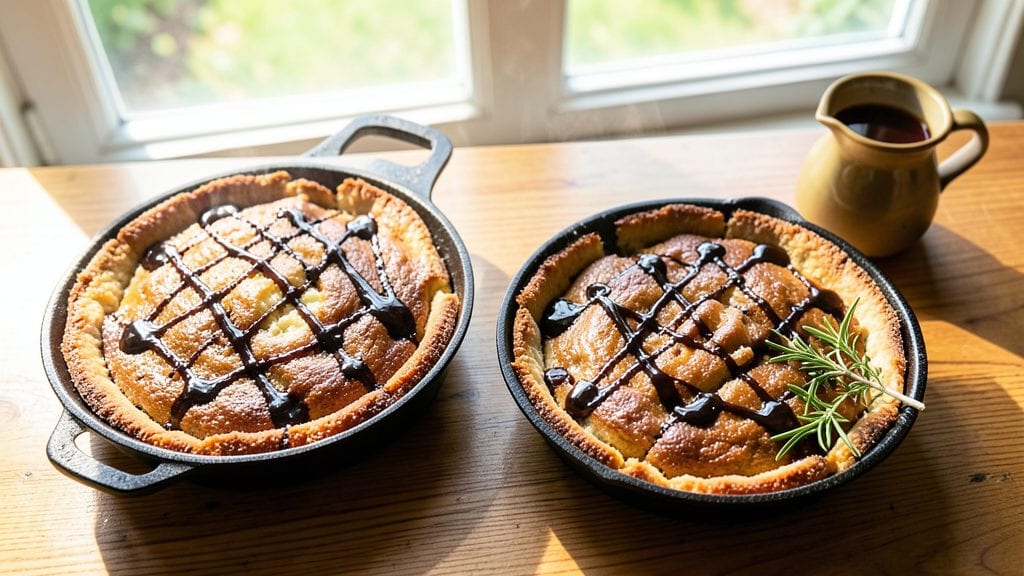
This old-fashioned pudding cake recipe brings back the warmth of family kitchens where molasses and vanilla swirled together into layers of buttery perfection. The rich, caramelized molasses flavor pairs beautifully with tender vanilla cake, creating a dessert that feels like a hug from your grandmother’s oven.
I’ve perfected this recipe over years of baking, ensuring the layers stay moist and the swirls remain distinct—no dry crumbs in sight.
The key to this classic dessert lies in the balance of ingredients: just enough molasses for depth, buttery vanilla for richness, and precise layering to keep the texture light yet satisfying.
It bakes in a 350°F oven for about 45 minutes, releasing an aroma that transforms any kitchen into a cozy haven. The result is a cake with a golden crust and a velvety interior, where each bite delivers a harmonious blend of sweet and spiced notes.
Serve this pudding cake warm with a scoop of vanilla ice cream or a dollop of whipped cream to enhance its rustic charm. It’s the kind of dessert that feels special enough for company but simple enough for a weeknight treat.
Whether you’re baking for a holiday gathering or just craving a taste of nostalgia, this recipe delivers restaurant-quality comfort with minimal effort.
For an extra touch, dust the top with powdered sugar or drizzle with a molasses glaze before serving. The possibilities for customization are endless—add a sprinkle of cinnamon, a layer of spiced apples, or even a hint of bourbon for a grown-up twist. Let’s get baking!
Ingredients for old fashioned pudding cake
Buttery layers, molasses depth, and vanilla swirls—just 11 ingredients for nostalgic comfort.
| Ingredient | Amount | Notes |
|---|---|---|
| All-Purpose Flour 🌾 | 2 ½ cups | Sifted for even texture |
| Granulated Sugar 🍚 | 2 cups | White or light brown |
| Unsalted Butter 🧈 | 1 ½ cups | Room temperature, full-fat |
| Molasses 🍯 | 1 cup | Unsulphured, dark variety |
| Large Eggs 🥚 | 4 whole | Room temperature, beaten |
| Vanilla Extract 🌿 | 2 tsp | Pure, high-quality extract |
| Baking Powder 🍞 | 2 tsp | Aluminum-free preferred |
| Ground Cinnamon 🌶️ | 1 tsp | Freshly ground preferred |
| Salt 🧂 | ½ tsp | Fine sea salt |
| Powdered Sugar 🍚 | ½ cup | For dusting top |
| Vanilla Ice Cream 🍦 | 2 cups | For serving, optional |
The molasses is non-negotiable here—unsulphured dark molasses from Whole Foods or Trader Joe's delivers the richest flavor. Look for bottles labeled 'dark' or 'robust' rather than 'light' varieties. The butter should be full-fat and unsalted—Plugrá or Land O'Lakes work perfectly. For the vanilla extract, Heinz Pure or Nielsen-Massey are reliable choices, though any pure extract will do. The baking powder matters too—aluminum-free ensures a lighter texture without any metallic aftertaste.
No dark molasses? Substitute with equal parts blackstrap molasses mixed with 1 tbsp brown sugar for a closer match. Running short on vanilla extract? Vanilla bean paste at half the amount works beautifully, though it’ll be slightly thicker. The powdered sugar can be swapped for coarse sugar if you prefer texture, though it won’t dissolve as smoothly. For a grown-up twist, add 1 tbsp bourbon with the molasses—trust me, it elevates the flavor. The ice cream is purely optional, but homemade vanilla or Breyers both work perfectly.
Store any leftovers in an airtight container at room temperature for up to 3 days, though this cake reheats beautifully. Wrap tightly in plastic wrap if you’re storing it longer. The molasses layers keep best when refrigerated for up to 5 days. For freezing, slice the cake first and freeze between parchment—up to 3 months—then thaw at room temperature before serving. Reheat slices in the oven at 300°F for 5-10 minutes to restore that fresh-baked aroma.
Why You'll Love This Recipe
- No Mixer Needed: I swear by this recipe when I’m in a rush—just fold the dry ingredients into the butter and eggs like you’re making a quick bread. No electric mixer, no fuss, just a bowl and a spatula.
- Molasses Magic: That deep, caramelized molasses flavor? It’s what makes this cake sing. One taste and you’ll understand why grandmas swore by it—it’s rich, slightly tangy, and sticks with you like a warm hug.
- Picnic or Potluck Star: Between us, this cake travels like a champ. Pack it in a tin for a church gathering or slice it for a summer picnic—it stays moist, doesn’t fall apart, and always gets rave reviews.
- Budget-Friendly Staples: Flour, sugar, butter, eggs—these are the basics I already have on hand. No fancy ingredients, no last-minute grocery runs. And honestly? The leftovers taste just as good the next day, reheated or cold.
Step-by-step instructions for old fashioned pudding cake
This classic layered cake delivers rich molasses flavor and tender crumb every time.
Prepare the Molasses Batter
In a large mixing bowl, combine the 2.5 cups all-purpose flour, 2 tsp baking powder, 1 tsp ground cinnamon, and 0.5 tsp salt. Sift this dry mixture together to eliminate any lumps and ensure even distribution throughout the batter.
In a separate bowl, beat the 1.5 cups unsalted butter and 2 cups granulated sugar together until light and fluffy—about 3-4 minutes using an electric mixer. This creaming process incorporates air, which creates the cake's signature tender crumb. The mixture should nearly double in volume and become pale in color.
Add the 4 whole large eggs, one at a time, mixing well after each addition. Then stir in the 1 cup molasses and 2 tsp vanilla extract. The batter will be thick and slightly sticky—this is normal. Gradually mix in the dry ingredients until just combined. Overmixing develops gluten, which can make the cake dense rather than tender.
Create the Vanilla Swirl Layer
Divide the batter evenly between two 9-inch round cake pans (about 1.25 cups per pan). Preheat your oven to 350°F while you prepare the vanilla swirl layer.
In a small bowl, whisk together 0.5 cup granulated sugar and 0.5 cup powdered sugar until fully combined. Add 1 tbsp vanilla extract and mix well. This sweet mixture will create the signature vanilla swirls between the layers.
After pouring the batter into the pans, spread the sugar mixture evenly over the top of one of the layers. Using a knife, gently swirl the sugar mixture into the batter in a circular motion. This creates the classic marbled effect that makes this cake visually stunning and flavorful.
Bake the Layers
Place both cake pans in the preheated oven and bake for 25-30 minutes, or until a toothpick inserted into the center comes out clean. Rotate the pans halfway through baking to ensure even browning. The cakes should be golden brown on top and slightly domed in the center.
Once baked, remove the cakes from the oven and let them cool in the pans for 10 minutes. Then transfer them to a wire rack to cool completely. This cooling step is crucial—it prevents the cakes from becoming soggy when assembling.
Assemble the Pudding Cake
Place one of the cooled cake layers on a serving plate. Spread a thin layer of the 2 cups vanilla ice cream over the top of the first layer. This ice cream layer adds moisture and balances the rich molasses flavor.
Carefully place the second cake layer on top of the ice cream, pressing down gently to create a sealed dessert. Use a serrated knife to trim any uneven edges for a clean finish. Dust the top generously with 0.5 cup powdered sugar for a sweet, decorative finish.
Serve immediately while the ice cream is still soft. The contrast of warm cake with cold ice cream creates a delightful texture experience. This pudding cake is best enjoyed fresh from the oven, with the ice cream slightly melting into the layers.
Pro Tips For Making Old Fashioned Pudding Cake
- Whisk the Molasses First: I learned this the hard way—dumping molasses into dry ingredients creates stubborn clumps that won’t dissolve. Warm the molasses slightly (just enough to loosen it) and whisk it with the sugar and eggs before adding flour. This ensures a smooth batter that bakes evenly instead of fighting lumps the whole time.
- Cream Butter Cold: Your grandmother wasn’t wrong: cold butter makes a real difference. Cut the butter into the flour mixture in small cubes—don’t melt it first. This keeps the cake tender and prevents a greasy texture. (Yes, even if you’re impatient like me.)
- Skip the Overmixing: This isn’t the prettiest method, but it’s the tastiest. Mix the batter just until the flour disappears—about 20 seconds after that. Overmixing develops gluten, which turns your cake dense and tough. The molasses already adds moisture; don’t overwork it.
- Test for Doneness Early: The cake will look underdone when the edges pull away, but molasses cakes are tricky. Insert a toothpick at the center—it should come out with moist crumbs, not wet batter. If unsure, wait 5 minutes and check again. Underbaking is worse than overbaking here.
Wine and beer pairings for this recipe
Sweet Wine Pairings
Molasses-forward desserts like this pudding cake pair beautifully with sweet dessert wines that complement its deep caramel notes. A Moscato d'Asti from Italy—light, fizzy, and slightly floral—cuts through the richness while enhancing the vanilla swirls. I recommend Saracco Moscato d'Asti for its perfect balance of sweetness and acidity. 🍷
For a richer pairing, try a Pedro Ximénez Sherry from Spain, a thick, raisin-like wine that mirrors the molasses flavor. Its intense sweetness makes it ideal for balancing the cake's spiced depth. Serve it slightly chilled to highlight its aromatic complexity.
Spiced Beer Options
If wine isn't your preference, reach for a spiced rum beer like New Belgium's Abbattoir Belgian-Style Red Ale. The coffee and chocolate notes in this beer create a delicious contrast to the molasses, while its malty sweetness echoes the cake's vanilla layers. 🍺
For a lighter option, a honey-infused Belgian witbier such as Stella Artois Cidre Brut (with a honey twist) adds floral and citrus notes that brighten the dessert. The effervescence also cleanses your palate between bites, making it a refreshing match.
Coffee & Liqueur Finishes
After dinner, serve a small glass of Baileys Irish Cream alongside the cake—its buttery vanilla and coffee flavors harmonize perfectly with the molasses. I like to pour it over a scoop of vanilla ice cream on top of the cake for an extra indulgent touch. ✨
For coffee lovers, a dark roast espresso with a splash of Kahlúa enhances the cake's caramelized notes. The bitterness of the coffee balances the sweetness, creating a sophisticated dessert experience that feels like a cozy nightcap.
Unexpected Twist: Bourbon
If you're feeling adventurous, pair this cake with a small glass of bourbon (like Buffalo Trace) to complement the molasses depth. The oak and vanilla notes in the bourbon mirror the cake's flavors, while the alcohol's warmth makes the dessert feel even more comforting. 🥃
For a non-alcoholic option, a spiced chai tea with cinnamon and cardamom echoes the cake's warm spices and adds a refreshing contrast. Brew it strong and serve it warm for the full experience.
Nutrition facts
Frequently asked questions
Can I make this pudding cake without molasses?
The molasses is what gives this cake its signature deep, caramelized flavor. For a substitute, try 1 cup dark brown sugar mixed with 1 tbsp maple syrup—it won’t be identical but will add richness. If you’re avoiding sugar entirely, a 1 cup unsweetened applesauce can replace the molasses, though the texture will be slightly denser.
Why does my cake turn out dense instead of tender?
Overmixing the batter develops gluten, making the cake tough. Mix just until combined—stop when no dry flour remains. Also, ensure your butter is room temperature (not melted) and your oven isn’t too hot. A 350°F oven is critical; higher temps can cause over-browning before the center sets.
How do I store leftovers to keep them fresh?
Store the assembled cake in an airtight container at room temperature for up to 3 days. For longer storage, refrigerate for 5 days (cover tightly with plastic wrap). To reheat, wrap slices in foil and warm in a 300°F oven for 5-10 minutes—this restores the moist texture and brings back that fresh-baked aroma.
Can I bake this in a different pan size?
Yes, but adjust the batter volume to match your pan’s depth. For a 9-inch round pan, use the full recipe. For an 8-inch pan, reduce batter by 20% (about 1 cup less per layer). Line pans with parchment paper for easy removal, and bake until a toothpick comes out clean—times may vary slightly by pan material.
What’s the best way to serve this cake for a crowd?
Slice into 1-inch wedges for easy serving. For a showstopper, arrange slices on a platter with a drizzle of warmed molasses and a dusting of powdered sugar. Serve with individual scoops of ice cream on the side, or assemble a mini version (using 6-inch pans) for single servings with a dollop of whipped cream.