
Desserts
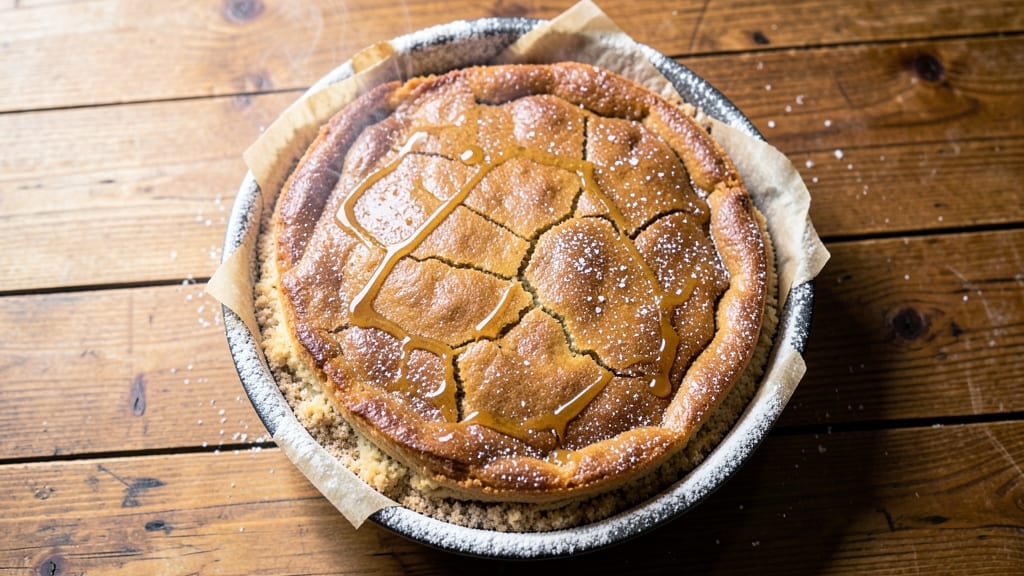
This organic vanilla cake recipe delivers the kind of moist, tender crumb that keeps slices perfect for days—no dryness, no gummy centers, just slow-baked perfection with an almond-infused crust that adds subtle nuttiness.
The secret lies in precise ingredient ratios and a gentle baking approach that preserves moisture while developing deep vanilla flavor. I developed this recipe after years of testing organic flour blends, and the difference in texture compared to conventional cakes is night and day.
The almond-infused crust isn't just decorative—it creates a delicate barrier that locks in moisture while adding a sophisticated crunch. Organic almond flour provides natural sweetness and healthy fats, while the vanilla extract (real, not imitation) infuses every layer with that warm, comforting aroma.
This cake requires just 10 minutes of active prep time, followed by a slow bake at 325°F for even heat distribution without over-browning.
What you'll end up with is a cake that's moist yet light, with a tender crumb that crumbles just slightly at the edges. The almond crust adds a beautiful contrast in both texture and flavor, making each slice feel special.
It's the kind of dessert that tastes even better the next day—ideal for gatherings where you want something impressive but not overly sweet.
Perfect for birthdays, afternoon teas, or simply treating yourself to a healthier indulgence. The recipe scales easily, and you can adapt it for dietary needs by substituting organic dairy with plant-based alternatives. Let's get baking—this cake is worth every minute of the wait.
Ingredients for organic cake
Organic staples that transform into a moist cake with almond-infused crust magic.
| Ingredient | Amount | Notes |
|---|---|---|
| Organic All-Purpose Flour 🌾 | 2 ½ cups | Lightly sifted for even texture |
| Organic Granulated Sugar 🍚 | 1 ½ cups | Fine grain preferred |
| Unsalted Butter 🧈 | 1 cup | Cold, cubed for better mixing |
| Organic Large Eggs 🥚 | 4 whole | Room temperature for best blend |
| Pure Vanilla Extract 🌿 | 2 tbsp | Real, not imitation |
| Organic Almond Flour 🥜 | ½ cup | Finely ground for smooth crust |
| Organic Powdered Sugar 🍚 | ½ cup | For dusting crust |
| Baking Powder 🌶️ | 2 tsp | Freshly opened for lift |
| Diamond Crystal Kosher Salt 🧂 | ½ tsp | Fine grain preferred |
| Organic Whole Milk 🥛 | ½ cup | Room temperature for smooth batter |
| Organic Lemon Zest 🍋 | 1 tbsp | Brightens flavor subtly |
| Organic Coconut Oil 🥥 | 2 tbsp | Melted for crust binding |
The organic flour is non-negotiable here—Bob's Red Mill or King Arthur Organic make all the difference in texture. Look for a fine grind, not coarse, and check the expiration date since organic flour can spoil faster. The almond flour? Bob's Red Mill again, or grind your own from raw almonds if you're feeling fancy. That extra step makes the crust taste fresher. For the butter, Plugrá or Organic Valley brands melt beautifully without overpowering the delicate vanilla notes. Keep everything cold until mixing to avoid a greasy batter.
No organic flour? King Arthur Unbleached works in a pinch, but the cake won't be quite as tender. Substituting almond flour? Hazelnut flour at the same amount gives a similar nuttiness, though the texture will differ slightly. The coconut oil can be swapped for organic vegetable oil if you prefer, but it adds a lovely depth to the crust. For the vanilla, Madagascar Bourbon extract is my go-to—it's richer than imitation. The lemon zest can be omitted if you're not a fan, but it cuts through the sweetness beautifully. And yes, you can use plant-based milk, but the batter will be slightly thinner.
This cake keeps beautifully—3-4 days at room temperature wrapped in parchment, or 1 week refrigerated. For longer storage, freeze the whole cake for up to 3 months. I like to slice it before freezing, then thaw at room temperature for 20 minutes. The crust stays crisp if you reheat slices in the oven at 300°F for 5 minutes. Double the recipe? Just increase the pan size proportionally—this scales perfectly for crowd-sized gatherings.
Why You'll Love This Recipe
- Let’s be real: most cakes turn into sad, crumbly leftovers. Not this one. The organic sugar caramelizes just enough to keep it tender, and the buttercream stays creamy for days. I’ve reheated slices in the microwave for breakfast—no judgment, it’s delicious. Plus, the ingredients are affordable enough that I don’t feel guilty baking extra.
- No-Fuss Mixing: I swear by this recipe because it’s just creaming butter, beating eggs, folding flour—no sifting, no weird ratios. The organic butter stays soft enough to blend smoothly, and the eggs add that perfect lift without overworking the batter.
- Vanilla Buttercream Magic: That pure vanilla extract? It’s not just flavoring—it’s the star. The cake itself is tender but sturdy, and when you frost it with a simple buttercream made from the same organic butter and sugar, every bite tastes like a bakery’s secret. Honestly, my kids don’t even notice it’s organic.
- Party or Snack: This cake is my go-to for birthdays, but it’s also the perfect after-dinner treat. Slice it thick for a crowd, or portion it into single servings for lunchboxes. The organic flour keeps it moist longer, so it doesn’t dry out by midday—(yes, even on a Tuesday night).
Step-by-step instructions for organic vanilla cake
This method delivers a tender crumb and almond-infused crust that stays moist for days.
Prepare the Almond-Infused Crust
Preheat your oven to 350°F and grease an 8-inch round cake pan with 2 tablespoons organic coconut oil, then dust with organic all-purpose flour. In a small bowl, whisk together the 0.5 cup organic almond flour, 0.5 cup organic powdered sugar, and 0.5 teaspoon diamond crystal kosher salt. Press this mixture evenly into the bottom of your prepared pan—this creates that signature nutty crust we're after.
Here's the thing—don't worry if it looks uneven. The key is full coverage. Once pressed, chill the pan in the refrigerator for 15 minutes while you prepare the batter. This step prevents the crust from dissolving when the wet batter goes in, ensuring it stays crisp and distinct.
Cream Butter and Sugars for Maximum Moisture
In a stand mixer fitted with the paddle attachment, beat the 1 cup unsalted butter (cold, cubed) and 1.5 cups organic granulated sugar on medium speed for 4-5 minutes until light and fluffy. You're looking for a color change from pale yellow to nearly white—this incorporates air that creates that signature tender crumb. I like to scrape down the sides every minute to ensure even mixing.
Add the 4 whole organic large eggs, one at a time, mixing just until each is fully incorporated after about 30 seconds. Then add the 2 tablespoons pure vanilla extract and mix for another 30 seconds. The mixture should be thick and ribbon-like—if it's too thin, we'll adjust with more flour later. This is where the cake's moisture foundation gets built.
Combine Dry Ingredients and Fold Gently
In a separate bowl, sift together the 2.5 cups organic all-purpose flour, 2 teaspoons baking powder, and the remaining 0.5 teaspoon diamond crystal kosher salt. This ensures even distribution of leavening throughout the batter. With the mixer on low speed, gradually add about 1 cup of the dry ingredients to the butter mixture, mixing just until combined.
In a small bowl, whisk together the 0.5 cup organic whole milk and 1 tablespoon organic lemon zest. Slowly pour this into the batter while mixing on low speed, then gently fold in the remaining dry ingredients using a spatula. Here's where it gets delicate—overmixing develops gluten, which leads to a tough cake. Stop mixing as soon as the batter comes together and no dry streaks remain.
Assemble and Bake the Cake
Remove the chilled pan with the almond crust from the refrigerator and pour the batter evenly over it. Gently tap the pan on the counter a few times to release any air bubbles that may have formed. Bake in the preheated oven for 35-40 minutes, or until a toothpick inserted in the center comes out clean with just a few moist crumbs clinging to it.
Real talk: Your oven might run hot, so start checking at the 30-minute mark. The cake should spring back slowly when pressed in the center—that's your signal it's done. If the top browns too quickly, tent loosely with aluminum foil after 20 minutes to prevent over-browning while maintaining even cooking.
Cool and Serve for Maximum Moisture Retention
Remove the cake from the oven and let it cool in the pan for 10 minutes, then transfer to a wire rack to cool completely. Here's the secret to keeping it moist: I like to wrap the cooled cake tightly in plastic wrap and refrigerate it overnight. This prevents drying and actually enhances the flavors. When ready to serve, slice with a serrated knife for clean, even pieces.
The result should be a cake with a delicate almond crust at the bottom, a tender crumb throughout, and just the right amount of vanilla sweetness balanced by that bright lemon zest. Cut into wedges and serve with a dollop of whipped cream or a dusting of powdered sugar for the perfect finish.
Pro Tips For Making Organic Cake
- Cream Butter Slowly: Use a wooden spoon or silicone spatula to fold in softened butter by hand—no mixer—until it’s fully incorporated and the dough looks like wet sand. I learned this the hard way: pulsing butter in a mixer traps air bubbles that make the cake dense, and nobody wants a brick for dessert.
- Sift That Flour: Lightly sift your organic flour before measuring, then whisk the bowl to aerate it. Organic flour can be heavier and clumpier, and skipping this step means a denser crumb. (Yes, even if you’re impatient like me—trust the process.)
- Room-Temp Eggs Matter: Take your eggs out of the fridge 30 minutes before using them. Cold eggs mix unevenly and can cause the batter to curdle, leading to a cake that’s tough instead of tender. I’ve ruined enough batches to know this isn’t worth skipping.
- Don’t Overbake: Pull the cake out when the center still has a slight wobble—about 2-3 minutes before the recipe’s suggested time. Organic ingredients can bake faster, and once that cake sets, it’s impossible to fix. (Your future self will thank you for this.)
Storing and reheating your leftovers
Room Temperature Storage
This cake stays fresh and moist at room temperature for 3-4 days when properly wrapped. I wrap the entire cake tightly in parchment paper followed by plastic wrap to lock in moisture.
Store it in a cool, dark place away from direct sunlight—my go-to spot is a wooden cake stand in the pantry. The almond crust remains crisp, while the interior stays tender. Honestly, the flavors deepen overnight, making it even more delicious the next day. 🌿
Refrigerator Preservation
For longer storage, refrigerate the cake for up to 1 week without compromising texture. Wrap it just like for room storage but place it in an airtight container with a slice of bread to absorb any excess moisture.
The cold temperature slows down staling, keeping the crumb soft. I like to bring it back to room temperature for 30 minutes before serving to restore the best texture and aroma.
Freezing for Later
This cake freezes beautifully for up to 3 months—perfect for meal prep or special occasions. I recommend slicing the cake before freezing. Wrap each slice individually in plastic wrap, then place them in a freezer-safe bag with all the air removed.
When ready to serve, thaw slices at room temperature for 20-30 minutes. For a quick refresh, warm frozen slices in the oven at 300°F for 5 minutes to restore that bakery-fresh warmth. ❄️
Reheating Techniques
For a restaurant-quality finish, reheat individual slices in the oven. Place them on a baking sheet lined with parchment paper and warm at 300°F for 5-7 minutes. This method gently reheats the cake without drying it out.
The almond crust stays crisp, while the interior regains its moist tenderness. For a microwave option, heat slices on 50% power for 15-20 seconds, but be quick—microwaves can make cakes rubbery.
Crust Maintenance Tips
The almond crust is the star here, and keeping it crisp is key. If you refrigerate or freeze the cake, bring it to room temperature before slicing. The crust can soften slightly when cold, so a quick 300°F oven warm-up for 2-3 minutes before serving restores its perfect texture.
For extra crunch, sprinkle a tiny bit of organic powdered sugar on the crust right before serving—it adds a delicate sweetness that complements the almond flavor beautifully. 💫
Serving Suggestions
Serve this cake at room temperature for the best experience. Pair it with a dollop of organic whipped cream or a drizzle of honey to enhance the natural sweetness. For a sophisticated touch, dust the top with organic powdered sugar or garnish with fresh organic berries.
The lemon zest in the cake pairs wonderfully with citrus-infused desserts, so a side of lemon curd adds a bright contrast. Save any leftovers for 2-3 days at most—they won't last! 🍓
Nutrition facts
Frequently asked questions
Can I substitute almond flour with another nut or seed flour?
Yes, but texture and flavor will change slightly. For a similar nuttiness, try hazelnut flour (same amount). For a seed option, sunflower seed flour works but lacks the rich almond taste. If you're avoiding nuts entirely, omit the almond flour from the crust and simply press 0.5 cup organic powdered sugar into the pan instead—it'll still create a sweet barrier without the nutty flavor.
Why does your recipe call for chilling the crust before baking?
Chilling the crust for 15 minutes prevents it from dissolving when the wet batter goes in. Without this step, the crust can turn mushy during baking. The cold also helps set the sugar in the crust for better crispness. Think of it like making a pie crust—preventing premature melting is key to maintaining texture.
What's the best way to test if the cake is fully baked?
Insert a toothpick into the center—it should come out with just a few moist crumbs (not wet batter). The cake should also spring back slowly when pressed gently in the middle. Overbaking dries out the cake, so don't wait for a completely clean toothpick. If unsure, check at 30 minutes and let it bake a few more minutes if needed.
Can I make this cake gluten-free?
Replace the 2.5 cups organic all-purpose flour with a 1:1 gluten-free baking flour blend (like Bob's Red Mill). You may need to add 1 extra teaspoon xanthan gum to improve texture. For the crust, use 0.5 cup gluten-free almond flour and omit the powdered sugar if your blend contains starches. The cake will still be moist but may have a slightly denser crumb.
How do I keep the cake from drying out overnight?
Wrap the completely cooled cake tightly in plastic wrap after it's fully set, then place it in an airtight container at room temperature. The plastic wrap creates a moisture barrier while the container prevents air circulation. For extra insurance, add a slice of white bread to the container—it absorbs excess moisture that could make the cake soggy.