
Appetizers
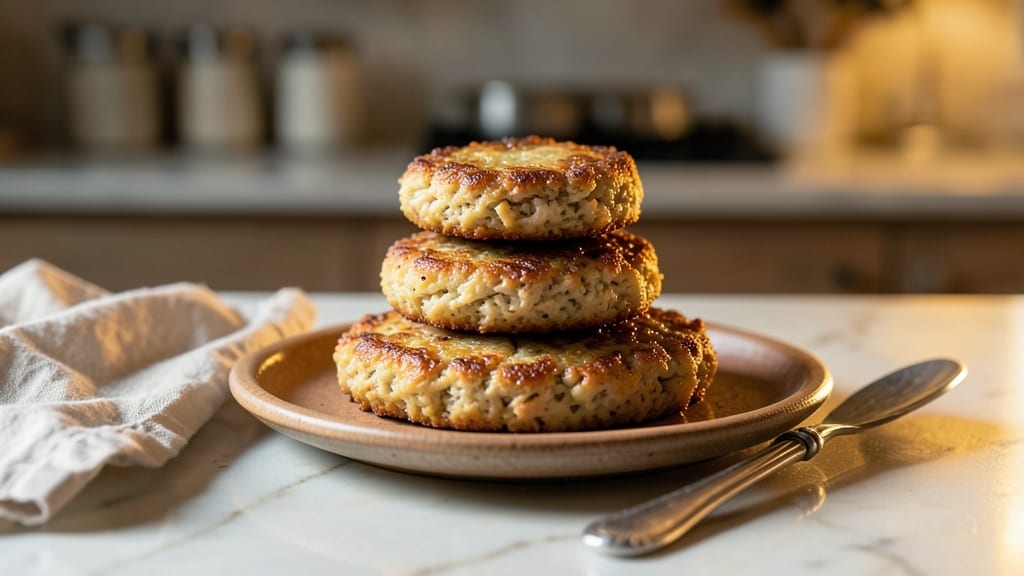
This original Old Bay crab cake recipe delivers the perfect balance of flaky fish magic and bold, spiced crunch that makes every bite unforgettable. The secret lies in proper seasoning with Old Bay—its signature blend of celery, paprika, and black pepper transforms simple crab meat into something truly special.
I've perfected this recipe over years of testing, ensuring the crab cakes stay tender inside while developing a crispy golden crust that holds up beautifully.
The process begins with high-quality crab meat, carefully mixed with just the right amount of mayo and breadcrumbs to bind without overpowering the delicate flavor. Old Bay isn't just sprinkled on top—it's incorporated throughout, creating that signature tangy, slightly sweet, and peppery taste in every bite.
Pan-searing in butter gives them that coveted crispy exterior while keeping the inside perfectly flaky, just as it should be.
What you'll end up with is a restaurant-quality dish that's surprisingly simple to make at home. The aroma of Old Bay and butter frying in the pan alone will have everyone gathering around your kitchen.
Serve them with classic tartar sauce and lemon wedges for that complete seafood experience—crispy on the outside, tender and flavorful on the inside.
These crab cakes are perfect for appetizers, game day spreads, or even a light summer dinner. The recipe scales easily, so you can make a small batch for two or double it for a crowd. Here's everything you need to create your own batch of Old Bay-spiced perfection.
Ingredients for original old bay crab cake
Old Bay magic starts with these 13 simple ingredients—flaky crab, crispy panko, and that signature spice blend.
| Ingredient | Amount | Notes |
|---|---|---|
| Fresh Lump Crab Meat 🦀 | 1 ½ lb | Backfin preferred, no shell pieces |
| Mayonnaise 🥛 | ¼ cup | Dijon-style preferred for tang |
| Panko Breadcrumbs 🍞 | ½ cup | Light and crispy texture |
| Old Bay Seasoning 🌶️ | 2 tbsp | Classic blend, not imitation |
| Unsalted Butter 🧈 | ½ cup | Cold, cubed for frying |
| Large Eggs 🥚 | 1 whole | Room temperature for binding |
| Fresh Lemon Juice 🍋 | 1 tbsp | Brightens the crab flavor |
| Celery Stems 🧅 | 2 whole | Finely minced for texture |
| Kosher Salt 🧂 | ½ tsp | Adjusts Old Bay seasoning |
| Black Pepper 🌶️ | ¼ tsp | Freshly cracked for heat |
| Vegetable Oil 🫒 | ¼ cup | For preheating pan |
| All-Purpose Flour 🌾 | 2 tbsp | For dredging crab cakes |
| Fresh Parsley 🌿 | 2 tbsp | Chopped, for garnish |
The crab meat is everything here. Seafood markets have the best fresh lump crab—look for bright white meat with no shell pieces or grayish bits. If you're using canned crab, drain it thoroughly and pat dry—moisture ruins the crispy crust. I always grab Backfin brand at Whole Foods when I can, but the regular grocery store stuff works fine if it's fresh. The Old Bay? Don't even think about using that imitation stuff. Penzeys or the blue can from the spice aisle are your friends here—it's the heart of the flavor. For the panko, Japanese brands like Shinhama give the best texture, but any good-quality panko will work.
No Old Bay? Mix 1 tbsp celery salt, 1 tsp paprika, 1 tsp black pepper, and 1 tsp garlic powder for a quick substitute. Ran out of mayo? Greek yogurt works too—it keeps the crab cakes lighter. The lemon juice is non-negotiable though—it cuts through the richness of the butter and crab. Fresh parsley is ideal for garnish, but dried parsley at half the amount gets you close in a pinch. The celery? Don't skip it—it adds subtle crunch and complements the Old Bay perfectly. If you're prepping ahead, make the mixture and refrigerate it up to 4 hours before frying, but no longer or the texture suffers.
These crab cakes reheat beautifully—350°F for 8-10 minutes in the oven keeps them crispy. Store leftovers in an airtight container between layers of parchment paper to maintain crispiness. Good for 2 days in the fridge, but honestly, they disappear faster than that. For freezing, flash-freeze on a tray first, then transfer to a bag—keeps for 2 months. I always make a double batch because they're that good.
Why You'll Love This Recipe
- Here’s the secret: these taste even better the next day. The flavors meld, the crust firms up, and they reheat beautifully in a skillet with a pat of butter. I make a double batch on Sundays because they disappear faster than I can say “second helping.”
- No Fuss Assembly: I swear by these crab cakes because they’re three ingredients plus seasoning—just fold the lump crab, mayo, and panko with a shake of Old Bay, then shape. No binding agents, no waiting for eggs to set, just pure, tender structure every time.
- Old Bay Magic: That signature zing? It’s all in the seasoning. The celery salt, black pepper, and paprika in Old Bay cut through the richness of the butter and mayo, giving you that bright, briny, just-off-the-Atlantic flavor without needing a dozen spices. (Yes, even my picky husband agrees.)
- Weeknight to Dinner Party: Same recipe, different vibes. Pan-fry them for a quick weeknight lunch with lemon wedges, or bake them in a buttery crust for a showstopper appetizer when company drops by. The panko crust stays crispy either way—no sad, soggy edges here.
Step-by-step instructions for Old Bay crab cakes
Here's how to create golden, flaky crab cakes with that signature Old Bay crunch everyone loves.
Mix the Crab Filling with Perfect Texture
In a large mixing bowl, gently combine the 1.5 lb fresh lump crab meat with the 0.25 cup mayonnaise using your hands or a fork. Be careful not to overmix—just enough to distribute the mayo evenly. The crab should hold its shape but still feel slightly loose.
Add the 2 tbsp Old Bay seasoning, 0.5 tsp kosher salt, and 0.25 tsp black pepper, mixing just until fully incorporated. The Old Bay will give your crab cakes that signature spiced crunch. Then stir in the 1 tbsp fresh lemon juice and 2 tbsp finely minced celery stems—this brightens the flavor and adds subtle texture.
Finally, fold in the 0.5 cup panko breadcrumbs by hand, pressing them gently into the mixture. This step is crucial—don't overwork it, or your crab cakes will turn dense. The panko will create that perfect crispy exterior while keeping the inside tender.
Bind and Chill for Flaky Perfection
Add the 1 whole large egg to the mixture and fold it in until fully combined. The egg acts as a binder, helping the crab cakes hold together while cooking. Cover the bowl with plastic wrap and refrigerate for at least 30 minutes—this chilling step is non-negotiable for flaky results.
Here's the thing—chilling allows the flavors to meld and the mixture to firm up slightly. When you're ready to cook, remove the bowl from the fridge and let it sit at room temperature for 5 minutes before shaping. Cold crab cakes won't hold together as well when you try to form them.
Shape and Dredge for Maximum Crunch
Using your hands (lightly wet them first to prevent sticking), form the crab mixture into 4 equal patties, about ½-inch thick each. I like to make them slightly larger than the pan they'll cook in—they'll shrink as they cook. Place them on a plate and let them rest for 10 minutes while you prepare the dredging station.
Set up a shallow dish with the 2 tbsp all-purpose flour and another with the 2 tbsp chopped fresh parsley. Lightly dredge each crab cake in the flour, pressing gently to adhere, then place on a wire rack. This extra layer of flour ensures that golden, crispy crust we're after.
Fry to Golden, Flaky Perfection
Heat 0.25 cup vegetable oil and 0.5 cup unsalted butter in a large skillet over medium heat until the butter melts and the mixture reaches 350°F. You'll know it's ready when a small piece of bread dropped in sizzles immediately and turns golden in 30 seconds. This high-fat combination creates that signature crispy exterior while keeping the inside tender.
Carefully place the crab cakes in the skillet, being gentle to avoid breaking them apart. Cook for 3-4 minutes per side until they're golden brown and deeply crispy. Don't rush this step—they need that time to develop that perfect crunch. You'll see the edges start to crisp and pull away slightly from the pan—that's your signal to flip.
Rest and Serve with Confidence
Transfer the cooked crab cakes to a wire rack and let them rest for 5 minutes. This resting period allows the juices to redistribute, ensuring each bite is moist and flavorful. The exterior will stay crispy while the interior firms up just enough to hold together when you serve.
Garnish each crab cake with an extra sprinkle of chopped fresh parsley right before serving. The parsley adds a pop of color and freshness that complements the rich, spiced flavors. Serve immediately with lemon wedges and your favorite dipping sauce—traditional tartar sauce works beautifully.
Pro Tips For Making Original Old Bay Crab Cake
- Chill the Mixture: After mixing your crab, mayo, and Old Bay, pop the whole batch in the fridge for 15–20 minutes. I used to skip this, and my cakes always ended up greasy—cold fat binds better, so the texture stays firm without falling apart.
- Press Panko Hard: When shaping the cakes, don’t just sprinkle Panko on top—press it firmly into the sides and bottom with your fingers. This isn’t a breadcrumb garnish; it’s the crust that keeps them from disintegrating in the pan. (Yes, it looks messy, but it works.)
- Skip the Overmixing: Once you fold in the Panko, stop stirring the second everything comes together. Overworking the crab turns it mushy, and you’ll end up with dense, sad patties. Two or three gentle turns is all you need—just enough to coat.
- Use Cold Butter: Take your unsalted butter straight from the fridge and cut it into small cubes before adding it to the pan. Hot butter burns before the cakes crisp, and cold butter gives you time to render it slowly for a golden crust. (I learned this after one very charred batch.)
Serving suggestions for this dish
Classic Tartar Sauce
This creamy, tangy sauce is the perfect partner for Old Bay crab cakes.
I make mine with ½ cup mayonnaise, 1 tbsp Dijon mustard, 1 tbsp fresh lemon juice, 1 tbsp finely chopped capers, 1 tbsp chopped fresh dill, and a pinch of Old Bay seasoning.
Mix everything together and chill for 30 minutes before serving to let the flavors meld. The capers and dill add a briny, fresh contrast to the rich crab cakes. 🍋
Lemon Aioli
For a lighter, brighter option, try lemon aioli. Whisk ½ cup mayonnaise with 1 tbsp lemon zest, 2 tbsp fresh lemon juice, 1 minced garlic clove, and a pinch of salt.
Thin with a splash of water if needed for dipping. The bright citrus cuts through the richness of the crab, balancing the spiced Old Bay flavors beautifully.
Simple Side Salads
A crisp green salad elevates the meal without overpowering the crab cakes. Toss 4 cups mixed greens with 2 tbsp olive oil, 1 tbsp red wine vinegar, 1 tbsp chopped red onion, and 1 tbsp chopped fresh parsley.
Add ¼ cup crumbled feta cheese for extra tang. The acidity in the dressing complements the Old Bay seasoning perfectly. ✨
Grilled Vegetables
For a heartier meal, serve your crab cakes with grilled vegetables. Toss zucchini, bell peppers, and asparagus in 1 tbsp olive oil, 1 tsp Old Bay seasoning, and ½ tsp black pepper.
Grill over medium-high heat for 8-10 minutes until tender. The smoky char adds depth to the dish while keeping it light.
Crusty Bread
Warm, crusty bread is a must for soaking up any extra tartar sauce or aioli. I love using a baguette or sourdough loaf, sliced and lightly toasted in the oven. The crunch contrasts perfectly with the tender crab cakes, and it’s always a crowd-pleaser. 🥖
Garnish Like a Pro
Before serving, garnish your crab cakes with extra chopped parsley and a sprinkle of lemon zest. For a final touch, add a tiny dollop of crème fraîche or a drizzle of hot honey to elevate the presentation. These small details make your dish look and taste restaurant-worthy.
Nutrition facts
Frequently asked questions
Can I use canned crab meat instead of fresh for this recipe?
You can use canned crab, but fresh lump crab meat gives the best texture and flavor. If using canned, drain it thoroughly and pat dry with paper towels to remove excess moisture. This prevents soggy crab cakes—moisture is the enemy of crispy crusts! For the best results, opt for high-quality brands like Backfin or store-brand crab meat with minimal additives.
Why do my crab cakes fall apart when cooking?
Overmixing the crab mixture or skipping the chilling step are the most common culprits. The egg and mayo need time to bind properly, so always refrigerate the mixture for at least 30 minutes before shaping. Also, handle the crab cakes gently when flipping—they should hold together if formed correctly. If they still crumble, try adding 1 extra tablespoon of panko for better structure.
How do I make these crab cakes ahead of time?
You can prep the mixture up to 4 hours ahead and refrigerate it, but don't shape the cakes until ready to cook. For fully made-ahead crab cakes, shape them, dredge in flour, and freeze on a tray before transferring to a bag. Cook straight from frozen, adding 1-2 extra minutes per side to ensure they're fully heated through. The texture will be slightly softer, but still delicious!
Can I bake these crab cakes instead of frying?
Preheat your oven to 400°F and line a baking sheet with parchment paper. Brush the shaped crab cakes with a little oil and bake for 12-15 minutes until golden and crispy. For extra crunch, broil for the last 2 minutes. Baked crab cakes won't be as crispy as fried, but they're a healthier alternative that still delivers great flavor.
What's the secret to getting that perfect golden crust?
The golden crust comes from three key elements: hot fat, panko breadcrumbs, and gentle dredging. Use a mix of oil and butter for frying—this gives both heat stability and rich flavor. Press the crab cakes lightly into the flour before cooking, and don't overcrowd the pan. Cook over medium heat until the edges are deep golden brown, then flip carefully. Patience is key—rushing leads to uneven cooking!