
Desserts
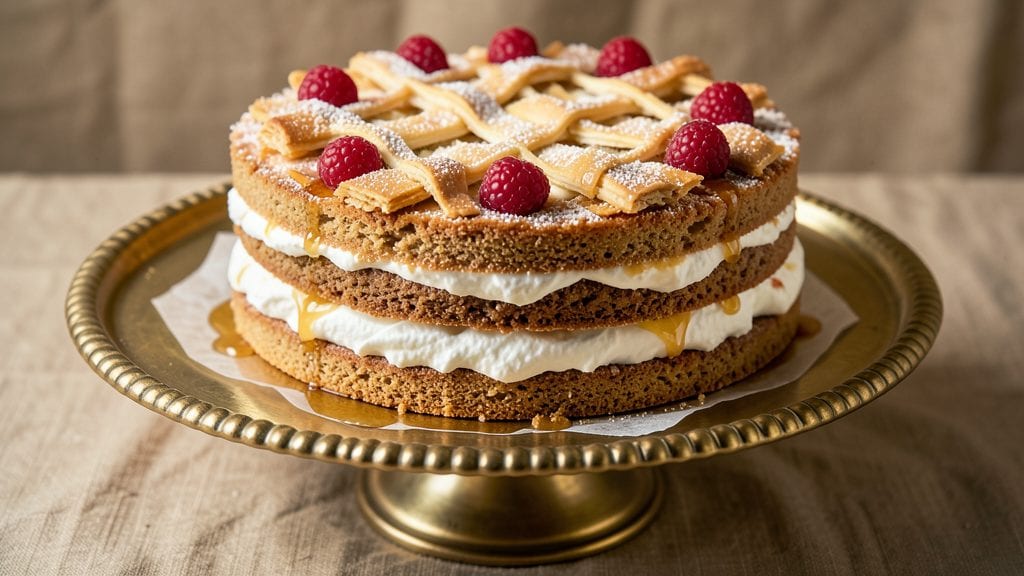
This Passover cake recipe delivers the perfect balance of fluffy layers and vibrant citrus glaze without relying on chametz or matzo flour—ideal for those observing kosher-for-Passover traditions.
The secret lies in using potato starch and almond flour as binders, creating a tender crumb that holds up beautifully while staying true to dietary requirements. I developed this recipe after years of searching for a cake that felt special yet accessible for Seder celebrations and family gatherings alike.
The cake's structure comes from a precise method of folding whipped egg whites into the batter at the last moment, ensuring lightness without gluten. A bright orange glaze made with fresh citrus zest and juice adds a festive touch that complements the cake's delicate texture.
What makes this recipe stand out is its versatility—it works for traditional observances while accommodating modern dietary needs like vegan or egg-free adaptations.
By the time you pull this cake from the oven, you'll have a golden, moist dessert with layers that slice cleanly and a glaze that adds just the right amount of sweet-tart contrast.
The aroma alone will bring your kitchen to life, making it perfect for sharing during Passover or any special occasion. This recipe transforms a traditional holiday dessert into something fresh and inviting for every guest.
Whether you're hosting a Seder or simply craving a celebratory treat, this cake delivers restaurant-quality results with minimal effort. The instructions are straightforward, and substitutions are included to ensure everyone at your table can enjoy it. Let's get baking!
Ingredients for passover cake
Pantry staples plus a few specialty touches—this cake is all about celebration without chametz.
| Ingredient | Amount | Notes |
|---|---|---|
| All-Purpose Flour 🌾 | 2 cups | White or whole wheat blend |
| Potato Starch 🥔 | ½ cup | For tender, fluffy texture |
| Almond Flour 🌰 | ½ cup | Fine, blanched preferred |
| Granulated Sugar 🍚 | 1 ½ cups | White or light brown |
| Baking Powder 🧂 | 2 tsp | Aluminum-free preferred |
| Salt 🧂 | ½ tsp | Fine sea salt |
| Unsalted Butter 🧈 | 1 cup | Cold, cubed for creaming |
| Large Eggs 🥚 | 4 whole | Room temperature |
| Vanilla Extract 🌿 | 1 tbsp | Pure, high-quality |
| Orange Zest 🍊 | 1 tbsp | Freshly grated |
| Orange Juice 🍊 | ½ cup | Freshly squeezed |
| Powdered Sugar 🍚 | 1 ½ cups | For citrus glaze |
| Lemon Zest 🍋 | 1 tsp | Freshly grated |
| Milk 🥛 | ¼ cup | Dairy or non-dairy |
Potato starch and almond flour are the secret weapons here. Bob's Red Mill has great organic options if you're looking for quality, but the regular grocery store stuff works fine. The almond flour should be fine, not gritty—Trader Joe's sells a smooth version perfect for this. For the citrus, grab bright oranges and lemons—the zest matters way more than the juice. If you can't find fresh, organic powdered citrus zest from the bulk section is a solid backup. The butter needs to be cold for flaky layers, so take it out of the fridge just before creaming.
No potato starch? Arrowroot powder at the same amount gets you close. Almond flour too pricey? Substitute half with more all-purpose flour, but the texture won't be quite as tender. Fresh citrus zest is non-negotiable for that bright flavor—bottled zest tastes like perfume. The milk can be any kind, but whole milk adds richness if you're using dairy. For a vegan version, use almond milk plus 1 tbsp cornstarch to thicken. The vanilla extract should say 'pure' on the bottle—imitation won't cut it here.
This cake keeps beautifully. Wrap tightly in plastic and store at room temperature for 3 days or in the fridge for up to 1 week. The glaze hardens as it cools, so bring it to room temp before slicing. I like to make this a day ahead—the flavors meld even better. Freezes for 3 months if you want to prep for your Seder. Just thaw at room temperature before serving.
Why You'll Love This Recipe
- No-Fuss Mixing: I swear by this combo of potato starch and almond flour—it whips together in a bowl while I fold laundry. No sifting, no weird ratios, just dump-and-stir magic.
- Sweet & Nutty Magic: That almond flour gives it this subtle, buttery richness, while the sugar stays just sharp enough to cut through. Honestly, it tastes like a holiday treat without the fuss.
- Seder Table Star: Serve it plain for dessert or dust with powdered sugar for a showstopper at Passover. Between us, it’s the one thing my family actually fights over during the seder.
- Leftovers on Lock: The texture stays moist for days—perfect for breakfast toast or a midnight snack. I’ve had this cake last me a week, and honestly? It’s still delicious.
Step-by-step instructions for fluffy matzo-free layers with citrus glaze
Here's how to bake layers so light they practically melt in your mouth.
Cream Butter and Sugars Together
In a stand mixer fitted with the paddle attachment, beat the 1 cup unsalted butter (cold, cubed) with the 1.5 cups granulated sugar on medium speed for 3-4 minutes. You're looking for a pale, fluffy mixture that nearly doubles in volume. This step incorporates air, which creates those signature tender layers.
Scrape down the sides of the bowl with a rubber spatula to ensure even mixing. The butter should be completely creamed but still hold its shape when pressed—this prevents dense cake layers. If you're using room-temperature butter, chill the mixture for 10 minutes before proceeding to keep the layers light.
Add Eggs and Citrus Flavors
Add the 4 whole large eggs, one at a time, mixing just until each is fully incorporated after about 30 seconds per egg. This gradual addition prevents the eggs from scrambling in the butter mixture. After the last egg, stir in the 1 tablespoon vanilla extract, 1 tablespoon orange zest, and 0.5 cup orange juice. The citrus flavors will infuse beautifully into the batter.
Here's the thing—don't overmix. Once everything is combined, you should still see small streaks of flour when you add the dry ingredients in the next step. Overmixing develops gluten, which leads to tough cake layers instead of the tender texture we're after.
Combine Dry Ingredients Gently
In a separate bowl, whisk together the 2 cups all-purpose flour, 0.5 cup potato starch, 0.5 cup almond flour, 2 teaspoons baking powder, and 0.5 teaspoon salt. Sift the mixture once to aerate it—this helps create that signature fluffy texture. Gradually add the dry ingredients to the butter mixture in three additions, mixing on low speed just until combined after each addition.
After incorporating all the dry ingredients, fold in the 0.25 cup milk with a silicone spatula. The batter should be smooth but slightly thick—like a well-stirred cake batter. If it looks too stiff, you can add 1-2 tablespoons of milk to loosen it slightly. This ensures the cake layers will be moist and tender rather than dry.
Bake the Layers to Perfection
Preheat your oven to 350°F and grease three 8-inch round cake pans with butter or line them with parchment paper. Divide the batter evenly among the pans. Bake for 25-30 minutes, or until a toothpick inserted into the center comes out clean and the tops spring back when touched lightly. Rotate the pans halfway through baking for even browning.
Real talk: Your oven might run hot, so start checking at the 20-minute mark. If the edges are browning too quickly, tent the pans with foil. The layers should be golden on top but not overly browned—we want them to stay light and fluffy. Let them cool in the pans for 10 minutes before transferring to a wire rack to cool completely.
Assemble and Glaze the Cake
Once the layers are completely cool, level the tops if needed with a serrated knife. For the filling, mix together 1.5 cups powdered sugar, 1 teaspoon lemon zest, and 2 tablespoons orange juice until smooth. Spread a generous layer of this citrus filling between each cake layer, pressing down gently to ensure even distribution.
For the glaze, whisk together the remaining 0.5 cup orange juice with the 1.5 cups powdered sugar until smooth. Drizzle the glaze over the top and sides of the cake, letting it drip down naturally. The glaze should be slightly runny—this ensures it sets beautifully and adds that signature shine. Let the glaze set for 15 minutes before slicing to enjoy cake that's perfectly balanced with tender layers and bright citrus flavor.
Pro Tips For Making Passover Cake
- Sift the Flours Together: I learned this the hard way—mixing almond flour and potato starch separately then combining them leads to uneven texture. Sift them together with the all-purpose flour first to break up clumps and distribute the starch evenly. This keeps the crumb light and prevents dense pockets.
- Measure Sugar by Weight: Granulated sugar compacts differently in cups, and this cake relies on precise ratios. Use a kitchen scale for the sugar—just 10 grams over or under can throw off the moisture balance, making the cake either dry or gummy. (Yes, even if you’re impatient like me.)
- Avoid Overmixing the Batter: This isn’t a muffin—gluten development ruins the tender crumb. Mix the wet and dry ingredients just until combined, then stop. Overworking the batter introduces toughness, especially with almond flour, which behaves differently than wheat-based doughs.
- Test Doneness with a Toothpick: The cake’s dense texture tricks the eye—it might look set but still be undercooked. Insert a toothpick into the center; it should come out with a few moist crumbs, not wet batter. If it’s dry, it’s overdone, and if it’s sticky, give it 5 more minutes. No guessing.
Troubleshooting great passover cake
Dense Cake Layers
If your cake turns out dense instead of light and fluffy, the issue is likely overmixing or under-creamed butter. Make sure to cream the 1 cup cold butter and 1.5 cups sugar until the mixture is pale and nearly doubles in volume—this incorporates air for lightness.
Also, avoid overmixing after adding the dry ingredients; mix just until combined to prevent gluten development. If your batter seems too stiff, add 1-2 tablespoons milk to loosen it slightly. 🥄
Cracked or Sunken Centers
Cracks or sunken centers usually mean the cake baked too long or the oven temperature was too high. Always use an oven thermometer to confirm your oven is at 350°F.
Rotate the pans halfway through baking for even heat distribution, and remove the cake when a toothpick inserted into the center comes out clean. Overbaking dries out the cake, causing it to collapse.
Let the layers cool in the pans for 10 minutes before removing to prevent sudden cooling that can lead to cracks.
Dry or Crumbly Texture
A dry or crumbly texture often results from over-baking or using too much flour. Stick to the baking time of 25-30 minutes and check for doneness at the 20-minute mark. If your cake feels dry, try adding 1 tablespoon orange juice or milk to the batter for extra moisture.
Also, ensure your butter is cold when creaming—room-temperature butter can lead to a denser crumb. For extra tenderness, brush the cooled layers with a simple syrup made from 2 tablespoons sugar and 2 tablespoons water before assembling.
Glaze Too Thick or Not Setting
If your glaze is too thick, add 1-2 teaspoons orange juice to thin it out. For a runny glaze that sets properly, whisk the 1.5 cups powdered sugar and 0.5 cup orange juice until completely smooth.
If the glaze isn’t setting, ensure the cake layers are fully cooled before applying it—warm layers can melt the glaze. Let the glaze sit for 15 minutes before slicing to allow it to fully harden. For extra shine, chill the cake in the fridge for 30 minutes before serving.
Citrus Flavors Too Strong
If the citrus flavor overpowers the cake, reduce the amount of orange zest or juice in the batter and glaze. Start with 1 teaspoon zest and 0.25 cup juice instead of the full amounts.
For a more balanced flavor, add a pinch of cinnamon or vanilla bean paste to complement the citrus. Taste the batter before baking—if it’s too sharp, adjust with a bit more sugar or a splash of milk to mellow the flavor.
Batter Too Thin or Runny
A runny batter usually means you added too much liquid or the butter wasn’t cold enough. Measure your ingredients carefully, and ensure the butter is cold and cubed before creaming. If the batter is too thin, add 1-2 tablespoons more flour or potato starch to thicken it.
For a smoother consistency, fold in the dry ingredients gently with a silicone spatula. If the batter separates, whisk it briefly to recombine before baking—this won’t ruin the cake but may affect texture slightly.
Nutrition facts
Frequently asked questions
What makes this cake kosher for Passover?
This recipe uses potato starch and almond flour instead of traditional flour, eliminating chametz (leavened grains). The citrus glaze also contains no wheat or leavening agents, making it fully compliant with Passover dietary laws. The fluffy texture comes from careful mixing techniques rather than gluten development.
Can I make this cake without eggs?
Yes! Replace the 4 eggs with 4 flax eggs (4 tbsp ground flaxseed + 10 tbsp water) or 1 cup applesauce. For best results, let the flax mixture sit for 5 minutes to thicken before using. The cake will be slightly denser but still delicious. The citrus glaze remains egg-free and safe for Passover.
How do I adapt this for a vegan version?
Use vegan butter, replace eggs with 4 flax eggs, and substitute the milk with almond milk + 1 tbsp cornstarch. The potato starch and almond flour already make this recipe vegan-friendly for the cake itself. The glaze can stay the same since it only requires powdered sugar and citrus juice.
Why does this recipe call for potato starch?
Potato starch creates a tender, fluffy texture without gluten while keeping the cake light and moist. It replaces traditional flour and helps bind the ingredients without adding leavening. For a 1:1 substitute, use arrowroot powder, though the texture will be slightly different. The starch also helps stabilize the citrus flavors.
Can I make this cake ahead of time?
Bake the layers 1 day ahead and store them wrapped tightly at room temperature. Assemble the cake and glaze 4 hours before serving to let the glaze set properly. The cake keeps well for 3 days at room temperature or 1 week refrigerated. For longer storage, freeze the assembled cake for up to 3 months.