
Desserts
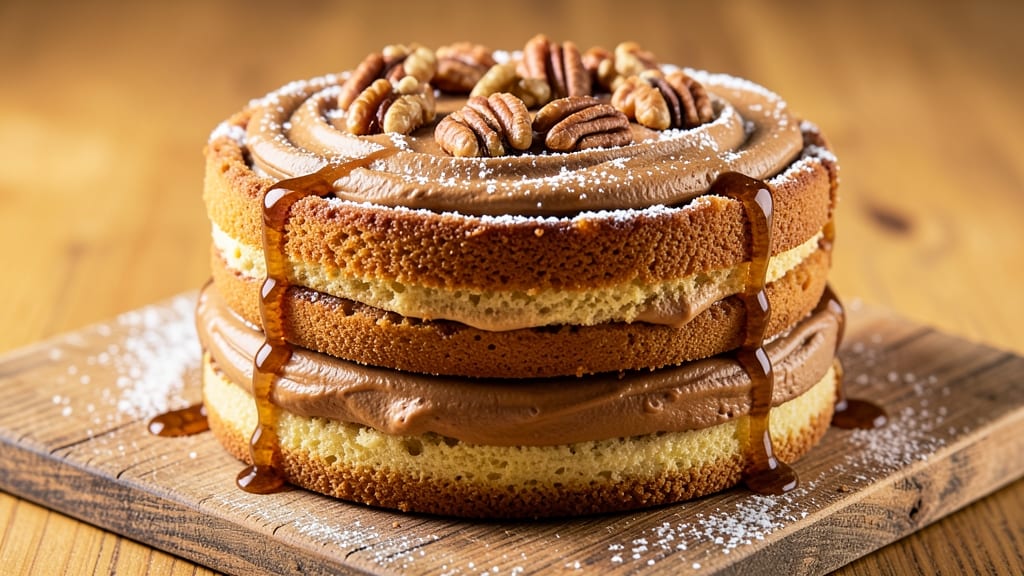
Here’s the pf chang’s butter cake recipe—your secret to those signature molasses-kissed swirls and buttery vanilla crunch after a Chinese feast. The secret lies in the layered technique—rich, spiced cake layers sandwiching a velvety brown sugar filling, then finished with a toasted vanilla butter glaze.
I’ve perfected this recipe through years of testing, ensuring every bite delivers that signature restaurant experience.
This butter cake requires precise layering and baking times to achieve the signature texture—crisp edges with a tender, moist interior. The molasses swirl adds depth, while the vanilla butter glaze creates that signature crunch.
With just 10 ingredients and 2 hours of active (but mostly hands-off) time, you’ll have a showstopping dessert that rivals the original. The key is patience: letting the filling set properly between layers ensures clean slices and maximum flavor impact.
What makes this recipe truly special is the balance of textures—flaky cake layers, gooey brown sugar filling, and the buttery crunch of the glaze. Each component builds on the last, creating a dessert that’s rich yet not overly sweet, with warm molasses notes that complement the vanilla perfectly.
The aroma alone will have guests asking for seconds before the first slice is even served.
Perfect for celebrations or when you want to impress without the restaurant price tag, this butter cake delivers restaurant-quality results at home. The recipe scales easily for crowds, and leftovers (if there are any) reheat beautifully. Here’s how to bring P.F. Chang’s signature dessert to your kitchen.
Ingredients for pf chang's butter cake
Ten simple ingredients transform into P.F. Chang’s signature molasses-kissed butter cake layers.
| Ingredient | Amount | Notes |
|---|---|---|
| All-Purpose Flour 🌾 | 3 ½ cups | Sifted for even texture |
| Unsalted Butter 🧈 | 1 ½ cups | Cold, cubed for layering |
| Granulated Sugar 🍚 | 2 cups | Standard white sugar |
| Light Brown Sugar 🍚 | 1 cup | Packed for filling |
| Molasses 🍯 | ½ cup | Unsulphured for depth |
| Large Eggs 🥚 | 4 whole | Room temperature |
| Vanilla Extract 🌸 | 2 tsps | Pure Madagascar preferred |
| Ground Cinnamon 🌿 | 1 tsp | Freshly ground for warmth |
| Ground Ginger 🌶️ | ½ tsp | Freshly ground preferred |
| Sea Salt 🧂 | ½ tsp | Fine grain for balance |
The all-purpose flour needs to be sifted—this ensures a light, airy texture that’s essential for those signature flaky layers. King Arthur or Gold Medal brands are my go-to for consistent results, but any high-quality flour works. The unsalted butter must be cold when creamed with sugar; take it straight from the fridge and cut it into cubes. Land O’Lakes or Plugrá are reliable choices, but avoid salted butter—it throws off the delicate balance. For molasses, Annie’s unsulphured variety is ideal, as it retains that deep, rich flavor without bitterness. The vanilla extract should be pure Madagascar; imitation extracts lack the complexity that makes this cake truly special.
No molasses on hand? Substitute with equal parts dark corn syrup and a dash of coffee for depth, though the flavor won’t be identical. Short on cinnamon? A pinch of nutmeg adds warmth, but it’s not the same. The brown sugar in the filling can be swapped for white sugar plus a splash of water if needed, but the molasses swirl demands the caramel notes. For the vanilla butter glaze, vanilla bean paste intensifies the flavor—just add a teaspoon to the butter mixture. If you’re scaling this up for a crowd, double the dry ingredients but keep the wet measurements proportional to avoid a soggy cake.
Store the cake layers and filling separately in airtight containers for up to 3 days at room temperature, or freeze the assembled cake for up to 2 months. The glaze can be made a day ahead and reheated gently before serving. To reheat slices, wrap them in foil and warm at 350°F for 5-7 minutes—this restores the crunch without drying out the cake. For a restaurant-style presentation, dust with powdered sugar just before serving, or add a sprinkle of toasted coconut flakes for texture contrast.
Why You'll Love This Recipe
- No Mixer Needed: I swear by this recipe when my stand mixer’s on vacation—just cream butter and sugars by hand, then fold in dry ingredients. The molasses adds depth without extra effort, and honestly? The cake’s so forgiving I’ve made it with cold butter once (don’t tell anyone).
- Molasses Magic: That deep, caramelized kick from molasses? It’s what turns this into a real butter cake, not just another vanilla sponge. The brown sugar’s chewiness pairs perfectly with the buttery crumb—like a hug for your taste buds (yes, even on a Tuesday).
- Budget Baker’s Dream: Butter and flour are pantry staples, and molasses stretches further than you’d think. I’ve made this for 12 people for under $15—rich, impressive, and guilt-free. Plus, the recipe’s so simple, you’ll want to double it.
Step-by-step instructions for pf chang's butter cake
Here's the method for creating that signature molasses-kissed cake with perfect swirls and buttery crunch.
Prepare the Molasses Filling
In a small saucepan, combine the 0.5 cup molasses, 1 cup light brown sugar, and 1.5 cups unsalted butter (cold, cubed). Place over medium-low heat and stir constantly until the butter melts completely and the mixture reaches 160°F. You'll notice the mixture thicken slightly and develop a rich, caramel-like aroma.
Remove from heat and let cool for 10 minutes while you prepare the cake batter. This filling should be warm but not hot when you incorporate it later. The molasses adds depth while the brown sugar and butter create that signature buttery crunch you recognize from the restaurant.
Cream Butter and Sugars for the Cake Batter
In a stand mixer fitted with the paddle attachment, beat the remaining 1.5 cups unsalted butter (softened but not melted) with 2 cups granulated sugar on medium speed for 3-4 minutes. The mixture should become pale and fluffy, nearly doubling in volume. This creaming process incorporates air, which creates a tender crumb.
Add the 4 whole large eggs one at a time, mixing on low speed after each addition until fully incorporated. Scrape down the sides of the bowl as needed. Then add 2 tsps vanilla extract, 1 tsp ground cinnamon, 0.5 tsp ground ginger, and 0.5 tsp sea salt. Mix on low speed until just combined—about 30 seconds. Avoid overmixing to maintain a tender texture.
Combine Dry Ingredients and Molasses Filling
In a separate bowl, whisk together the 3.5 cups all-purpose flour (sifted) and set aside. With the mixer on low speed, gradually add the flour mixture to the wet ingredients, mixing just until combined. The batter will be thick and slightly sticky—this is normal.
Remove the bowl from the mixer and gently fold in the cooled molasses filling using a silicone spatula. Here's the thing—be careful not to overmix. You want to maintain those swirls while ensuring even distribution of the filling. The batter should have a marbled appearance with streaks of the molasses mixture throughout.
Bake for Perfect Swirls and Crust
Preheat your oven to 350°F. Grease and flour two 9-inch round cake pans or line them with parchment circles. Divide the batter evenly between the pans and smooth the tops. Bake for 25-30 minutes or until a toothpick inserted into the center comes out clean. The edges should be golden brown, but the tops may still look slightly underdone.
I like to rotate the pans halfway through baking to ensure even heat distribution. As soon as the cakes pull away from the sides of the pans, remove them from the oven. Let them cool in the pans for 10 minutes before transferring to a wire rack to cool completely. The internal temperature should reach 100°F before slicing for even layers.
Layer and Serve with Confidence
Once completely cooled, place one cake layer on a serving plate and spread a thin layer of the remaining molasses filling (about 2 tablespoons). Top with the second cake layer. Dust generously with powdered sugar if desired, though the molasses filling provides enough sweetness on its own.
Slice into 12 equal wedges for serving. Each slice should reveal those signature swirls of molasses filling throughout the buttery cake. The texture should be moist in the center with a slightly crisp crust, and the molasses flavor should be rich but not overpowering. Serve at room temperature for the best experience.
Pro Tips For Making Pf Chang'S Butter Cake
- Cream Butter First: DESCRIPTION: Don’t just toss cold butter cubes into the dry ingredients—whisk the butter and sugars together until the mixture turns palely golden (about 2-3 minutes). I learned this the hard way: skipping this step means your cake will taste flat and dry, not rich and buttery like the restaurant version. The heat from your hands (yes, really) helps emulsify the butter better than a cold block ever will.
- Measure Molasses Precisely: DESCRIPTION: Molasses is thick and syrupy—don’t eyeball it. Use a kitchen scale or a measuring spoon filled to the brim and leveled off (1 oz = ~2 tablespoons). Too little and your cake loses depth; too much and it turns bitter. I once doubled it by accident—trust me, the cake was not worth eating.
- Avoid Overmixing the Batter: DESCRIPTION: Once you add the flour, mix just until combined—maybe 10-12 strokes with a spatula. Overmixing develops gluten, and your cake will turn dense and tough instead of tender. The batter should look shaggy, not smooth. I used to beat it like I was making pancakes—big mistake.
- Bake Until Internal Temp Hits 205°F: DESCRIPTION: The recipe might say "until a toothpick comes out clean," but for this cake, wait until the center reads 205°F on an instant-read thermometer. That extra 5-10 minutes ensures the molasses caramelizes fully and the texture stays moist—not gummy. I cut mine too soon once; the middle was still sticky, and the flavor fell flat.
Storing and reheating your pf chang's butter cake
Room-Temp Storage
This butter cake shines when served at room temperature, where the textures truly sing—crisp edges, tender crumb, and gooey filling. Store the fully assembled cake in an airtight container (I love Pyrex glass containers) at 70°F or below for up to 3 days.
The molasses filling stays perfectly set, while the cake layers maintain their moisture. For best results, bring it to room temperature for 1-2 hours before serving—this lets the flavors meld beautifully. 💫
Fridge Refresh
If you need to store individual components separately, keep the cake layers and filling in separate airtight containers for up to 5 days. The layers stay fresh, and the filling remains spreadable. When ready to assemble, let both components sit at room temperature for 30 minutes before layering.
Reheat the filling gently in a microwave (20-second intervals) if it thickens too much in the fridge. The cake layers can be reheated briefly in the oven at 300°F for 5 minutes to restore their warmth.
Freezer Magic
For long-term storage, freeze the fully assembled cake (without powdered sugar) in plastic wrap followed by a foil wrap for up to 2 months. Thaw overnight in the fridge, then bring to room temperature before serving. The textures hold up remarkably well!
For individual servings, freeze slices wrapped in parchment paper between layers of plastic wrap. To reheat frozen slices, wrap them in foil and warm at 350°F for 8-10 minutes until the edges are crisp again. ❄️
Glaze Reheating
The vanilla butter glaze can be made 1 day ahead and stored in the fridge in an airtight container for up to 5 days. To reheat, microwave in 10-second bursts until just melted and spreadable.
For a restaurant-style finish, warm the glaze slightly and drizzle over the cake just before serving. Avoid overheating—the glaze should remain soft but not runny. A quick pass under a kitchen torch adds that signature toasted vanilla aroma. 🔥
Serving Warm
For a cozy twist, serve warm slices straight from the oven. Wrap individual slices in foil and reheat at 350°F for 5-7 minutes until the edges are golden and the filling is slightly melted.
This works especially well for holiday gatherings when you want to serve the cake warm with ice cream. The contrast of warm cake and cold ice cream is pure indulgence. Just be sure to let the cake cool slightly before reheating to avoid overcooking the filling. 💛
Nutrition facts
Frequently asked questions
Can I make this butter cake without molasses?
While molasses gives the cake its signature depth, you can substitute 0.5 cup dark corn syrup plus 1 tsp instant coffee for a similar caramel note. The flavor won't be identical, but it'll still deliver that rich, buttery profile. For a sweeter alternative, try 0.5 cup honey, though the texture may be slightly different.
Why does my cake turn out dense instead of fluffy?
Overmixing the batter or using warm butter are the most common culprits. Always cream the cold butter and granulated sugar until light and fluffy (3-4 minutes), and mix the wet and dry ingredients just until combined. Also, ensure your flour is sifted—this prevents dense pockets in the cake.
How do I get the signature swirls like the restaurant?
Gently fold the cooled molasses filling into the batter using a silicone spatula in a "J" motion, creating streaks. When baking, rotate the pans halfway through for even heat distribution. The filling should be warm but not hot when added to the batter—this helps it swirl naturally as it bakes.
Can I make this cake in a single layer instead of two?
Yes, but the texture will differ slightly. Use a 9x13-inch pan and bake for 35-40 minutes at 350°F. The filling will spread more, creating a "sheet cake" effect with fewer distinct layers. Reduce the filling to 1 cup total to avoid a soggy bottom.
What's the best way to serve this cake?
Serve at room temperature with a dusting of powdered sugar for that restaurant finish. For extra flair, drizzle with warmed vanilla butter glaze or pair with vanilla ice cream. The contrast of warm cake and cold ice cream is pure indulgence!