
Desserts
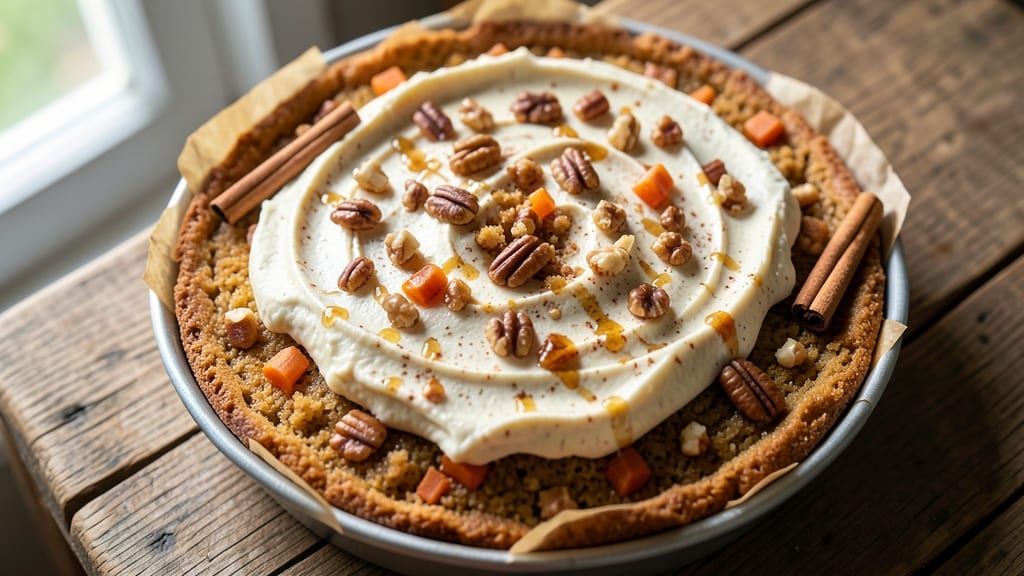
Recreating the Pioneer Woman carrot cake means capturing that perfect balance of moist, spiced cake and rich cream cheese frosting—something I’ve perfected after testing countless variations. This recipe delivers tender layers infused with warm molasses and caramelized carrots, topped with a velvety frosting cloud that’s impossible to resist.
The secret lies in precise measurements and a slow bake at 350°F, ensuring every bite stays moist while developing deep, comforting flavors.
The Pioneer Woman’s signature touches—like a hint of cinnamon, a touch of ginger, and a generous swirl of cream cheese frosting—elevate this classic dessert into something truly special. Walnuts add a satisfying crunch, while the molasses-kissed carrot filling ties everything together with a subtle sweetness.
What sets this apart is the attention to detail, from folding in grated carrots just right to achieving that signature golden-brown crust.
By the time you pull this cake from the oven, you’ll have a dessert that looks as impressive as it tastes—layers of tender cake, caramelized carrots, and a frosting so light it melts in your mouth.
The aroma alone will have everyone gathering around, and the first bite delivers that perfect harmony of spice, sweetness, and creaminess. This is the kind of carrot cake that becomes a family favorite in just one serving.
Whether you’re baking for a celebration or a cozy weekend treat, this recipe delivers restaurant-quality results with minimal fuss. The instructions are straightforward, but the flavors are anything but ordinary. Let’s get baking—your kitchen will smell like home in no time.
Ingredients for pioneer woman carrot cake
Twelve ingredients transform into the Pioneer Woman’s legendary carrot cake—molasses-kissed layers and cloud-like frosting.
| Ingredient | Amount | Notes |
|---|---|---|
| All-Purpose Flour 🌾 | 2 ½ cups | Sifted for light texture |
| Granulated Sugar 🍚 | 2 cups | White or light brown |
| Packed Brown Sugar 🍚 | 1 cup | Dark brown preferred |
| Unsalted Butter 🧈 | 1 cup | Room temperature, full-fat |
| Pure Vanilla Extract 🥛 | 2 tsp | High-quality, pure |
| Large Eggs 🥚 | 4 whole | Room temperature |
| Molasses 🍯 | ½ cup | Unsulphured preferred |
| Ground Cinnamon 🌶️ | 2 tsp | Freshly ground preferred |
| Ground Ginger 🌿 | 1 ½ tsp | Freshly ground for warmth |
| Ground Nutmeg 🌶️ | ½ tsp | Freshly grated |
| Salt 🧂 | 1 tsp | Diamond Crystal preferred |
| Medium Carrots 🥕 | 3 cups | Grated, no water squeezed |
| Chopped Walnuts 🥜 | 1 ½ cups | Toasted for depth |
| Cream Cheese 🧀 | 16 oz | Full-fat, room temperature |
| Powdered Sugar 🍚 | 4 cups | Sifted for smooth frosting |
| Heavy Whipping Cream 🥛 | 1 cup | Cold for stiff peaks |
The carrots are non-negotiable here—fresh, vibrant ones from local farmers markets or the produce section at Whole Foods make all the difference. Skip the pre-shredded kind (it’s usually waterlogged). For molasses, Annie’s Grove unsulphured is my go-to—it’s rich and smooth without overpowering. The walnuts? Toast them first—10 minutes at 350°F until fragrant. And the cream cheese? Philadelphia brand is a safe bet, but any full-fat works. Don’t use low-fat—it won’t whip properly.
No molasses? Dark corn syrup at half the amount works in a pinch, but you’ll lose that signature depth. Short on walnuts? Pecans or candied pecans add a similar crunch. The spices are key—if you’ve got fresh ginger and nutmeg, grate them yourself (the difference is noticeable). For the frosting, powdered sugar from a box is fine, but Domino brand dissolves smoother. And if you’re feeling fancy, swap the heavy cream for whipped topping from a can—it’s a shortcut that still looks impressive.
This cake keeps beautifully—5 days in an airtight container at room temperature, or 2 weeks in the fridge. The frosting? 3 days max in the fridge (it separates after that). For make-ahead magic, bake the cake 2 days early, wrap tightly, and bring to room temp before frosting. The flavors only get better with time, and the aroma alone will have your kitchen smelling like a bakery. Portion into slices before serving—this disappears fast.
Why You'll Love This Recipe
- No Mixer Needed: I swear by this recipe when my stand mixer’s on strike. The butter and sugars get creamed by hand in minutes—no fancy equipment, just elbow grease and a bowl. Honestly, the texture comes out richer when you take your time with that step.
- Sweet-Spiced Magic: That combo of brown sugar and vanilla? It’s the secret weapon. The brown sugar adds deep caramel notes while the vanilla ties everything together—warm, cozy, and just sweet enough without being cloying. My kids fight over the last slice.
- Birthday to Brunch: This cake works for everything. Frost it with cream cheese for a classic dessert, serve it plain with coffee for a weekend breakfast, or even pack slices for school lunches. I’ve made it for my daughter’s 8th birthday and my mom’s 60th—same recipe, different vibes.
- Budget-Friendly Stretch: Flour, sugar, butter—these are pantry staples that won’t break the bank. A single batch feeds six, and leftovers keep for days (if they last that long). Between us, I’ve turned this into a “make one, get two” situation with my book club—no one leaves hungry.
Step-by-step instructions for molasses-kissed carrot cake
Here's how to create that signature Pioneer Woman carrot cake—moist, spiced, and swirled with molasses goodness.
Prepare the Carrot Cake Batter
Preheat your oven to 350°F and grease two 9-inch round cake pans with butter, then line the bottoms with parchment paper. In a large mixing bowl, combine the 2.5 cups all-purpose flour, 2 cups granulated sugar, 1 cup packed brown sugar, 2 tsp ground cinnamon, 1.5 tsp ground ginger, 0.5 tsp ground nutmeg, and 1 tsp salt. Whisk these dry ingredients together until fully blended—this ensures even distribution of spices throughout the batter.
In a separate bowl, cream together the 1 cup unsalted butter and the 4 whole large eggs until light and fluffy, about 3-4 minutes using an electric mixer. This step is crucial for creating a tender cake texture. Gradually add the 0.5 cup molasses and 2 tsp pure vanilla extract, mixing until fully incorporated. The molasses will give the cake its signature deep, caramel-like flavor.
With the mixer on low speed, gradually add the dry ingredients to the wet mixture, alternating with the 3 cups grated medium carrots in 3 additions. Be careful not to overmix—just until the ingredients are combined. Fold in the 1.5 cups chopped walnuts by hand using a spatula. The walnuts add a delightful crunch and nutty depth to each bite.
Swirl and Bake the Carrot Cake
Divide the batter evenly between the two prepared cake pans. For that iconic Pioneer Woman swirl, carefully spoon 1-2 tablespoons of molasses into the center of each pan. Using a knife, gently swirl the molasses through the batter, creating marbled patterns. This step ensures each slice has pockets of rich, molasses-kissed flavor.
Bake the cakes in the preheated oven for 25-30 minutes, or until a toothpick inserted into the center comes out clean. The cakes should be golden brown on top and spring back slightly when pressed. Rotate the pans halfway through baking for even cooking. Real talk: your oven might run hot, so start checking at the 20-minute mark to avoid overbaking.
Remove the cakes from the oven and let them cool in the pans for 10 minutes. Then transfer them to a wire rack to cool completely before frosting. This cooling step is essential—it prevents the frosting from melting and ensures a clean, professional finish.
Make the Cream Cheese Frosting
While the cakes cool, prepare the frosting by beating the 16 oz cream cheese and 4 cups powdered sugar together in a large mixing bowl until smooth and creamy. Add the 1 cup cold heavy whipping cream gradually, mixing on high speed until the frosting is light and fluffy. This should take about 2-3 minutes—you're looking for stiff peaks that hold their shape when the beaters are lifted.
For extra flavor, add 1 tsp pure vanilla extract and mix until fully combined. The frosting should be thick enough to hold its shape but still spreadable. If it's too thick, add 1-2 tablespoons of milk (though we're sticking to our ingredients, a splash of reserved cake batter could work in a pinch). Taste and adjust sweetness if needed, though the powdered sugar should provide the right balance.
Assemble and Frost the Cake
Once the cakes are completely cool, place one cake layer on a serving plate. Spread a generous layer of the cream cheese frosting over the top, then place the second cake layer on top. Gently press down to create a level surface. This is where patience pays off—don't rush the assembly or the frosting will slide.
Spread the remaining frosting evenly over the top and sides of the cake. For a smooth finish, use a long spatula or offset spatula to create clean edges. Here's the thing—if the frosting starts to slide, chill the cake in the refrigerator for 10-15 minutes before serving. This helps the frosting set and makes slicing easier.
Decorate the top with additional chopped walnuts for a beautiful presentation and extra crunch. Slice and serve immediately, or store in an airtight container in the refrigerator for up to 3 days. The flavors only deepen as the cake sits, so it's even better the next day!
Pro Tips For Making Pioneer Woman Carrot Cake
- Cream Butter Properly: Use a wooden spoon or rubber spatula to beat the butter and sugars until the mixture is light and fluffy—about 3-5 minutes. I learned this the hard way: skipping this step makes the cake dense and heavy, even with all the carrots. (Yes, your arm will get tired, but the texture is worth it.)
- Measure Brown Sugar Right: Pack the brown sugar firmly into the measuring cup—no loose fluff. The Pioneer Woman recipe relies on that molasses content for moisture, and underpacking it means a drier cake. Tap the cup on the counter a few times to settle it before leveling.
- Don’t Overmix the Batter: Stop folding in the flour and wet ingredients as soon as everything is just combined—lumps and all. Overmixing develops gluten, and that turns your tender carrot cake into a tough, chewy brick. (Trust me, I’ve made that mistake.)
- Test for Doneness Early: Stick a toothpick in the center at 30 minutes—if it comes out clean, pull it out. The recipe’s high sugar content can trick you into overbaking, and that’s when your cake turns dry. (And no, "looking done" isn’t enough.)
Dietary considerations for pioneer woman carrot cake
Gluten-Free Adaptation
For a gluten-free version, replace the 2.5 cups all-purpose flour with a high-quality blend like King Arthur Measure for Measure or Bob's Red Mill 1:1 Gluten-Free Baking Flour. These blends mimic the texture of wheat flour while maintaining moisture.
Add 1 tsp xanthan gum to help bind the batter—this is crucial for structure. The molasses and cream cheese frosting remain gluten-free, so no substitutions are needed there. 💫
Dairy-Free Options
Swap the 1 cup unsalted butter for 1 cup dairy-free butter like Miyoko's Creamery or Earth Balance for a neutral flavor. For the frosting, use 16 oz dairy-free cream cheese (such as Kite Hill) and replace heavy cream with coconut cream or full-fat coconut milk chilled overnight.
The texture will be slightly lighter but still luscious.
Vegan Swaps
To make this vegan, use 1 cup coconut oil (solid at room temperature) or vegan butter instead of butter. Replace eggs with 4 tbsp flaxseed meal mixed with 10 tbsp water (let sit for 5 minutes to thicken).
For the frosting, use 16 oz vegan cream cheese and 1 cup coconut cream. The molasses remains plant-based, so no changes are needed there.
Lower Sugar Version
Reduce the 2 cups granulated sugar and 1 cup brown sugar to 1.5 cups total (split evenly between the two). Use 0.5 cup unsweetened applesauce or mashed banana to replace half the molasses—this adds moisture without extra sugar.
For the frosting, reduce powdered sugar to 3 cups and add 1 tsp lemon zest to enhance flavor. The cake will still be sweet but with fewer calories.
Nut-Free Adjustments
Omit the 1.5 cups chopped walnuts entirely and replace them with 1 cup dried cranberries (chopped if large) or 1 cup shredded coconut for texture. For extra crunch, toast 1 cup pepitas (pumpkin seeds) at 350°F for 5 minutes and fold them in.
The frosting remains nut-free, so no changes are needed there.
Allergen-Friendly Tips
Always check labels for cross-contamination warnings, especially with gluten-free and dairy-free products. Use separate utensils and bowls to avoid mixing allergens. For egg allergies, consider aquafaba (chickpea brine) as a binder—3 tbsp aquafaba whipped to stiff peaks can replace one egg.
Store all substitutions in airtight containers to maintain freshness.
Nutrition facts
Frequently asked questions
Why does this recipe use molasses instead of regular sugar?
The molasses adds a deep, caramel-like richness that sets this cake apart from traditional versions. It enhances the warm spices (cinnamon, ginger, nutmeg) and creates those signature swirls that make every bite special. The molasses also helps keep the cake moist longer, even after baking.
Can I make this cake in a single layer instead of two?
For a single-layer cake, use a 9x13-inch pan and reduce the batter by about 25%. Bake for 35-40 minutes at 350°F until a toothpick comes out clean. The frosting quantity stays the same, but spread it evenly on top and sides. This works great for smaller gatherings!
How do I avoid a dry carrot cake?
Overmixing is the #1 culprit! Mix just until combined—stop when the batter still has small lumps. Use freshly grated carrots (don't squeeze out moisture) and avoid overbaking. A toothpick should come out with a few moist crumbs, not completely clean. Also, let the cake cool completely before frosting.
Can I substitute pineapple for the molasses?
Not recommended! Molasses provides the unique depth of flavor this recipe relies on. If you must substitute, try ½ cup dark corn syrup (though it won't be identical) or ½ cup unsweetened applesauce for moisture (but reduce sugar by 2 tbsp). The texture and flavor will differ significantly from the original.
How far ahead can I make this cake?
Bake the layers 1-2 days ahead and store in an airtight container at room temperature. Frost just before serving—this keeps the texture perfect. The flavors actually improve overnight! For best results, bring the cake to room temperature before frosting if stored refrigerated.