
Desserts
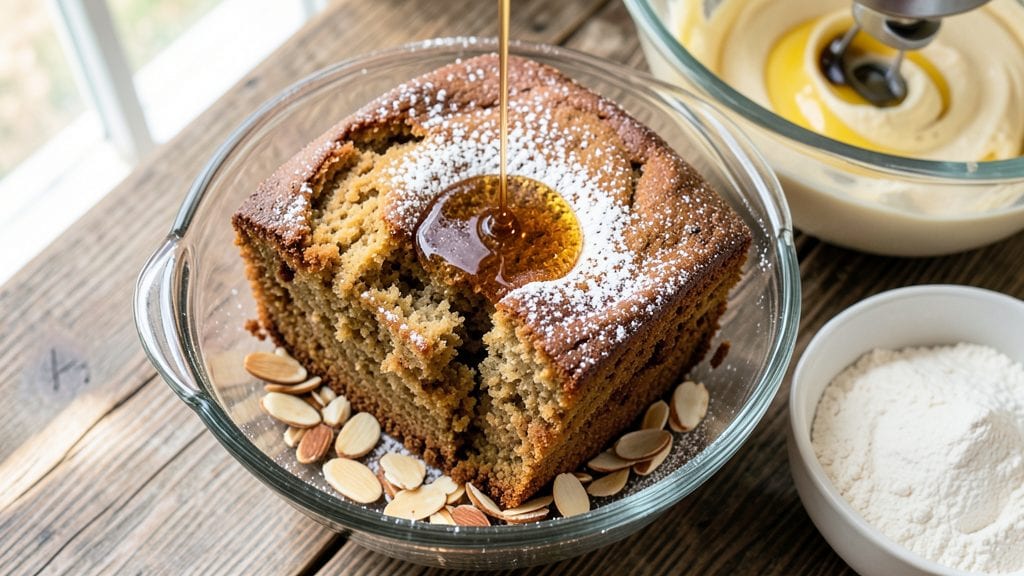
The Pioneer Woman pound cake recipe delivers the kind of old-fashioned vanilla swirls and buttery crunch that feels like a warm hug from the Midwest.
This classic dessert has been a staple in American baking for generations, and its foolproof method ensures every slice turns out tender, moist, and perfectly golden. The secret lies in precise measurements and a gentle swirl of vanilla that creates those iconic ribbons of flavor.
What makes this recipe stand out is its balance of simplicity and tradition—no fancy equipment, just a bowl, a whisk, and a reliable oven. The cake’s signature layers of vanilla buttercream and tender crumb come together with just 10 minutes of active prep and 45 minutes of baking time.
It’s the kind of dessert that tastes even better the next day, making it perfect for holidays, potlucks, or a cozy Sunday afternoon.
Each slice offers a harmonious blend of rich, buttery layers and velvety vanilla swirls, all encased in a crisp, golden crust. The recipe’s historical roots trace back to pioneer-era baking, where resourcefulness and simplicity were key—yet it still delivers restaurant-quality results in your home oven.
Whether you’re baking for a crowd or treating yourself, this cake never disappoints.
For those who love tradition with a modern twist, variations like chocolate swirl or citrus zest can elevate the classic flavor. The instructions walk you through every step, from mixing the batter to testing for doneness, so even beginners can achieve bakery-perfect results. Let’s get started on this timeless dessert!
Ingredients for pioneer woman pound cake
Twelve simple ingredients for a classic vanilla swirl pound cake with golden crust and tender layers.
| Ingredient | Amount | Notes |
|---|---|---|
| All-Purpose Flour 🌾 | 3 cups | Sifted for even texture |
| Unsalted Butter 🧈 | 1 ½ cups | Cold, cubed for creaming |
| Granulated Sugar 🍚 | 2 cups | White or light brown |
| Pure Vanilla Extract 🌸 | 2 tbsp | High-quality, pure vanilla |
| Large Eggs 🥚 | 4 whole | Room temperature for blending |
| Baking Powder 🧂 | 2 tsp | Aluminum-free preferred |
| Salt 🧂 | ½ tsp | Fine sea salt |
| Milk 🥛 | 1 cup | Whole milk preferred |
| Vanilla Buttercream Frosting 🍰 | 2 cups | Store-bought or homemade |
| Vanilla Bean Seeds 🌸 | 1 tbsp | Scraped from 1 vanilla bean |
| Powdered Sugar 🍚 | 2 cups | For buttercream |
| Heavy Whipping Cream 🥛 | 1 cup | Cold for buttercream |
The butter and flour are the foundation. Use European-style butter (like Plugrá or Land O’Lakes) for higher fat content—it creates that signature crumb. Sift the flour to avoid dense cake, and measure by weight if possible for precision. For the vanilla, Madagascar bourbon beans from specialty stores add depth, but a good extract works too. The eggs should be room temperature; cold eggs can cause lumps. If your buttercream needs extra stability, add 1 tsp corn syrup to the powdered sugar before mixing.
No vanilla bean? Double the extract and add a pinch of cinnamon for warmth. Substitute milk with heavy cream or buttermilk for richness, but whole milk keeps it classic. For the buttercream, store-bought like Betty Crocker saves time, but homemade with vanilla bean seeds is worth the effort. If your frosting separates, whip in 1 tbsp softened butter to bring it back together. The powdered sugar should be sifted to avoid graininess—Bob’s Red Mill is a reliable brand.
Store the cake layers in an airtight container with parchment between them for up to 3 days. The buttercream keeps for 2 weeks refrigerated, but bring it to room temperature before whipping. For best results, assemble the cake 1 day ahead—the flavors meld beautifully. Freeze the cake in slices for up to 1 month, thawing at room temperature before serving. The vanilla bean seeds can be reused in coffee or oatmeal after scraping.
Why You'll Love This Recipe
- No Mixer Needed: I swear by this recipe when I’m in a hurry—just cream butter and sugar by hand until it’s light, then fold in the dry ingredients. The eggs bind everything together like magic, and honestly? It’s foolproof even if you’re not a baking pro.
- Butter-Sugar Bliss: That rich, creamy butter folded into the sugar? It’s the star here. The vanilla extract adds just the right whisper of warmth, and the result is a cake that’s tender, moist, and so satisfying you’ll want to eat it straight from the pan.
- Weekday to Weekend: This cake is my go-to for breakfast, dessert, or even a quick snack. Slice it for a hearty brunch with jam, or serve it with coffee—it’s that versatile. And between us? It’s the perfect make-ahead treat for potlucks or holiday gatherings.
- Budget-Friendly Staples: All you need are pantry basics—flour, butter, sugar, eggs, and vanilla—and it stretches farther than you’d think. A single batch keeps well for days, and the leftovers? They disappear fast when sliced thin for toast or crumbled over yogurt.
Step-by-step instructions for Pioneer Woman pound cake
Here's the method for achieving that signature buttery crunch and rich vanilla swirl.
Prepare the Dry and Wet Ingredients Separately
In a medium bowl, whisk together the 3 cups all-purpose flour, 2 tsp baking powder, and 0.5 tsp salt. Sift the mixture through a fine-mesh sieve directly into the bowl to eliminate any lumps. This ensures an even texture throughout the cake. Set aside until ready to use.
In a separate large bowl, combine the 2 cups granulated sugar and 1 cup milk. Whisk until the sugar is completely dissolved and the mixture is smooth. This step prevents graininess in the final cake batter.
Cream the Butter and Add Eggs
In the bowl of a stand mixer fitted with the paddle attachment, beat the 1.5 cups cold, cubed unsalted butter on medium speed until light and fluffy, about 3-4 minutes. You'll see the butter increase in volume and become pale in color. This creaming process incorporates air, which creates a tender crumb.
Add the 4 whole large eggs, one at a time, mixing well after each addition. Scrape down the sides of the bowl as needed to ensure all ingredients are fully incorporated. The mixture should be thick and ribbon-like at this stage.
Combine Wet and Dry Ingredients
Gradually add the sifted dry ingredients to the butter mixture while mixing on low speed. Alternate with the 1 cup milk and sugar mixture, beginning and ending with the dry ingredients. Mix just until combined—do not overmix. Overmixing develops gluten, which can result in a tough cake.
Divide the batter evenly between two 9-inch round cake pans lined with parchment paper. Smooth the tops with a spatula. For the signature swirl, drop spoonfuls of the vanilla buttercream frosting onto each cake layer, then swirl gently with a knife to create marbled patterns.
Bake Until Golden and Springy
Preheat the oven to 350°F. Bake the cakes for 25-30 minutes, or until a toothpick inserted into the center comes out clean and the tops are golden brown. Rotate the pans halfway through baking for even browning. The cakes should spring back slightly when pressed in the center.
Once baked, remove the cakes from the oven and let them cool in the pans for 10 minutes. Transfer to a wire rack to cool completely before frosting. This resting period prevents the cakes from cracking as they cool.
Frost and Decorate with Vanilla Bean Seeds
Spread the remaining 2 cups vanilla buttercream frosting evenly over the cooled cake layers. For added elegance, sprinkle the 1 tbsp vanilla bean seeds over the top of the frosting. These seeds add a subtle vanilla aroma and a touch of sophistication.
Chill the cake in the refrigerator for at least 30 minutes before serving to allow the frosting to set. This ensures clean slices and a polished presentation. The final result should be a moist, buttery cake with a rich vanilla flavor and a perfect swirl pattern.
Pro Tips For Making Pioneer Woman Pound Cake
- Cream Butter and Sugar Longer: I used to mix this for 3 minutes—turns out, 5-6 minutes until the butter looks like wet sand is the thing that matters most. The Pioneer Woman recipe relies on this step for that signature tender crumb, so don’t rush it (yes, even if you’re impatient like me).
- Sift the Flour Twice: After burning three batches with lumps, I finally figured out that sifting the flour before folding it in—and giving the bowl a quick second sift halfway through—keeps the cake light. This recipe isn’t forgiving if you skip it.
- Don’t Overmix the Eggs: Beat the eggs just until they’re pale and thick, but stop before they get frothy. I learned this the hard way—overmixing adds gluten, and suddenly your pound cake turns dense instead of buttery. Tap the whisk lightly against the bowl to test consistency.
- Use Room-Temp Eggs and Butter: Sounds weird, but it works: cold butter and eggs from the fridge make the batter fight you. Let both sit out for 30-45 minutes before starting—this recipe’s creaming step needs them to blend smoothly, not clump. (Your future self will thank you.)
Regional styles of pioneer woman pound cake
Midwest Classic
The original Pioneer Woman pound cake hails from the heartland, where resourcefulness and simplicity reigned supreme. This version stays true to its roots with a golden crust and tender crumb, using just a few pantry staples like butter, sugar, and vanilla.
The recipe’s origins reflect pioneer-era baking, where every ingredient was precious, yet the results were always comforting. I’ve baked this version countless times—it’s the one my grandmother swore by for Sunday suppers. 🏡
Southern Buttercream Twist
In the South, pound cakes often get a richer treatment with extra butter and a thicker frosting. For this variation, increase the buttercream to 2.5 cups and add ½ cup sour cream to the batter for extra moisture.
The frosting becomes ultra-smooth, almost like a mousse, and pairs perfectly with the cake’s buttery layers. I like to dust the top with powdered sugar for a snowy finish—it’s a nod to Southern hospitality. 🍯
New England Spiced Version
Up north, spices like cinnamon and nutmeg make their way into pound cakes for warmth and depth. Add 1 tsp ground cinnamon and ½ tsp ground nutmeg to the dry ingredients, and fold in ½ cup chopped pecans for texture.
The frosting stays classic vanilla, but the spices give it a cozy, autumnal vibe. This version is a crowd-pleaser at Thanksgiving gatherings. 🍂
Texas-Style Chocolate Swirl
For a bold twist, replace 1 cup of the vanilla buttercream with chocolate ganache made from ½ cup heavy cream and 4 oz dark chocolate. Swirl the two together in the cake batter for a marbled effect.
Top with crushed pecans and a drizzle of melted chocolate. This version is decadent but still light enough to slice generously. I’ve served it at BBQ cookouts, and it’s always a hit. 🌶️
Citrus Zest Variation
Brighten up the classic with lemon or orange zest—just 1 tsp folded into the batter. The citrus cuts through the richness, making it perfect for spring or summer. Pair with a light lemon glaze (powdered sugar + lemon juice) for extra freshness.
This version is lighter but still packed with flavor, ideal for brunch or afternoon tea. 🍋
Modern Gluten-Free Adaptation
For those avoiding gluten, swap the all-purpose flour for a 1:1 gluten-free baking blend (like Bob’s Red Mill). Add ½ cup almond flour for structure, and increase the milk to 1.25 cups to keep the batter moist.
The texture stays tender, though slightly denser. This version proves the classic can be adapted without sacrificing flavor. 🌱
Nutrition facts
Frequently asked questions
Why does this pound cake need to rest before frosting?
Resting the cake for 10 minutes in the pan prevents cracking as it cools completely. This allows the layers to set properly, ensuring clean slices and a stable structure for frosting. Skipping this step can lead to crumbly edges or uneven layers when spreading the buttercream.
Can I bake this cake in a different pan size?
Yes, but adjust the baking time. For a 9x13-inch pan, bake 30-35 minutes at 350°F until a toothpick comes out clean. For 8-inch pans, reduce time to 20-25 minutes. Always check for doneness early—smaller pans bake faster. The key is the internal temperature: 205-210°F at the center.
What’s the best way to store leftover pound cake?
Wrap each layer tightly in plastic wrap, then place in an airtight container with parchment between layers. Store at room temperature for 3 days or refrigerate for 1 week. For longer storage, freeze slices wrapped individually for up to 3 months. Thaw at room temperature before serving to restore texture.
How do I fix a cake that’s too dense or dry?
Overmixing or using old baking powder usually causes density. For future attempts, mix dry ingredients just until combined and avoid overcreaming the butter. To revive a dry cake, brush slices with simple syrup (equal parts sugar and water, heated) before serving. For a dense texture, try adding 1 tbsp sour cream or yogurt to the batter next time.
Can I make this cake without a stand mixer?
Use a hand mixer or even a sturdy whisk. Cream the butter and sugar by hand for 5-7 minutes until light and fluffy, then proceed with the recipe as written. Just be extra patient—hand-creaming requires more elbow grease but works perfectly. The key is patience and consistent mixing.