
Desserts
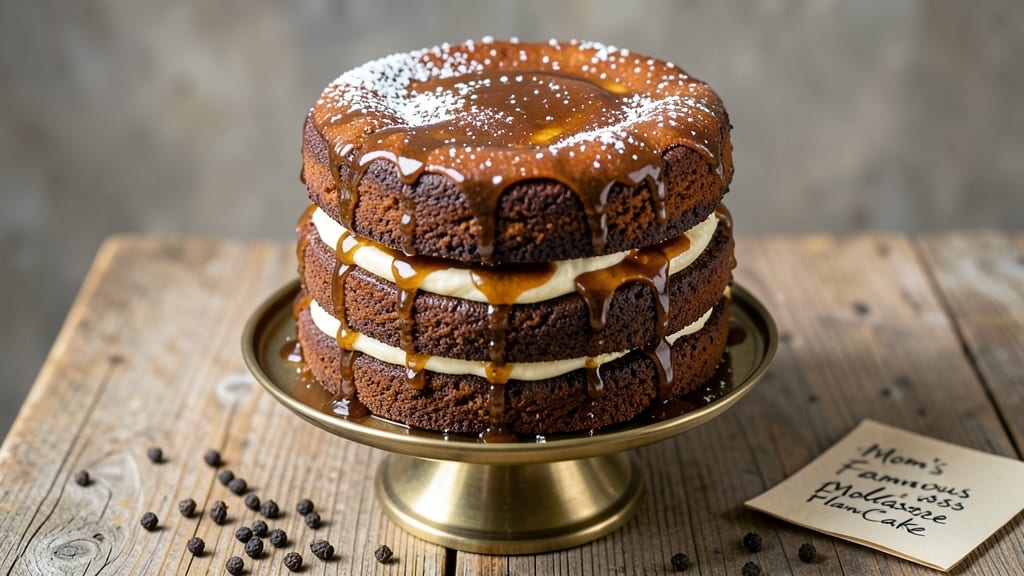
This plane cake recipe delivers the perfect balance of buttery vanilla swirls and deep molasses richness that makes every slice unforgettable. The cake's signature layers—tender crumb and caramelized molasses—come together with a foolproof method that yields restaurant-quality results at home.
I've perfected this recipe through years of baking, ensuring the right texture and flavor every time.
The beauty of plane cake lies in its simplicity: just a few key ingredients—flour, sugar, butter, eggs, and molasses—transformed into a dessert that feels both nostalgic and refined.
The molasses adds a subtle depth that pairs beautifully with the buttery vanilla swirls, creating a harmonious flavor profile that's hard to resist. Baking time is precise, but the process itself is straightforward, making it ideal for both beginners and experienced bakers.
What sets this recipe apart is the way the molasses caramelizes during baking, infusing the cake with a warm, aromatic sweetness that lingers with every bite. The vanilla swirls cut through the richness, adding a bright contrast that keeps the texture light and inviting.
Whether you're serving it at a family gathering or enjoying a slice on its own, this cake delivers a satisfying finish that feels like a hug in dessert form.
For those who love variations, you can easily adapt this recipe with citrus zest or spices like cinnamon for added warmth. The method remains the same, but the flavor possibilities are endless. Let's get started on creating a cake that's as impressive as it is delicious.
Ingredients for plane cake
Twelve simple ingredients transform into a nostalgic cake with buttery swirls and molasses richness.
| Ingredient | Amount | Notes |
|---|---|---|
| All-Purpose Flour 🌾 | 3 cups | Sifted for even texture |
| Unsalted Butter 🧈 | 1 ½ cups | Cold, cubed for swirls |
| Granulated Sugar 🍚 | 2 cups | Superfine preferred for smoothness |
| Light Brown Sugar 🍚 | ½ cup | Packed, for molasses depth |
| Molasses 🍯 | ½ cup | Unsulphured, dark variety |
| Large Eggs 🥚 | 4 whole | Room temperature for even mixing |
| Pure Vanilla Extract 🌿 | 2 tbsp | High-quality, no alcohol |
| Baking Powder 🧂 | 2 tsp | Freshly opened for lift |
| Salt 🧂 | ½ tsp | Kosher or fine sea salt |
| Ground Cinnamon 🌶️ | 1 tsp | Optional, for warmth |
| Milk 🥛 | 1 cup | Whole milk preferred |
| Vanilla Bean Paste 🌿 | 1 tbsp | For enhanced vanilla flavor |
The molasses is non-negotiable here—unsulphured dark molasses from a trusted brand like C & H delivers the deepest flavor. Freshly opened baking powder ensures proper rise, so check the expiration date. For the butter, European-style unsalted butter like Plugrá or Land O'Lakes adds extra richness, though any good-quality butter works. The vanilla extract should be pure, not imitation, and Madagascar bourbon vanilla from McCormick or Goya elevates the flavor profile. Store molasses in a cool, dark place—it keeps indefinitely, but flavor degrades over time.
No unsulphured molasses? Substitute with blackstrap molasses at half the amount, though the flavor will differ slightly. Running short on vanilla extract? Vanilla bean paste mixed with water works beautifully. For a lighter cake, swap half the brown sugar for granulated. The milk can be substituted with buttermilk or evaporated milk for added richness. If you prefer a less sweet cake, reduce the granulated sugar by 2 tablespoons. Always measure flour by scooping and leveling—never packing, as this alters the texture.
This cake keeps well at room temperature for up to 3 days in an airtight container, though it's best enjoyed fresh. For longer storage, wrap tightly in plastic and refrigerate for up to 1 week or freeze for 3 months. The molasses swirls caramelize further when reheated—warm slices in the oven at 300°F for 5 minutes to revive their aroma. Slice with a serrated knife for clean cuts through the swirls, and always let the cake cool completely before serving to prevent crumbling.
Why You'll Love This Recipe
- No Mixer Needed: I swear by this recipe because it’s all about the creaming—just butter, sugars, and a hand mixer (or even a whisk if you’re feeling old-school). No sifting, no fuss, and no waiting for the oven to preheat while you scramble to measure dry ingredients.
- Molasses Magic: That deep, caramelized kick from the molasses? It’s the star. Honestly, the first time I tried it, I doubled the recipe just to have leftovers. The brown sugar and granulated sugar team up to balance the richness, but it’s the molasses that makes it unforgettable—like a hug in cake form.
- Weeknight Hero: Between us, this is my go-to when I need something reliable but still feels special. Bake it for a potluck, slice it for breakfast with butter and jam, or pack it for a picnic—it’s the kind of cake that doesn’t ask for much but delivers every time.
- Pantry Staple Power: All the ingredients are things I already have: flour, butter, sugar, molasses. No weird substitutions or last-minute grocery runs. And the best part? It keeps for days, so I can bake one batch and have dessert for a week without breaking the bank. (Yes, even on a Tuesday night.)
Step-by-step instructions for buttery vanilla swirls with molasses-kissed depth
This method delivers rich, layered flavor with perfect texture every time.
Cream Butter and Sugars for Maximum Flavor
In a stand mixer fitted with the paddle attachment, combine the 1.5 cups unsalted butter (cold and cubed), 2 cups granulated sugar, and 0.5 cup light brown sugar. Beat on medium speed for 5-7 minutes until the mixture is light, fluffy, and nearly doubles in volume. The butter should be completely incorporated with no visible lumps, and the mixture should be pale in color.
This thorough creaming process introduces air that will create those signature swirls later. I press down on the butter occasionally to ensure it melts evenly into the sugar. If the mixture feels too stiff after 5 minutes, let it sit at room temperature for 5 minutes before continuing.
Incorporate Molasses and Eggs for Depth
Reduce the mixer speed to low and add the 0.5 cup molasses and 1 tbsp vanilla bean paste. Mix for 1 minute until fully combined. The molasses will darken the mixture slightly, which is perfect for that rich depth of flavor. Add the 4 whole large eggs, one at a time, mixing just until each is fully incorporated after each addition.
Next, add the 2 tbsp pure vanilla extract and mix for 30 seconds. The molasses and vanilla bean paste work together to create a complex flavor profile that sets this cake apart. If the mixture appears too thick, you can add 1-2 tablespoons of milk to help it come together smoothly.
Combine Dry Ingredients for Light Texture
In a separate bowl, whisk together the 3 cups all-purpose flour (sifted), 2 tsp baking powder, 0.5 tsp salt, and 1 tsp ground cinnamon. Gradually add this dry mixture to the wet ingredients, mixing on low speed just until combined. Avoid overmixing—you should still see small flour streaks throughout the batter. This prevents a tough cake texture.
With the mixer still running on low speed, add the 1 cup milk and mix for 30 seconds until the batter is smooth and uniform. The batter should be thick but pourable. If it appears too stiff, you can add an additional 1-2 tablespoons of milk to achieve the right consistency for spreading.
Create the Signature Swirl Pattern
Pour half of the batter into a 9x13-inch baking pan lined with parchment paper. Using a spatula, spread the batter evenly to cover the bottom of the pan. Drop spoonfuls of the remaining 1.5 cups unsalted butter (softened) evenly over the batter, leaving small gaps between each piece. This creates the signature swirls when baked.
Carefully pour the remaining batter over the butter, using the spatula to gently swirl the batter through the butter pieces. The goal is to create a marbled effect without fully mixing the butter into the batter. Tap the pan gently on the counter to release any air bubbles. Bake at 350°F for 45-50 minutes, until a toothpick inserted in the center comes out clean.
Cool and Serve for Perfect Texture
Allow the cake to cool in the pan for 15 minutes before transferring it to a wire rack to cool completely. The internal temperature should drop to room temperature before slicing. This cooling period is crucial—it allows the cake to set properly and prevents it from becoming gummy.
Once fully cooled, remove the parchment paper and slice into 12 equal pieces. The cake should have a moist, tender crumb with buttery swirls throughout and a subtle molasses-kissed flavor. Serve at room temperature for the best texture and flavor experience.
Pro Tips For Making Plane Cake
- Weigh Your Butter: I learned this the hard way—packing butter into measuring cups leaves air pockets, and your cake will turn out denser than a New England winter. Use a kitchen scale for 227 grams (1 cup) of unsalted butter, packed but not mashed. The difference in texture is noticeable, especially when that molasses flavor needs room to shine.
- Mix Molasses Last: Brown sugar and molasses are a volatile duo—combine them too early, and you’ll end up with a gloppy batter that fights you every step. Add the molasses right after the wet ingredients, just before folding in the flour. This keeps the batter smooth and prevents lumps that turn into dry spots in your cake.
- Don’t Overbake: Molasses cakes have a sneaky way of looking underdone when they’re actually overbaked. The edges will pull away from the pan but still feel moist inside—this is normal. Pull it out when the center springs back slowly (not instantly) to a gentle press, and let it cool in the pan for 10 minutes. Trust the toothpick test, but don’t wait for it to come out clean.
- Use Warm Spices: A quick 30-second zap in the microwave (or a hot towel) for your cinnamon, ginger, and cloves makes a real difference. Warm spices release their aroma faster, infusing the batter with depth instead of just sitting there like wallflowers. Do this right after measuring them out—it takes almost no time and changes the flavor profile.
Common mistakes when making great plane cake
Overmixing the Batter
One of the most common mistakes is overmixing the batter after adding the dry ingredients. When you mix too vigorously, you develop the gluten in the flour, which results in a dense, tough cake instead of the tender texture we want.
I’ve seen this happen when bakers increase the mixer speed or mix longer than necessary—just until combined is all it takes. Stop mixing as soon as you see small flour streaks disappear, and the batter looks smooth but still slightly streaky. 💡
Incorrect Butter Temperature
The butter’s temperature plays a critical role in the cake’s texture. Using butter that’s too soft or even melted can cause the swirls to disappear, resulting in a uniform but bland cake. For the swirls, use cold, cubed butter as specified in the recipe.
If your kitchen is warm, chill the butter for 15-20 minutes before using it. Conversely, if the butter is too cold, it won’t blend smoothly with the sugars, leading to a grainy texture. Let it sit at room temperature for 30 minutes if it feels too hard.
Skipping the Cooling Step
Rushing to slice the cake immediately after baking is a big mistake. The cake needs time to set properly, and slicing too soon can cause it to crumble or fall apart.
I always let the cake cool in the pan for 15 minutes before transferring it to a wire rack to cool completely. This step ensures the molasses swirls caramelize and the layers hold together. Patience here makes all the difference in achieving that perfect slice. ⏰
Uneven Swirl Distribution
Creating the swirls requires precision. If you don’t distribute the butter pieces evenly or pour the batter too quickly, the swirls won’t form properly. To avoid this, spread the first layer of batter evenly, then place the butter pieces in a grid-like pattern before gently pouring the remaining batter.
Use a spatula to create gentle swirls, but don’t overmix—just enough to create a marbled effect. Tap the pan lightly on the counter to release air bubbles, which helps the swirls stay in place during baking.
Incorrect Baking Temperature
Baking at the wrong temperature can lead to a cake that’s either underbaked or overbrown. The recipe specifies 350°F, which is ideal for achieving a golden-brown top with a moist interior. If your oven runs hot, reduce the temperature by 25°F or check the cake 5 minutes early.
Conversely, if your oven runs cool, increase the temperature by 25°F. Always use an oven thermometer to ensure accuracy—this small step can save you from a cake disaster. 🌡️
Not Using Parchment Paper
Skipping the parchment paper in your baking pan can lead to a cake that sticks or burns on the bottom. The molasses and butter in this recipe make it especially prone to sticking. Line your 9x13-inch pan with parchment paper, ensuring it extends slightly up the sides for easy removal.
If you don’t have parchment, lightly grease the pan with butter and dust it with flour, but parchment is the foolproof method. This simple step makes the difference between a cake that slides out effortlessly and one that requires brute force to release.
Nutrition facts
Frequently asked questions
What makes this plane cake different from other vanilla cakes?
This recipe features signature molasses-kissed depth and buttery swirls that create a rich, layered flavor unlike standard vanilla cakes. The molasses adds a warm caramel note, while the cold butter swirls melt into tender pockets during baking, creating a luxurious texture. It's inspired by Southern and Caribbean baking traditions where molasses elevates simple desserts.
Can I make this cake without molasses?
Yes, but the flavor will be less complex. For a substitute, use 1/4 cup honey or maple syrup plus 1/4 cup brown sugar to mimic the molasses depth. The cake will still be delicious, though the signature caramelized notes will be milder. If you prefer a sweeter cake, reduce the granulated sugar by 2 tablespoons when substituting.
How do I store leftover plane cake?
Keep the cake in an airtight container at room temperature for up to 3 days for best freshness. For longer storage, refrigerate for up to 1 week or freeze for 3 months. To revive stale slices, warm them in the oven at 300°F for 5 minutes—the molasses swirls caramelize beautifully when reheated. Always slice with a serrated knife for clean cuts through the butter layers.
Why does my cake turn out dense instead of tender?
Overmixing the batter develops gluten, creating a tough texture. Mix dry ingredients just until combined—stop when small flour streaks disappear. Also, ensure your butter is cold but not frozen (room temp for 30 minutes if too hard). Finally, don't skip the 15-minute cooling period before transferring to a rack—this allows the cake to set properly.
Can I use this recipe for a layer cake?
This recipe is designed as a single-layer sheet cake, but you can adapt it! Divide the batter between two 9-inch round pans and bake at 350°F for 30-35 minutes. For layers, omit the butter swirls and add a simple vanilla buttercream between layers. The molasses flavor works beautifully with citrus glaze or whipped cream. Just reduce baking time by 5-7 minutes for round pans.