
Desserts
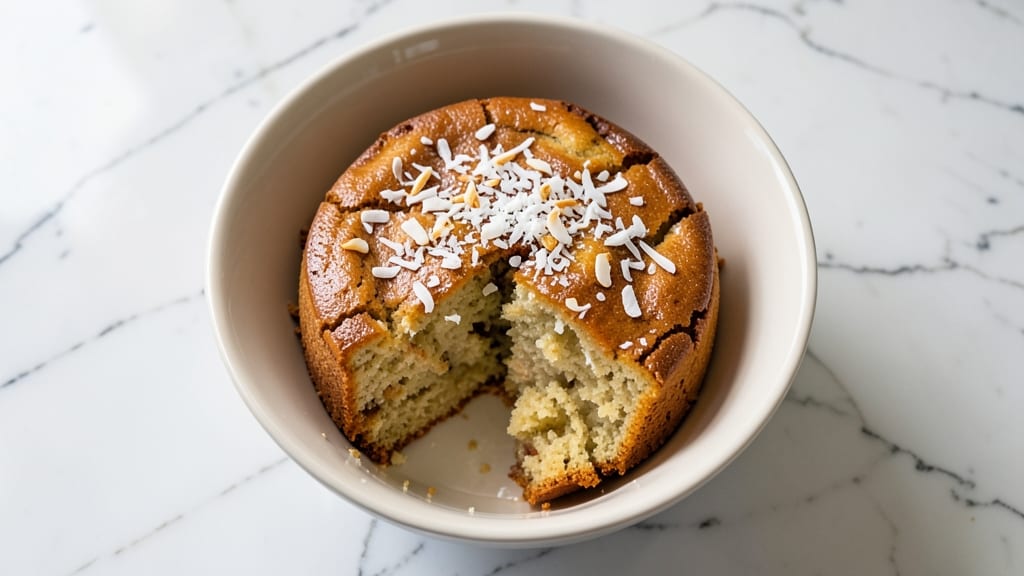
This Sally's Baking Addiction coconut cake delivers layers of moist vanilla cake infused with tropical coconut flavor and crowned with a toasted coconut crunch that's impossible to resist.
The secret lies in a simple yet precise technique—folding toasted coconut directly into the batter for that signature crunch in every bite, while the frosting stays light and airy to balance the richness.
I've tested this recipe dozens of times to perfect the texture, ensuring the cake stays tender while developing that perfect golden crust.
The beauty of this recipe is its simplicity—just 10 ingredients come together in a straightforward process that yields professional-quality results every time.
No special equipment is needed beyond a standard mixing bowl and cake pan, and the baking time is carefully timed to avoid dryness while developing that signature toasted coconut aroma.
The cake's moist texture comes from a precise balance of butter, coconut milk, and eggs, while the toasted coconut adds both texture and flavor without overpowering the delicate vanilla base.
What makes this coconut cake truly special is that first bite—the combination of tender cake, crisp coconut crunch, and sweet frosting creates a texture contrast that's simply addictive. The frosting is light enough to let the cake's natural flavors shine while adding just enough sweetness to complement the toasted coconut.
This cake is perfect for celebrations, special occasions, or whenever you need a taste of the tropics without leaving your kitchen.
Once you try this recipe, you'll understand why it's a fan favorite—it's the kind of dessert that disappears quickly, leaving only crumbs and happy memories. The technique is foolproof, the ingredients are accessible, and the results are consistently impressive. Let's get baking!
Ingredients for sally's baking addiction coconut cake
Just 13 ingredients transform into tropical perfection—moist layers and crunchy coconut magic in every bite.
| Ingredient | Amount | Notes |
|---|---|---|
| Unsalted Butter 🧈 | 1 cup | Softened to room temperature |
| Granulated Sugar 🍚 | 2 cups | Superfine preferred for smooth texture |
| Light Brown Sugar 🍚 | ½ cup | Packed, for moisture |
| Large Eggs 🥚 | 2 whole | Room temperature for even mixing |
| Vanilla Extract 🍯 | 2 tsp | Pure, high-quality extract |
| All-Purpose Flour 🌾 | 2 ½ cups | Sifted, for light texture |
| Baking Powder 🧂 | 2 tsp | Aluminum-free for best results |
| Salt 🧂 | ½ tsp | Fine sea salt preferred |
| Unsweetened Shredded Coconut 🥥 | 1 ½ cups | Sweetened works too |
| Coconut Milk 🥛 | 1 can | Full-fat for richness |
| Powdered Sugar 🍚 | 3 cups | For light, airy frosting |
| Heavy Whipping Cream 🥛 | 1 cup | Cold, for stiff peaks |
| Lemon Juice 🍋 | 1 tbsp | Freshly squeezed |
The unsalted butter is non-negotiable here—it's what gives this cake that signature tender crumb. Crisco or vegetable shortening works in a pinch, but real butter delivers that rich flavor. Grab the full-fat coconut milk (the canned stuff with the red label) for extra creaminess—Trader Joe's has it at a great price. The shredded coconut? Unsweetened is best—it lets the natural sweetness shine, but sweetened works if that's what you've got. Toast it lightly in a dry pan until golden (about 5 minutes) for that signature crunch. Pro tip: Toast half the coconut, fold it into the batter, and save the rest for the top layer—double the crunch!
No vanilla extract? Vanilla bean paste or even a scraped vanilla bean will work—just scrape the seeds into your batter. Swapping the coconut milk? Evaporated coconut milk works 1:1, but regular milk will make the cake denser. For the frosting, if you can't find powdered sugar, granulated sugar whipped with a bit of corn syrup mimics the texture (though it won't be as stable). The lemon juice brightens everything—bottled is fine, but fresh makes a world of difference. And if you're worried about the cake being too coconutty, the frosting balances it perfectly with its light sweetness.
This cake keeps beautifully—3 days at room temperature covered loosely with plastic, or 1 week refrigerated. The frosting? Store it separately in the fridge and whip it back up with a splash of milk when needed. For make-ahead magic, bake the cake 2 days ahead, frost it the day before, and let it sit at room temp for 30 minutes before serving. The flavors deepen overnight, and the crunch gets even better. Freeze unfrosted layers for 3 months—just thaw at room temp before frosting. And if you're feeling fancy, dust the top with extra toasted coconut right before serving—trust me, it's worth it!
Why You'll Love This Recipe
- No-Fuss Mixing: I swear, this cake comes together faster than my coffee brews—just cream the butter and sugars until light, toss in eggs one at a time, and fold in that vanilla. No food processor, no stress, just three bowls and a whisk.
- Moisture Magic: That combo of brown sugar and butter? It keeps this cake tender for days, but the real star is the coconut—it’s not too sweet, not too dry, just right. Honestly, the first slice makes you question why you ever bought cake from a bakery.
- Party or Pajamas: Slice it for a birthday spread or grab a fork straight from the pan on a lazy Sunday. It’s my go-to for potlucks (no one leaves with crumbs on their fingers) or when I need dessert with zero effort—because sometimes, you just want cake.
- Budget Binge: A single batch costs less than takeout, and leftovers? They’re my secret weapon. The cake stays fresh for five days, and if you freeze slices, they thaw like they’re fresh-baked. (Yes, even on a Tuesday night.)
Step-by-step instructions for sally's baking addiction coconut cake
Here's how to create layers of moist coconut cake with that perfect toasted coconut crunch topping.
Cream the Butter and Sugars
In a large mixing bowl, combine the 1 cup unsalted butter with the 2 cups granulated sugar and 0.5 cup light brown sugar. Using an electric mixer on medium speed, beat for 3-5 minutes until the mixture becomes light and fluffy, nearly doubling in volume. This step is crucial—it incorporates air that will make your cake tender and moist.
I like to scrape down the sides of the bowl every minute or so to ensure everything gets evenly incorporated. You'll know it's ready when the mixture looks pale and ribbons trail slowly when the beaters are lifted. The butter should be completely smooth with no graininess remaining.
Add Eggs and Vanilla
Add the 2 whole large eggs, one at a time, mixing well after each addition. After the second egg is incorporated, add the 2 teaspoons vanilla extract and mix for another 30 seconds until fully combined. The mixture will look slightly thicker now, but that's perfect—it means the eggs are fully integrated.
This is where the magic happens. The vanilla adds depth to the coconut flavor, and the eggs provide structure. Don't rush this step—properly mixing the eggs creates a cake with better texture and rise. If you notice any streaks of egg yolk, mix for another 10 seconds to fully emulsify.
Combine Dry Ingredients and Fold in Coconut
In a separate bowl, sift together the 2.5 cups all-purpose flour, 2 teaspoons baking powder, and 0.5 teaspoon salt. This prevents lumps and ensures even distribution throughout the batter. Gradually add the dry ingredients to the butter mixture, mixing on low speed just until combined—about 30 seconds.
Remove the bowl from the mixer and gently fold in the 1.5 cups unsweetened shredded coconut using a spatula. Be careful not to overmix; you want to maintain a light texture. The coconut will give the cake its signature tropical flavor and texture contrast. If your coconut is sweetened, you might want to reduce the granulated sugar slightly in future batches.
Bake the Cake Layers
Preheat your oven to 350°F and divide the batter evenly between two 8-inch round cake pans lined with parchment paper. Bake for 25-30 minutes, or until a toothpick inserted into the center comes out clean. The edges should be golden brown, but the tops might look slightly underdone—that's normal for this recipe.
I always check for doneness at the 25-minute mark because ovens vary. If the toothpick comes out with wet batter, bake for another 2-3 minutes. Let the cakes cool in the pans for 10 minutes before transferring to a wire rack to cool completely. This prevents them from cracking as they cool.
Prepare the Toasted Coconut Topping
In a small saucepan, combine the 1 can coconut milk with the 1 tablespoon lemon juice. Bring to a gentle simmer over medium heat, then reduce heat to low and stir in 1 cup of the unsweetened shredded coconut. Cook for 5-7 minutes, stirring frequently, until the coconut turns a beautiful golden brown and the mixture thickens slightly.
Spread this toasted coconut mixture evenly over the cooled cake layers before assembling. The lemon juice brightens the coconut flavor while the toasted coconut adds that perfect crunchy texture. Let the topping cool completely before frosting to prevent melting.
Assemble and Frost the Cake
Once the cake layers and topping are completely cool, whip the 1 cup heavy whipping cream with the 3 cups powdered sugar until stiff peaks form. This will be your light, airy frosting. Spread a generous layer between the cake layers and over the top and sides, creating that beautiful tropical cake look.
For extra flair, sprinkle the remaining 0.5 cup unsweetened shredded coconut over the top before the frosting sets. Chill the cake in the refrigerator for 1 hour before serving to let the frosting set properly. Each slice will reveal that perfect combination of moist cake, toasted coconut crunch, and creamy frosting.
Pro Tips For Making Sally'S Baking Addiction Coconut Cake
- Cream Butter Slowly: This isn’t just about melting—work the butter and sugars together until the mix turns pale and fluffy. I used to rush it, but taking 3-4 minutes with a stand mixer (or 5 minutes by hand) guarantees that tender crumb. The cake’s moisture and texture depend on this step, so don’t skip the elbow grease.
- Room-Temp Eggs Matter: Cold eggs? They’ll sink like rocks and make your batter lumpy. Pop them in warm water for 10 minutes before cracking—just enough to bring them to about 70°F. The batter will blend smoother, and the cake rises more evenly. Trust me, your future self will notice the difference.
- Don’t Overmix Dry Ingredients: Once you fold in the dry mix, stop as soon as it’s just combined. Overmixing develops gluten and turns your cake dense. Stir until no flour streaks remain, then let the batter rest 10 minutes before baking. This is where many home bakers go wrong—less is more here.
- Bake Until Springy: The recipe might say “until a toothpick comes out clean,” but this cake is best when it’s just set. Press the center lightly—it should spring back, not feel gummy. Overbaking dries out the coconut flavor, and underbaking leaves it too wet. Aim for 25-30 minutes total, then pull it when the edges pull away but the middle still has a slight wobble.
Make-ahead tips for leftovers
Bake Ahead Strategy
Bake the cake layers up to 2 days in advance—this is where the magic happens. The flavors deepen as the cake sits, and the coconut crunch intensifies. Wrap each layer tightly in plastic wrap and store at room temperature.
When ready to assemble, simply add the frosting and toasted coconut topping. The cake will taste even more delicious after resting! 🌴
Frosting Prep
Make the frosting 1 day ahead and store it in an airtight container in the fridge. When ready to use, whip it back up with a splash of cold milk or coconut milk to restore its fluffiness.
This saves time and ensures your cake stays perfectly moist. The frosting keeps well for up to 3 days this way.
Toasted Coconut Storage
Prepare the toasted coconut topping 1 day before assembly and let it cool completely. Store it in a sealed container at room temperature—it stays crunchy for 3 days.
Reheat gently in a dry pan for 1-2 minutes if it loses its crispness before using. This keeps the texture perfect for layering.
Assembling Like a Pro
Assemble the cake 4-6 hours before serving to let the frosting set properly. Place it in the fridge for 1 hour before slicing to create clean, elegant layers. If you're short on time, assemble it 2 hours ahead and keep it at room temperature—just chill for 30 minutes before serving.
Freezing Layers
For long-term storage, freeze the unfrosted cake layers wrapped in plastic for up to 3 months. Thaw at room temperature overnight before frosting. The texture remains perfect, and the coconut flavor stays vibrant. This is my go-to method for holiday baking—just bake, freeze, and assemble when needed! ❄️
Frosting Refresh
If your frosting loses its stiffness after chilling, simply whip it again with a splash of cold milk or coconut milk. This restores its light, airy texture without altering the flavor.
A quick 30-second whip is all it takes—no need for extra ingredients! This trick keeps your cake looking fresh even after storage.
Nutrition facts
Frequently asked questions
Can I make this coconut cake without coconut milk?
You can substitute the coconut milk with 1 cup evaporated milk or 1 cup heavy cream for richness, but the flavor will be slightly less tropical. For a dairy-free option, use 1 cup full-fat coconut cream (the thick part from a can of coconut milk). The texture may be slightly denser, but it will still work beautifully.
Why does my cake turn out dense instead of light and moist?
Overmixing the batter or using cold ingredients can cause density. Make sure to cream the butter and sugars until light and fluffy (3-5 minutes), and use room-temperature eggs and butter. Also, don't overbake—check for doneness at 25 minutes with a toothpick. If the cake still feels dense, try reducing the flour by 2 tablespoons next time.
Can I use sweetened coconut instead of unsweetened?
Yes, you can use sweetened coconut, but reduce the granulated sugar by 2 tablespoons to balance the sweetness. The sweetened version works well for the toasted topping, too—just adjust the sugar in the frosting if needed. The flavor will still be delicious, just slightly sweeter overall.
How do I store leftovers to keep them fresh?
Cover the cake with plastic wrap and store at room temperature for 2-3 days, or refrigerate for up to 1 week. For longer storage, freeze unfrosted layers for 3 months. Reheat the toasted coconut topping for 1-2 minutes in a dry pan if it loses crispness before using. The frosting can be refreshed with a quick whip and a splash of cold milk.
Can I make this cake in a different pan size?
Yes, but adjust the baking time. For a 9-inch round pan, bake for 20-25 minutes, and for a 6-inch pan, bake for 30-35 minutes. Use an oven thermometer to ensure accuracy, and always check for doneness with a toothpick. The cake may rise differently, so monitor closely.