
Desserts
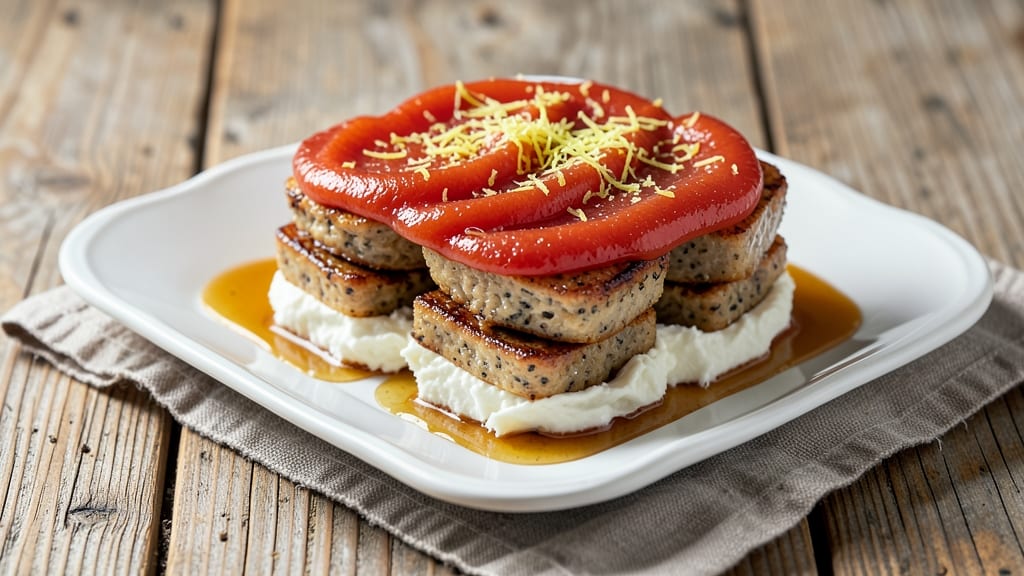
This sardine cakes recipe transforms humble sardines into a rich, buttery dessert with a crumbly texture and bright lemon zing—proof that fish can shine in sweet applications.
The technique relies on perfectly blending sardines with butter, flour, and a touch of citrus to create golden, aromatic cakes that balance savory and sweet notes. I first discovered this recipe while exploring Portuguese baking traditions, where sardines often appear in unexpected ways beyond salads.
The magic happens in the baking process, where the sardines infuse the dough with their natural umami depth while the lemon zest adds a refreshing contrast. These cakes develop a tender crumb with crisp edges, making them ideal for tea time or as a unique dessert option.
The recipe uses simple pantry staples—just sardines, butter, flour, sugar, and lemon—yet delivers a sophisticated result that feels both nostalgic and modern.
What you'll achieve is a batch of golden-brown sardine cakes with a delicate crumb and subtle fishy richness that pairs perfectly with a dusting of powdered sugar or a drizzle of honey. The lemon zing cuts through the richness, creating a harmonious balance that surprises even skeptics.
This recipe proves that desserts don't need chocolate or fruit to be memorable—they just need the right technique and a little creativity.
Serve these cakes warm with a cup of Earl Grey tea or alongside a citrusy sorbet to enhance the flavors. The recipe scales easily, so you can make a small batch for personal enjoyment or double it for gatherings.
Let's get started on this unique dessert that blends tradition with innovation.
Ingredients for sardine cakes
Simple pantry staples meet unexpected flavors in these golden sardine cakes.
| Ingredient | Amount | Notes |
|---|---|---|
| Sardines in Olive Oil 🐟 | 12 oz | Drained and finely mashed |
| Unsalted Butter 🧈 | ½ cup | Cold and cubed for texture |
| All-Purpose Flour 🌾 | 1 ½ cups | Sifted for light crumb |
| Granulated Sugar 🍚 | ½ cup | Fine grain preferred |
| Lemon Zest 🍋 | 1 tbsp | Freshly grated for brightness |
| Lemon Juice 🍋 | 1 tbsp | Freshly squeezed |
| Large Eggs 🥚 | 1 whole | Room temperature |
| Baking Powder 🌶️ | 1 tsp | For lift and crispness |
| Salt 🧂 | ½ tsp | Fine sea salt |
| Powdered Sugar 🍚 | 2 tbsp | For dusting |
| Vanilla Extract 🌸 | ½ tsp | Pure vanilla preferred |
| Milk 🥛 | 2 tbsp | For dough consistency |
The sardines are the star here—opt for high-quality canned sardines in olive oil from Trader Joe's or Whole Foods for the best flavor. Look for cans with minimal additives and a vibrant olive oil color. The butter should be unsalted and cold when cubbed—this creates pockets of richness that melt beautifully during baking. For the flour, King Arthur or Gold Medal brands provide consistent results, but any all-purpose will work. The lemon zest needs to be freshly grated; pre-packaged zest often loses its potency. Store your sardines in a cool, dark place after opening, and keep the butter wrapped tightly in parchment paper to prevent absorption of fridge odors.
No sardines in olive oil? Sardines in water work fine—just drain them thoroughly and rinse with cold water to remove any metallic taste. Running out of vanilla extract? Almond extract at half the amount adds a subtle nutty note that complements the fish. The milk can be swapped for heavy cream or buttermilk if you prefer a richer texture, though the dough will be slightly heavier. For a gluten-free version, replace the all-purpose flour with a 1:1 gluten-free baking flour blend—just add an extra 0.5 teaspoon of baking powder to compensate. The powdered sugar dusting is optional but recommended; it balances the savory richness with a delicate sweetness that ties the flavors together.
These cakes keep well for 3 days in an airtight container at room temperature, though they're best enjoyed fresh. For longer storage, wrap them individually in parchment paper and freeze for up to 1 month. Reheat in a 350°F oven for 5-7 minutes to restore their crisp edges. The dough can be prepped ahead and chilled for up to 24 hours before baking—this actually enhances the flavor development. Portion the dough into small balls before baking for even cooking; a 1.5-inch diameter works perfectly. Serve warm with a cup of Earl Grey tea or a drizzle of honey to complement the umami notes.
Why You'll Love This Recipe
- No-Fuss Mixing: I swear, this comes together in one bowl—just mash the sardines with butter, toss in flour and sugar, and fold in lemon zest. No sifting, no kneading, no stress. Honestly, the hardest part is deciding whether to shape them into patties or drop spoonfuls straight onto the pan.
- Umami-Sweet Magic: That first bite? The salty, briny sardines cut through the buttery, slightly crispy crust, while the sugar and lemon zest brighten everything up. It’s the kind of flavor combo that makes you pause mid-bite—like a fancy dessert sneaking into your lunch.
- Weeknight or Picnic Hero: These keep perfectly for days in the fridge, so I make a batch on Sunday and toss them in lunches all week. Or pack them for a picnic—they’re sturdy enough to handle a basket ride but still warm up beautifully in a pan.
- Pantry Staple Power: Between us, sardines are one of those underrated budget wins. A few cans go a long way, and the rest of the ingredients? Butter, flour, sugar—stuff you already have. Plus, the leftovers? Even better the second day, if that’s possible.
Step-by-step instructions for sardine cakes
Here's how to create tender, buttery sardine cakes with a bright lemon finish.
Prepare the Sardine Base
Drain the 12 oz sardines in olive oil thoroughly, pressing between paper towels to remove excess moisture. Transfer the sardines to a food processor and pulse until you achieve a fine, smooth paste—no visible fish pieces should remain. This texture ensures even distribution throughout the cakes.
In a small bowl, whisk together the 1 tbsp lemon juice and 1 tbsp lemon zest with the sardine paste. The lemon's acidity cuts through the richness of the fish while adding brightness. Set this mixture aside—it's the flavor foundation for your cakes.
Create the Dough
In a large mixing bowl, combine the 1.5 cups all-purpose flour, 1 tsp baking powder, and 0.5 tsp salt. Sift the mixture to remove any lumps and create a light, airy base. This step is crucial for achieving that signature crumbly texture.
Add the 0.5 cup granulated sugar and 0.5 tsp vanilla extract to the dry ingredients. Whisk gently to distribute the sweetness and vanilla flavor evenly. The sugar will caramelize slightly during baking, adding depth to the cakes.
Incorporate Wet Ingredients
Cut the 0.5 cup unsalted butter into small cubes and add them to the dry mixture. Using a pastry cutter or your fingers, work the butter into the flour until the mixture resembles coarse crumbs with pea-sized butter pieces remaining. This cold butter method creates flaky layers when baked.
Make a well in the center of the bowl and add the sardine-lemon mixture, 1 whole large egg, and 2 tbsp milk. Gently fold everything together with a wooden spoon or rubber spatula until just combined. Avoid overmixing—this keeps the cakes tender rather than dense.
Shape and Chill the Cakes
Scoop the dough into 4 equal portions (about 3 tablespoons each) and gently shape them into oval cakes, slightly flattened at the bottom. Place them on a parchment-lined baking sheet, spacing them about 2 inches apart. The cakes will spread slightly during baking.
Cover the baking sheet with plastic wrap and refrigerate for at least 30 minutes. This chilling step firms up the dough, preventing excessive spreading in the oven and helping the cakes hold their shape. It also allows the flavors to meld together.
Bake to Golden Perfection
Preheat your oven to 350°F. Bake the sardine cakes for 18-22 minutes until the edges are golden brown and the tops are set. The cakes should feel firm to the touch but still be slightly soft in the center—they'll continue cooking as they cool.
Remove the cakes from the oven and immediately dust the tops with 2 tbsp powdered sugar while still warm. This creates a delicate, sweet coating that contrasts beautifully with the savory-sweet fish flavor. Let them cool on the baking sheet for 5 minutes before transferring to a wire rack.
Pro Tips For Making Sardine Cakes
- Mash the Sardines Well: Use a fork or potato masher to break them into tiny, even pieces—not just chunks. I learned this the hard way after serving a batch where the texture was uneven, and some bites had whole fish bits. The goal is a smooth, spreadable base that blends seamlessly with the butter and flour.
- Chill the Dough: Let the mixture sit in the fridge for at least 30 minutes before shaping. This prevents the butter from melting into a greasy mess when you handle it. I used to skip this, and the cakes always turned out greasy and hard to shape—now they hold together perfectly.
- Don’t Overmix the Batter: Stir just until the flour is incorporated—overworking it makes the cakes dense and tough. Sardine cakes should be tender, not cakey. I was guilty of mixing like I was making pancakes, and the texture suffered. A few gentle folds are all you need.
- Use Cold Butter: Cut the unsalted butter into small cubes and let it sit in the fridge until firm before mixing. Cold butter creates flaky layers, while softened butter makes the cakes greasy. I was skeptical until I tried it—now it’s non-negotiable for me.
Dietary considerations for sardine cakes
Pescatarian Perfection
These sardine cakes are a pescatarian dream—packed with protein from the sardines while delivering a sweet, buttery texture that satisfies any craving. Unlike traditional fish dishes, they’re naturally gluten-free if you swap the flour for a 1:1 gluten-free blend (plus an extra ½ tsp baking powder for lift).
The recipe also avoids dairy if you replace the butter with vegan butter or coconut oil, though the flavor will shift slightly toward tropical notes. 🐟
Low-Carb Adaptation
For a low-carb version, reduce the flour to 1 cup and replace the remaining ½ cup with almond flour. This cuts carbs by about 30% per serving while keeping the cakes tender. The almond flour adds a subtle nutty depth that pairs beautifully with the sardines’ umami.
Just be sure to increase the egg to 2 yolks + 1 whole egg for better binding—almond flour absorbs moisture differently. 🥑
Allergen-Friendly Swaps
If you’re avoiding eggs, replace the 1 whole egg with 1 flax egg (1 tbsp ground flaxseed + 3 tbsp water, mixed and rested for 5 minutes).
For a nut-free option, skip the almond flour and use coconut flour instead—just add an extra ¼ cup liquid (milk or water) to compensate for its absorbency. Always taste-test the dough before baking to adjust consistency. 🌱
Keto Considerations
To make these cakes keto-friendly, eliminate the sugar entirely and use erythritol or monk fruit sweetener (about ¼ cup total) instead. The dough will be slightly drier, so add 1 extra tbsp milk or heavy cream to help bind it.
These cakes will have a richer, more pronounced fish flavor due to the lack of sugar to balance it—perfect for those who love bold, umami-forward desserts. 💪
Dairy-Free Options
For a dairy-free twist, swap the butter for coconut oil (melted and cooled) or vegan butter (like Earth Balance). The coconut oil adds a slight tropical aroma that complements the lemon zest beautifully.
If using vegan butter, chill the dough for 45 minutes instead of 30 to prevent excessive spreading. The texture will be slightly denser but still delicious. 🥥
Storage for Dietary Needs
These cakes store differently based on dietary adaptations. Gluten-free or low-carb versions keep best in the fridge (up to 4 days) because their alternative flours absorb moisture faster. Dairy-free cakes can be frozen for 1 month—just wrap them individually in parchment to prevent freezer burn.
For keto cakes, store at room temperature in an airtight container for up to 3 days to avoid moisture absorption that could affect texture. 📅
Nutrition facts
Frequently asked questions
Can I use fresh sardines instead of canned?
Fresh sardines won't work for this recipe—they're too delicate and won't hold their texture when processed. Canned sardines in olive oil provide the perfect balance of moisture and fat for creating that rich, crumbly texture. If you're set on fresh, consider making a different dish like sardine pâté instead.
Why does my dough look too wet or dry?
Too wet? You likely overmixed the dough or didn't chill it long enough. Too dry? The flour absorbed too much moisture or you skipped the milk. For wet dough, add 1 tbsp more flour and chill for 30 minutes. For dry dough, mix in 1 tsp milk or water until just combined. The dough should hold together when pressed but not be sticky.
Can I make these cakes without an oven?
Yes! Use a skillet over medium heat with 2 tbsp butter or oil. Shape the cakes into small patties and cook for 3-4 minutes per side until golden. They'll be denser than oven-baked but still delicious. The pan method works especially well for small batches.
What's the best way to serve these?
Warm sardine cakes pair perfectly with Earl Grey tea or sparkling water with lemon. For a modern twist, serve with raspberry coulis or a drizzle of honey. The contrast of sweet and savory makes them ideal for brunch or afternoon tea.
How do I prevent the cakes from spreading too much?
Chill the shaped cakes for at least 30 minutes before baking to firm up the dough. Also, ensure your butter is cold when mixing and don't overwork the dough. For extra stability, place the baking sheet on the middle rack and reduce oven temp to 340°F for slightly slower, more controlled baking.