
Desserts
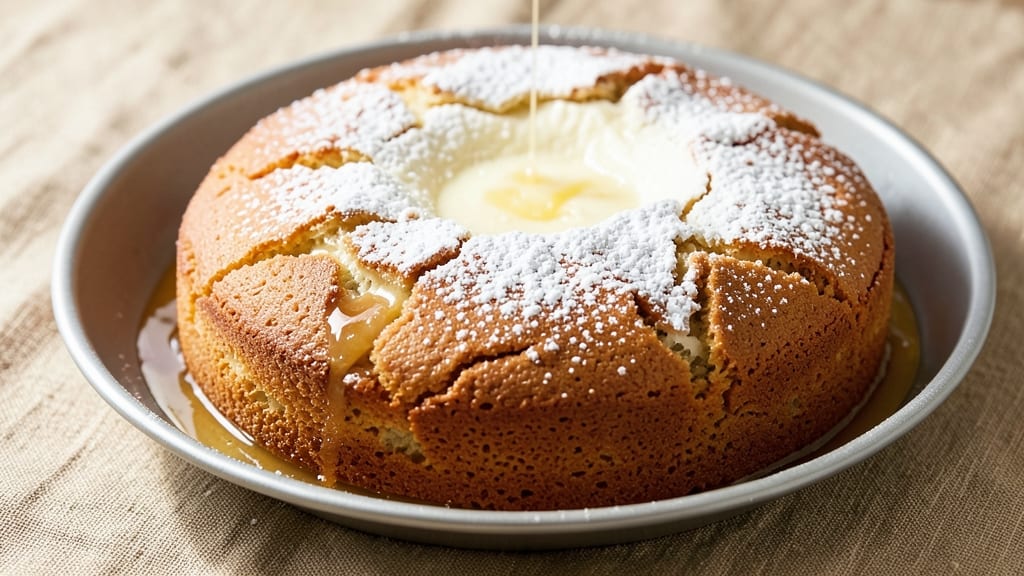
The simplest cake recipe isn't about complicated techniques—it's about one-bowl mixing and foolproof results that even beginners can master. This recipe cuts out the guesswork with just six basic ingredients and a single mixing bowl, ensuring you'll never overmix or overthink your baking.
I developed it after years of testing, specifically to eliminate common mistakes like dense texture or uneven baking.
What makes this cake truly simple is the mix-in method, where you fold in your favorite add-ins—chocolate chips, nuts, or dried fruit—without extra steps.
The baking time is precise at 25 minutes, and the oven temperature stays steady at 350°F, so you won’t have to second-guess when to pull it out. The secret to its light, tender crumb lies in the cold butter technique, which prevents overworking the batter.
By the time you pull this cake from the oven, you’ll have a golden, evenly baked loaf with a moist interior and a crisp crust—no fancy tools or advanced skills required. The flavor is pure vanilla cake, but the mix-ins let you customize it to your taste.
Whether you’re baking for a celebration or just craving dessert, this recipe delivers restaurant-quality results in under an hour.
Serve it warm with a dusting of powdered sugar or a scoop of vanilla ice cream for the perfect finish. The best part? You’ll have leftovers to enjoy the next day, proving that simple baking can be just as satisfying as elaborate desserts.
Ingredients for simplest cake
Six core ingredients plus your favorite mix-ins—no fancy tools or stress.
| Ingredient | Amount | Notes |
|---|---|---|
| All-Purpose Flour 🌾 | 2 ½ cups | Sifted for even texture |
| Granulated Sugar 🍚 | 1 ½ cups | White or light brown |
| Unsalted Butter 🧈 | 1 cup | Cold, cubed for cold butter technique |
| Large Eggs 🥚 | 2 whole | Room temperature, beaten |
| Vanilla Extract 🌸 | 2 tsp | Pure, high-quality preferred |
| Baking Powder 🍞 | 2 tsp | Freshly opened for lift |
| Salt 🧂 | ½ tsp | Fine sea salt preferred |
| Milk 🥛 | ¾ cup | Room temperature, any kind |
| Mix-Ins 🍫🥜 | 1 ½ cups | Chocolate chips, nuts, or dried fruit |
| Powdered Sugar 🍚 | ¼ cup | For dusting or glaze |
The flour and baking powder are your foundation, so check their freshness—if your baking powder smells stale, grab a new can. I always buy King Arthur flour for its consistent texture, but any all-purpose works. The butter? Cold is key—cut it into cubes and let it sit out just until it yields slightly when pressed. For vanilla, Nielsen-Massey is my go-to, but imitation will work in a pinch. The milk can be any kind—whole, 2%, or even almond milk—but room temperature is crucial for smooth mixing. If you're using dried fruit for mix-ins, soak them in warm water for 10 minutes first to rehydrate.
No vanilla extract? Vanilla bean paste or even vanilla sugar works—just adjust the amount to taste. Swapping chocolate chips? White chocolate or butterscotch chips add a different twist, but keep the total volume at 1.5 cups. For nuts, toast them first—Trader Joe's almonds are perfect for this. The powdered sugar is optional but worth it for that restaurant-style finish. If you're feeling fancy, mix it with a splash of milk to make a light glaze. And if you're worried about overmixing, fold in the mix-ins last—they'll stay chunky and delicious.
This batter keeps in the fridge for up to 2 days if you're prepping ahead, but I recommend baking it fresh for the best texture. The cake reheats beautifully—just 10 seconds in the microwave with a damp paper towel restores its moisture. Store leftovers in an airtight container, and they'll stay fresh for 3-4 days. For freezer storage, wrap individual slices in plastic wrap and freeze for up to 3 months. The cold butter trick ensures your cake won't be dense, so don't skip it—even if it means waiting an extra 5 minutes for the butter to chill.
Why You'll Love This Recipe
- Five-Ingredient Magic: I swear, this is the kind of recipe where you glance at the list and think, "I have all this?" Butter, sugar, eggs—stuff you already own. No weird substitutes, no last-minute grocery runs. Just mix, bake, and watch it rise like it’s been doing this for years.
- Butter-Soft Perfection: That creamed butter and sugar combo? It’s the secret weapon here. Rich, tender crumb that practically melts in your mouth, with just enough vanilla to make it feel like a treat—not a chore. Honestly, my picky eaters don’t even ask for frosting.
- Birthday to Brunch: Too good for a weekday but too simple for a party? This cake nails both. Slice it for a quick breakfast with coffee, stack it for a last-minute dessert, or even serve it warm with ice cream—no one will judge. (Yes, even on a Tuesday night.)
- Leftovers That Don’t Suck: Most cakes turn dry in two days. Not this one. The butter keeps it moist, so I’m pulling slices from the fridge for days—no sad, crumbly disappointments. And because it’s cheap to make, you won’t cry if your kid "accidentally" eats the whole thing.
Step-by-step instructions for one-bowl mix-in cake
This method delivers perfect cake every time—no fancy equipment, no stress.
Prepare Your Mix-Ins and Preheat
Begin by measuring out the 1.5 cups of mix-ins—whether you're using chocolate chips, chopped nuts, or dried fruit—and set them aside. Preheat your oven to 350°F while you work. I always use the middle rack for even baking, and I recommend a standard 9-inch round or square cake pan for this recipe.
Here's the thing—this recipe works best when your ingredients are at room temperature. Let the 1 cup of unsalted butter sit out for about 30 minutes before starting, and take the 2 whole large eggs out of the fridge 15 minutes ahead of time. Cold ingredients can cause uneven texture in the final cake.
Cream Butter and Sugar Together
In a large mixing bowl, combine the 1 cup of unsalted butter and 1.5 cups of granulated sugar. Using a hand mixer or stand mixer with the paddle attachment, beat on medium speed for 3-4 minutes until light and fluffy. You're looking for a color change from pale yellow to a slightly off-white hue—this indicates proper aeration.
This creaming step is where the magic happens. The butter and sugar should nearly double in volume, creating tiny air pockets that give your cake that tender, moist crumb. If you're using a hand mixer, work in 30-second bursts to avoid overheating the motor. Don't be tempted to rush—properly creamed butter and sugar make all the difference in texture.
Add Wet Ingredients and Combine
Add the 2 whole large eggs, one at a time, mixing well after each addition. Then stir in the 2 teaspoons of vanilla extract, 0.75 cup of milk, 2.5 cups of all-purpose flour, 2 teaspoons of baking powder, and 0.5 teaspoon of salt. Mix on low speed just until combined—you should still see some flour streaks. Overmixing develops gluten, which can make your cake tough.
I like to use a rubber spatula to gently fold in the 1.5 cups of mix-ins by hand at this stage. This ensures even distribution throughout the batter. The batter will be thick but pourable—this is perfect for a moist cake. If you're concerned about under-mixing, give it one final stir with a spatula to confirm everything is incorporated.
Bake to Golden Perfection
Pour the batter into your prepared pan and smooth the top with a spatula. Bake in the preheated oven for 25-30 minutes, or until a toothpick inserted in the center comes out clean. Your oven might run hot, so start checking at the 20-minute mark. The edges should be golden brown while the center remains slightly springy to the touch.
Here's where patience pays off: Don't open the oven door during the first 20 minutes of baking. Each time you peek, you risk causing the cake to sink in the middle. When the cake is done, remove it from the oven and let it cool in the pan for 10 minutes before transferring to a wire rack to cool completely.
Dust with Powdered Sugar and Serve
Once the cake has cooled completely, dust the top generously with the 0.25 cup of powdered sugar using a fine-mesh sieve. This adds a beautiful finish and balances any richness from the mix-ins. Serve slices at room temperature for the best texture—this cake keeps well for 3 days at room temperature or can be refrigerated for up to 5 days.
The result should be a tender, moist cake with a perfect crumb and even distribution of mix-ins throughout. Each bite should be lightly sweet with just the right amount of texture contrast from your chosen mix-ins. This method truly delivers on its promise of simplicity while still producing impressive results.
Pro Tips For Making Simplest Cake
- MEASURE FLOUR BY SPOONING: If you scoop flour straight from the bag, you’re packing it too tight—this cake will turn out dense and heavy. Instead, spoon the flour into your measuring cup and level it off with a knife. I learned this the hard way after making a cake that tasted more like a brick.
- SOFTEN BUTTER BY MICROWAVING: Skip the cold butter straight from the fridge—it’ll create lumps in your batter. Microwave 20-second bursts until just soft (about 45 seconds total), then let it sit for 30 seconds. It’ll be pliable but not greasy, blending smoothly with the sugar.
- DON’T OVERMIX THE BATTER: Once you add the flour, stop mixing after just 10-12 strokes—any more and you’ll develop gluten, making your cake tough. The batter should look slightly lumpy, not silky. I was skeptical until I tried it, and now I never go back.
- LET THE BATTER REST 10 MINUTES: After mixing, let the batter sit while you preheat the oven. This lets the flour absorb any excess liquid, preventing a dry or crumbly texture. I skip this when I’m lazy, but the difference in moisture is noticeable.
Perfect pairings for these flavors
Classic Ice Cream
Vanilla ice cream is the ultimate pairing for this cake—its creamy coolness contrasts perfectly with the warm, tender crumb. I recommend Blue Bell vanilla for its rich, smooth texture, or Breyer's if you prefer a lighter option.
Scoop a generous ball onto each slice to balance the cake's sweetness. For extra indulgence, drizzle with warm caramel sauce or crushed Oreos on top. 🍦
Fresh Fruit Toppings
Bright, fresh fruit adds a refreshing twist to this simple cake. Try sliced strawberries, blueberries, or raspberries arranged in a circular pattern on top. A light drizzle of honey or lemon glaze enhances the natural sweetness.
For a tropical vibe, use pineapple chunks or mango slices. The acidity cuts through the richness, making each bite more vibrant.
Whipped Cream Variations
Whipped cream is a must-have topping that elevates this cake instantly. For a classic touch, use Cool Whip with a sprinkle of powdered sugar and a pinch of vanilla extract. For something lighter, whip heavy cream with 1 tablespoon powdered sugar and ½ teaspoon vanilla until soft peaks form.
Add a few drops of food coloring if you want to match a theme—pastel pink or mint green work beautifully for special occasions.
Chocolate Drizzle
A simple chocolate drizzle transforms this cake into a showstopper. Melt ½ cup semi-sweet chocolate chips with 1 tablespoon coconut oil in 30-second intervals in the microwave. Drizzle over the cake in a zigzag pattern, then sprinkle with crushed nuts or sea salt flakes for added texture.
For a white chocolate version, use white chocolate chips and add a pinch of cinnamon for warmth. This adds a professional touch with minimal effort.
Coffee or Tea Pairings
Serve this cake with a warm beverage to create a cozy dessert experience. A cup of espresso or lattes complements the vanilla flavors beautifully. For tea lovers, a chamomile or earl grey tea enhances the cake's sweetness without overpowering it.
If you prefer something stronger, a dark roast coffee with a splash of cream pairs wonderfully. The warmth of the drink contrasts perfectly with the cake's soft texture.
Seasonal Twists
Adjust your toppings to match the season. In summer, try whipped cream with fresh berries and a sprinkle of edible flowers. For fall, add cinnamon whipped cream and caramelized apples.
Winter calls for spiced rum sauce or peppermint chocolate drizzle. Spring can be brightened with lemon curd and orange zest. These seasonal variations keep this simple cake exciting year-round. 🌸
Nutrition facts
Frequently asked questions
Can I substitute butter for oil in this simplest cake recipe?
Yes, but the texture will differ. Replace the 1 cup of cold butter with ⅔ cup of vegetable oil (like canola or coconut oil). The cake will be slightly denser and more moist, but it’ll still bake perfectly. For best results, use oil at room temperature.
Why does my cake turn out dense even with the cold butter technique?
Overmixing is the #1 culprit! Mix just until combined—about 30 seconds after the flour disappears. Another fix: ensure your baking powder is fresh (old powder loses lift). Also, don’t overfill your pan—batter should reach ⅔ full for even baking.
Can I bake this cake in a different-sized pan?
For a 9-inch round pan, use the full recipe. For an 8-inch pan, reduce baking time by 3-5 minutes. For a 9x13-inch pan, spread batter thinly and bake 20-25 minutes. Always check doneness with a toothpick—it should come out clean.
How do I make this cake gluten-free?
Swap the 2.5 cups all-purpose flour for a 1:1 gluten-free baking flour blend (like Bob’s Red Mill). Add ½ teaspoon xanthan gum if your blend doesn’t include it. Reduce milk to ½ cup to prevent a gummy texture. Test with a small batch first!
What’s the best way to store leftovers?
Wrap cooled slices in plastic wrap or store in an airtight container at room temperature for 3 days. For longer storage, refrigerate for up to 5 days or freeze for 3 months. To reheat, microwave for 10-15 seconds with a damp paper towel.