
Desserts
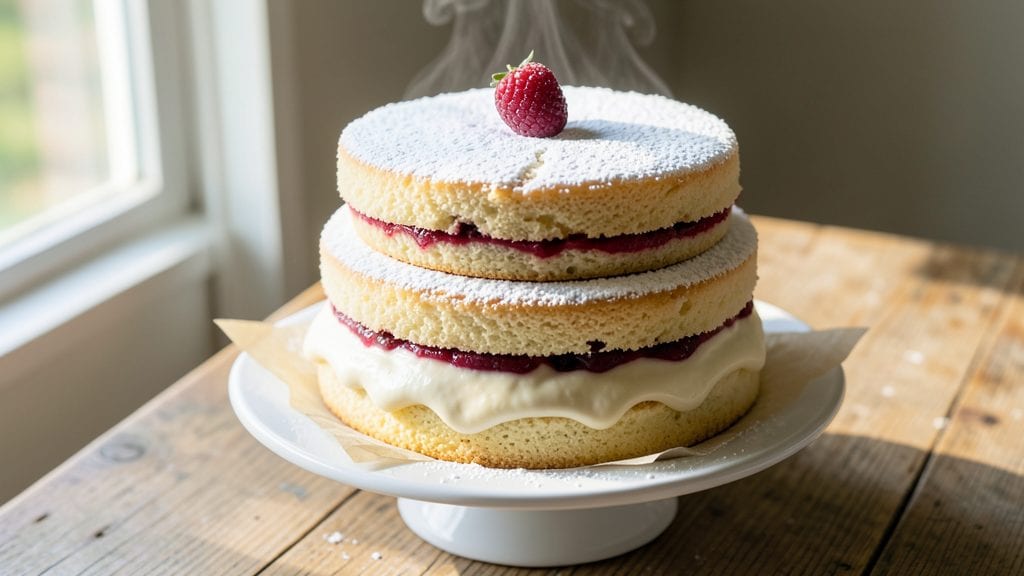
This steam cake recipe delivers the perfect balance of light, airy layers and vanilla-kissed moisture that melts in your mouth. The secret lies in precise steaming techniques that create a tender crumb without a single dry bite—something I perfected after years of trial and error.
What sets this apart is how the batter transforms under steam, developing that signature fluffiness while staying impossibly moist.
Unlike traditional baked cakes, this method relies on controlled steam to develop texture, which means no oven required and minimal risk of over-baking. The result is a cake with delicate layers that hold together beautifully, yet crumble effortlessly when sliced.
Professional bakers swear by this technique for its reliability, and once you try it, you’ll never go back to conventional baking.
What you’ll achieve is a cake that’s moist yet light, with a subtle vanilla aroma that lingers in every bite. The texture is almost custard-like, making it ideal for celebrations or everyday indulgence.
Whether you’re a beginner or a seasoned baker, this recipe ensures foolproof results every time—no advanced skills needed.
For those who love experimenting, variations like pandan, coconut, or matcha can easily replace the vanilla, but the core technique remains the same. The beauty of steam cakes is their versatility—dress them up for special occasions or keep them simple for a comforting treat.
Let’s get started on creating your perfect steamed masterpiece.
Ingredients for steam cake
The secret to perfect steam cake lies in these simple yet precise ingredients.
| Ingredient | Amount | Notes |
|---|---|---|
| All-Purpose Flour 🌾 | 2 ½ cups | Sifted for lightness |
| Granulated Sugar 🍚 | 1 ½ cups | Superfine preferred |
| Unsalted Butter 🧈 | 1 cup | Cold, cubed for steam |
| Pure Vanilla Extract 🌸 | 2 tbsp | High-quality Madagascar |
| Large Eggs 🥚 | 4 whole | Room temperature |
| Milk 🥛 | 1 cup | Whole milk preferred |
| Baking Powder 🍞 | 1 tsp | Freshly opened |
| Salt 🧂 | ½ tsp | Diamond Crystal preferred |
| Water 💧 | 1 ½ cups | Room temperature |
| Cornstarch 🌾 | 2 tbsp | For moisture retention |
| Steam Cake Mold 🍰 | 1 whole | 8-inch round preferred |
| Parchment Paper 📄 | 1 sheet | For lining mold |
The flour is your foundation—King Arthur or Gold Medal work best for that tender crumb. Butter should be cold and cubed (no melting!) to create steam pockets—Plugrá or Land O'Lakes unsalted are my go-tos. Vanilla extract isn't just flavor; it's the aroma that defines this cake. Madagascar Bourbon from McCormick gives that authentic depth. Room-temperature eggs incorporate better, so pull them out 30 minutes before mixing. For the steam bath, use a heavy-bottomed pot—Le Creuset or All-Clad conduct heat evenly.
No superfine sugar? Pulse regular granulated in a food processor for 30 seconds. Substitute powdered sugar at 1:1 if you're in a pinch, but texture won't be identical. Milk can be swapped for heavy cream (richer flavor) or coconut milk (for dairy-free). The cornstarch is non-negotiable—it's what gives that signature custard-like texture. For the steam mold, 8-inch round is ideal, but 6-inch square works too. Line it with parchment for easy release—unbleached prevents browning. And if you're short on baking powder, baking soda + cream of tartar at 1:2 ratio gets you close.
This cake keeps beautifully—3 days at room temperature wrapped in parchment, or 1 week refrigerated. For longer storage, slice and freeze portions between parchment sheets. Reheat slices in a 200°F oven for 5 minutes to restore moisture. The steam method means no oven preheating—just assemble, steam, and enjoy. Pro tip: Brush warm layers with vanilla syrup (equal parts sugar + water + 1 tsp vanilla) for extra moisture. Leftovers? Perfect for French toast or cake pops.
Why You'll Love This Recipe
- No Mixer Needed: I swear by this recipe on days when I’m too tired to cream butter and sugar properly. Just fold everything together—no stand mixer, no elbow grease—yet it still turns out tender and golden. That butter-egg ratio? It’s magic.
- Vanilla Butter Bliss: The moment you pull it out of the steamer, that vanilla-butter aroma hits you like a warm hug. It’s not overly sweet, not dry—just perfectly balanced, with that melt-in-your-mouth crumb that makes you want to cut a second slice right now.
- Steamer Hack for Crowds: I make this for birthdays, potlucks, or even my book club—no one ever leaves with leftovers, but if they do? They’re still moist for days. The steaming method keeps it soft without drying out, so it’s my go-to for gatherings where I don’t want to stress over timing.
- Pantry Staple Magic: Honestly, this recipe uses things you already have—flour, sugar, butter, eggs. No specialty ingredients, no last-minute grocery runs. And because it’s so simple, I can whip up two batches at once: one for dessert, one for breakfast the next morning (yes, really). Budget-friendly and foolproof.
Step-by-step instructions for steam cake
Here's how to create perfectly light, airy layers that stay moist for hours.
Prepare the Steam Cake Mold for Even Cooking
Line the bottom of the steam cake mold with the sheet of parchment paper, pressing it gently into all corners so it conforms perfectly to the shape. This prevents sticking and ensures the cake releases cleanly. I always use parchment paper rather than oil because it creates a non-stick barrier without any greasy residue that could affect the texture.
Next, place the cold, cubed unsalted butter evenly around the sides of the mold. The butter will melt during steaming and create a flavorful, moist environment for the cake. Make sure the cubes are distributed evenly so the steam circulates properly throughout the mold.
Combine Wet Ingredients for Maximum Moisture
In a large mixing bowl, whisk together the 1.5 cups granulated sugar, 4 whole large eggs, and 2 tablespoons pure vanilla extract until the mixture is pale yellow and slightly thickened. This step is crucial for creating the cake's signature airy texture. I like to use a hand mixer on medium speed for about 3 minutes to fully incorporate air into the mixture.
In a separate bowl, combine the 1 cup milk, 1.5 cups water, and 2 tablespoons cornstarch. Whisk until the cornstarch is completely dissolved—this prevents any graininess in the final cake. The cornstarch acts as a moisture retainer, which is key to that signature steam cake tenderness.
Mix Dry Ingredients and Create the Batter
In a medium bowl, sift together the 2.5 cups all-purpose flour, 1 teaspoon baking powder, and 0.5 teaspoon salt. This sifting step is essential for lightness—it aerates the flour and prevents dense layers. Make a well in the center of the dry ingredients and gradually pour in the egg mixture while stirring gently with a spatula.
Alternate adding the milk mixture and dry ingredients, beginning and ending with the milk mixture. Stir just until combined—overmixing develops gluten and creates a tough cake. The batter should be smooth and slightly thicker than pancake batter. Here's the thing—this is where the magic happens. The combination of cornstarch and proper mixing technique ensures that moisture stays locked in during baking.
Steam the Cake to Perfection
Pour the batter into the prepared steam cake mold, smoothing the top with a spatula. Place the mold in a steamer basket over a pot of boiling water, ensuring the water doesn't touch the bottom of the mold. Cover with a lid and steam over medium-high heat for 45-50 minutes. The cake is done when it springs back gently when touched and a toothpick inserted comes out clean.
I know it's tempting to peek, but resist the urge. Opening the lid lets steam escape and can cause the cake to collapse. The steam should create a gentle, even pressure that results in those signature light layers. Once done, remove the mold from the steamer and let it cool completely on a wire rack before unmolding.
Pro Tips For Making Steam Cake
- SIFT THE FLOUR: I learned this the hard way—packed flour weighs differently than sifted flour, and that tiny difference throws off your cake’s lightness. Even if you’re measuring by weight (which you should), give it a quick sift to aerate it before mixing. Yes, it’s extra work, but your cake will rise higher and stay fluffier longer.
- COOL THE BUTTER FIRST: Room-temperature butter sounds basic, but actually room temp is key—press it gently, and if it leaves a dent, it’s ready. Too soft? Chill it 10 minutes. Too hard? Let it sit another 5. Butter that’s too warm melts into the sugar too fast, making your batter greasy and dense. (I know, I know—you’re impatient like me.)
- DON’T OVERMIX THE EGGS: Once your butter and sugar are pale and fluffy (about 3-4 minutes), fold in the eggs one at a time, mixing just until each disappears. Overmixing adds air, but then the gluten in the flour gets overworked, and your cake turns tough. Stop when the batter looks like thick pudding, not wet cement.
- STEAM AT LOW HEAT: High heat = soggy bottom, dry top. Once your cake is in the steamer, reduce the heat to medium-low and let it cook slowly. Check for doneness at 30 minutes—if the sides pull away from the pan and a toothpick comes out clean (or with a few moist crumbs), it’s done. Rushing it leads to a gummy center. (Your future self will thank you.)
Best sauces and condiments for this recipe
Vanilla Glaze Magic
My go-to finishing touch is a vanilla bean glaze—simmer ½ cup granulated sugar with 2 tbsp water until dissolved, then whisk in 1 tbsp vanilla extract and 1 tbsp heavy cream. Drizzle over warm cake layers while still in the mold.
The glaze soaks into the layers, adding extra moisture and that signature vanilla aroma. For a showstopper, sprinkle edible gold leaf or toasted coconut flakes on top. 🌟
Coconut Cream Filling
For a tropical twist, replace the vanilla glaze with coconut cream filling. Blend 1 can (13.5 oz) full-fat coconut milk with ½ cup powdered sugar and 1 tsp vanilla extract until smooth.
Pipe between cake layers or drizzle over the top. This adds a rich, creamy contrast to the light cake texture. I love pairing this with toasted macadamia nuts for crunch. ✨
Chocolate Ganache Drizzle
Dark chocolate lovers will adore a semi-sweet chocolate ganache. Melt ½ cup dark chocolate chips (70% cocoa) with ¼ cup heavy cream over a double boiler, then cool slightly before drizzling.
The ganache adds depth and a luxurious finish. For a modern touch, use a squeeze bottle to create marbled patterns on top. Pro tip: Use Valrhona chocolate for the smoothest texture. 🍫
Citrus Zest Syrup
Brighten up your steam cake with a citrus zest syrup. Simmer ½ cup water, ½ cup sugar, and zest of 1 lemon + 1 orange for 5 minutes, then strain.
Brush the syrup between layers or over the top for a refreshing, tangy contrast. This works especially well with white chocolate shavings for a sophisticated presentation. 🍊
Matcha Whipped Cream
For a Japanese-inspired variation, top your cake with matcha whipped cream. Whip 1 cup heavy cream with 1 tsp matcha powder and 1 tbsp powdered sugar until stiff peaks form.
Pipe rosettes on top and dust with extra matcha. The earthy matcha complements the cake's vanilla notes beautifully. I recommend Ippodo Tea matcha for the best flavor. 🍵
Sweetened Condensed Milk
If you love caramelized flavors, try sweetened condensed milk. Warm ½ cup sweetened condensed milk with 1 tbsp butter until smooth, then drizzle over the cake. The rich, buttery sweetness creates a decadent finish.
For extra flair, torch the top with a kitchen torch to create a caramelized crust. This is a classic Southeast Asian technique that elevates the cake instantly. 🔥
Nutrition facts
Frequently asked questions
Why does this steam cake stay moist longer than traditional baked cakes?
The secret is the cornstarch and steaming method. Cornstarch acts as a moisture binder, while steam creates gentle heat that develops texture without drying out the cake. Unlike baking, which can overcook edges, steam distributes heat evenly for consistent moisture throughout.
Can I make this recipe without a special steam cake mold?
Yes! Use a heatproof bowl that fits snugly inside your steamer basket. Line it with parchment paper and place cold butter cubes around the sides, just like the mold. The steam will work the same way—just monitor cooking time closely (50-60 minutes) since home setups may vary.
What's the best way to test if my steam cake is fully cooked?
Insert a toothpick into the center—it should come out clean with no wet batter. Also check for the "spring-back" test: Gently press the top with your finger. If it springs back gently (not too firm, not too soft), it's perfect. Never rely on time alone—steam intensity varies!
Can I add mix-ins like fruits or nuts to this recipe?
Fold in ½ cup chopped nuts or fresh berries (like blueberries) during Step 3, but keep them small to avoid sinking. For tropical flavors, try toasted coconut flakes or pandan juice. Just don't overmix after adding them to maintain that airy texture.
How do I store leftovers to keep them fresh?
Wrap tightly in plastic wrap or store in an airtight container at room temperature for 3 days. For longer storage, slice and freeze portions between parchment sheets. Reheat slices in a 200°F oven for 5 minutes to restore moisture. The steam method means they stay fresh longer than baked cakes!