
Desserts
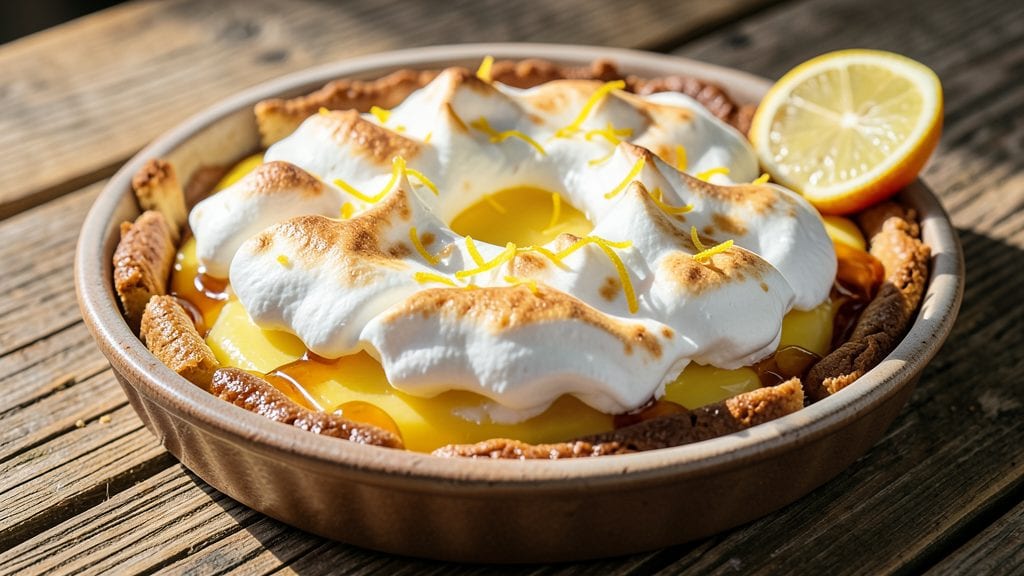
This tart lemon curd cake delivers the perfect balance of crisp buttery crust and silky citrus filling that brightens any dessert table.
The secret lies in a precise crust recipe that stays flaky yet sturdy enough to hold the vibrant lemon curd, which requires careful tempering to achieve that signature glossy finish. After years of perfecting this technique, I can confidently say this recipe transforms a simple dessert into an impressive centerpiece.
The foundation of this cake is a buttery, shortbread-style crust that bakes to a golden, crackly texture while maintaining structural integrity. The lemon curd filling—rich, tangy, and perfectly set—is the star, requiring just the right balance of sugar, butter, and egg yolks to create that signature velvety consistency.
When assembled correctly, each bite delivers a harmonious contrast between the crisp crust and the luscious, zesty filling.
What sets this recipe apart is its foolproof assembly method, ensuring the filling stays contained and the cake bakes evenly without soggy layers. The result is a visually stunning dessert with layers that practically sing with citrus flavor, yet remains simple enough for home bakers to master.
Whether served at brunch or as an after-dinner treat, this cake guarantees a crowd-pleasing finish.
For those who love variations, this same crust and technique work beautifully with chocolate ganache or mixed berry compote, offering endless possibilities. The key is maintaining precision in both the crust and filling preparation—details that make all the difference in achieving professional-quality results at home.
Ingredients for tart cake
Precision-crafted ingredients for a buttery crust and velvety lemon curd filling that balances tartness with sweetness perfectly.
| Ingredient | Amount | Notes |
|---|---|---|
| All-Purpose Flour 🌾 | 2 ½ cups | Sifted for optimal texture |
| Unsalted Butter 🧈 | 1 ½ cups | Cold, cubed for crust |
| Granulated Sugar 🍚 | ½ cup | Fine grain preferred |
| Diamond Crystal Kosher Salt 🧂 | ½ tsp | Fine grain preferred |
| Large Egg Yolks 🥚 | 4 whole | Room temperature preferred |
| Fresh Lemon Juice 🍋 | 1 cup | Strain seeds thoroughly |
| Zest of 2 Large Lemons 🍋 | 1 tbsp | Fine, bright yellow |
| Heavy Cream 🥛 | ½ cup | Full-fat for richness |
| Powdered Sugar 🍚 | 1 cup | Sifted for smooth filling |
| Granulated Sugar (for crust) 🍚 | ¼ cup | Fine grain preferred |
| Vanilla Extract 🌿 | ½ tsp | Pure extract preferred |
| Cornstarch 🍚 | 2 tbsp | For curd stability |
The crust demands European-style unsalted butter—look for brands like Plugrá or Land O'Lakes European Style at specialty markets or high-end grocers. Cold, cubed butter is non-negotiable for that signature flaky texture, so chill your bowl and tools. For flour, King Arthur or Gold Medal brands yield consistent results due to their protein content. Diamond Crystal kosher salt dissolves cleanly without graininess, which is critical for delicate crusts. The lemons should be bright yellow with firm skin—avoid those with green patches, which indicate underripe fruit. Whole Foods or Trader Joe's typically carry high-quality citrus year-round, while local farmers' markets offer seasonal peak flavor during summer months.
Substitutions require precision: European butter unavailable? Use Plugrá or Melt—both mimic the fat content. No fresh lemons? Bottled lemon juice works, but add 1 extra tablespoon of sugar to compensate for reduced acidity. Heavy cream too rich? Swap for half-and-half, though texture may slightly alter. Powdered sugar clumping? Sift through a fine-mesh sieve before use. For the curd, cornstarch is essential—it prevents graininess, but if unavailable, 1 extra tablespoon of flour suffices. Vanilla extract can be omitted entirely if preferred, though it rounds out the filling's complexity. Egg yolks must be room temperature for proper emulsification; cold yolks risk breaking the curd.
Store crust components in an airtight container with parchment between layers for up to 5 days at room temperature or 3 months frozen. Lemon curd filling keeps 3 days refrigerated in a sealed jar, though freezing is discouraged as it alters texture. Assemble the cake day-of for optimal texture—pre-baked crusts absorb moisture over time. Garnish with fresh lemon zest just before serving to preserve vibrant color. For make-ahead convenience, bake the crust and prepare filling separately, then assemble when ready to serve.
Why You'll Love This Recipe
- Butter’s Secret Weapon: The moment you fold in that cool, creamy butter into the flour-sugar mix, you’re setting yourself up for a tender crumb that just melts. No one will guess it’s just five ingredients—it’s that rich, almost custardy texture from those yolks and proper creaming.
- Weeknight Magic: Thirty minutes, one bowl, no fuss. I swear by this when I’ve got zero energy but still want something impressive—slice it warm with ice cream, or let it cool for a picnic. The salt in those yolks? It’s the secret to balancing that sugar without tasting like a dessert.
- Leftovers? More Like Leftovers: This cake keeps beautifully for days, and honestly? It’s even better the second day. I’ll make a double batch, wrap it tightly, and pull out slices for breakfast toast or a quick snack. The crust stays crisp, the filling stays luscious—no sad, dry crumbs here.
- Crowd-Pleaser Budget: You’re using pantry staples, but it tastes like you raided a bakery. The kosher salt (don’t skip it!) cuts through the sweetness so it’s not cloying, and the butter makes it feel luxurious. Perfect for birthdays, potlucks, or just because—no one will ask for the recipe.
Step-by-step instructions for tart lemon curd cake
Mastering this layered cake requires precision in technique and timing to achieve the perfect balance of buttery crust, citrusy filling, and tender crumb.
Prepare the Lemon Curd Filling
In a medium saucepan, combine the 1 cup fresh lemon juice, 1 tbsp zest of 2 large lemons, 0.5 cup granulated sugar, and 2 tbsp cornstarch. Whisk vigorously to dissolve the cornstarch completely—this prevents lumps that can ruin the silky texture. Place the saucepan over medium heat and bring the mixture to a gentle simmer, stirring constantly with a silicone spatula.
Simultaneously, whisk the 4 whole large egg yolks in a separate bowl until smooth and pale. Slowly pour the hot lemon mixture into the egg yolks while whisking continuously—this tempering process prevents the eggs from scrambling. Return the combined mixture to the saucepan and cook for 5-7 minutes until it thickens enough to coat the back of a spoon. The curd should reach 170°F on an instant-read thermometer and hold its shape when dropped onto a plate.
Remove from heat and stir in the 0.5 cup heavy cream and 0.5 tsp vanilla extract. Press plastic wrap directly onto the surface of the curd to prevent a skin from forming, then refrigerate for at least 2 hours or until completely chilled. This resting period allows the flavors to meld and the texture to set properly for layering.
Create the Buttery Crust
In a food processor, pulse the 2.5 cups all-purpose flour and 0.5 tsp diamond crystal kosher salt until combined. Add the 1.5 cups unsalted butter, cut into ½-inch cubes, and process in 30-second bursts until the mixture resembles coarse crumbs with pea-sized butter pieces remaining. Transfer to a large bowl and use your fingers to work in the 0.25 cup granulated sugar (for crust) until the mixture forms a uniform, sandy texture.
Press ⅔ of the crust mixture evenly into a 9-inch springform pan, using the back of a spoon to create an even layer along the bottom and ½ inch up the sides. Chill in the refrigerator while you prepare the cake layers. This pre-chilling prevents the crust from melting during baking and ensures clean removal from the pan later.
Bake the Cake Layers
Preheat your oven to 350°F and line two 8-inch round cake pans with parchment paper. In a stand mixer fitted with the paddle attachment, cream the remaining 0.5 cup granulated sugar with the 1 cup powdered sugar on medium speed until light and fluffy. Add the 4 whole large egg yolks, one at a time, mixing just until each is incorporated before adding the next.
Gradually add the remaining ⅓ of the crust mixture in 3 additions, mixing on low speed until just combined—overmixing develops gluten and creates a tough cake. Divide the batter evenly between the prepared pans and bake for 18-22 minutes, until the tops spring back when gently pressed and a toothpick inserted into the center emerges clean. Rotate the pans halfway through baking for even browning.
Assemble the Cake
Allow the cake layers to cool in their pans for 10 minutes, then transfer to a wire rack to cool completely. Level the tops if necessary using a serrated knife. Spread ⅓ of the chilled lemon curd over the base layer, then place the second layer on top. Repeat with the remaining curd and final layer. Wrap the assembled cake tightly in plastic wrap and refrigerate for 4 hours or overnight to allow the filling to set.
Before serving, run a knife around the edges to loosen the cake from the springform pan. Dust the top and sides generously with powdered sugar sifted through a fine-mesh sieve for a professional finish. Serve chilled, cutting into wedges to reveal the vibrant lemon curd between each layer. The contrast of the buttery crust, tender cake, and tangy filling creates a harmonious balance of textures and flavors.
Pro Tips For Making Tart Cake
- Cream Butter Slowly: I learned this the hard way—dumping cold butter into sugar and whipping it like crazy just creates a greasy mess. Instead, soften the butter first (it should dent when pressed), then mix it into the sugar in small batches while beating. Let the mixer do the work, and resist the urge to rush it. The goal is to get that butter fully incorporated and fluffy, not clumpy.
- Sift the Flour: Yes, even if the recipe doesn’t say it. Sifting the flour removes lumps and aerates it, which means your cake will have a lighter texture. I skip this when I’m lazy, but the difference in crumb is noticeable—especially in a tart where you want that tender base. Use a fine-mesh sieve and do it right over the bowl.
- Don’t Overmix the Batter: Once you add the flour to the wet ingredients, mix just until combined. I used to beat it like I was trying to win a baking contest, and it made the cake dense and tough. Stop when there are no more streaks of flour—overmixing develops the gluten, and that’s the last thing you want in a delicate tart.
- Use Room-Temp Eggs: Cold egg yolks can curdle the butter mixture, and that’s a nightmare to fix. Take your eggs out of the fridge 30 minutes before you start, or even better, let them sit in warm water for 5 minutes. Warm yolks blend smoothly and keep the batter silky—no weird separation or graininess. Trust me, your tart will thank you.
Flavor customization for this dish
Citrus Variations
Swap the lemon curd for orange or grapefruit by adjusting sugar and acid ratios.
For orange, use 1 cup fresh orange juice, ½ cup sugar, and 1 tbsp zest—reduce cornstarch to 1 tbsp to prevent over-thickening. Grapefruit requires 1½ cups juice (more tart) and ¾ cup sugar to balance the bitterness.
Always strain seeds thoroughly—bitter pith ruins the delicate filling. 🍊
Chocolate Twist
Replace the lemon curd with dark chocolate ganache for a decadent fusion. Melt 8 oz dark chocolate (70% cocoa) with ½ cup heavy cream over a double boiler, then cool slightly before assembling.
The contrast of bitter chocolate and buttery crust creates a sophisticated dessert. Add ¼ tsp espresso powder to the crust for depth—it pairs beautifully with chocolate. 🍫
Berry Compote
Use seasonal berries like raspberries or blackberries for a fruity variation. Simmer 1½ cups mixed berries with 2 tbsp sugar and 1 tsp lemon juice until thickened (5-7 minutes).
Strain seeds, then chill before layering. For extra richness, fold in 1 tbsp mascarpone cheese into the compote. This works best with strawberries in summer or cranberries in winter. 🍓
Spiced Variations
Infuse warmth by adding ½ tsp cinnamon or ¼ tsp cardamom to the crust. For the filling, steep 1 cinnamon stick in the lemon juice for 10 minutes before straining.
Alternatively, swirl caramelized ginger into the lemon curd—simmer 2 tbsp grated ginger with 1 tbsp honey until soft, then mix in. These spices complement the tartness beautifully. 🌶️
Nutty Crust Upgrade
Boost texture by folding ½ cup toasted pecans or walnuts into the crust mixture. For extra crunch, press crushed pistachios into the base before adding the filling.
The nuts add a satisfying contrast to the silky curd. Toast nuts in a dry pan over medium heat for 3-4 minutes until fragrant. 🌰
Herbal Enhancements
Elevate the filling with fresh herbs like basil or mint. Finely chop 2 tbsp fresh basil and fold into the chilled curd for a bright, aromatic note.
For mint, use 1 tbsp chopped leaves—it pairs especially well with berry compotes. Herbs should be added after the curd cools to preserve their freshness. 🌿
Nutrition facts
Frequently asked questions
Can I make this tart cake without a springform pan?
Yes! Use a 9-inch round cake pan with a removable bottom instead. Line the pan with parchment paper and grease lightly to prevent sticking. After baking, run a knife around the edges to loosen the crust before removing. For extra insurance, chill the assembled tart in the pan for 1 hour before unmolding.
Why did my lemon curd turn grainy?
Graininess usually means the eggs cooked too long or weren't tempered properly. Always whisk egg yolks smooth before slowly adding the hot lemon mixture. Remove the curd from heat as soon as it coats the back of a spoon (170°F) and stir constantly while cooling. If it's already grainy, strain it through a fine-mesh sieve before using.
How can I make this recipe gluten-free?
Replace the all-purpose flour with a 1:1 gluten-free baking flour blend (like Bob's Red Mill 1-to-1) and add ½ tsp xanthan gum to improve texture. For the crust, use 1.5 cups gluten-free flour and reduce the butter by 1 tbsp since GF flours absorb differently. Chill the crust longer (2 hours) before baking.
Can I prepare the crust ahead of time?
Press the crust into your pan and refrigerate it for up to 5 days or freeze it for 3 months. When ready to bake, let it sit at room temperature for 30 minutes before proceeding. For the cake layers, you can also bake them ahead and store at room temperature for 2 days or freeze for 1 month.
What's the best way to store leftovers?
Keep the tart refrigerated in an airtight container for up to 4 days. For longer storage, wrap individual slices tightly in plastic wrap and freeze for up to 2 months. Thaw overnight in the fridge before serving. The crust stays crisp, but the filling may soften slightly after freezing.