
Desserts
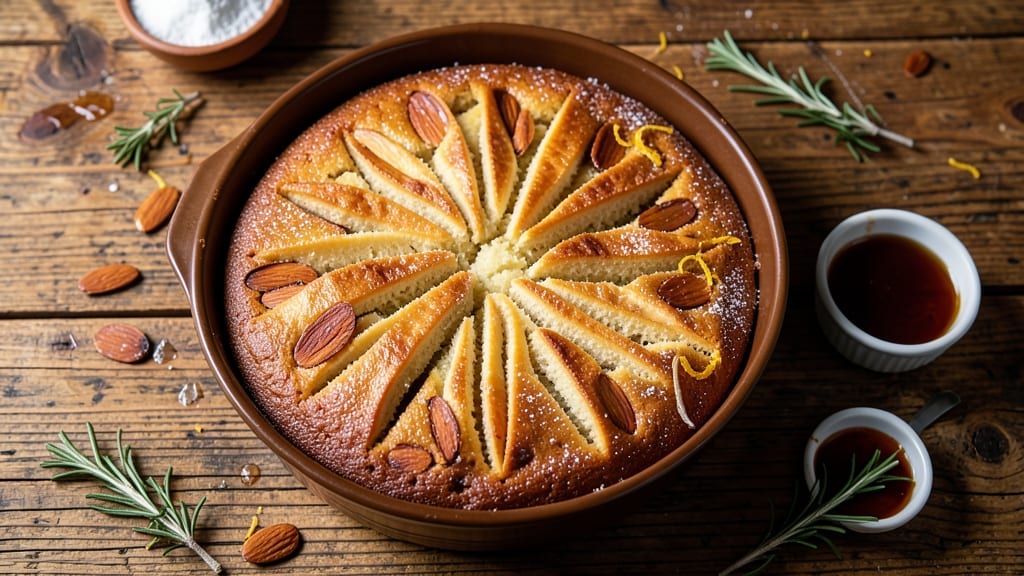
This almond extract cake delivers layers of moist vanilla perfection with a nutty aroma that transforms any kitchen into a bakery. The secret lies in balancing almond extract—just a teaspoon enhances the flavor without overpowering the tender crumb.
I developed this recipe after years of testing, ensuring every slice stays moist for days, not dry by morning.
Traditional creaming method creates a light, airy texture, while the vanilla swirl adds visual appeal and subtle depth. The cake bakes to golden perfection at 350°F in about 30-35 minutes, yielding a tender crumb that holds up to frosting or a simple glaze.
For extra richness, I recommend brushing warm layers with almond syrup between baking.
What makes this recipe stand out is its versatility—serve it plain, topped with whipped cream, or drizzled with chocolate ganache. The almond extract infuses every bite with warmth, making it ideal for dessert lovers who crave that signature nutty vanilla flavor without artificial shortcuts. Perfect for celebrations or quiet afternoons.
This cake proves that professional-quality desserts don't require complicated techniques. With just 10 ingredients and basic baking skills, you'll achieve layers that stay moist for days. The key is patience—letting the batter rest before baking ensures maximum tenderness. Let's get started!
Ingredients for almond extract cake
Ten essential ingredients crafting layers of nutty vanilla perfection for a moist almond extract cake.
| Ingredient | Amount | Notes |
|---|---|---|
| All-Purpose Flour 🌾 | 2 ½ cups | Sifted for light texture |
| Granulated Sugar 🍚 | 2 cups | Superfine preferred for smoothness |
| Unsalted Butter 🧈 | 1 ½ cups | Softened to room temperature |
| Large Eggs 🥚 | 4 whole | Room temperature for even mixing |
| Pure Vanilla Extract 🍯 | 1 tbsp | High-quality, no imitation |
| Almond Extract 🌰 | 1 tsp | Pure, not imitation |
| Baking Powder 🧂 | 1 ½ tsp | Diamond Crystal preferred |
| Fine Sea Salt 🧂 | ½ tsp | For balanced sweetness |
| Almond Syrup 🍯 | ¼ cup | Homemade or store-bought |
| Vanilla Bean Paste 🍯 | 1 tbsp | For enhanced vanilla flavor |
The almond extract is non-negotiable here—Goya or McCormick brands deliver consistent quality. For the butter, Plugrá or Land O'Lakes unsalted are reliable choices, ensuring proper flavor without added salt. The almond syrup can be homemade (simmer 1 cup almonds with 2 cups water, strain) or purchased from specialty stores like Whole Foods. Vanilla bean paste from Madagascar or Tahitian beans adds depth beyond extract. Sift your flour and baking powder together to prevent lumps in the batter, a professional technique that guarantees a tender crumb.
No almond extract? Marzipan paste at half the amount mimics the flavor, though with less intensity. Substitute vanilla bean paste with an extra teaspoon of pure vanilla extract if needed. For the syrup, maple syrup or agave nectar work in a pinch, though they lack the signature almond aroma. The baking powder must be fresh—old powder loses its lift. If your recipe calls for Diamond Crystal, reduce to three-quarters the amount if using regular baking powder. Room-temperature eggs and butter are critical; cold ingredients create dense layers that won't rise properly.
Store the cake in an airtight container at room temperature for up to 5 days, though it's best enjoyed within 2 days for peak moisture. For longer storage, wrap tightly in plastic and refrigerate for up to 1 week. The almond extract flavor intensifies slightly over time, making leftovers even more aromatic. Freeze slices for up to 3 months—thaw at room temperature before serving. Brushing warm layers with almond syrup between baking ensures maximum tenderness, a technique worth the extra minute.
Why You'll Love This Recipe
- Pantry Staple Magic: I swear by this recipe because it uses exactly what’s already in my cabinets—no specialty trips or last-minute shopping. Flour, sugar, butter, eggs? Check, check, check. Even the vanilla extract I’ve had for years works like a charm.
- Nutty Comfort Hug: That almond extract? It’s like a warm embrace in cake form—rich, toasty, and just sweet enough without being cloying. The buttercream (made from the same simple ingredients) takes it from good to oh-my-gosh-I-need-another-slice.
- Birthday to Brunch: Serve it sliced with a dusting of powdered sugar for a crowd-pleasing dessert, or cut it into squares for a grab-and-go breakfast. Honestly, I’ve taken it to potlucks, packed it for picnics, and even used it as a base for a boozy tiramisu. It’s that adaptable.
- Make-Ahead Miracle: Bake it once, enjoy it three times. This cake stays moist for days (yes, even on day four), and the leftovers? Perfect for lunchboxes, office treats, or midnight cravings. I’ll be real: I’ve reheated slices in the oven just to relive that first-bite warmth.
Step-by-step instructions for almond extract cake
This method delivers a perfectly moist almond cake with rich vanilla swirls and tender layers.
Prepare the Cake Batter
In a large mixing bowl, combine the 2.5 cups all-purpose flour, 1.5 tsp baking powder, and 0.5 tsp fine sea salt. Sift this mixture together to aerate the flour and ensure an even distribution of leavening. Set aside for now—this prevents dense spots in your final cake.
In a separate, large bowl, cream together the 1.5 cups softened unsalted butter and 2 cups granulated sugar on medium speed with an electric mixer. Beat for 4-5 minutes until the mixture becomes light and fluffy, nearly doubling in volume. This step incorporates air, which creates that signature tender crumb. Scrape down the sides of the bowl occasionally to ensure even mixing.
Add the 4 whole large eggs, one at a time, mixing well after each addition. Incorporate the 1 tbsp pure vanilla extract, 1 tsp almond extract, and 1 tbsp vanilla bean paste. Mix until fully combined and the batter is smooth and homogeneous. The almond extract will add a subtle nutty aroma, while the vanilla bean paste enhances the depth of flavor without overpowering.
Combine Dry Ingredients and Fold Gently
Gradually add the sifted dry ingredients to the wet mixture, mixing on low speed just until combined. Avoid overmixing—this develops gluten and can result in a tough cake. The batter should be thick but pourable. Gently fold in the 0.25 cup almond syrup using a spatula, ensuring it's evenly distributed throughout.
This is where the cake's moisture comes from—the almond syrup adds natural sweetness and helps retain moisture during baking. The syrup also contributes to the cake's signature nutty undertones, complementing the almond extract. Once fully incorporated, the batter should be smooth and slightly glossy, with no visible streaks of flour.
Divide and Swirl the Batter
Pour half of the batter into a greased and floured 9-inch round cake pan. For the remaining half, divide it evenly between two small bowls. To one bowl, add an additional 1 tbsp almond extract and 1 tbsp vanilla bean paste for an intensified flavor. Mix gently with a spatula to combine.
Spoon dollops of the plain batter onto the base layer in the cake pan, leaving space between each dollop. Then, spoon dollops of the flavored batter on top of the plain batter. Using a knife or small offset spatula, gently swirl the two batters together in a circular motion, creating marbled patterns. This technique ensures every slice has both the classic flavor and the nutty swirls.
Bake to Golden Perfection
Preheat your oven to 350°F and place the cake pan on the center rack. Bake for 35-40 minutes, or until a toothpick inserted into the center comes out clean. The cake should be golden brown on top, with slightly domed edges. Avoid opening the oven door during the first 25 minutes of baking—this prevents the cake from sinking or developing a dry crust.
Once the cake has baked to perfection, remove it from the oven and let it cool in the pan for 10 minutes. Then, transfer it to a wire rack to cool completely. This gradual cooling process allows the cake to set properly, ensuring it holds its shape and maintains its moist texture. Patience here is key—rushing the cooling can lead to a crumbly cake.
Serve with Confidence
Once fully cooled, slice the cake into 10 equal servings using a sharp, serrated knife. The layers should be distinct, with visible swirls of the almond-infused batter. Serve at room temperature for the best texture and flavor. The cake's moist crumb and nutty aroma will make it a standout dessert, perfect for any occasion.
Store any leftovers in an airtight container at room temperature for up to 3 days, or refrigerate for up to 5 days. To maintain moisture, you can also wrap the cake tightly in plastic wrap. If you prefer, you can freeze slices for up to 3 months—just thaw them at room temperature before serving.
Pro Tips For Making Almond Extract Cake
- Cream Butter Slowly: Don’t rush the butter-egg mix—let the butter soften to room temp first, then beat it with sugar for 3-4 minutes until it’s pale and fluffy. I used to skip this, and the cake turned out dense; the extra air lightens the texture, especially with almond extract’s richness.
- Sift the Flour Twice: Almond extract cake relies on a tender crumb, so sift the flour before folding it in, then sift again right before adding it to the wet ingredients. This cuts gluten development and prevents a gummy texture—trust me, your cake will thank you.
- Don’t Overmix the Batter: Once you start folding in the flour, stop as soon as it’s just combined. Overmixing triggers gluten, and this cake needs to stay light. I learned this after a batch turned out chewy—now I use a spatula and count to 10.
- Use Room-Temp Eggs: Cold eggs can curdle the butter mixture, leading to a grainy texture. Take eggs out 30 minutes before baking, or run them under warm water for 2 minutes. The cake’s moisture and structure depend on this—skip it, and you’ll taste the difference.
Common mistakes when making this dish
Overmixing the Batter
I’ve ruined more cakes than I’d admit by overmixing the batter after adding the dry ingredients. Once you incorporate the flour, baking powder, and salt, mix on low speed just until combined—about 20-30 seconds.
Overmixing develops gluten, which creates a tough, dense crumb instead of the tender, moist texture we want. The batter should look slightly streaky, not completely smooth. 💡
Skipping the Resting Step
Don’t rush the batter after mixing! Let it rest for 10-15 minutes at room temperature before baking. This allows the flour to fully hydrate and the almond extract to meld with the other flavors.
Skipping this step often results in a cake that’s dry or cracks as it bakes. I learned this the hard way—my first attempt had a sad, uneven top. Patience here makes all the difference.
Incorrect Almond Extract Measurement
Almond extract is potent—1 teaspoon is all you need for the entire recipe. Using more (like 1 tablespoon) will make the cake taste bitter and overpower the vanilla. Measure carefully with a 1/4 teaspoon measuring spoon for precision.
If you accidentally add too much, balance it with an extra ½ teaspoon vanilla extract to soften the flavor. Trust me, your taste buds will thank you. 🌰
Not Greasing the Pan Properly
A poorly greased pan causes the cake to stick, leading to tears when removing it. Use ½ cup melted butter to coat the pan thoroughly, then dust with 2 tablespoons flour, tapping out the excess.
For extra insurance, line the bottom with parchment paper. I’ve seen cakes collapse because they stuck to the pan—don’t let that happen to yours!
Opening the Oven Too Soon
Resist the urge to peek! Opening the oven door during the first 25 minutes of baking causes the cake to sink or develop a dry crust. The heat escapes, disrupting the even rise.
If you’re worried, use the toothpick test at the 30-minute mark—insert it into the center, and if it comes out clean (or with a few moist crumbs), the cake is ready. 🔥
Overbaking for a "Drier" Texture
Some recipes suggest baking until the toothpick comes out completely dry, but that’s a mistake for this cake. Pull it out when the toothpick has a few moist crumbs—overbaking dries out the layers.
The cake will continue cooking slightly as it cools. I’ve seen cakes turn into hockey pucks because they were baked too long. Trust the 35-40 minute window and let it set properly after baking.
Nutrition facts
Frequently asked questions
Can I substitute almond extract with something else?
Yes, but the flavor will change. For a similar nutty profile, use 1 teaspoon marzipan paste instead of the almond extract. If you prefer vanilla-only, add an extra ½ teaspoon vanilla bean paste to enhance depth. Just remember—almond extract gives this cake its signature aroma, so substitutions won't be identical.
Why does my cake turn out dry?
Dry cake usually means overbaking or skipping the resting step. Pull the cake out when a toothpick comes out with a few moist crumbs (not completely clean). Also, let the batter rest for 10-15 minutes before baking—this helps retain moisture. For extra tenderness, brush warm layers with almond syrup between baking.
How do I make this cake gluten-free?
Replace the all-purpose flour with a 1:1 gluten-free baking flour blend (like Bob's Red Mill). Add ½ teaspoon xanthan gum to improve structure. For best results, also use gluten-free vanilla bean paste and almond syrup. The texture will be slightly denser but still moist. Test with a small batch first!
Can I bake this cake in a different pan size?
For a 9-inch round pan, bake at 350°F for 35-40 minutes. For an 8-inch pan, reduce time to 30-35 minutes. If using a 10-inch pan, increase to 40-45 minutes. Always check with a toothpick. The key is baking until the center is set but still slightly springy—don't rely solely on time.
How do I store leftovers for maximum freshness?
Keep the cake in an airtight container at room temperature for up to 3 days. For longer storage, refrigerate for 5-7 days or freeze slices for 3 months. To maintain moisture, wrap tightly in plastic wrap before refrigerating. The almond flavor actually improves slightly when stored—it mellows beautifully!