
Desserts
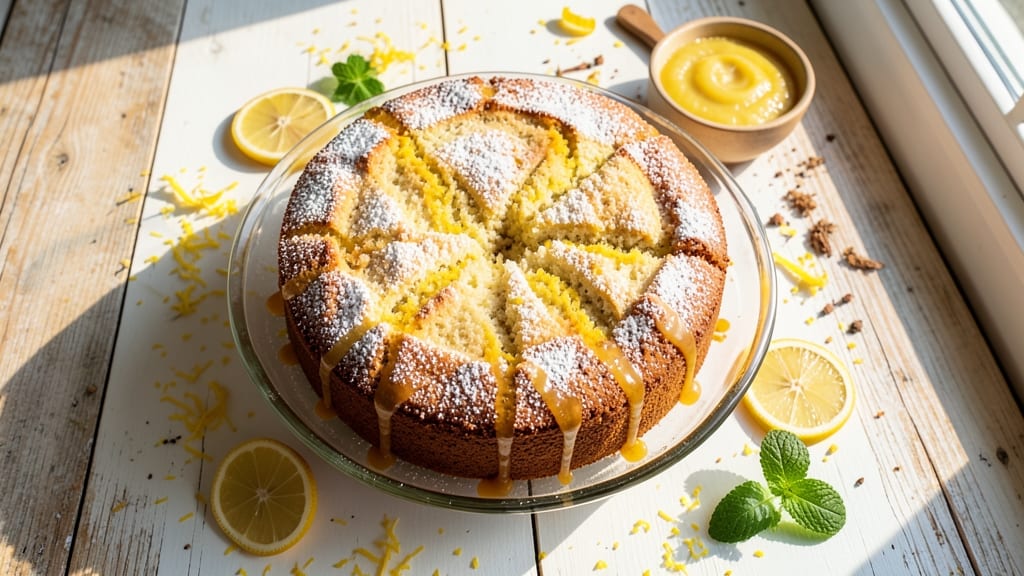
This almond flour lemon pound cake delivers a perfect balance of nutty richness and bright citrus—no dry crumbs or heavy frosting required. The secret lies in almond flour's natural moisture retention and the zesty lemon juice that keeps every slice tender and fragrant.
After years of testing gluten-free pound cakes, I finally cracked the code for a texture that's light yet substantial, with a subtle crumb that disappears on the tongue.
The recipe starts with a simple wet mixture of eggs, sugar, and lemon juice, then incorporates almond flour and a touch of baking powder for lift. A 350°F oven ensures even baking, while an internal temperature of 210°F guarantees perfect doneness without overcooking.
The lemon zest infuses throughout, creating a fragrance that fills your kitchen long before the cake emerges golden and inviting.
What makes this recipe stand out is its foolproof technique—no special equipment, no complicated steps, just a one-bowl mix that comes together in under 15 minutes. The result? A cake with a delicate crumb, moist texture, and that signature citrus brightness that keeps it from feeling too heavy.
The natural sweetness of the almond flour pairs beautifully with the tartness of the lemon, making each bite a harmonious blend.
Serve it fresh with a dusting of powdered sugar or a light lemon glaze for extra shine. This cake holds its texture for days, making it perfect for meal prep or gifting.
Whether you're baking for a celebration or simply craving a bright, nutty treat, this recipe delivers restaurant-quality results at home.
Ingredients for almond flour lemon pound cake
Eight simple ingredients transform into a moist, citrusy masterpiece—no dry crumbs in sight!
| Ingredient | Amount | Notes |
|---|---|---|
| Large Eggs 🥚 | 4 whole | Room temperature for even mixing |
| Granulated Sugar 🍚 | 1 ½ cups | Light brown sugar for depth |
| Fresh Lemon Juice 🍋 | ½ cup | From 2-3 medium lemons |
| Lemon Zest 🍋 | 2 tbsp | Finely grated, vibrant yellow |
| Almond Flour 🌰 | 2 ½ cups | Finely ground, unsweetened |
| Baking Powder 🍞 | 2 tsp | Aluminum-free for best rise |
| Salt 🧂 | ½ tsp | Fine sea salt preferred |
| Vanilla Extract 🌸 | 1 tsp | Pure, high-quality vanilla |
| Unsalted Butter 🧈 | ½ cup | Room temperature, cubed |
| Powdered Sugar 🍚 | ¼ cup | For final dusting (optional) |
The almond flour is non-negotiable here—Bob's Red Mill or King Arthur are my go-tos for consistent texture. Look for finely ground, unsweetened versions; the coarser kind can make your cake dense. The lemons? Organic Meyer lemons from the grocery store's produce section give the best juice-to-zest ratio. If you can't find them, regular lemons work fine—just double the zest. Room-temperature eggs and butter are key; they mix smoother and create a lighter crumb. I always weigh my butter (it's more precise than cups), but if you're eyeballing, let it sit out for 30 minutes before measuring.
No almond flour? Substitute with 2 cups all-purpose flour plus 0.5 cup cornstarch, but expect a slightly denser texture. Short on lemon juice? Orange juice works in a pinch, though the flavor won't be quite as bright. The vanilla extract can be swapped for 1 tsp vanilla bean paste if you're feeling fancy. For a sugar-free version, reduce the granulated sugar to 1 cup and add 0.25 cup monk fruit sweetener. The baking powder is crucial—don't skip it! If yours is old (over 6 months), test it first by mixing with vinegar; it should fizz. And yes, you can make this cake gluten-free by ensuring your almond flour is certified GF.
This cake keeps beautifully—5 days at room temperature wrapped in plastic, or 1 week in the fridge. For longer storage, freeze slices wrapped individually; they thaw in 10 minutes. The powdered sugar topping is optional, but it adds that restaurant-quality finish. If you're making ahead, bake the cake a day in advance—it actually tastes better after the flavors meld. Store leftovers in an airtight container, and trust me, you'll be reaching for seconds. The lemon glaze (equal parts powdered sugar and lemon juice) is worth the extra minute if you're serving it fresh.
Why You'll Love This Recipe
- No Mixer Needed: I swear by this recipe when I’m too tired to pull out the stand mixer. The eggs and almond flour blend together like butter—just a whisk and a bowl, and you’re golden. No sticky cleanup either; almond flour plays nice.
- Bright Without Overpowering: That lemon zest and juice? It’s the kind of sunshine in a bite that makes you pause mid-slice. The sugar caramelizes just enough to balance the citrus, so it’s not tart—it’s elegant. Honestly, I’ve had guests ask if it’s from a bakery.
- Weekend Brunch Star: Slice it for a fancy breakfast with coffee, crumble it over yogurt, or serve it at a brunch spread—it’s that versatile. The almond flour keeps it moist for days, so you’re not scrambling to bake something fresh every morning.
- Budget-Friendly Luxury: Almond flour might seem pricey, but a little goes a long way here. One cake feeds a crowd, and leftovers? They’re even better the next day—lightly toasted with butter, if you’re feeling fancy. My wallet and taste buds win.
Step-by-step instructions for almond flour lemon pound cake
This tender, citrus-kissed cake delivers perfect moisture and bright lemon flavor every time.
Prep Ingredients for Perfect Texture
Start by separating the 4 whole large eggs, placing yolks in one bowl and whites in another. Let both come to room temperature while you prepare the rest—this ensures even mixing and a lighter crumb. In a separate bowl, whisk together the 1.5 cups granulated sugar, 0.5 cup fresh lemon juice, and 2 tbsp lemon zest until fully dissolved. The sugar should dissolve completely, leaving no gritty texture.
Grate the lemon zest using a fine grater or microplane—you want vibrant yellow strips, not bitter pith. I like to press the zest through a sieve afterward to remove any unwanted fibers. Meanwhile, measure out the 2.5 cups almond flour, 2 tsp baking powder, and 0.5 tsp salt in another bowl. The almond flour should be finely ground for a smooth texture, not coarse.
Cream Butter and Sugar Mixture
In a stand mixer fitted with the paddle attachment, beat the 0.5 cup unsalted butter (softened but not melted) and the sugar-lemon mixture on medium-high speed for 3-4 minutes until light and fluffy. You'll see the mixture nearly double in volume and turn pale—this incorporates air that creates the cake's tender crumb. Scrape down the sides of the bowl with a rubber spatula to ensure even mixing.
Add the egg yolks one at a time, mixing well after each addition. Then stir in the 1 tsp vanilla extract and the dry ingredients (almond flour, baking powder, salt) on low speed until just combined. Overmixing develops gluten, which can make the cake dense. Stop as soon as the flour disappears—you'll still see slight streaks, and that's perfect.
Whip Egg Whites to Stiff Peaks
In a clean, grease-free bowl, beat the egg whites on medium-high speed until soft peaks form. Gradually add the 2 tbsp lemon zest (from the earlier mixture) while continuing to beat. This adds extra lemon flavor without altering the structure. Increase the speed to high and beat until the whites form stiff, glossy peaks that hold their shape when the whisk is lifted.
Here's the thing—don't overbeat or the cake will be tough. The meringue should be thick enough to hold its shape but still slightly shiny. Fold one-third of the egg whites into the batter to lighten it, then gently fold in the remaining whites using a spatula in an S-shaped motion. This creates air pockets for a light, airy texture.
Bake in a Preheated Pan
Preheat your oven to 350°F and grease a 9x5-inch loaf pan thoroughly with butter or baking spray. Line the bottom with parchment paper for easy removal. Pour the batter into the prepared pan and smooth the top with a spatula. Tap the pan gently on the counter to remove any air bubbles.
Bake for 50-55 minutes until a toothpick inserted in the center comes out clean. The cake should spring back slightly when pressed gently in the middle. The top should be golden brown, not pale. If the edges brown too quickly, tent the pan with foil after 30 minutes to prevent overbrowning while the center cooks.
Cool and Finish with Powdered Sugar
Remove the cake from the oven and let it cool in the pan for 10 minutes before transferring to a wire rack to cool completely. This gradual cooling prevents cracking. Once fully cooled, dust the top generously with the 0.25 cup powdered sugar using a fine-mesh sieve for an elegant finish.
Slice into 8 even portions—this cake stays moist for days when stored in an airtight container at room temperature. The texture should be tender with a fine crumb, and each bite should deliver bright lemon flavor balanced by the nutty almond richness. Perfect for breakfast or dessert!
Pro Tips For Making Almond Flour Lemon Pound Cake
- Whisk Eggs Until Ribbon Stage: Almond flour cakes dry out fast if eggs aren’t fully emulsified—beat them with sugar for 3-4 minutes until the mixture holds a slow ribbon when the whisk is lifted. I learned this the hard way after a batch turned out dense and crumbly; the extra effort makes all the difference in texture.
- Sift Almond Flour Twice: Almond flour clumps like crazy, and unsifted batter will give you a lumpy cake. Sift it once before measuring, then sift it again right into the bowl—this cuts down on greasy pockets and ensures even distribution. (Yes, it’s extra work, but your cake’s crumb will be smoother.)
- Don’t Overmix the Batter: Once you fold in the lemon zest and juice, stop mixing after 10-12 strokes. Overworking the batter introduces air that collapses during baking, leaving you with a flat, sad cake. I used to think more mixing = better rise, but this recipe’s delicate—treat it gently.
- Bake at 325°F, Not Hotter: Almond flour burns faster than wheat flour, and 350°F will give you a dark, bitter crust before the center’s done. Stick to 325°F and bake until a toothpick comes out clean but with a few moist crumbs—this cake’s dense enough that it won’t be dry. (And resist the urge to peek early.)
Troubleshooting this recipe
Cake Too Dense?
The most common issue is overmixing the batter after adding almond flour. I see this happen when people use a hand mixer instead of a stand mixer—the extra time develops gluten-like proteins that create a tough texture.
Mix the dry ingredients with the wet just until combined (about 20 seconds on low speed), then stop immediately. Also, ensure your almond flour is finely ground—coarse almond flour can't absorb moisture properly, leading to dryness. 🌰
Dry or Crumbly Texture?
This usually means the cake baked too long or the oven ran hotter than 350°F. Always use an oven thermometer to verify temperature—many ovens run 25°F hotter than set. If your cake pulls away from the pan edges but still feels dry in the center, it's overbaked.
Check for doneness at 45 minutes instead of waiting the full 50-55 minutes. For extra moisture, brush warm slices with 2 tbsp lemon juice before serving.
Cracks on Top?
Rapid cooling causes cracks, especially in almond flour cakes that shrink as they bake. Prevent this by letting the cake cool in the pan for 15 minutes (not just 10) before transferring to a wire rack.
If cracks appear, don't panic—they're harmless and can be covered with a thin lemon glaze (equal parts powdered sugar and lemon juice) for a seamless finish. For extra insurance, wrap the pan in foil after 30 minutes of baking to slow the cooking process.
Lemon Flavor Weak?
Fresh lemon juice and zest are non-negotiable here—bottled lemon juice lacks the bright acidity and aromatic oils. If your cake tastes bland, double-check that you used 2-3 medium lemons for the juice (about 0.5 cup) and 2 tbsp zest.
For extra zing, add 1 tsp lemon extract to the batter before baking. Pro tip: Use a microplane for zest—it's more efficient than a grater and removes bitter pith automatically. 🍋
Batter Too Thick?
Almond flour absorbs more liquid than regular flour, so if your batter seems too stiff, it's normal! The egg whites will lighten it during folding. If it's truly unworkable, whisk in 1-2 tbsp warm water or melted butter until smooth.
Never add extra liquid—this can make the cake gummy. For a foolproof test, drop a spoonful of batter into cold water: if it spreads slightly, it's ready for the oven.
Uneven Baking?
This happens when the oven isn't properly preheated or the cake pan isn't level. Always preheat for at least 20 minutes before baking. Place the pan on the middle rack (not the top) and rotate the pan halfway through baking for even heat distribution.
If your oven has hot spots, tent the cake with foil after 30 minutes to protect the edges while the center cooks. A 9x5-inch loaf pan is ideal—avoid glass pans, which can overbake the edges.
Nutrition facts
Frequently asked questions
Can I make this cake without eggs?
Yes, but you'll need an egg substitute like 1/4 cup applesauce + 1 tsp baking soda for each egg. The texture will be slightly denser, but the lemon flavor remains bright. For best results, use a flax egg (1 tbsp ground flax + 3 tbsp water per egg) to maintain some structure.
How do I store leftovers?
Wrap the cake tightly in plastic wrap or store in an airtight container. It stays fresh for 5 days at room temperature or 1 week refrigerated. For longer storage, freeze slices individually for up to 3 months. Thaw at room temperature for 1 hour before serving.
Why does my cake sink in the middle?
This usually happens from opening the oven door too early or underbaking. The cake needs 50-55 minutes at 350°F—check doneness with a toothpick at 45 minutes. If it sinks, the oven may have run hotter than set. Use an oven thermometer to verify temperature next time.
Can I add other citrus flavors?
Try swapping half the lemon juice for orange juice or lime juice for a tropical twist. For a berry variation, add 1 tbsp raspberry puree to the batter. Adjust sweetness if using sweeter fruits like mango or pineapple.
Is this cake gluten-free?
Yes, as long as you use certified gluten-free almond flour and check your baking powder label. The recipe naturally avoids gluten-containing ingredients. For extra safety, bake in a dedicated gluten-free kitchen if you have cross-contamination concerns.