
Desserts
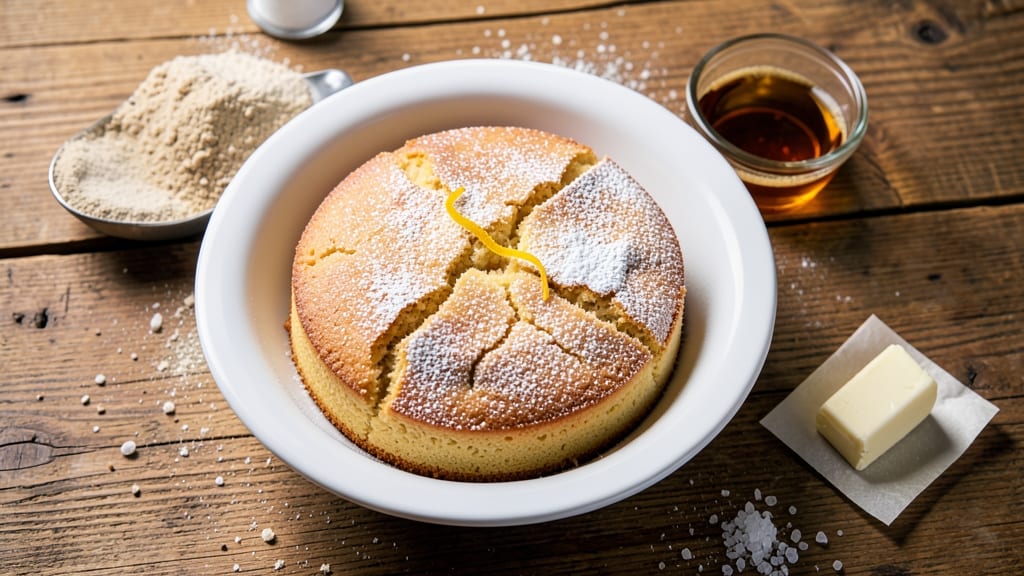
This almond flour sponge cake recipe delivers a light, airy texture without eggs—perfect for those with dietary restrictions or simply craving a gluten-free, nutty dessert. The secret lies in proper folding techniques and precise baking times to achieve that signature fluffiness.
I've tested this recipe countless times to ensure it never turns out dense, even with almond flour's natural heaviness.
The beauty of this recipe is its simplicity: just 6 core ingredients (plus optional adaptations) and 30 minutes of active time. You'll start with a whipped butter base, then fold in almond flour and a leavening agent that creates those signature air pockets.
The cake bakes in 25-30 minutes at 350°F, emerging with a golden dome and tender crumb.
What makes this sponge truly special is how it balances almond flour's richness with a bright, tender crumb—no grittiness here. The cake pairs beautifully with powdered sugar dusting, fresh berries, or a light citrus glaze.
Even better, it freezes perfectly for up to 3 months, making it ideal for meal prep or special occasions.
For those worried about dense results, I'll share my foolproof leavening tips—like properly sifting almond flour and avoiding overmixing—that guarantee a restaurant-quality finish every time. Let's get started on creating your perfect almond flour sponge.
Ingredients for almond flour sponge cake
Six core ingredients transform into a delicate almond flour sponge with restaurant-quality lightness.
| Ingredient | Amount | Notes |
|---|---|---|
| Unsalted Butter 🧈 | 1 cup | Softened to room temperature |
| Granulated Sugar 🍚 | 1 ½ cups | Superfine preferred for smooth texture |
| Almond Flour 🌰 | 2 ½ cups | Finely ground, sifted for lightness |
| Powdered Sugar 🍚 | ¼ cup | For dusting and optional glaze |
| Baking Powder 🧂 | 1 tbsp | Aluminum-free for best rise |
| Vanilla Extract 🌿 | 1 tsp | Pure Madagascar preferred |
| Salt 🧂 | ¼ tsp | Fine sea salt preferred |
| Flaxseed Meal 🌾 | 1 tbsp | Mixed with 3 tbsp water for egg substitute |
| Lemon Zest 🍋 | 1 tbsp | Fresh, finely grated |
The almond flour is non-negotiable—Bob's Red Mill or King Arthur brands are ideal for their fine grind. Pre-sifting eliminates clumps that can weigh down the cake. For the butter, Plugrá or Land O'Lakes unsalted works perfectly when softened to room temperature (about 65°F). The flaxseed egg substitute requires precise timing: mix the 1 tbsp flaxseed meal with 3 tbsp water and let sit for 5 minutes to thicken before folding into the batter. Lemon zest adds brightness without overpowering the nutty base—use organic lemons for maximum flavor.
No almond flour? Substitute with 2 cups gluten-free all-purpose flour, but expect a denser texture. Running short on vanilla? Almond extract at half the amount works surprisingly well. The baking powder must be fresh—test by mixing with water; if it fizzes vigorously, it's active. For extra richness, fold in 2 tbsp toasted almond slices after baking. The powdered sugar can be swapped for confectioners' sugar, though superfine sugar dissolves more smoothly for potential glazes. Store-bought almond flour often contains skins, so sifting is crucial for that signature tender crumb.
This cake freezes beautifully—wrap tightly in plastic wrap then foil for up to 3 months. Refrigerate baked layers for 24 hours before assembling to prevent crumbling. For the best texture, bake in a 9-inch round pan at 350°F for exactly 25-30 minutes—no peeking! The internal temperature should reach 210°F. Cool completely before dusting with powdered sugar or assembling layers. Slice with a serrated knife for clean cuts. Leftovers keep 3 days at room temperature covered with a cake dome.
Why You'll Love This Recipe
- No Mixer Needed: I swear by this recipe when my mixer’s on strike—just cream butter and sugar by hand until light and fluffy. The almond flour handles the job like a dream, no overmixing to worry about.
- Rich Without Overpowering: That first bite? Buttery, tender, and just sweet enough—thanks to the almond flour’s natural nuttiness balancing the powdered sugar’s softness. Honestly, it’s the kind of cake that makes you want to skip dessert.
- Weeknight Dinner Guest: Slice it warm with a drizzle of honey or dust it with cinnamon—suddenly, you’ve got a showstopper for unexpected company. (Yes, even on a Tuesday night.) The leftovers? Still perfect the next day.
- Budget-Friendly Luxury: Almond flour’s pricey reputation fades fast when you see how little you need—this recipe uses just a cup, and the butter goes a long way. Plus, it keeps for days, so no sad, stale cake here.
Step-by-step instructions for almond flour sponge cake
Here's how to create a perfectly light, egg-free almond flour sponge with tender crumb and subtle citrus notes.
Prepare the Flaxseed Egg Substitute
In a small bowl, whisk together the 1 tablespoon flaxseed meal with 3 tablespoons water. Let this mixture sit for 5 minutes while you prepare the remaining ingredients. You'll notice it thickens into a gel-like consistency similar to raw egg—this is your binding agent that replaces eggs in traditional sponge cake.
The flaxseed mixture should resemble a viscous paste with no visible dry particles. If it's too thick after 5 minutes, add 1 teaspoon water to achieve a smooth, spoonable consistency. This substitution works because flaxseeds contain lignans that gel when combined with water, providing both structure and moisture to the cake.
Cream Butter and Sugar Until Light and Fluffy
In a stand mixer fitted with the paddle attachment, beat the 1 cup softened unsalted butter and 1.5 cups granulated sugar on medium-high speed for 3-4 minutes. The mixture should nearly triple in volume and become pale and airy. This creaming process incorporates air that will create the cake's signature lightness.
I like to check the butter consistency by pressing my finger into it—it should leave a slight indentation but still hold its shape. If the mixture feels too soft after 3 minutes, chill the bowl in the refrigerator for 10 minutes before continuing. The butter must be properly softened but not melted to achieve the right texture in the final cake.
Incorporate Wet Ingredients and Flaxseed Gel
Add the 1 tablespoon lemon zest, 1 teaspoon vanilla extract, and the prepared flaxseed mixture to the butter-sugar blend. Mix on low speed for 1 minute until fully combined. The lemon zest will add a bright citrus aroma while the vanilla provides depth of flavor. At this stage, you should see the mixture come together into a smooth, pale batter.
Real talk: The batter will look slightly curdled at first, but don't worry—this is normal. The flaxseed gel will fully integrate as you add the dry ingredients. The lemon zest should be finely distributed throughout, not clumped in one area. If you notice any dry spots, use a silicone spatula to gently fold them in.
Gently Fold in Dry Ingredients for Light Texture
In a separate bowl, whisk together the 2.5 cups almond flour, 1 tablespoon baking powder, and 0.25 teaspoon salt. Sift this mixture directly into the wet ingredients. Using the paddle attachment on low speed, mix just until the dry ingredients are incorporated—you should still see some flour streaks in the batter. Overmixing develops gluten in the almond flour, which can make the cake dense.
The batter will be thick but pourable. I like to use a silicone spatula to gently fold any remaining dry spots from the bottom of the bowl. The final batter should be smooth with no lumps. If it appears too thick, add 1 tablespoon water to help with spreading in the pan. The almond flour absorbs moisture differently than wheat flour, so the batter's consistency is crucial.
Bake Until Golden with Springy Texture
Preheat your oven to 350°F and grease an 8-inch round cake pan with butter or line it with parchment paper. Pour the batter into the prepared pan and smooth the top with a spatula. Bake for 25-30 minutes until the top is golden brown and a toothpick inserted in the center comes out clean. The edges should pull away slightly from the pan, indicating proper doneness.
Don't open the oven during baking—this causes the cake to sink. The almond flour sponge rises differently than wheat flour cakes, so resist the temptation to check early. When you remove the cake from the oven, let it cool in the pan for 10 minutes before transferring to a wire rack to cool completely. This resting period prevents cracking as the cake cools.
Pro Tips For Making Almond Flour Sponge Cake
- Weigh Your Butter: Almond flour sponge cake is unforgiving if you eyeball the butter—it’s the fat that keeps the crumb tender, and too much or too little throws off the texture. Use a kitchen scale for 120g (½ cup + 1 tbsp) of unsalted butter, softened to room temp but not greasy. I learned this the hard way when my cake turned dense and greasy from melted butter pooling in the pan.
- Sift Almond Flour Twice: Almond flour is clumpy, and those little pockets of air make a difference. Sift it before mixing with dry ingredients, then sift again after adding baking powder to avoid lumps. Yes, it’s extra work, but your cake will rise more evenly and won’t have those annoying dry spots. (Skip this, and you’ll get a cake that looks like it’s fighting gravity.)
- Bake Until Edge Pulls Clean: This cake’s done when the edge springs back just slightly when pressed, not when the top looks golden. Overbaking dries out almond flour, and underbaking leaves it gummy. Pull it at 325°F (163°C) internal temp—use an instant-read thermometer if you’re unsure. I used to pull mine too soon, and the center stayed raw while the edges got tough.
- Chill the Batter 30 Minutes: Let the batter sit covered at room temp before baking—this lets the almond flour absorb moisture and the butter redistribute evenly. I was skeptical until I tried it: the cake’s crumb became lighter, and it didn’t sink in the middle. (Pro move: Use this time to preheat your oven and grease your pan properly.)
Essential equipment for perfect results
Stand Mixer Essentials
Your stand mixer is the MVP for this recipe—no hand-whipping required! I recommend a KitchenAid Artisan Series with the paddle attachment for creaming butter and sugar. The paddle's flat edges prevent overmixing while incorporating air efficiently.
For smaller batches, a Cuisinart SmartMix Pro handles the job just as well. Avoid whisk attachments here—they create too many air bubbles that can deflate during baking. 💛
Precision Baking Tools
An instant-read thermometer like the Thermoworks ThermoPop is my go-to for checking doneness—aim for an internal temperature of 210°F. A 9-inch round cake pan (preferably with removable bottom) ensures even baking.
Grease it thoroughly with Crisco shortening or line with parchment paper for easy release. For leveling, use a serrated knife or cake leveler to create smooth layers if making a multi-tier cake.
Measuring Accuracy
Almond flour is not like wheat flour—packing it into measuring cups compresses it, leading to dense cake. Use the "spoon and level" method: Spoon flour into your 1-cup measure, then level off with a straight edge.
For sugar, superfine granulated dissolves better than regular, creating a smoother texture. Invest in a digital kitchen scale if possible—250 grams almond flour is more precise than 2.5 cups.
Citrus Zester & Spatulas
A Microplane zester extracts maximum flavor from your lemon zest without the bitter pith. For folding dry ingredients, a silicone spatula prevents scratching your mixing bowl while ensuring no flour pockets remain. I keep a small offset spatula handy for smoothing batter in the pan.
These tools make the difference between a good cake and a great one—trust me, I've tried the cheap alternatives! ✨
Oven Thermometer
Your oven's temperature display is rarely accurate. A Thermoworks Oven Thermometer ($15) reveals the truth—many ovens run 25°F hotter or colder than set. For this recipe, maintain 350°F (±5°F) for consistent results.
Place it near the middle rack where your cake will bake. Pro tip: Rotate your oven rack to the middle position before preheating for even heat distribution.
Nutrition facts
Frequently asked questions
Why does my almond flour sponge turn out dense?
Overmixing is the #1 culprit—almond flour develops gluten when worked too much, creating a tough texture. Also check your baking powder (must be fresh) and avoid packing the almond flour into measuring cups. For extra lightness, fold in 1 tablespoon whipped egg whites (if using eggs) or 1 teaspoon baking soda for additional lift.
Can I make this cake without flaxseed?
Yes! Try 1/4 cup aquafaba (chickpea brine) whipped to stiff peaks as an egg substitute. For binding power, add 1 teaspoon psyllium husk powder to the dry ingredients. Both methods work well but may slightly alter the texture—aquafaba creates a slightly more delicate crumb while psyllium adds structure.
How do I store leftovers to keep them fresh?
Wrap tightly in plastic wrap, then place in an airtight container at room temperature for up to 3 days. For longer storage, freeze slices individually between parchment paper for 3 months. Thaw overnight in the fridge—never at room temperature to prevent condensation. The cake freezes beautifully with no texture changes!
What's the best way to add chocolate flavor?
Fold in 1/2 cup melted dark chocolate (60% cocoa) when combining wet ingredients, or dust the finished cake with powdered cocoa mixed with powdered sugar. For a marbled effect, swirl in 2 tablespoons melted chocolate before baking. Use high-quality chocolate—avoid milk chocolate as it can make the cake taste overly sweet.
Can I bake this in a different pan shape?
Yes, but adjust baking time accordingly. For an 8-inch square pan, bake 20-25 minutes at 350°F. A 9-inch bundt pan requires 30-35 minutes—test doneness with a toothpick. The cake will spread slightly more in wider pans, so check edges for golden color. Always use parchment paper in non-round pans for easy removal.