
Desserts
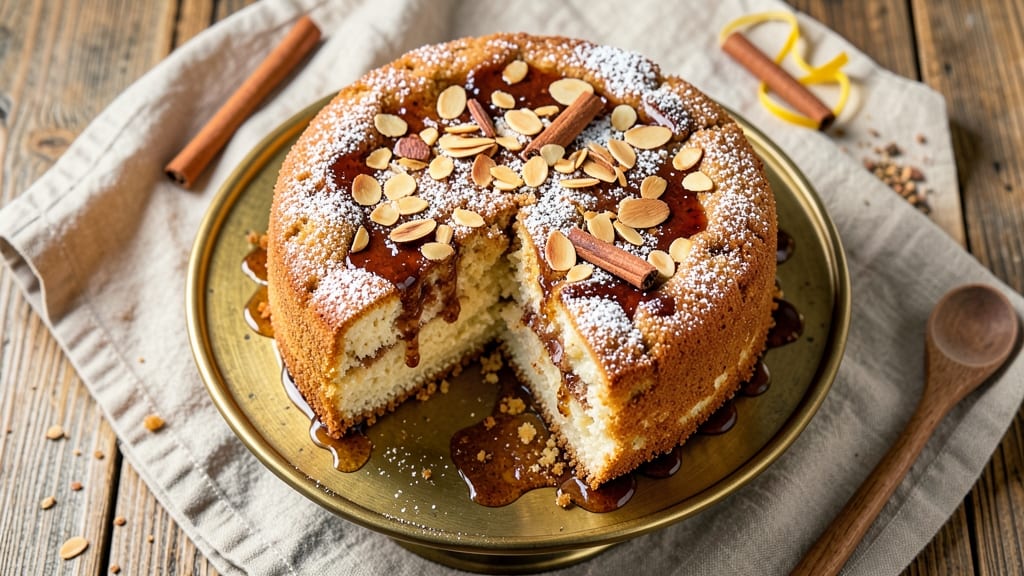
This almond flour rum cake delivers a moist crumb and rich, boozy depth that rivals traditional flour cakes—without the gluten. The secret lies in blending almond flour’s natural richness with rum’s warm caramel notes, creating a tender yet sturdy texture perfect for slicing or serving whole.
I developed this recipe after years of experimenting with gluten-free baking, and it finally achieves that perfect balance of structure and indulgence.
The beauty of almond flour lies in its ability to absorb moisture without relying on gluten for structure. Here, we combine it with eggs and brown sugar to create a dense yet tender crumb, while the rum infuses every bite with a subtle, aromatic warmth.
A touch of vanilla and cinnamon enhances the spiced rum flavor, making this cake feel like a cozy dessert for any occasion.
What you’ll end up with is a cake that’s moist and rich, with a subtle rum aroma that intensifies as it sits. The edges remain slightly crisp for contrast, while the center stays soft and velvety—ideal for slicing into generous portions.
Unlike many gluten-free cakes, this one holds its shape beautifully and tastes even better the next day.
Whether you’re baking for a rum lovers’ gathering or simply craving a dessert that’s both elegant and approachable, this recipe delivers. The best part? It’s naturally gluten-free but doesn’t compromise on flavor or texture. Let’s get baking!
Ingredients for almond flour rum cake
Eight ingredients transform into a moist, boozy cake that rivals traditional flour cakes—gluten-free and delicious.
| Ingredient | Amount | Notes |
|---|---|---|
| Almond Flour 🌰 | 2 ½ cups | Finely ground, unsweetened |
| Large Eggs 🥚 | 4 whole | Room temperature preferred |
| Light Brown Sugar 🍚 | 1 ½ cups | Packed firmly |
| Dark Spiced Rum 🍹 | ½ cup | 180-proof or higher |
| Pure Vanilla Extract 🌿 | 1 tbsp | High-quality, not imitation |
| Ground Cinnamon 🌶️ | 1 tsp | Freshly ground preferred |
| Baking Powder 🧂 | 1 tsp | Aluminum-free preferred |
| Salt 🧂 | ½ tsp | Fine sea salt |
| Unsalted Butter 🧈 | ½ cup | Melted, cooled slightly |
| Whole Milk 🥛 | ½ cup | Room temperature |
| Lemon Zest 🍋 | 1 tbsp | From 1 large lemon |
| Vanilla Bean Seeds 🌿 | 1 tsp | Scraped from 1 bean |
| Powdered Sugar 🍚 | ½ cup | For dusting |
Almond flour is the star here, so don't skimp on quality. Bob's Red Mill or Anthony's Goods are my go-tos—they're finely ground and consistent. If you're using store-brand almond flour, check the texture; it should be smooth like powdered sugar, not gritty. The rum? Bacardi 151 or Captain Morgan work perfectly, but anything with real caramel notes will do. Freshly ground cinnamon makes a difference, but the jarred stuff is fine if it's labeled 'ground on site'. For the vanilla, Madagascar Bourbon beans are ideal, but any good-quality extract will work.
No spiced rum? Substitute dark rum plus 1/4 tsp cinnamon. Out of almond flour? Oat flour or coconut flour can work, but texture will change—expect denser cake. The milk can be swapped for almond milk or coconut milk, though whole milk gives the best moisture. If you're avoiding dairy entirely, unsweetened almond milk works too. The butter is crucial for richness—don't use margarine or vegan butter substitutes unless you're okay with a slightly different texture. And if you're feeling fancy, add a splash of orange liqueur to the rum for extra depth.
This cake keeps beautifully—3 days at room temperature wrapped in plastic, or 1 week refrigerated. For longer storage, slice and freeze portions between parchment paper for up to 3 months. The flavor actually improves overnight, so bake it the day before if you can. To serve, dust with powdered sugar and a sprinkle of cinnamon. I always make a double batch—half goes to guests, half stays for me. Trust me, it disappears fast.
Why You'll Love This Recipe
- No Mixer Needed: I swear by this recipe when my mixer’s on the fritz—just whisk eggs and sugar until thick, then fold in the almond flour. The rum soaks into the cake while it bakes, so no extra syrup or fussing required.
- Rum-Kissed Magic: That first bite? Warm, buttery almond flour with a whisper of spiced rum—like dessert got a grown-up hug. The vanilla ties it all together, but the rum’s the real star (and yes, it’s subtle enough for coffee drinkers).
- Weeknight Crowd-Pleaser: Slice it for breakfast, pack it for lunch, or serve it at a dinner party—no one will question why you made it. Honestly, I’ve even brought it to potlucks as a "dessert that’s not dessert" and it disappears faster than my willpower.
- Leftovers That Last: This cake stays moist for days (seriously, I’ve had it for five), and each slice tastes like it’s fresh. Between us? I make a double batch because it’s cheaper than takeout and way more impressive.
Step-by-step instructions for almond flour rum cake
This cake delivers on that perfect moist crumb while keeping the boozy depth front and center.
Whisk Wet Ingredients Together
In a large mixing bowl, combine the 4 whole Large Eggs, 1.5 cups Light Brown Sugar, 0.5 cup Dark Spiced Rum, 1 tbsp Pure Vanilla Extract, and 1 tsp Vanilla Bean Seeds. Whisk vigorously for 3-4 minutes until the mixture is pale, thick, and nearly tripled in volume. This step is crucial—it incorporates air that will create that tender, cake-like texture we want, not a dense one.
Here's the thing—don't rush this part. You'll know it's ready when the mixture leaves a trail when you lift the whisk and looks almost like ribbons. Add the 1 tbsp Lemon Zest and whisk for another 30 seconds to distribute that bright citrus note evenly. The lemon zest will brighten the rum's depth and keep the cake from tasting too heavy.
Melt Butter and Combine with Dry Ingredients
In a separate microwave-safe bowl, melt the 0.5 cup Unsalted Butter in 30-second intervals, stirring between each, until fully melted but not hot to the touch. Let it cool for 2 minutes—this prevents scrambling the eggs when we combine everything.
In another bowl, sift together the 2.5 cups Almond Flour, 1 tsp Ground Cinnamon, 1 tsp Baking Powder, and 0.5 tsp Salt. Whisk gently to remove any lumps. With the mixer on low speed, gradually add the dry ingredients to the egg mixture, alternating with the 0.5 cup Whole Milk. Start and end with the dry ingredients for even distribution.
Fold in Melted Butter and Prepare the Pan
Pour the melted butter into the batter and fold it in using a spatula until fully incorporated. The batter will be thick but pourable—this is normal for almond flour cakes. Here's where it gets fun: grease a 9-inch round cake pan generously with butter and dust it with 0.25 cup Powdered Sugar (reserve the rest for later). Tap the pan gently to remove any excess sugar, then pour in the batter.
Smooth the top with a spatula and tap the pan lightly on the counter 3-4 times to eliminate any air bubbles. This ensures an even rise and a perfectly domed cake. Real talk: don't skip this step—those bubbles can cause uneven baking and sink spots.
Bake Until Golden and Springy
Preheat your oven to 350°F and place the cake pan in the center rack. Bake for 40-45 minutes until the top is golden brown and a toothpick inserted in the center comes out clean. The cake should spring back slightly when pressed gently in the center—this is your visual cue that it's done.
I know it seems like too long, but trust me. Almond flour cakes bake differently than traditional flour cakes because they don't contain gluten to hold moisture. The longer bake time ensures even cooking and prevents a dry texture. If the edges brown too quickly, tent the cake with foil after 25 minutes to protect them.
Cool and Dust with Powdered Sugar
Remove the cake from the oven and let it cool in the pan for 10 minutes. Then transfer it to a wire rack to cool completely. This resting period is important—it allows the cake to set properly and prevents it from crumbling when you dust it with powdered sugar.
Once completely cool, dust the top generously with the remaining 0.25 cup Powdered Sugar using a fine-mesh sieve. This adds that professional finish and balances the rich, boozy flavors. Slice and serve—each bite should be moist, tender, and packed with warm spice and rum flavor. Store leftovers in an airtight container for up to 5 days, but I doubt they'll last that long!
Pro Tips For Making Almond Flour Rum Cake
- Whisk Eggs Like Mad: Beat those large eggs until they’re pale, thick, and ribbon-like—no streaks, no lumps. I learned this the hard way: under-whipped eggs make for a dense, rubbery cake, and no amount of rum can fix that. Use a stand mixer if you’re impatient, but if you’re hand-whisking, arm yourself with patience.
- Toast the Almond Flour: Spread the almond flour on a baking sheet and bake at 350°F (175°C) for 8–10 minutes before mixing it into the batter. This removes excess moisture and deepens the nutty flavor—trust me, your cake will taste richer. Skip this, and you’re risking a gummy texture.
- Don’t Overmix the Batter: Once you fold in the almond flour, stop as soon as it’s just combined. Overmixing develops gluten (yes, even in almond flour) and turns your cake into a tough, dry brick. Think "marbleized," not "homogeneous."
- Soak the Rum In: Warm the spiced rum slightly (just until it’s steaming, not boiling) and let it sit in the batter for 10 minutes before baking. This lets the alcohol mellow out and the spices infuse deeper—cold rum just sits there like a shy guest. (And yes, even if you’re impatient like me.)
Common mistakes when making perfect results
Overmixing the Batter
Almond flour is delicate—once you've combined the wet and dry ingredients, stop mixing immediately after they're just incorporated. Overmixing develops gluten-like proteins in the eggs, leading to a tough, dense cake instead of that tender crumb we want.
I've ruined more cakes than I'd admit by beating the batter until it looked "smooth." Instead, fold gently with a spatula until no dry spots remain—about 10-12 strokes max. The batter should hold its shape when spooned but still be pourable. 🥄
Skipping Room-Temp Ingredients
Cold eggs and milk create pockets of steam during baking that can cause uneven rising or even sink spots in your cake. Let your eggs and milk sit at room temperature for at least 30 minutes before using.
Pro tip: I place them in a bowl of warm water for 5 minutes if I'm in a hurry—just don't let them get warm to the touch. The melted butter should also be just cool enough to touch (around 100°F) when added to the batter.
Cold butter can cause separation.
Incorrect Oven Temperature
Almond flour cakes are far more sensitive to temperature fluctuations than traditional cakes. If your oven runs hot, your cake will brown too quickly on the outside while staying undercooked inside. Always preheat for at least 20 minutes and use an oven thermometer to confirm it's at 350°F.
I've learned the hard way that my oven's "350°F" setting actually reads 375°F—calibrating makes all the difference. If your cake browns too fast, tent it with foil after 25 minutes.
Underbaking or Overbaking
The biggest mistake I see is pulling cakes out too soon because they "look done." Almond flour cakes need that full 40-45 minutes to develop proper structure. Underbaking leaves them gummy in the center, while overbaking dries them out.
Test with a toothpick—it should come out clean with just a few moist crumbs clinging. The cake should also spring back slightly when pressed gently in the center. If you're unsure, err on the longer side—almond flour cakes continue cooking slightly after removal.
Using Low-Quality Almond Flour
Not all almond flours are created equal. Pre-ground flours from bulk bins often contain larger particles that don't blend smoothly into batters, leading to a gritty texture. Invest in finely ground almond flour like Bob's Red Mill or Anthony's Goods, which are consistently smooth.
I've tried store-brand versions that worked okay, but they never matched the professional texture. If you're grinding your own, pulse in 3-second bursts to avoid heating the flour—warm almond flour can develop a nutty flavor that overpowers the rum.
Ignoring the Resting Period
Transferring a freshly baked almond flour cake directly from the oven to a plate is a recipe for disaster—it'll crack or even crumble when you try to slice it. Let it cool in the pan for 10 full minutes before transferring to a wire rack.
This allows the moisture to redistribute and the cake to set properly. I've seen cakes that looked perfect in the pan turn into sad, cracked messes when moved too soon. Patience here pays off with clean slices and a professional finish. ⏳
Nutrition facts
Frequently asked questions
Can I make this almond flour rum cake without rum?
Replace the 0.5 cup dark spiced rum with 0.5 cup apple juice or orange juice for sweetness, plus 1/4 tsp extra cinnamon to mimic the spiced notes. The cake will still be delicious—just without the boozy depth. For a neutral substitute, use 0.5 cup water and add 1 tsp vanilla extract instead.
Why does my almond flour cake turn out dense?
Overmixing is the #1 culprit! Almond flour lacks gluten, so once wet and dry ingredients combine, stop folding immediately after no dry spots remain. Also ensure your eggs and butter are room temperature—cold ingredients create steam pockets that disrupt texture. Finally, don't skip the 40-45 minute bake time—almond flour cakes need full cooking to develop proper structure.
How do I store leftovers to keep them moist?
Wrap slices tightly in plastic wrap and store at room temperature for 3 days, or refrigerate for up to 1 week. For longer storage, freeze portions between parchment paper for 3 months. The cake actually tastes better the next day as flavors meld! To revive, warm at 300°F for 5 minutes—just don't overheat or it'll dry out.
Can I use this recipe for a gluten-free rum cake?
Yes! This recipe is naturally gluten-free since it uses almond flour instead of wheat flour. The texture remains rich and moist without needing gluten substitutes. Just ensure all other ingredients (like vanilla extract and baking powder) are certified gluten-free if you have sensitivities.
What's the best way to serve this cake?
Dust with powdered sugar and a sprinkle of cinnamon for a classic finish. For extra flair, add a rum-soaked cherry or a drizzle of caramel sauce. Serve with vanilla ice cream or whipped cream to balance the rich flavors. The cake's boozy aroma makes it perfect for dessert after dinner parties or holiday gatherings!