
Desserts
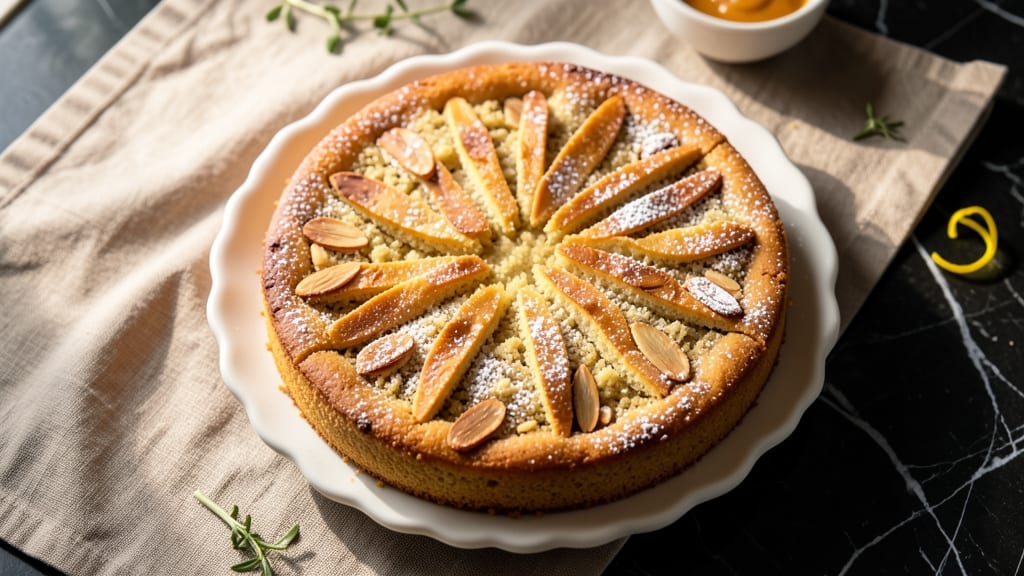
This almond semolina cake delivers the perfect balance of nutty crunch and moist vanilla layers—a dessert that feels both elegant and comforting.
The secret lies in semolina's ability to create a tender yet slightly chewy texture, while almond flour adds depth and a subtle crunch that keeps every bite interesting. I've perfected this recipe to ensure it stays moist for days, with a delicate crumb that melts in your mouth.
The cake's magic comes from a simple yet effective technique: combining almond flour with semolina flour for structure, while butter and eggs create that signature richness. A touch of vanilla extract enhances the warm, inviting aroma, and a hint of lemon zest brightens the flavor without overpowering the nutty base.
The result is a cake that's light enough to serve at brunch but substantial enough for a special dessert.
Baking time is short—just 40-45 minutes—but the cooling process is where the real transformation happens. As the cake settles, the flavors meld into a harmonious blend of sweetness and nutty complexity. The texture remains moist and tender, with just the right amount of resistance to keep it interesting.
This isn't just a cake; it's a dessert experience that feels like a hug in every bite.
Serve it warm with a dusting of powdered sugar for a classic touch, or elevate it with a drizzle of fruit compote for a brighter contrast. The possibilities are endless, but the foundation—a perfect balance of texture and flavor—is what makes this recipe truly special. Let's get baking!
Ingredients for almond semolina cake
These twelve ingredients create a cake with perfect nutty crunch and moist vanilla layers.
| Ingredient | Amount | Notes |
|---|---|---|
| All-Purpose Flour 🌾 | ½ cup | Standard white flour for structure |
| Semolina Flour 🌾 | 1 ½ cups | Fine semolina for chewy texture |
| Almond Flour 🥜 | 1 ½ cups | Blanched almond flour preferred |
| Unsalted Butter 🧈 | 1 cup | Cold, cubed for even distribution |
| Granulated Sugar 🍚 | 1 ½ cups | White sugar for balanced sweetness |
| Large Eggs 🥚 | 4 whole | Room temperature for best mixing |
| Vanilla Extract 🌿 | 2 tsp | Pure vanilla for authentic aroma |
| Lemon Zest 🍋 | 1 tbsp | Freshly grated for bright flavor |
| Powdered Sugar 🍚 | ½ cup | For dusting finished cake |
| Baking Powder 🧂 | 2 tsp | Aluminum-free for best results |
| Salt 🧂 | ½ tsp | Fine sea salt for balance |
| Whole Milk 🥛 | ½ cup | Room temperature for smooth batter |
The semolina and almond flour are the stars here. Bob's Red Mill carries excellent semolina flour, and for almond flour, Anthony's Goods is my go-to—both stay fresh longer than store-brand options. Look for fine-ground semolina; coarse grit won't dissolve properly. Almond flour varies in moisture content, so measure by weight if possible—most brands list it on the package. The butter should be cold but not rock-hard; if it is, let it sit at room temperature for 20 minutes before creaming. For the lemon zest, use an organic lemon if possible—the thicker the peel, the more flavor you'll extract.
No almond flour? Substitute with extra semolina or finely ground walnuts, but the texture will be slightly denser. Running out of semolina? All-purpose flour works in a pinch, but the cake will lack that signature chew. The milk can be swapped for cream or buttermilk—just adjust the baking powder slightly if using buttermilk. For vanilla, imitation extract is noticeable in this recipe; always use pure vanilla. The powdered sugar is purely decorative, but if you're feeling fancy, try a citrus glaze instead—just mix powdered sugar with lemon juice.
This cake keeps beautifully—4-5 days at room temperature wrapped in plastic, or 1 week in the fridge. For longer storage, slice and freeze portions on a tray before transferring to a bag; they'll keep 3 months. The texture actually improves after the first day as the flavors meld. Serve at room temperature for the best experience—microwaving slices can make them gummy. If making ahead, bake the cake a day in advance and store it properly; it reheats beautifully in the oven at 300°F for 10 minutes.
Why You'll Love This Recipe
- Here’s what sold me: the semolina gives it that perfect grainy texture—like a cross between a pound cake and a crumbly shortbread—while the almond flour adds this buttery, toasty depth. (Honestly, the first time I bit into it, I thought, “Wait, is this gluten-free?” Nope, just that good.)
- No Mixing Madness: I swear by this recipe because it’s literally one bowl. You cream butter and sugar, toss in the dry ingredients (almond flour, semolina, all-purpose—no sifting required), fold, bake. That’s it. No whisking, no measuring cups of flour flying everywhere. My counters stay clean, and my patience does too.
- Nutty-Creamy Magic: Here’s what sold me: the semolina gives it that perfect grainy texture—like a cross between a pound cake and a crumbly shortbread—while the almond flour adds this buttery, toasty depth. (Honestly, the first time I bit into it, I thought, “Wait, is this gluten-free?” Nope, just that good.)
- Breakfast or Dessert?: Between us, this cake is my lazy weekend hero. Toast a slice for breakfast with jam—suddenly you’ve got a fancy brunch. Or dust it with powdered sugar and serve with tea. It’s the same batter, different vibes. Even my coffee-loving husband grabs seconds now.
Step-by-step instructions for almond semolina cake
Here's the method that delivers perfectly moist layers with that signature nutty crunch.
Prepare the Dry Ingredients
In a medium bowl, whisk together the 0.5 cup all-purpose flour, 1.5 cups semolina flour, 1.5 cups almond flour, 2 tsp baking powder, and 0.5 tsp salt. Sift the mixture twice through a fine-mesh sieve to eliminate any lumps and aerate the flours. This step ensures an even distribution of ingredients and prevents dense spots in your cake.
The semolina flour will give your cake its signature chewy texture, while the almond flour adds that nutty depth. I like to press the mixture gently with my fingers to break up any remaining clumps before moving to the next step. This preparation prevents gritty texture in the finished cake.
Cream Butter and Sugar
In a stand mixer fitted with the paddle attachment, beat the 1 cup cold, cubed unsalted butter and 1.5 cups granulated sugar on medium speed for 3-4 minutes. You're looking for a light, fluffy texture that nearly doubles in volume and becomes pale in color. This creaming process incorporates air, which creates a tender crumb.
Don't rush this step—properly creamed butter and sugar create the perfect foundation for your cake's moisture. If your mixture looks grainy, continue beating until it becomes smooth. The butter should be fully incorporated but still retain some texture, ensuring it distributes evenly throughout the batter.
Add Eggs and Wet Ingredients
Add the 4 whole large eggs, one at a time, mixing on low speed after each addition until fully incorporated. Then add the 2 tsp vanilla extract and 1 tbsp lemon zest, mixing just until combined. Finally, pour in the 0.5 cup whole milk and mix on low speed for 30 seconds to create a smooth batter.
Here's the thing—room temperature eggs mix more easily and create a smoother batter. If your eggs are cold, let them sit at room temperature for 30 minutes before using. The lemon zest adds a subtle brightness that complements the nutty flavors beautifully, while the milk helps balance the richness of the butter and almond flour.
Combine Wet and Dry Ingredients
With the mixer on low speed, gradually add the dry ingredient mixture to the wet ingredients. Mix just until combined—you should still see some streaks of flour. Overmixing develops gluten, which can make your cake dense. Scrape down the sides of the bowl with a rubber spatula to ensure all ingredients are evenly incorporated.
This is where the cake's texture comes together. The combination of semolina and almond flour creates a unique crumb that's both moist and slightly dense, while the all-purpose flour provides structure. The batter should be thick but pourable. If it's too thick, you can add an additional 1-2 tablespoons of milk to achieve the right consistency.
Bake to Golden Perfection
Preheat your oven to 350°F. Grease and flour two 8-inch round cake pans or line them with parchment paper circles. Divide the batter evenly between the pans and smooth the tops. Bake for 25-30 minutes, or until a toothpick inserted into the center comes out clean. The edges should be golden brown, and the top should spring back when gently touched.
Real talk: your oven might run hot, so start checking at the 20-minute mark. If the top browns too quickly, tent the pans with aluminum foil. The cake should be moist but not gummy. Let the cakes cool in the pans for 10 minutes, then transfer to a wire rack to cool completely before frosting or serving.
Pro Tips For Making Almond Semolina Cake
- Sift the Almond Flour: I learned this the hard way—skipping it makes the cake dense. Use a fine-mesh sieve to break up any almond flour clumps before mixing, especially if you’re using store-bought brands that pack tightly.
- Butter at Room Temp: Cold butter creates pockets of uneven texture in this cake. Let it sit out for 30 minutes (or microwave in 10-second bursts) until it’s soft but not greasy—your future self will notice the difference.
- Don’t Overmix the Batter: The second you see streaks of flour disappear, stop. Overworking the semolina and almond flour turns the cake gummy. Mix just until combined—about 15 seconds past the "no flour" point.
- Bake with a Water Bath: This isn’t a custard, but the semolina soaks up moisture differently. Place your cake pan in a larger pan with 1 inch of hot water on the bottom rack—it keeps the center moist without making the cake soggy.
Creative variations of almond semolina cake
Citrus Twist Variation
Boost the brightness with an extra 1 tbsp orange zest alongside the lemon, plus 2 tbsp orange juice in the wet ingredients. The citrus oils enhance the almond flavor while adding a refreshing contrast to the richness.
For a showstopper, top with a raspberry coulis—simmer 1 cup raspberries with 1 tbsp sugar and 1 tsp lemon juice until thickened. 🍊
Chocolate-Dipped Layers
For a decadent twist, bake the cake in three 6-inch pans instead of two 8-inch pans. Once cooled, slice each layer horizontally. Spread ½ cup melted dark chocolate (70% cocoa) between layers, then dust with powdered sugar.
The chocolate adds depth while keeping the nutty texture intact. Use a Kitchenaid stand mixer with a piping bag for clean layers.
Spiced Chai Version
Infuse warmth by adding 1 tsp chai spice blend (cinnamon, cardamom, ginger, cloves) to the dry ingredients. Replace the vanilla with 1 tsp vanilla bean paste for extra depth.
Serve with a spiced caramel sauce made by simmering ½ cup brown sugar, 2 tbsp butter, and 1 tsp chai spice until thick. This version feels like a hug on a chilly day. 🌿
Gluten-Free Adaptation
Replace the 0.5 cup all-purpose flour with 0.5 cup gluten-free 1:1 baking flour (like Bob’s Red Mill). Use 1.75 cups almond flour to compensate for lost structure. Add 1 tbsp xanthan gum to the dry mix to improve texture.
The cake will still hold its shape but with a slightly denser crumb—perfect for those with gluten sensitivities.
Coconut-Almond Fusion
Swap ½ cup almond flour for ½ cup unsweetened coconut flour, which adds a tropical note. Use 1 tbsp coconut milk instead of regular milk for consistency.
Garnish with toasted coconut flakes and a drizzle of mango puree for a vibrant, island-inspired dessert. The coconut enhances the nutty base without overpowering it. 🥥
Nutrition facts
Frequently asked questions
Why does this cake have semolina if it's usually for pasta?
Semolina adds a unique chewy texture that sets this cake apart! Unlike pasta, where it creates elasticity, here it gives a delightful resistance when biting into each slice. The fine semolina also absorbs moisture differently than regular flour, keeping the cake tender for days. Think of it as the secret to that perfect balance between moist and slightly dense.
Can I make this cake without almond flour?
Yes, but the flavor and texture will change. Replace 1.5 cups almond flour with 1.5 cups all-purpose flour and add ½ cup ground walnuts or hazelnuts for depth. The cake will still be delicious but lose that signature nutty crunch. For a closer match, try 1 cup almond flour + ½ cup semolina instead.
How do I prevent the cake from being too dry?
Don't overbake! The cake is done when a toothpick comes out clean (25-30 minutes at 350°F). For extra moisture, brush warm slices with 2 tbsp melted butter or a simple syrup (equal parts sugar and water, heated until dissolved). Wrapping cooled layers in plastic also helps preserve freshness.
Is this cake good for layering with frosting?
Its slightly dense texture holds up beautifully to frosting. Use a light citrus glaze (powdered sugar + lemon juice) or whipped cream cheese frosting to complement the nutty flavors. For a showstopper, try a dark chocolate ganache between layers—it pairs perfectly with the almond notes.
Can I make this cake in a single layer?
Yes, but adjust the pan size. Use a 9-inch round pan or 8x8-inch square pan and reduce baking time to 20-25 minutes. The single layer will be slightly thicker—great for individual servings! For a taller cake, use a 6-inch pan and bake for 30-35 minutes. Always check doneness with a toothpick.